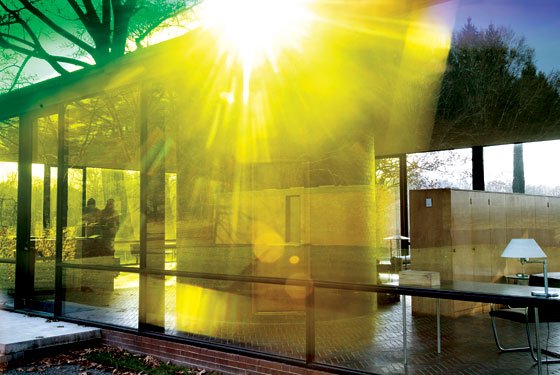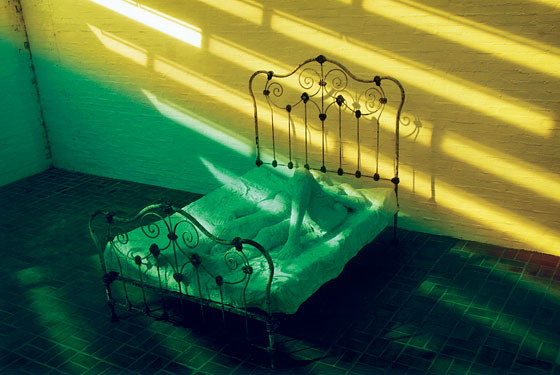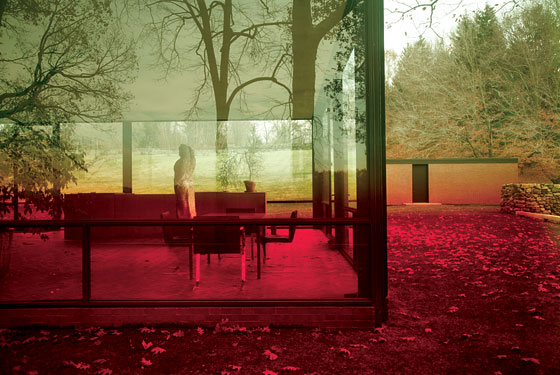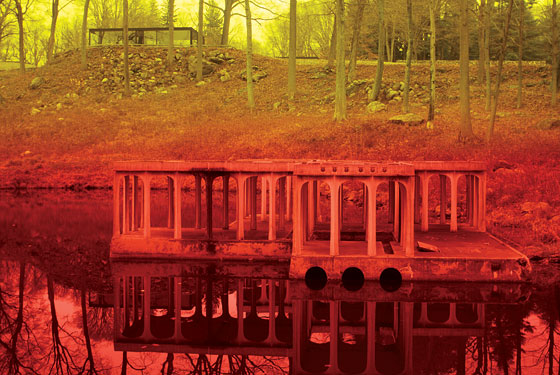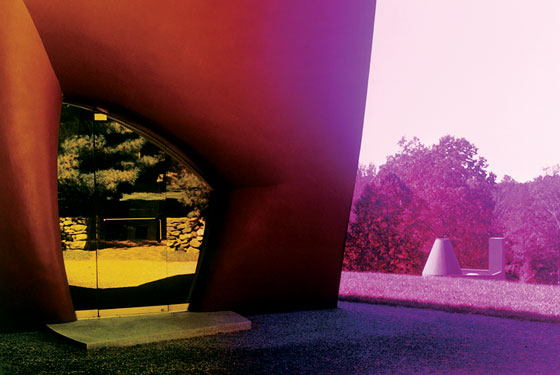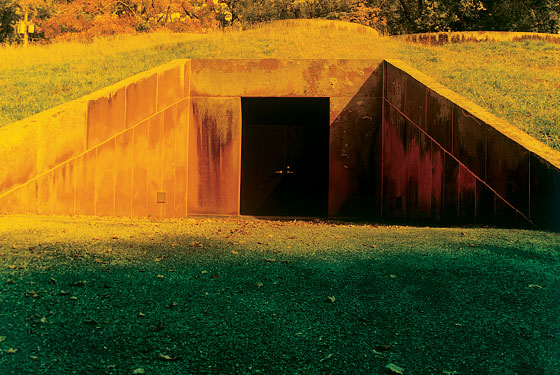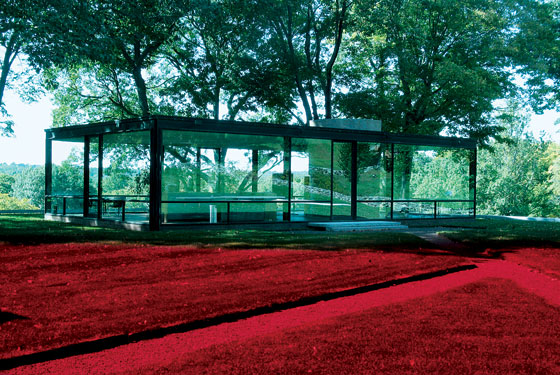
In 1949, Philip Johnson’s Glass House represented the next wave of architecture, albeit edited to a spartan 1,728 square feet. It was the first of a kind in America, an exemplar of European modernism transplanted to the heart of Colonial Connecticut. A collection of similarly transparent boxes soon sprang up in and around New Canaan, still one of the country’s greatest living museums of modernism. But Johnson himself preferred to move on, eventually adding or renovating fourteen structures on his 47-acre property (four of which are seen here). Next month, the compound, now a National Trust Historic Site, opens to the general public for the first time. Guided tours (limited to ten people) swiftly sold out through July, and the property will be officially inaugurated with a June 23 gala picnic that will feature a restaging of a 1967 site-specific Merce Cunningham Dance Company performance (information and tickets at philipjohnsonglasshouse.org).
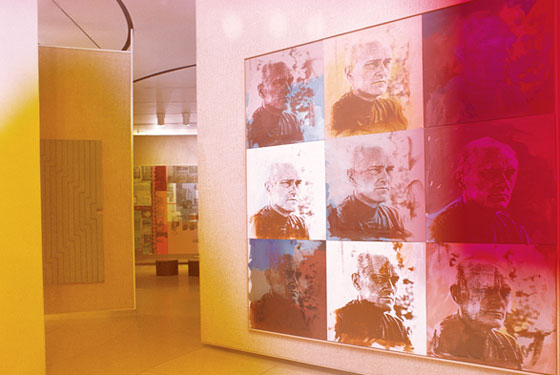
The property as a whole is a museum of the next big thing in architecture, permutations of modernism initiated and imitated by Johnson. Some are miniatures of larger projects, like the 1962 Lake Pavilion, the more charming daughter of the New York State Theater. The cloverleaf 1965 Painting Gallery, in which he buried his Stellas, Schnabels, and Warhols, looks forward to the willful, shiny shapes of his later skyscrapers.
Walking the green hills this summer—photographed here by James Welling, using film and digital cameras and a variety of filters held up in front of the lens at the moment the photo was taken—visitors might well wonder what the man would have seized upon next. An “All-Glass House,” akin to the Glass Pavilion designed by Sanaa for the Toledo Museum of Art, but with the unsatisfying brick bathroom of the original replaced with an iridescent cylinder? The ultimate green design, a “Grass House,” combining Johnson’s love of landscape and architecture in a single building? Johnson, like the rest of us, would have been wondering what happens A.G. (after Gehry)—to whom he paid homage pre-Bilbao with the 1984 chain-link Ghost House.