Circa 1730
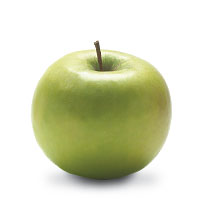
The Newtown Pippin, tart, green, and sweet, springs into existence along Newtown Creek (it’s unclear whether the apple was cultivated on purpose or simply an “accidental seedling”).
Mid-18th century
Virginians, including Thomas Jefferson, in Albemarle County, begin cultivating the Pippin, which can be stored for a relatively long period of time. Ben Franklin imports some to London.
19th century
Southerners eschew the Yankee name and rename it the Albemarle Pippin. Newtown is redubbed Elmhurst to dissociate itself from the polluted Newtown Creek.
1920
New York Morning Telegraph writer John J. Fitz Gerald popularizes the “Big Apple” nickname; it was later revived in the seventies as part of a city-sponsored tourism campaign.
2005
Researching Newtown Creek, writer-activist Erik Baard rediscovers the Pippin’s origins. He begins promoting the planting of Newtown Pippin trees as a symbol of urban renewal.
April 22, 2009
Queens City Council member James Gennaro announces that he will enter a Council resolution seeking to declare the Newtown Pippin the city’s official apple.
Have good intel? Send tips to intel@nymag.com.