You Don’t Have to Wear a Plastic Fleece This Fall

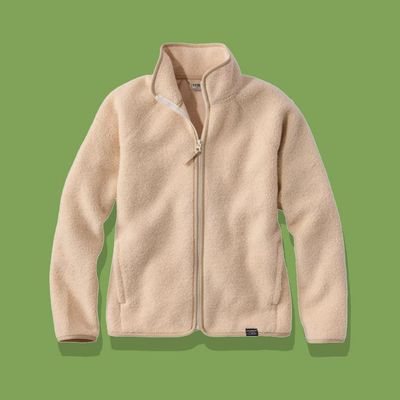
Introduced in the early 1980s by Patagonia, synthetic polar fleece was intended as a cheaper, more lightweight, and more durable alternative to wool. And it really caught on. Easier to wash, quicker to dry, and less susceptible to moths than the knit sweaters of yore, fleece proved ideal for making cozy, outdoor-friendly clothing that also worked as streetwear. When Patagonia transitioned into using recycled materials in the 1990s, its fleeces came to be regarded as a futuristic and even ecofriendly wardrobe staple.
We now think of them differently. Research has shown that synthetic fleece sheds higher amounts of non-biodegradable microplastic fibers into waterways than other synthetic materials when laundered, and a growing number of studies even suggest that exercising in polyester clothing may pose personal health risks due to plastic exposure. As consumer awareness around these issues grows, brands have responded by designing lower-shed synthetic fabrics, or else manufacturing fleeces from the very natural fibers they once rebelled against. This season, you can buy a wool (or at least wool-blend) fleece from L.L.Bean, J.Crew, and even Patagonia itself.
New! You can now save this product for later.
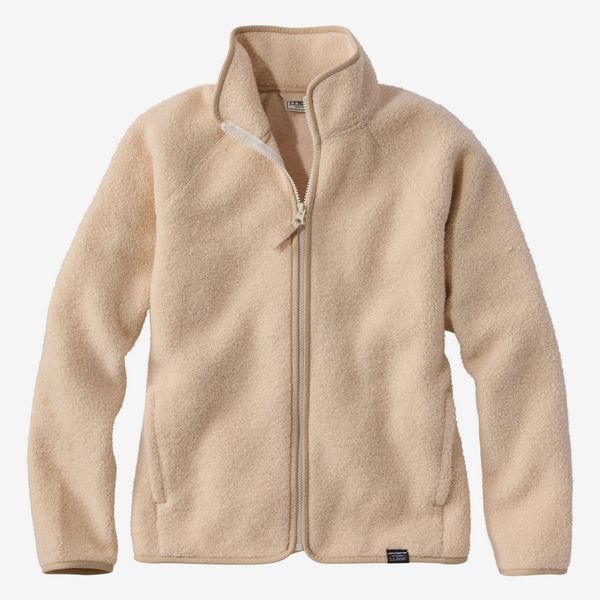
A more affordable wool-polyester-blend fleece that’s available in lots of colors.

New! You can now save this product for later.
A classic-looking recycled-wool quarter-zip designed in Cornwall.
New! You can now save this product for later.
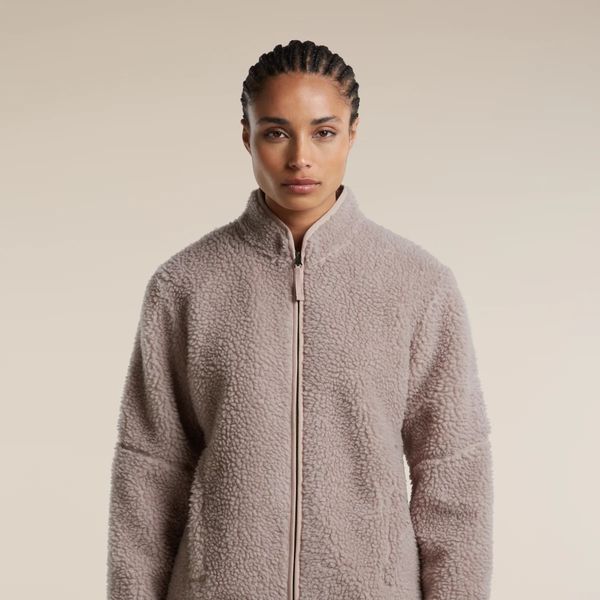
A really fuzzy fleece made from brushed merino wool and Tencel.
Thanks to developments in textile science, the new breed of wool fleeces look and feel very similar to the polyester ones we’ve all been wearing for decades. They’re soft and textured rather than coarse and itchy. You can even toss them in the wash, although it’s still best to avoid hot tumble dryers.
Over the past few months, I’ve been trying out natural-fiber fleeces from a number of brands, from New Zealand–based Icebreaker (which, alongside sister brand Smartwool, also owned by VF, has helped pioneer and popularize technical fabrics made from merino and small percentages of nylon) to Portland-based Gnuhr (a trendy ultralight hiking upstart with streetwear roots). Some were made from 100 percent wool, whereas others were woven with a small percentage of polyester, elastane, nylon, or Tencel (a man-made, tree-derived fiber that’s part of the rayon family of materials) for added durability as well as stretch for athletic use.
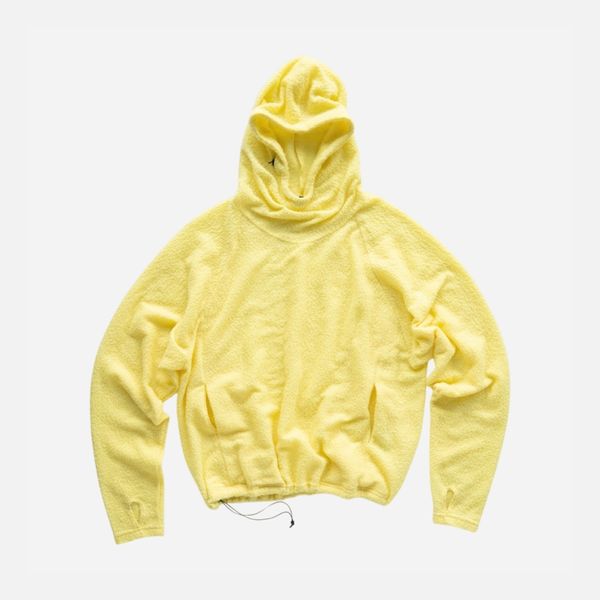
New! You can now save this product for later.
An ultralight, I-can’t-believe-it’s-not-polyester shag fleece that’s awesome for backpacking.
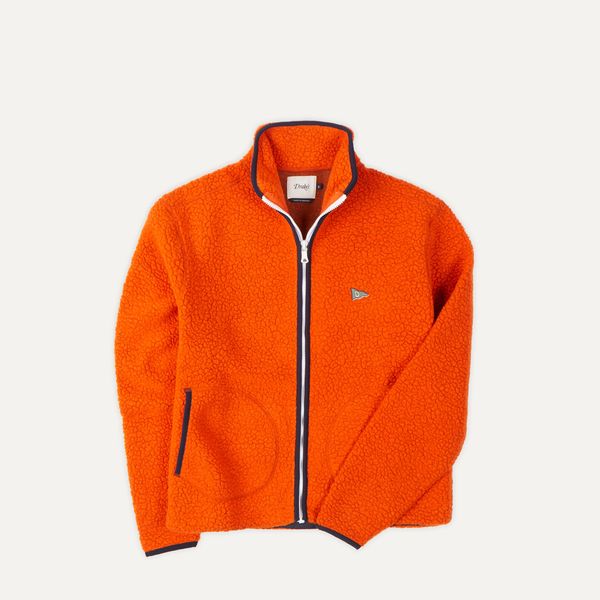
New! You can now save this product for later.
A preppy wool bouclé fleece to wear out to dinner.
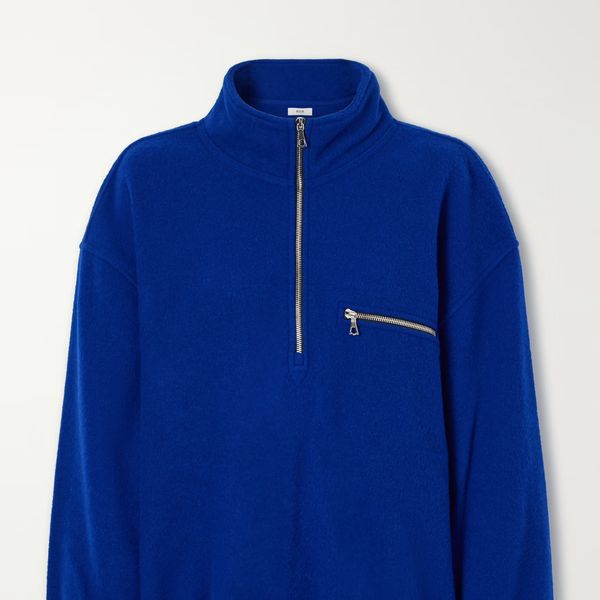
New! You can now save this product for later.
A virgin-wool, dry-clean-only designer fleece.
Aside from wool being more expensive than polyester, it was an easy switch to make; I genuinely prefer to sweat it out while wearing breathable natural fibers rather than clammy plastic ones.
They are not, in my experience, all that more fussy to wash or dry compared to polyester fleeces. And you don’t need to do so as frequently, because they’re naturally odor resistant. I tend to hang-dry my clothing anyway, in order to save energy and extend the life of my clothes.
As for their environmental and personal health benefits, it depends on who you talk to. If a wool garment is labeled as machine washable, that likely means it has been treated with the synthetic resin Hercosett, which increases shrink resistance but is technically (you guessed it!) a plastic. The environmental threat posed by any single polyester fleece might be overstated, anyway. Studies suggest that the majority of them appear to stop shedding large quantities of microplastic fibers after their first five laundry cycles, so there’s no need to panic too much about the five-year-old Patagonia Synchilla hanging in your closet right now. (In recent years, Patagonia has also developed synthetic fleece options that resist pilling and supposedly shed fewer microplastic fibers.)
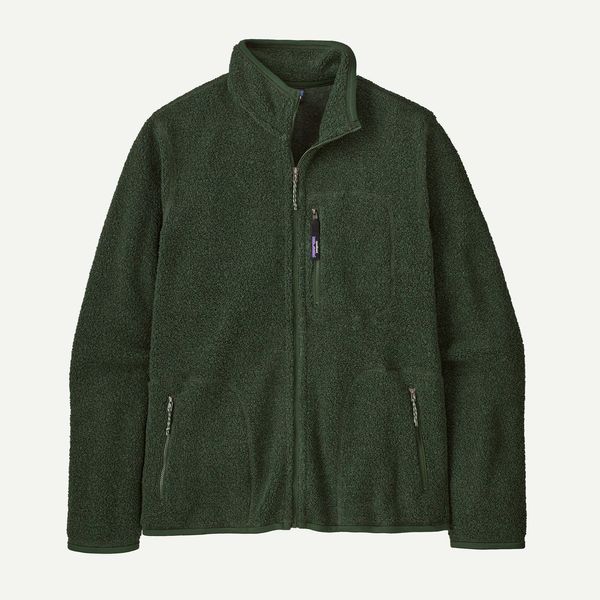
New! You can now save this product for later.
A recycled wool-and-polyester fleece from the original fleeceheads at Patagonia.

New! You can now save this product for later.
A high-collar merino fleece from Denmark brand Dilling.
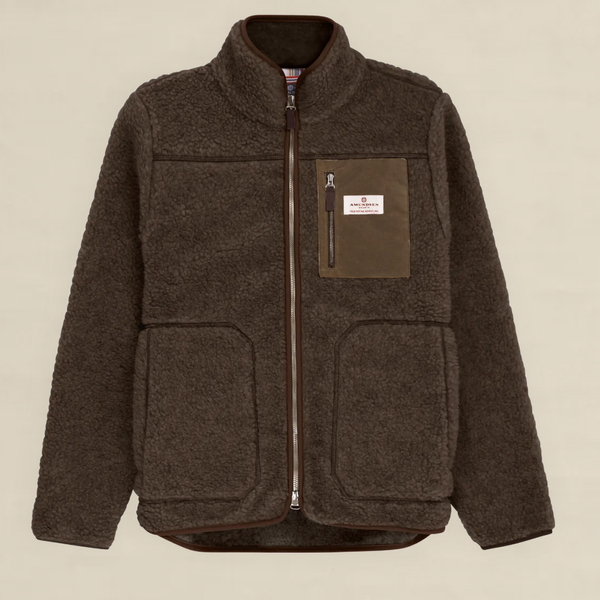
New! You can now save this product for later.
A wool-and-waxed-cotton fleece made from undyed, unprocessed fibers.
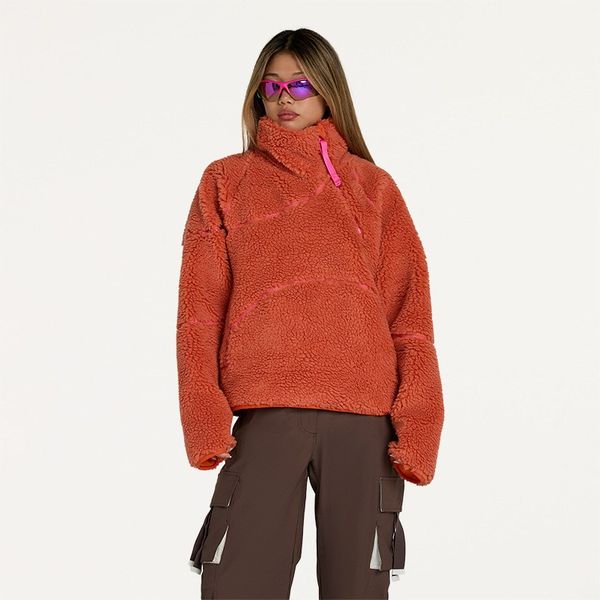
New! You can now save this product for later.
An asymmetrical wool-blend fleece with a big kangaroo pocket.
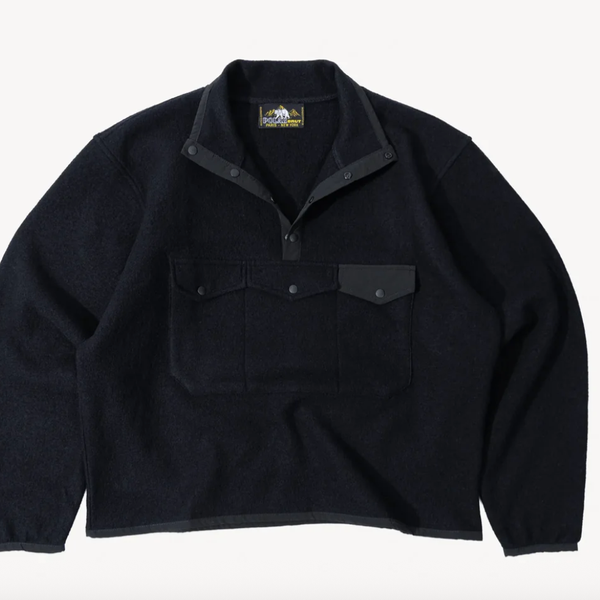
New! You can now save this product for later.
A 100 percent wool hand-wash-only snap-button fleece.
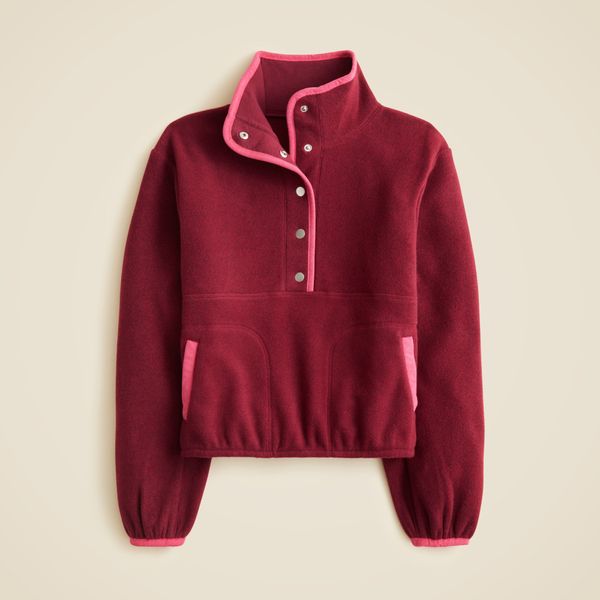
New! You can now save this product for later.
A vintage-y, admittedly only 8 percent wool J.Crew fleece.
Because of its fluffy weave, fleece fabric will always shed, whatever it’s made from — the ocean is full of cotton, silk, and wool microthreads as well as plastic ones. Happily, a recent peer-reviewed study indicates that these natural fibers are likely biodegradable in ocean water, even when they’ve been treated with synthetics for increased durability.
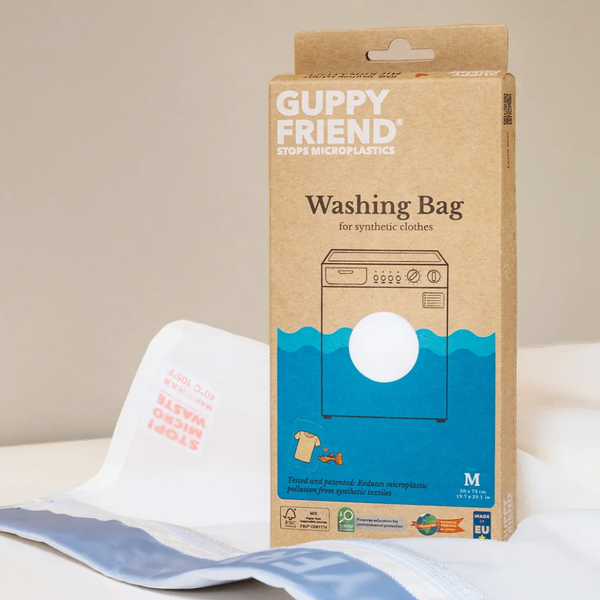
New! You can now save this product for later.

New! You can now save this product for later.
A fiber-catching ball to keep in your washing machine.
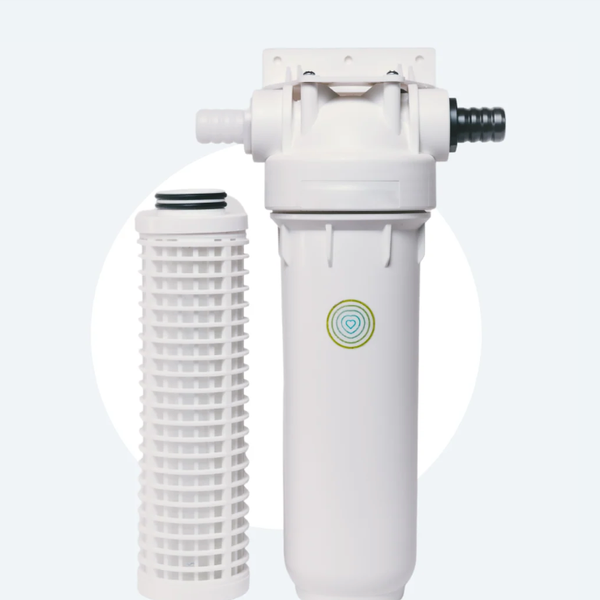
New! You can now save this product for later.
A fiber-catching filter to permanently install in your washing machine.
If you are in the market for a new fleece this fall, know that you’ve suddenly got plenty of attractive non-plastic options as well as the classic polyester ones. Either way, if you’re a fan of fuzzy clothing, I suggest purchasing a fiber-catching washing-machine filter or laundry bag.
More From The Strategist
- Hark, the Advent Calendars Arrived (Very) Early This Year
- The Best Things Strategist Editors Have Bought This Year (So Far)
- 63 Things You Should Never Buy Full Price
- The Strategist Fall 100
The Strategist is designed to surface useful, expert recommendations for things to buy across the vast e-commerce landscape. Every product is independently selected by our team of editors, whom you can read about here. We update links when possible, but note that deals can expire and all prices are subject to change.