Get Yourself a Meat Mallet (for More Than Just Meat)

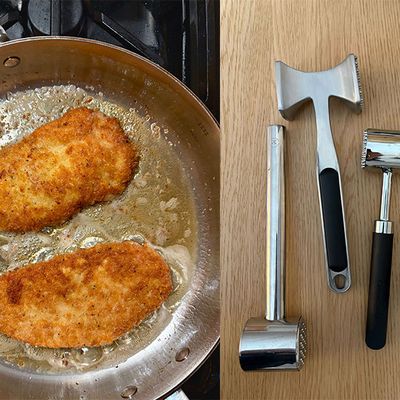
Given my job, kitchen equipment, appliances, and tools make their way in and out of my space on a regular basis. This means two things. One, very few people gift me anything in this department, understanding that I have more than I know what to do with. And two, I am extremely discerning about what gets to stick around for good.
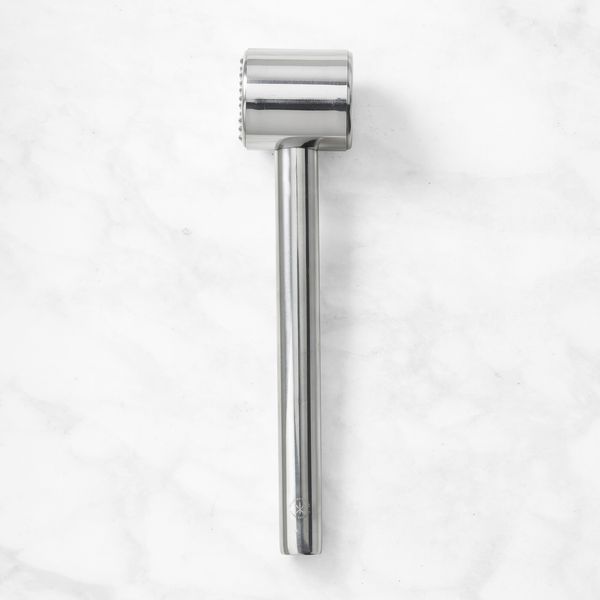
This norm was broken after I visited my family in Los Angeles this summer and used my mom’s Williams Sonoma mallet to make chicken cutlets. I commented on how great it was and, a couple of weeks later, received a package from her in the mail containing the very same model. I’ve used it many times since and have come to the conclusion that it absolutely, positively deserves a permanent spot in my kitchen.
New! You can now save this product for later.
I suppose I should say: I love cutlets. I make chicken cutlets about once every six weeks. Sometimes I do pork. Even if I’m not breading and frying, chicken paillard and chicken piccata also make semi-regular appearances for dinner.
For years, I pounded my meat with a small stainless-steel skillet or empty wine bottle. Somewhere along the way, I started pounding with a rolling pin. Sure, sometimes the meat would turn out uneven (or worse, torn), but they worked fine enough for me not to look into something better. I suppose I had to be confronted head-on with what I was missing.
A dedicated mallet is often categorized as a tenderizer, as it can also help break down fibers in tough cuts, like certain steaks, with the textured side of its head. But I’m most interested in the flat side, which produces a significantly better result than my previous stand-ins when pounding meat. The small surface means I have great control over where exactly I’m hitting, as anyone who makes cutlets knows that one side is often much thicker than the other. It’s comfortable and balanced to hold — satisfyingly weighty, but not overly so — further helping with precision.
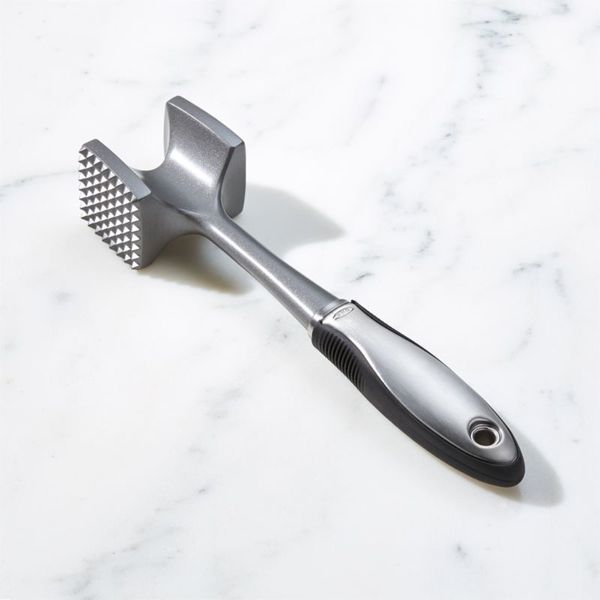
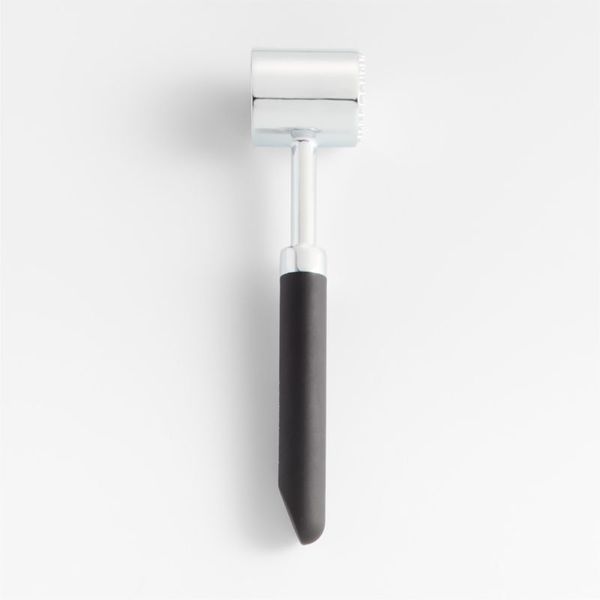
I love my Williams Sonoma model, as the rounded stainless-steel handle makes it feel especially good in my hand. But I tested a few other less-expensive ones from other reputable brands, too, just to see if all are created equal. Indeed, I found they worked very well. (The biggest downside is that the others I used have plastic components on the handle, which makes me think they won’t last quite as long, especially if you run them through the dishwasher.)
New! You can now save this product for later.
A softer handle for a comfortable grip.
New! You can now save this product for later.
A smaller round head (like the Williams Sonoma).
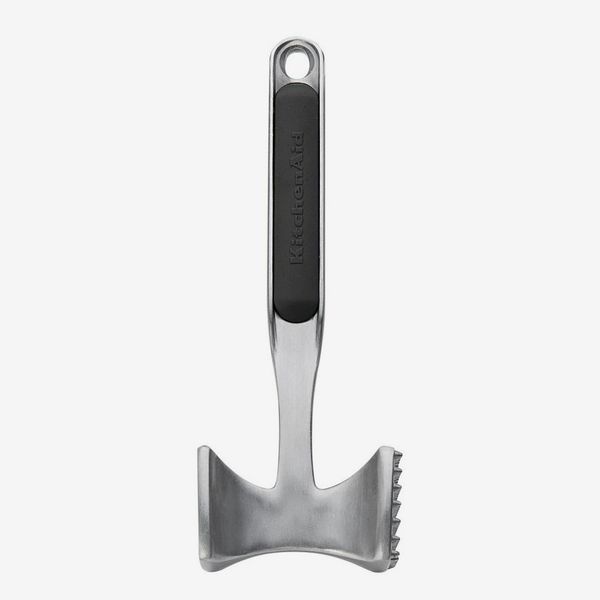
New! You can now save this product for later.
The lightest of the bunch.
A mallet can also come in handy for smashing aromatics like garlic, ginger, and lemongrass. You can use it for smashed potatoes, smashed cucumber salad, or smashed green-bean salad. You can crush ice for drinks, or break down nuts or cookies (like graham crackers) for baking. I’ve done a couple of these things since getting my mallet, and I’m sure I will do more in the future — but honestly, my cutlet habit is enough to justify the tool in and of itself.
More small kitchen tools we love
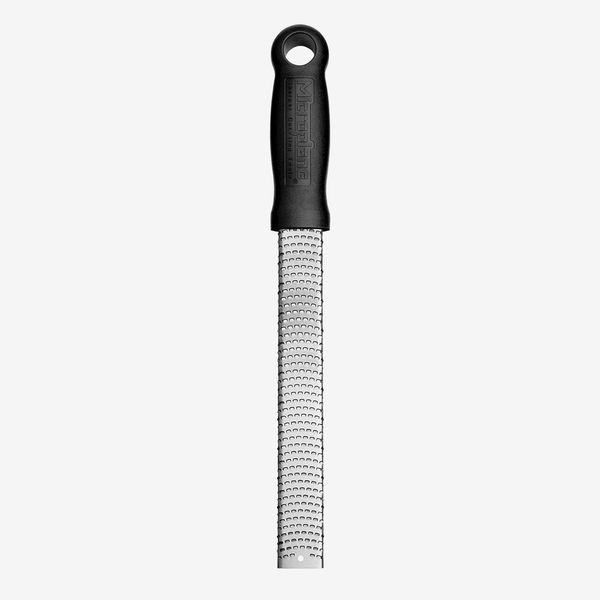
New! You can now save this product for later.
A classic microplane (might be time to replace yours if you haven’t in a while).
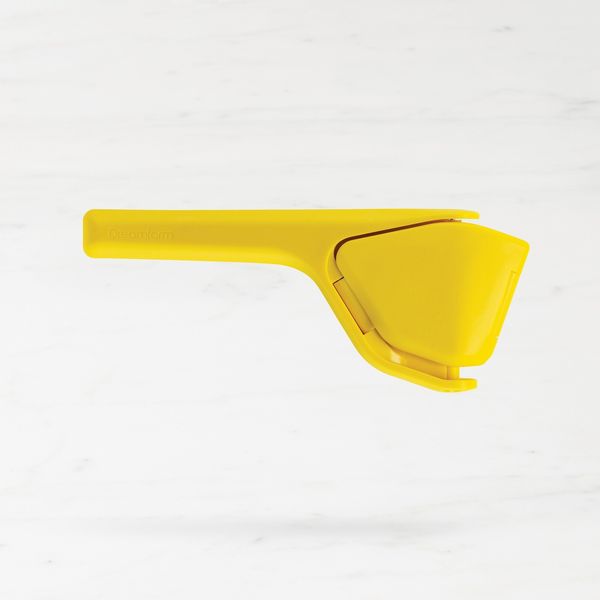
New! You can now save this product for later.
A citrus juicer with especially good leverage.

New! You can now save this product for later.
More From The Strategist
- Hark, the Advent Calendars Arrived (Very) Early This Year
- The Best Things Strategist Editors Have Bought This Year (So Far)
- 63 Things You Should Never Buy Full Price
- The Strategist Fall 100
The Strategist is designed to surface useful, expert recommendations for things to buy across the vast e-commerce landscape. Every product is independently selected by our team of editors, whom you can read about here. We update links when possible, but note that deals can expire and all prices are subject to change.