The Best Inflatable Paddleboards, According to Experts

In this article
Inflatable paddleboards are predictably appealing to people who love or want to try paddleboarding but live in small spaces or don’t have an SUV or truck to haul a ten-foot hardboard. Since the pandemic, the inflatable-paddleboard market has exploded. But with options ranging from under $200 on Amazon to over $1,000 from specialty retailers, it can be tricky to know what to buy. So I spoke to five paddleboarding experts to get their take on how to shop for an inflatable paddleboard and which brands make the best ones, including their recommendations for the very best inflatable paddleboards on the market as well as some worthwhile extras, like better pumps and paddles.
If you’re a beginner, no matter what paddleboard you end up buying, you should be sure to get some practice on the water with a lesson or a tour. All paddleboarders should also always wear a personal floatation device, a.k.a. a life jacket. Every expert I spoke to emphasized the importance of safety, and it’s crucial to make sure you know what you’re doing before you venture out.
How to choose an inflatable paddleboard
Getting the right paddleboard can make or break your experience. Much like trying to ski in poorly fitting boots, paddling with the wrong board can leave you feeling like you aren’t good at the sport when you may just have the wrong equipment.
Know how you want to use your new paddleboard
Marybeth McLaughlin, a paddling guide, content creator, and founder of Paddle Adventurer, advises centering your paddleboard search on how you intend to use it: Do you want to race, tour, do yoga on it, or just paddle around for fun at the beach? From there, she recommends considering a board’s size, volume, and weight capacity, as well as your budget, to narrow your options.
Match your board’s shape and size to your body stats and skill level
Most adults, particularly beginners, will want a paddleboard that’s between 10.5 feet and 12 feet long and at least 32 inches wide. Gina Bradley, founder of Paddle Diva, says a ten-foot, six-inch to ten-foot, ten-inch length will work for most women, while most men should look for a board between 11 feet and 11 feet, six inches long.
Width-wise, Bradley recommends a board that’s around 34 inches wide for most women and 34 to 36 inches wide for most men. But McLaughlin adds that you can also choose a width based on your skill level and how you want to use the board. “A wider board is going to be more stable,” she says. “And for a beginner, that’ll give you more confidence and make the sport more approachable and fun.” A narrower board can be faster and more efficient but also less stable. And while some shapes are better suited for different types of paddling, Bradley generally advises looking for a board with a rounded point at the nose and a flat tail.
Calculate what volume you’ll need
In paddleboarding terms, “volume” refers to the buoyancy of the board, McLaughlin says. It’s an easy beginner mistake, she says, to buy a board without considering the volume and end up with one that’s unstable and challenging to maneuver. A higher volume usually means more stability and a higher weight capacity.
One rule of thumb to determine the volume you’ll need is to double your weight in kilograms (though this can vary depending on your skill level and how you’re using the paddleboard). There are also many volume calculators online. The volume is typically listed in liters, though McLaughlin says many brands now also list a weight capacity in pounds for easy reference.
She also noted that if you want to paddle with kids and/or dogs on your board or you want to carry heavy gear, you’ll need to factor the extra weight when calculating your volume.
Expect to spend between $500 and $1,000 for a beginner board
Bradley recommends aiming to spend less than $1,000 on your first board, but that doesn’t mean you should buy the cheapest option available (more on that below). If you have more experience or want to go ahead and invest in something higher-end, you should anticipate spending around $1,000 or more. All the experts I spoke to warned me that super-cheap boards, particularly if they aren’t from a known brand, should be avoided. Even if they perform well initially, they tend to be less durable in the long run and are difficult to repair, so you’ll likely end up purchasing another one anyway. Quality brands should also offer a warranty and replacement parts, so you aren’t forced to buy a brand-new board if something goes wrong.
The best inflatable paddleboards
Red Equipment makes the best inflatable paddleboards overall
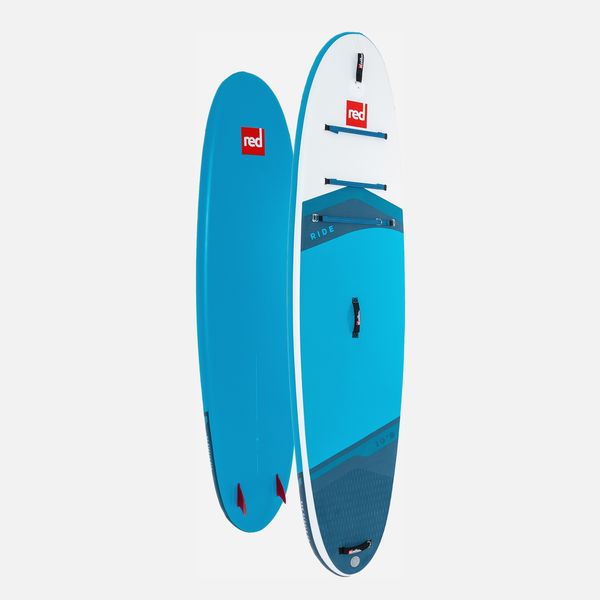
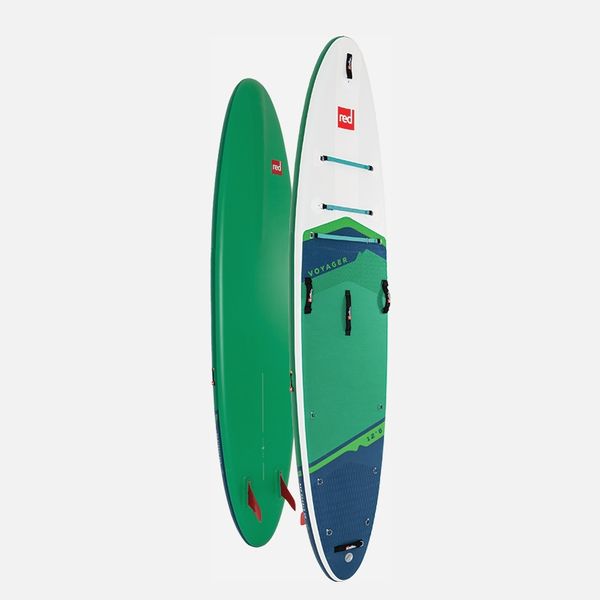
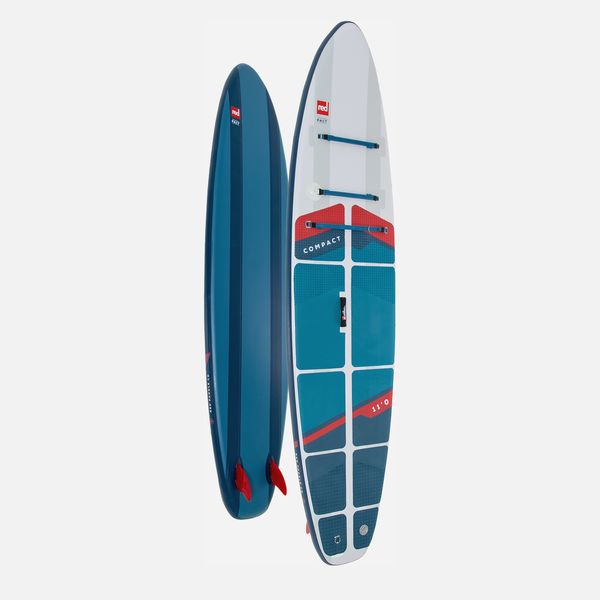
Red Equipment was the No. 1 brand recommended by experts I spoke to — the “gold standard” of inflatable paddleboards. Lynne Nagy, founder of paddling company UltraMissions and nonprofit AquaMissions, told me she uses multiple Red inflatable paddleboards for the kids’ paddling camps she runs every summer. Bradley and McLaughlin also told me Red boards are the best of the best. (McLaughlin is now an ambassador for Red, but she purchased and vouched for its boards prior to working with the brand.)
According to Susan Basu, managing partner at Manhattan Kayak Co., Red paddleboards are thinner and more rigid, and they can be inflated to a higher PSI than almost any other inflatable paddleboard, which makes them feel more similar to a hardboard. Basu also notes that Red boards have battens, which are pieces of flat polycarbonate that slide into pockets on the side of the board to help stiffen it. Finally, she likes that Red boards come with roller bags, which makes them easier to transport.
Red makes a variety of inflatable paddleboards, so you’ll need to consult your own checklist of intended use, size and stability, volume, and budget to determine which style is best for you. The brand makes a nice range of beginner-friendly boards and even has a quiz on its website to pair you with the right model.
Starboard is another good brand to consider
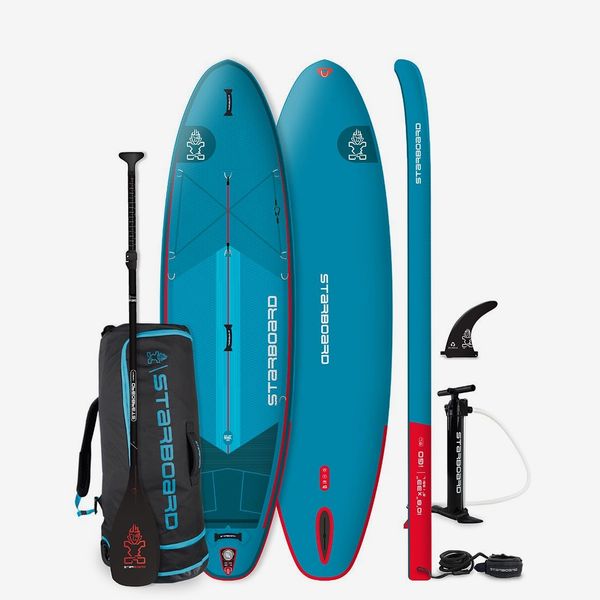
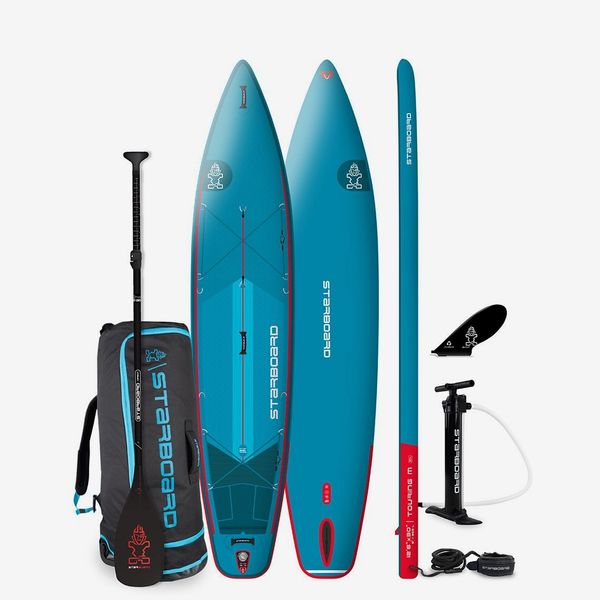
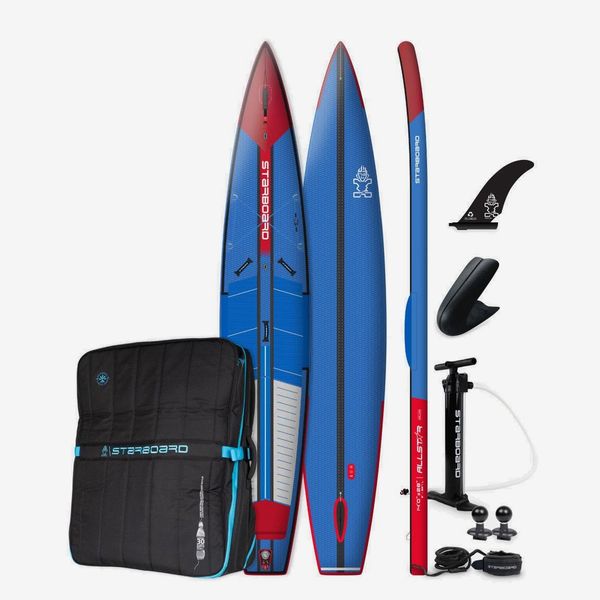
Multiple experts also mentioned Starboard as the second-best brand for inflatables. According to Eric Stiller, owner of Manhattan Kayak Co., the brand’s boards are popular for racing, but it also makes more beginner-friendly boards. Bradley told me that Starboard’s products are excellent quality and that she’s even noticed the brand’s inflatables in rental fleets.
Unlike Red Equipment, which specializes in inflatables, Starboard also makes traditional hardboard paddleboards. That’s part of why Red is seen as more top-tier — inflatables are its bread and butter (it was also one of the first inflatable-paddleboard makers). Starboard also doesn’t offer the thinner profile with a batten system that Basu praised Red’s boards for (though certain models have a somewhat similar quick-tension system). Ultimately, which brand you go with may come down to personal preference.
Starboard’s inflatable boards are generally in the same price range as the ones from Red Equipment, so be prepared to spend around $1,000 on general-purpose boards and closer to $2,000 for racing or other specialty boards. With the brand’s iGO and Touring boards, you have the option to add a kayak-conversion kit.
Pop Board Co. is a smaller paddleboard brand known for its bold designs
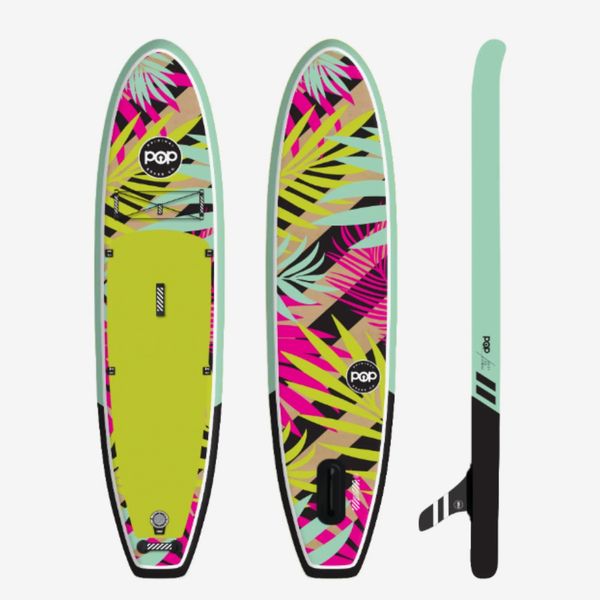
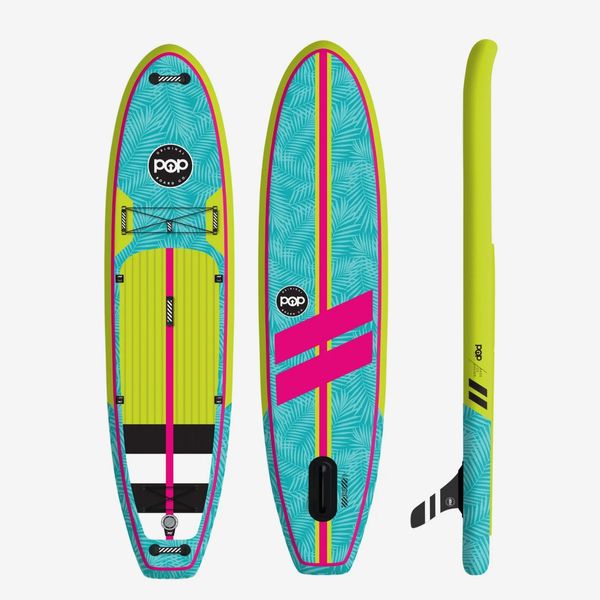
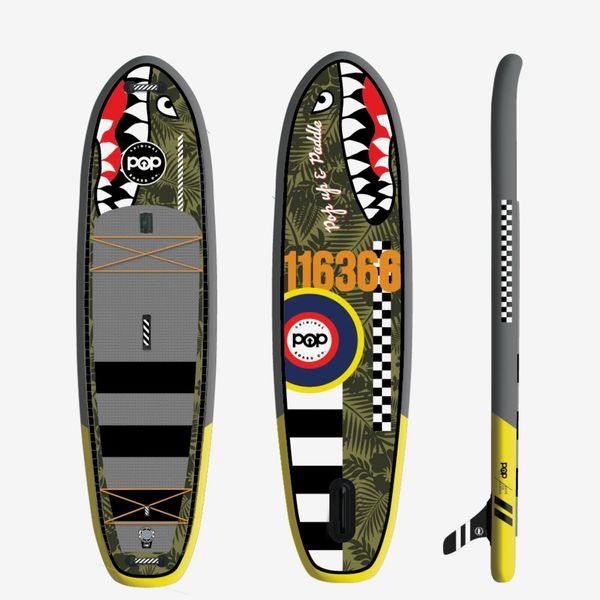
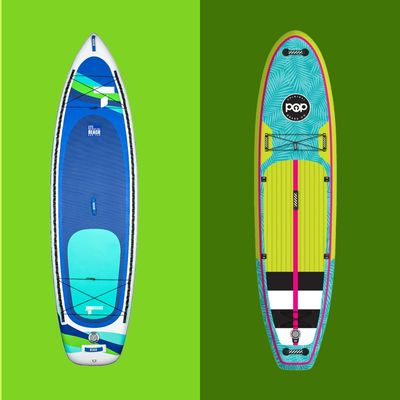
Bradley told me about Pop Board Co., which is based in California. She used to have some Pop boards in her fleet at Paddle Diva and was impressed with how they performed in the water. The brand makes a range of inflatable products, including floating docks and inflatable boats, but it has a smaller catalogue of paddleboards than some other brands on this list. Where it really stands out from the other brands is its bright, eye-catching designs. Most Pop Board Co. boards are priced under $1,000, too.
SOL makes durable specialty boards — also with bold designs
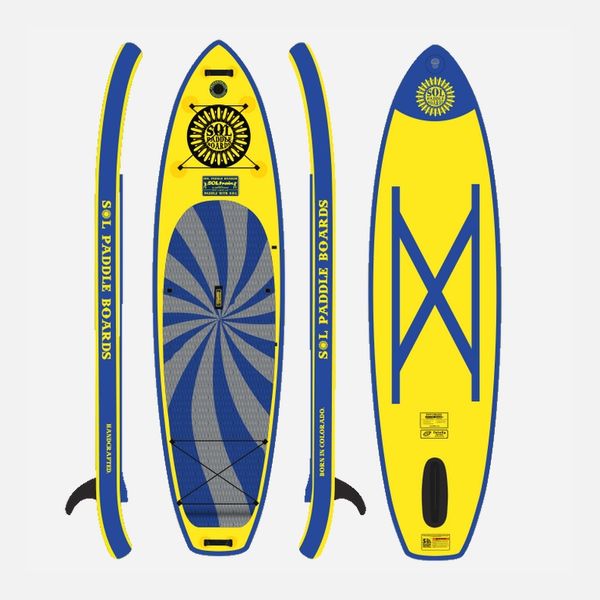
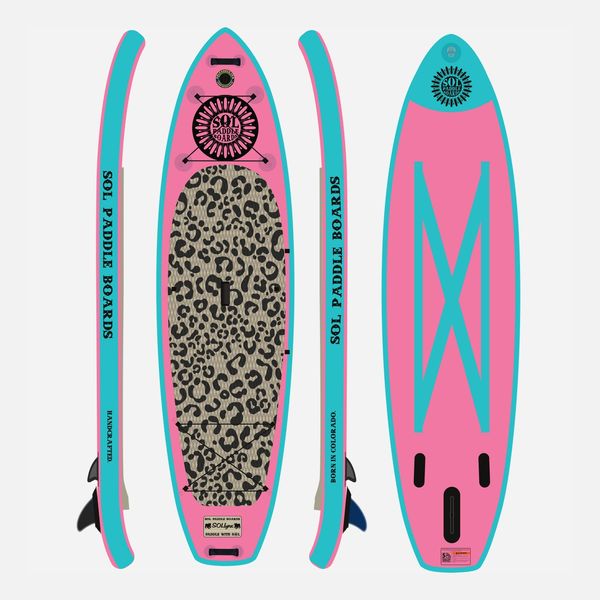
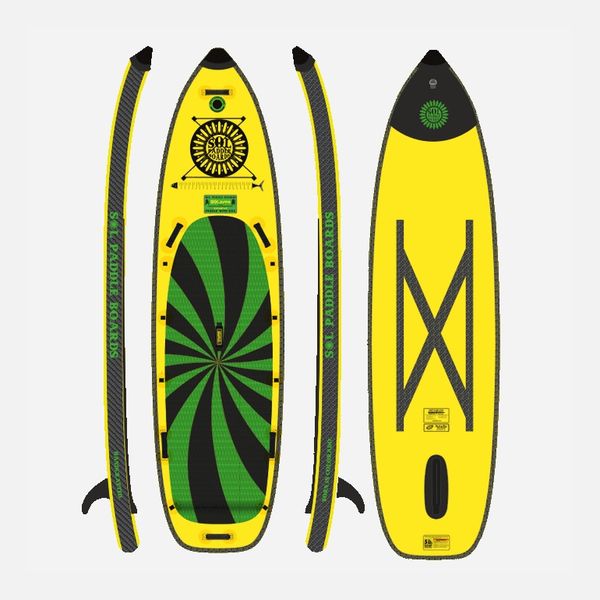
Nagy also likes SOL inflatable paddleboards, which she uses along with Red Equipment’s boards for her kids’ paddling camps. The brand is based in Telluride, Colorado, and in addition to all-around, surf, and multi-person paddleboards, SOL makes whitewater paddleboards. Nagy, who is based in Ohio and regularly paddles on Lake Erie, doesn’t have access to whitewater — but says SOL’s whitewater boards are super hardy and don’t get damaged when they hit rocks. Like the Pop Board Co. boards, SOL’s boards are fun and brightly colored; Nagy’s campers call the yellow boards “banana boats.” And on certain models, you can upgrade to SOL’s retractable-fin system, which automatically retracts the fin if the board hits a rock.
The best less expensive inflatable paddleboards
Tahe makes high-quality, more budget-friendly paddleboards
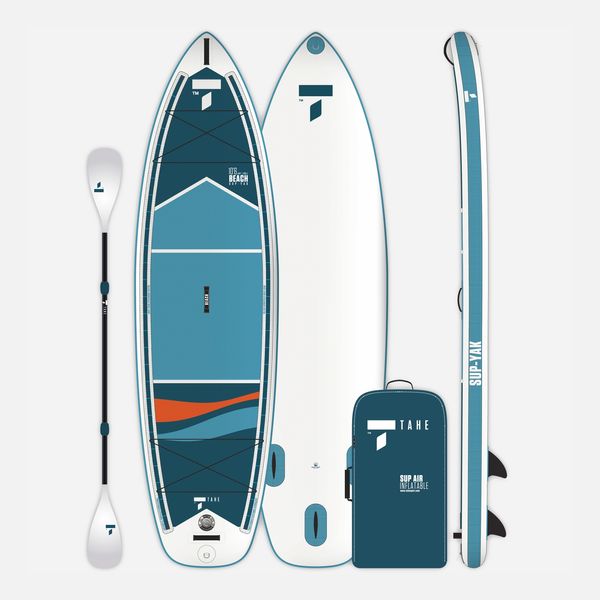
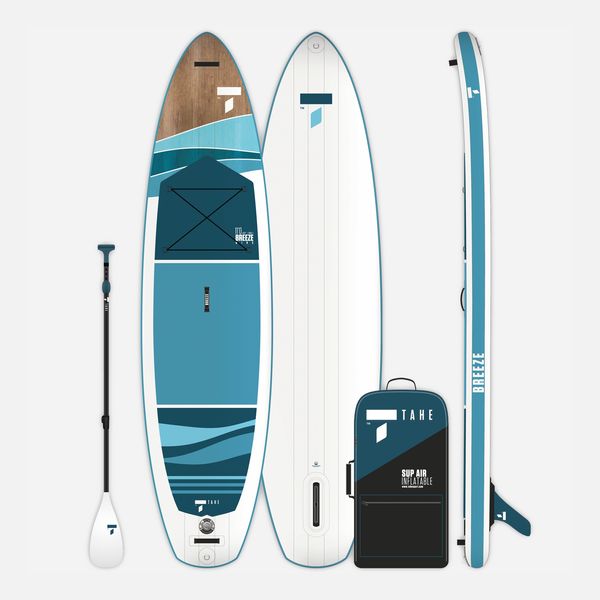
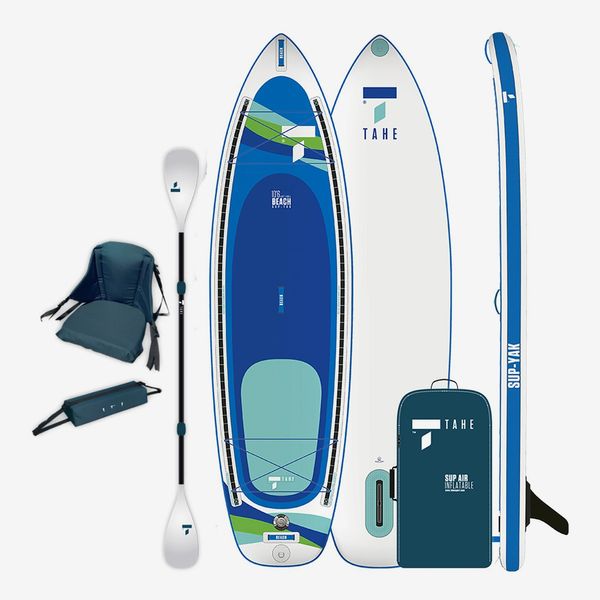
Bradley told me about Tahe, another brand that makes a wide range of water-sports products and whose inflatable paddleboards she vouches for. If you’re looking for a quality inflatable for under $1,000, Tahe’s collection of boards is worth checking out. The boards are made in France, and many of them also come with a kayak-converter kit.
iRocker also makes some budget-friendly paddleboards …
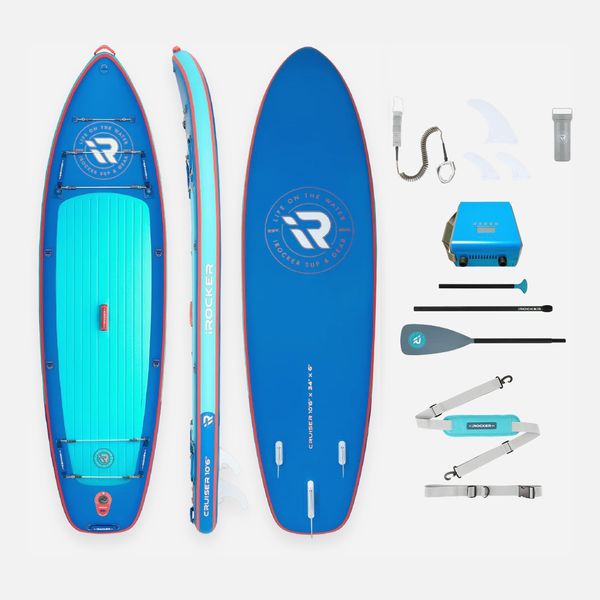
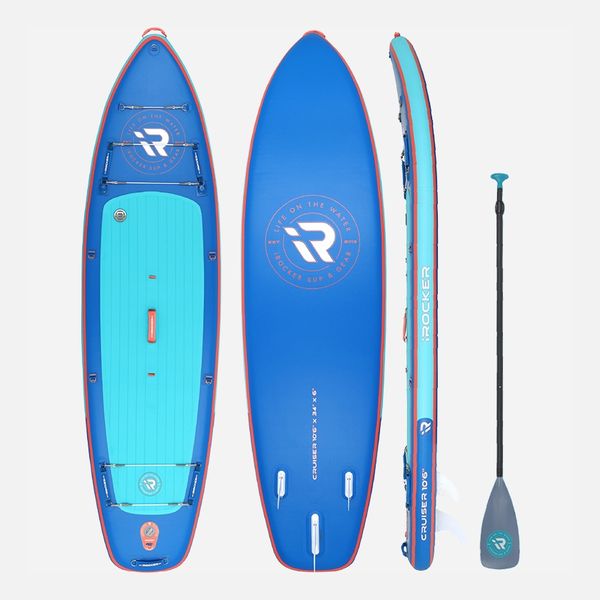

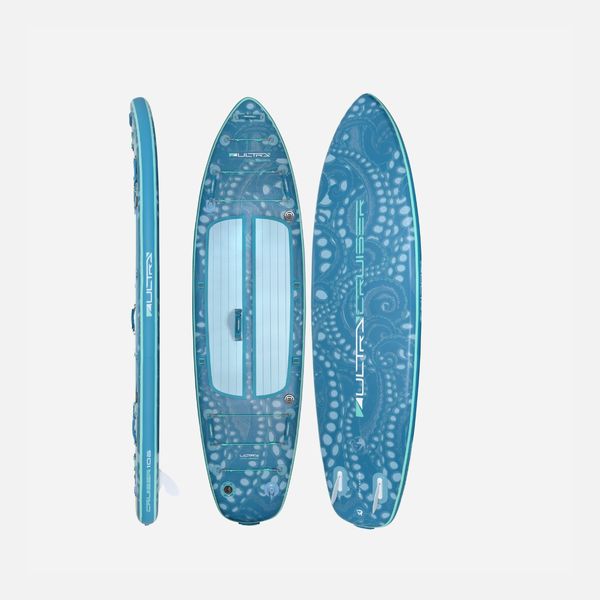
McLaughlin pointed me to iRocker as a good mid-budget option for recreational paddlers. Most of the brand’s boards are between $700 and $800, with a few larger models coming in around $1,000.
… as does Thurso Surf
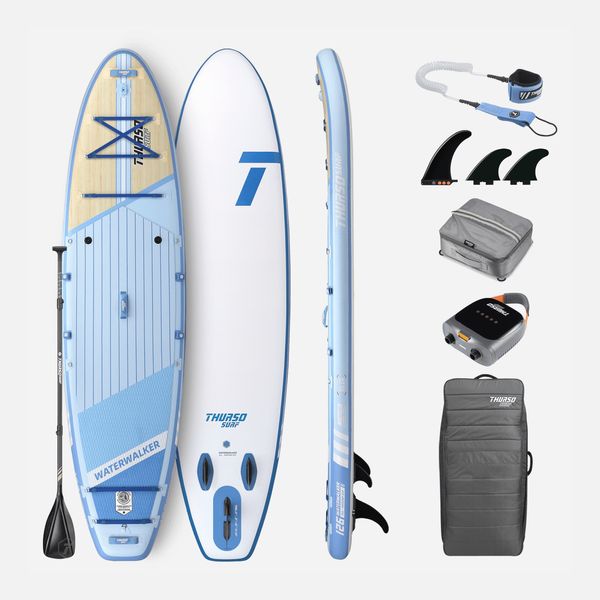
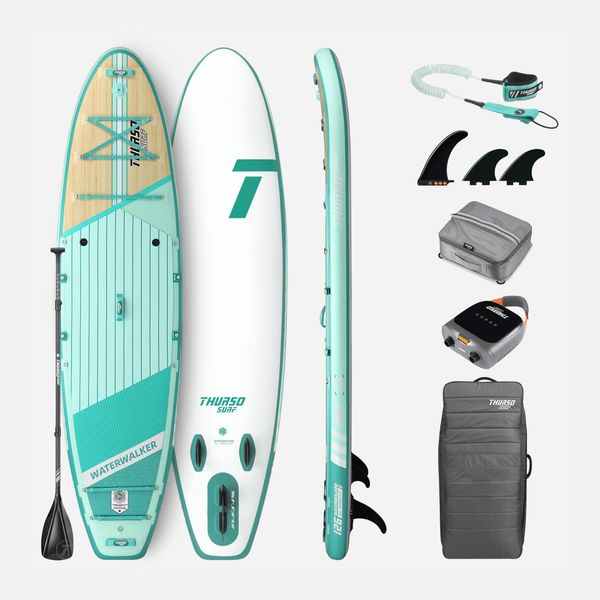

For another less expensive option, McLaughlin recommends Thurso Surf. When purchasing most paddleboards from the brand, you choose between buying just the board or buying a full kit that includes a roller bag, three-piece paddle, cooler, and electric air pump. For the board only, the brand’s all-around boards are $399–$449, and with the full kit, they’re just $599–$649. In addition to general-purpose boards, Thurso Surf also makes touring, yoga, and kids’ boards.
A note on “cheap” inflatable paddleboards
Every time I asked about budget-friendly options, the experts I spoke to warned against buying cheap boards from Amazon or big-box stores like Costco, citing a lack of durability, poor construction, worse performance on the water, and the environmental impact of purchasing boards that aren’t made to last. If you are planning to buy a cheap paddleboard — think under $300 — the recurring message I heard was, “You get what you pay for.”
Still, McLaughlin allowed that these more affordable boards can be a good entry point for some people, as long as they understand what they’re buying. If you’re shopping on Amazon or at a big-box store, McLaughlin recommends looking for boards that are made by “real” brands. Do they have a website or social-media presence? Do they actually have a customer-service team? If the answer is no, you should probably avoid them. She also recommends thoroughly reading customer reviews. And once you actually buy the board, McLaughlin says you should be extra careful with it — by rolling it with care and not dragging it on the ground — because the glue that holds the deck padding is often one of the first components to fail on a cheap board.
Note that these cheaper boards also tend to be thicker, which can make them more susceptible to wind and thus harder to navigate as well as more difficult to climb back onto if you fall off. For that reason, McLaughlin says it’s especially important to make sure you can get back on the board from the water — a good skill to practice regardless — and to always wear a personal flotation device.
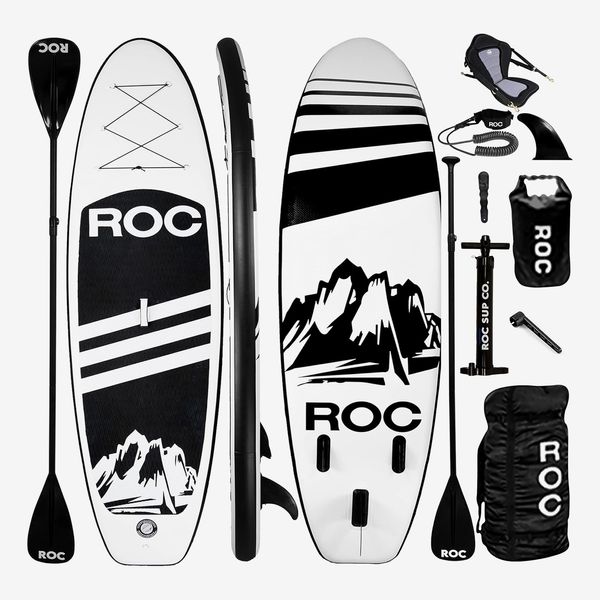
New! You can now save this product for later.
Strategist contributor Hanna Kozlowska wrote an ode to her Roc inflatable paddleboard a few years ago. She purchased it in 2021 and paddled with it everywhere from Brighton Beach to Wisconsin.
Worthwhile extras our experts recommend
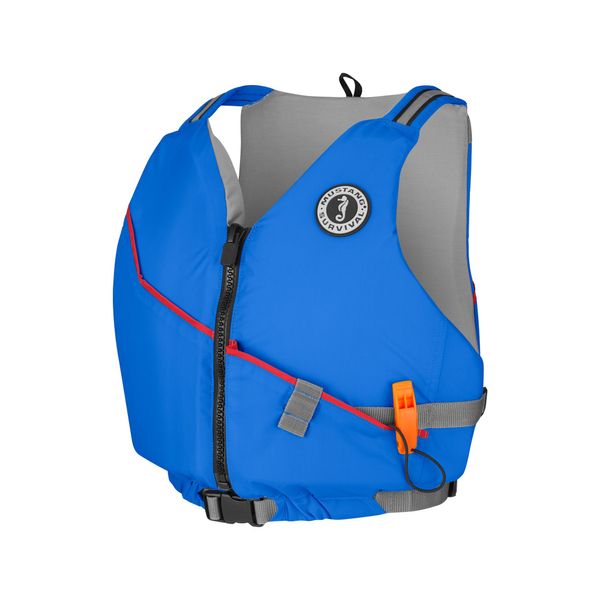
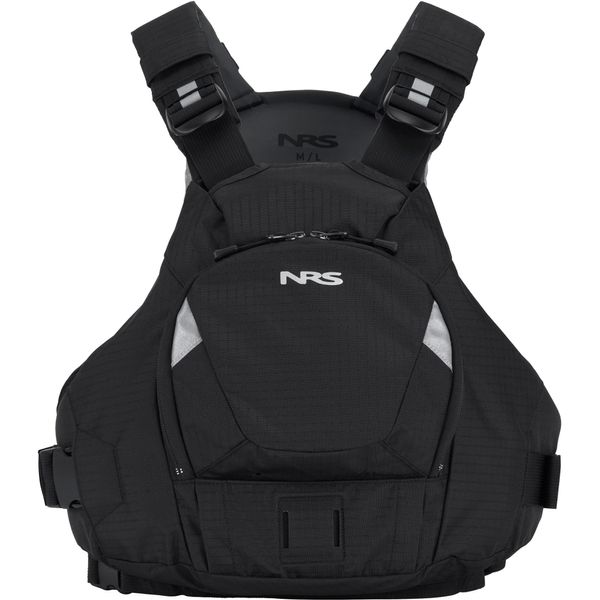
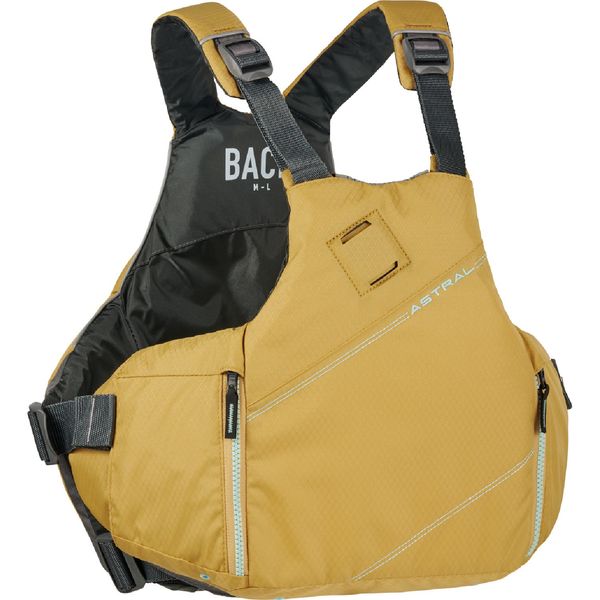
Always wear a personal flotation device
Many inflatable paddleboards will come with almost everything you need to get started, like a paddle, pump, and carrying bag. One thing you’ll need to add on your own is a PFD: personal flotation device, a.k.a. a life jacket. “I highly recommend people getting a PFD regardless if you’re a strong swimmer or not,” McLaughlin says. And depending on where you are paddling, it may be required. Wearing a PFD is a good idea any time you are on the water, but on an inflatable paddleboard — which, unlike a hardboard, could theoretically deflate — it’s especially important.
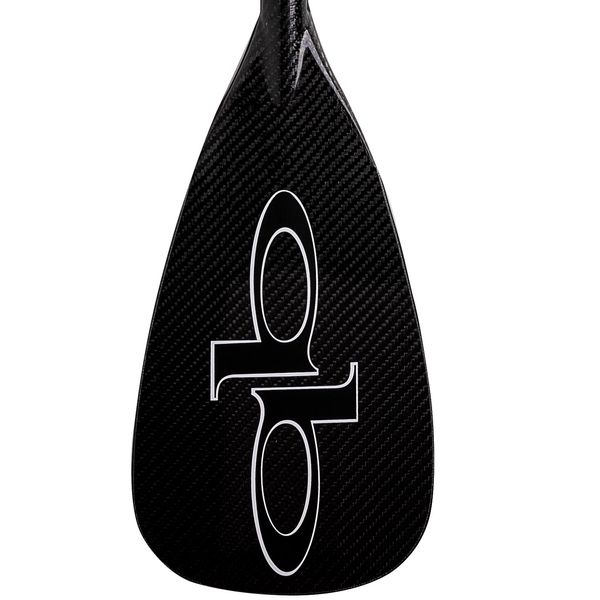
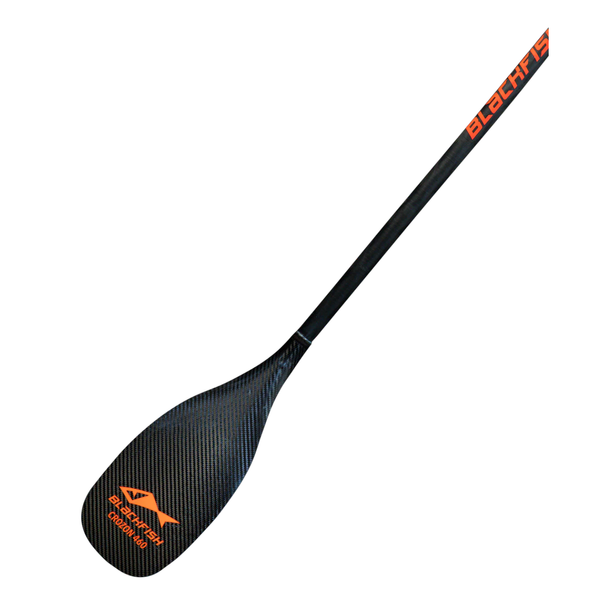
You may want to upgrade your paddle
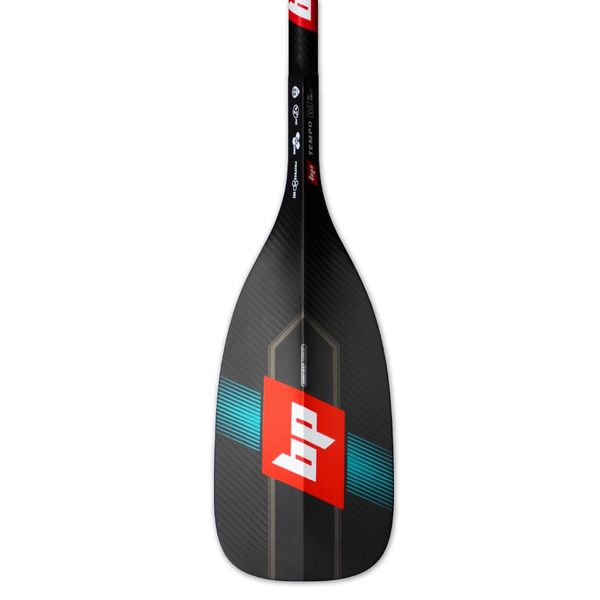
While many boards come with a basic paddle, all the experts mentioned that cheaper paddles are often heavy, and upgrading to a lighter carbon-fiber paddle can be helpful as you improve. A three-piece paddle is handy for traveling, McLaughlin says, but they can also be heavier than single-piece paddles.
Make sure you have a good pump
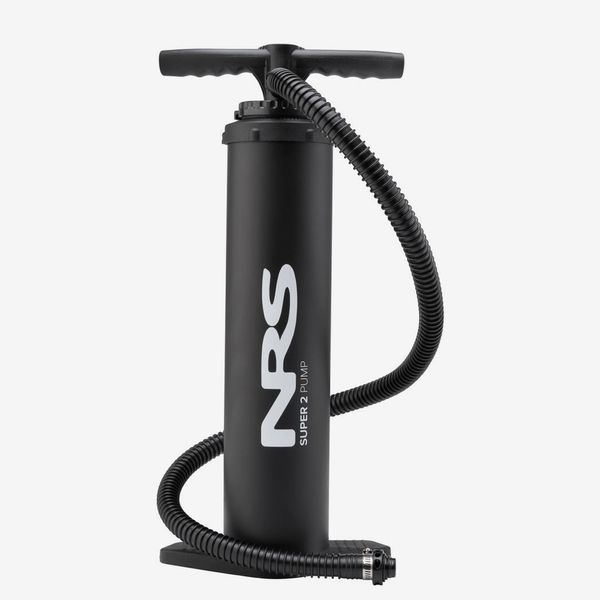
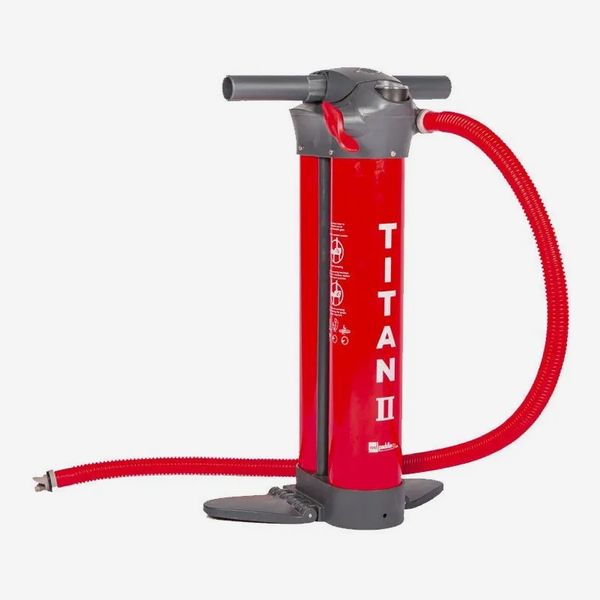
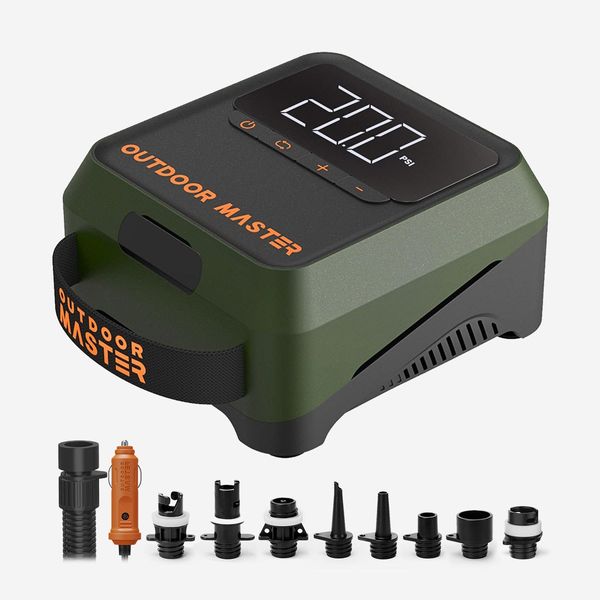
Pumping your inflatable paddleboard all the way to the recommended PSI is also extremely important. Getting to that PSI is what will make the board feel rigid and stable underneath you, so if you skimp on air pressure, you may find yourself wobbling or experience the unpleasant feeling of having the board “taco” under your feet. A double-chamber pump can be helpful, Basu says, since cheaper single-chamber pumps can become quite challenging to use as you approach max PSI. Another option, McLaughlin says, is to upgrade to a battery-powered electrical pump.
More From The Strategist
- Hark, the Advent Calendars Arrived (Very) Early This Year
- The Best Things Strategist Editors Have Bought This Year (So Far)
- 63 Things You Should Never Buy Full Price
- The Strategist Fall 100
The Strategist is designed to surface useful, expert recommendations for things to buy across the vast e-commerce landscape. Every product is independently selected by our team of editors, whom you can read about here. We update links when possible, but note that deals can expire and all prices are subject to change.