The 10 Products That Defined the Strategist
The most important moments since our launch in 2016 — and in internet shopping history.

Save this article to read it later.
Find this story in your account’s ‘Saved for Later’ section.

The year is 2016. You just added a copy of The Girl on the Train to your Amazon cart and are now three pages deep in white-ankle-sock reviews, completely paralyzed about which to buy. You finally caved and sprang for Prime, so in a miraculous feat of logistics,it’ll only take about two days to arrive. Everyone’s watching a little telekinetic girl named Eleven on Netflix, the Chainsmokers are playing this weekend, and the city is a sea of wide-leg cropped jeans and Stan Smiths. In this world, the Strategist was born as your everything guide to smartly shopping the internet.
A guide really was essential at this point because for the first time, you could buy a bed in a box — just like that! Delivered to your door. But how would you know if it was any good? Then every brand decided to be a disruptor by turning our eyebrows into Boy Brows and selling white T-shirts at whatever price you chose. Still, you couldn’t see or touch a product until you bought it, so you needed someone to tell you if it was all actually worth it.
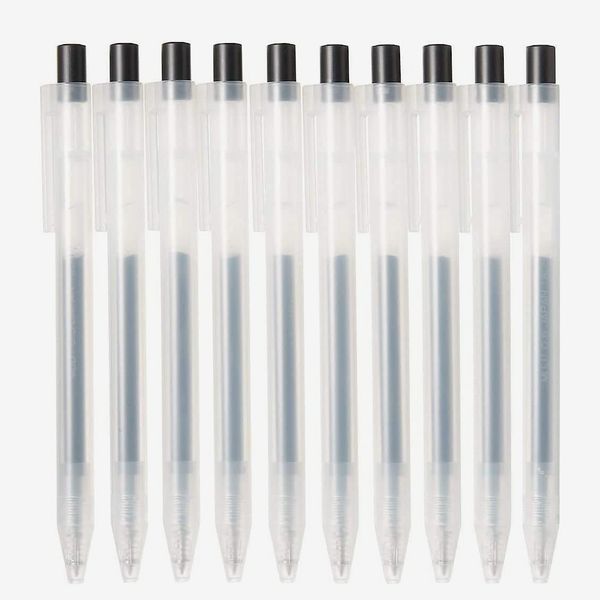
We thought, Why not take the obsessiveness and mischievousness at the heart of New York Magazine’s years of service journalism and apply that to the Wild West of online shopping? Why not assign actual serious journalists to find out what’s the status soap of the moment or to test 100 pens? Why not commission our favorite writers to tell us about the “products they would do an unpaid infomercial for, but we’d actually pay you” (which was in the email our editors used to send potential contributors)? The early Strategist was filled with tone poems from Molly Young about the shampoo replacement that changed her life and Stephanie Danler on the wonders of Skin Food. It was the precursor to the Strategist of today in which Mary H.K. Choi writes about her desperate hunt to replace a discontinued eyeliner and a staff of several dozen writers and editors have become characters in our readers’ daily lives.
In 2016, discount shopping was still an in-person sport where people left their Thanksgivings early to score a $200 60-inch flat-screen at Best Buy — even if it meant causing bodily harm to other customers. For the past ten years, we’ve published weekly Friday sales roundups and daily Deals of the Day while Black Friday transformed into a fully virtual Cyber Week, Prime Day evolved into a twice-a-year affair, and every brand seemed to commit to a perpetual online sales bin. Price-tracking tools like CamelCamelCamel have gone from an insider trick of the trade to a mainstream shopping hack. Now everyone is what we’ve always affectionately called a deals freak. To keep up, we’ve gotten even better at our deals scouting, covering dozens of discounted items per day in micro-sales and launching a dedicated daily newsletter with even more.
Today, you can’t click on anything on the internet without hitting an affiliate link. With TikTok Shop, shopping-specific Substacks, hordes of influencers, rabbit-hole Reddit threads, and endless scrolls of Temu and Shein, each time you open your phone, someone is trying to sell you something, and there is more to choose from than ever. And here we are, still recommending you use a yacht step as a step stool.
To celebrate these past ten years, we’ve decided on the top-ten products that have defined the Strategist — our Strategist canon — each one chosen because it represents an important moment for our site but also an important moment in online-shopping history, which for us go hand in hand.
The Japanese nail clipper you suddenly didn’t need to go to Japan to buy
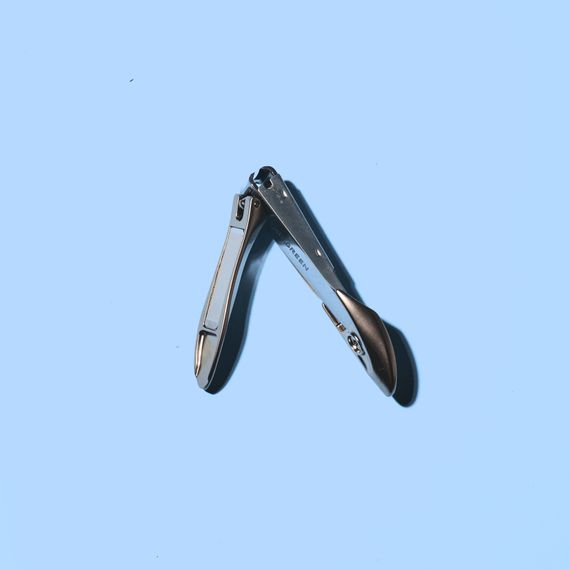
A decade ago, with 1,700 yen to blow at the Narita airport, Jason Chen, the former Strategist deputy editor who became a Wirecutter editor in 2019, picked up a pair of Green Bell nail clippers. “The Green Bell slices through nails like a Santoku through a tomato. Makes sense, given that they were made in Seki, the city famed throughout Japan for creating Samurai swords,” he wrote. “The Japanese clippers, as you’d expect from a country that’s always elevated the mundane with powerful design, have a pleasing frosted-Champagne finish and the serious weight of a small stapler.” What was perhaps less expected was the fact that no flight to Tokyo was required to pick up a pair — they were already available on Amazon. “I was super surprised,” says Chen. “I thought they were a Japan-only thing.”
While that discovery might not seem very exciting now, back then, there was a certain rush to finding international products online for the first time. Items you once had to beg your friend to bring back in their carry-on — French moisturizers, Korean sunscreens, Japanese notebooks — were now available to ship from halfway across the world. Chen also discovered a windproof, lopsided Dutch umbrella in Amsterdam that is almost impossible to blow inside out. Then our global finds kept coming. A nifty collapsible Midori pen, tubes of Biafine and Homeoplasmine and A313, our beloved Hobonichi Techo. That little thrill of discovery was like wandering the aisles of a grocery store or beauty-supply shop abroad, and adding a bottle of Nuxe’s dry oil to your late-night toilet-paper order made you feel like a citizen of the world. It also made all of us realize just how small the world was becoming.
“Ten years later, I’m still a devotee,” adds Chen of his nail clippers. “I have three of them now: one in each bathroom and another for my travel dopp.” Because traveling is still fun (even if you don’t need to schlep souvenirs back anymore). —Dominique Pariso, Strategist senior writer
The YogaToes that really are incredible

There is something truly bizarre, a little unsettling even, about an item ending up on this list because my grandma once had two toes amputated. But sometimes life is just like that. You never really know what’s coming — or what exactly you might need to deal with it — until it’s right in front of you.
That’s how it was with my YogaToes, the squishy, ladderlike toe separators that I’d put on at the end of most days in an effort to avoid bunions (a lifelong fear), hammertoes (the ailment behind those amputations), and really any and all podiatric-related issues. I learned about them from my mom, who, the story goes, had one vice — buying shoes — until she gave it all up for comfort and surgery-free feet. The trait was inherited.
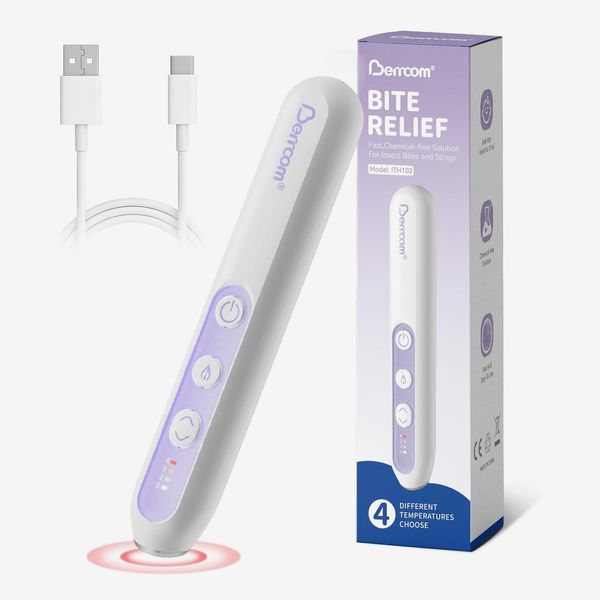
I guess I felt comfortable talking about this in my place of work because the Strategist has always respected — revered, really — the unquantifiable doodad. The little unexpected things that come out of nowhere and change your life. Everyone here realized that a lot of other people are probably suffering through your highly particular neuroses, too. (I’ve since learned Kelly Rowland and Simon Rex also can’t live without toe separators). But it’s not just that. There’s a twofold appeal to reading about a doodad: Half of it is about how you learned of the thing (an opera singer’s neck stretcher, Ike Barinholtz’s instant coffee), and the other half is that it ever existed in the first place (AirPod condoms). It’s the TubShroom, the bendy piece of foam that’s actually the best phone stand, a foot sling for planes, a neck hammock for headaches, a doohickey to get rid of chin hairs, and a different doohickey to get rid of mosquito bites. The site has become a compendium of the most useless useful stuff. The not-too-expensive little things that really are incredible. I mean, how else would you ever know they existed?
It wasn’t about how many hours I tested this little jellyish, aqua-blue toe-stretcher or how many scientific studies proved its worth. It was about how it made me feel — both my toes and my mind. The funny thing is that ten years later, my mom now works at a podiatrist’s office, I left and then returned to the Strategist, and we’ve all still got YogaToes in our nightstand drawers. —Lauren Levy, lead editor
The underwear celebrities would’ve never told us about themselves … until they did
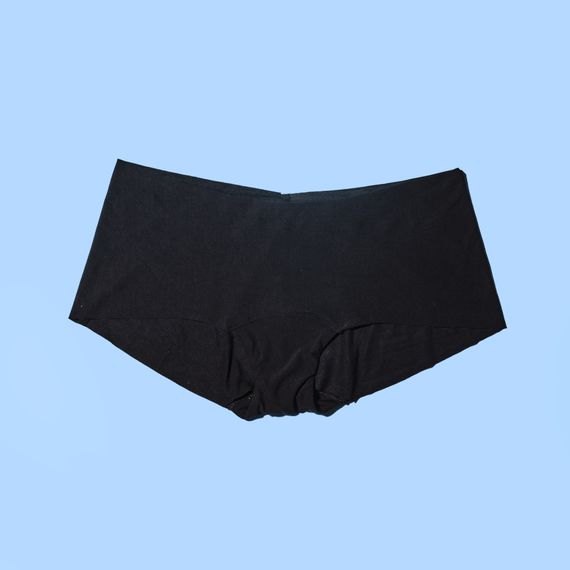
In December 2016, I sent a cold email pitch to a website that had existed for about six weeks. I randomly stumbled across it while frantically shopping for a high-quality pair of nail clippers (the above) and knew I’d met my match. That first pitch had three ideas: socks with deliberate holes in them, the velvet hangers that saved my closet, and the underwear I bought for both myself and the actors I dress as a wardrobe stylist for film and television — Commando’s revolutionary no-seam, no-show, buttery-soft underwear. I’ve been here yapping about the life-changing products I’ve stumbled across ever since.
Launched in 2005, Commando’s signature “no VPL” underpants were the solution to a historically grim situation: For years, the only way to not have your skivvies show under tight-fitting clothes was to submit to the torture of a thong. How do I know this? I was boots on the red carpet, giving actors a choice between butt floss and, well, going commando under a premiere gown.
Seamless undergarments are everywhere now, but something easy to lose sight of in the sea of blatant copies and AI-generated recommendations is that Commando really did invent the category. To quote the brand’s founder, Kerry O’Brien, “When people told me that my vision for my first product, underwear without elastic or trim, wasn’t achievable, I didn’t believe them.”
My seamless-underwear article was only the beginning: The Strategist has since become the internet’s go-toplace to talk about your underthings. We’ve run the underwear gamut around here, seeking out the very best all-cotton non-granny panties, workout undies, non-shapewear shapewear, and period underwear. Over the years, it’s even become a safe space for a few brave celebrities to share their undergarments with us — like June Squibb and Joanna Goddard’s favorite Jockeys and Lucas Gage’s beloved J.Crew boxer briefs.
But it’s not just underthings — the Strategist invited in the behind-the-scenes experts no one usually talks to to gab about the stuff nobody ever talks about. Wardrobe stylists like me, makeup artists on their low-key drugstore buys, executive assistants on their bosses’ wildest asks, and retail employees on what’s really going on at Anthropologie. One by one, they’ve shared their particular industry’s most useful tips and tricks, insider information, and secrets you’d otherwise never know.
Ten years on, the Strategist has endured because (yes, I’m waving my Strategist foam finger in the air here) the collected experts, writers, and editors are out here doing the dang work. We wear the underwear, find the right sources, and stick our nose in other people’s business. Here’s to ten more years! —Alison Freer, contributing writer
The fugly shoes we’ve walked 10,000 miles in
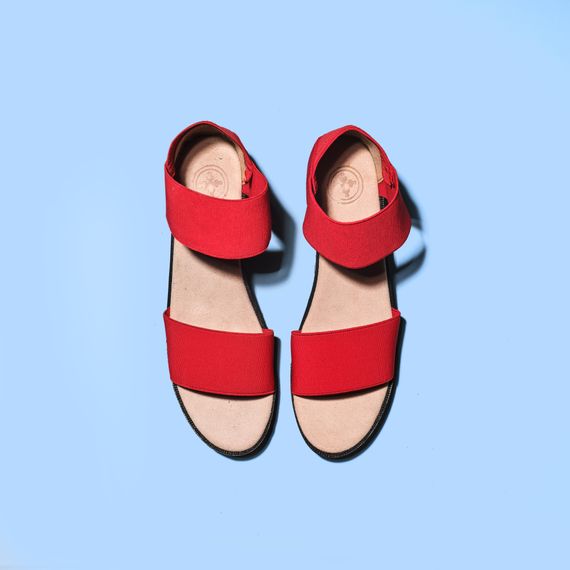
Long before there was the “freaky shoe” phenomenon and 10,000-step shoe testing on TikTok, there was what we now refer to as the Strategist Fugly Shoe. The Fugly Shoe is the faccia brutta of footwear — orthopedic-y by design but beautiful in its own way. Beloved not just because it looks cool but because it supports your fallen arches and bad ankles.
The first humble pair to grace the site was Merrell Hambleton’s Charleston Shoe Co. Monterey Sandals. “Walk in them. Run in them. Never take a cab again in them — they really do feel like sneakers. You will get compliments on these shoes, and the compliments will be from well-dressed strangers,” she wrote. Apparently, our readers were sold because the South Carolina–based shop later shared that it made $40,000 selling these grannyish sandals on both the Saturday and Sunday after the article appeared.
“I’ll never forget that morning. We all arrived at work only to discover that our website had crashed from an overwhelming amount of traffic,” says Charleston Shoe Co. founder Neely Woodson Powell. “That turned into the biggest day of online sales we’d ever had at that point in our company’s history. We still talk about it all the time.”
One month after came Stephanie Danler’s Danskos. Danler opened her ode thusly: “Two notes about loving ugly things: (1) What is ugly is usually functional, and function is a virtue. (2) You’ll have to repeat that to yourself often because your prettier, richer, more stylish, less functionally minded friends will never stop ridiculing the ugly objects you cherish most.” Danler bought her first pair of Dansko clogs — technically medical shoes initially worn by nurses and doctors before becoming a fixture in professional kitchens — at 15 for a restaurant job, and by now, even Zendaya owns a pair. When I reached out to see if Danler was still a die-hard fan, she told me, “I am not a fair-weather Dansko wearer. The same thing happened with my Tevas, which I have been wearing since high school in Boulder, Colorado. I wore them through the ugly years. Then they were cool again. My fugly shoes and I will live through another few cycles of that.”
There have been many, many more fugly shoes in the years since: Mary-Kate Olsen’s delicately strappy Tevas, Sandy Liang’s bridal Merrells, the Calzuro clogs favored by Italian surgeons, Arcopedico’s woven sock-shoe beloved by both the super-fashionable Misty White Sidell and Portuguese grandmothers.
“I think Strategist readers are, generally speaking, anti-trend. Part of the ethos is testifying on behalf of a product or object that is not cool, per se, but is exceptional,” Danler says. “It gets you off the hamster wheel of Instagram fashion and into cooler, weirder, more personal territory. I don’t care that all the influencer girls are wearing Havaianas. It’s more like, Have you seen Oofos?” —D.P.
Snail mucin from the Google Doc (you know the one)
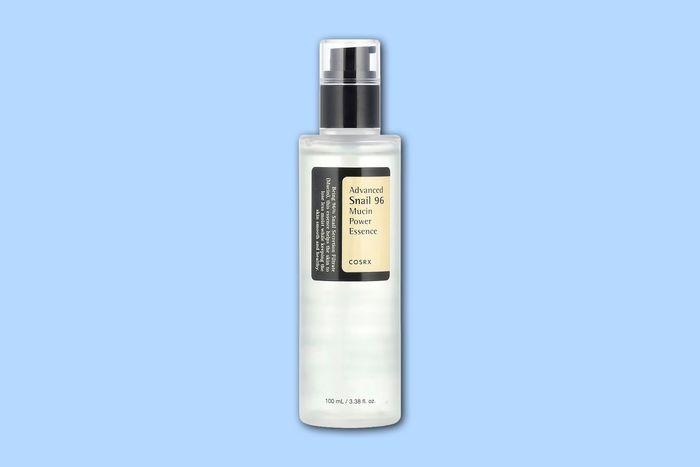
Like so many Strategist articles, the original Google Doc was born out of personal obsession — one I really thought only my closest friends would find interesting. At the time, I was going through an especially difficult period with my skin: unrelenting cystic, hormonal acne. So I found myself exploring every fix I could find. I went down a deep skin-care rabbit hole and, in the process, became a serious fan of K-beauty. At that time, 2016, the category was really only known among hardcore skin-care and beauty obsessives.
I don’t remember exactly how I discovered CosRx Snail Mucin, though I suspect I found it at my favorite beauty store, Senti Senti in Chinatown. What I do remember is being immediately struck by how beautiful the formula was. It was the first product I’d ever used that seemed to address the many contradictory demands of my finicky, dry, acne-prone skin. I honestly couldn’t tell you how many bottles of snail mucin I’ve gone through over the years.
I compiled everything into what eventually became a master Google Doc of the 16 products that improved my acne — obviously including the snail mucin — and passed it around to my friends simply because it was easier to have it in one place, rather than explaining the whole process over and over.
Somehow, the doc made its way to Katy Schneider, who’s still an editor at New York Magazine (I love you, Katy!), and she asked if I would be interested in adapting it for publication on the Strategist.
It felt truly insane to have something I made out of pure, genuine curiosity and obsession be taken seriously by someone else. The first time someone came up to me to say they’d loved the article, I was standing outside the restaurant Lovely Day on Elizabeth and Spring. I could hardly believe it. People still bring it up to me, and it never stops feeling both surreal and very touching.
Before I started writing for the Strategist, I knew how much I loved skin care, but my experience here showed me just how rewarding it was to help people navigate beauty and, more important, make them feel seen and understood. Having struggled with acne for most of my life, I understood firsthand how overwhelming it could be. I wanted to be the person who could make that experience feel a little less daunting and maybe even a little less lonely.
I’m not exaggerating when I say that one article kind of dictated the course of my career. In the nineish years since, I’ve become a licensed esthetician and started working one-on-one with clients through my skin-care consultation practice. I’ve published a book, Let’s Face It: Secrets of a Skincare Obsessive, and I’ve also had the privilege of consulting with brands on product development and storytelling.
None of this would have been possible without the Strategist taking a chance on a random skin-care-stuffed Google Doc. How has it been ten years? —Rio Viera-Newton, contributing writer
The Amazon Coat that took over the Upper East Side — and then the world
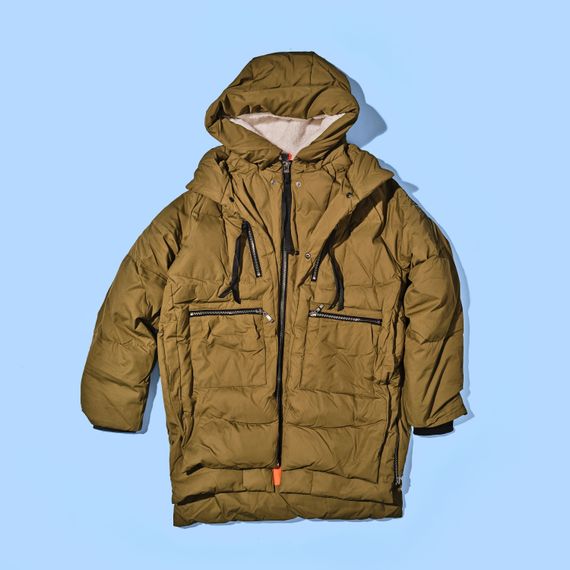
In thewinter of 2018, every woman on the Upper East Side started wearing an unassuming olive-green coat. It was cheap, made by an unknown Chinese brand called Orolay, and, by March of that year, installed in online-shopping history as “the Amazon Coat” (our full oral history on the saga is coming tomorrow).
Like all great legends, its origin is shrouded in mystery. No one knows exactly who bought the first Orolay coat, but by the time it caught the attention of Schneider, then the Strategist’s associate editor, it was all over town. “The coat’s appeal lies in its fashionable-yet-accessible, lightly directional look … and its startling price — the super-stylish women who own it take pleasure in telling curious onlookers that no, their jacket is not Sacai, and, actually, it costs under $100, including shipping if you’re an Amazon Prime member,” wrote Schneider. It had spread the old-fashioned way — by word of mouth among sharply dressed uptown women who saw their friend wearing it, then bought one, then told their friend, who bought one, too, and so on and so on, until uptown sidewalks were a sea of Army green.
Of course, once we published our story, the coat went from an if-you-know-you-know status symbol to a now-everyone-knows viral item. It broke containment from the Upper East Side, to the point that you couldn’t walk down the street or take the subway anywhere without seeing one. Nowadays, products go viral all the time — all it really takes is a single TikTok video or trend piece to catch on before everyone is suddenly wearing the same thing — but at the time, the Amazon Coat was one of the first. Thousands of people bought it, it was covered by countless publications, and it even inspired its own very popular Instagram account.
Of course, the life cycle of any viral product ends the same way: Once everyone has it, no one really wants it anymore. And while the Amazon coat is mostly relegated to the back of people’s closets now, you still see the odd one in the wild every winter. It really is quite warm. —D.P.
The rise and fall of a status plant

“The fiddle-leaf fig has taken us all on a wild ride,” wrote former Strategist staffer (and plant dad) David Notis, despite it being “like the avocado toast of house plants.” He went on to chart its rise: “It went from West Elm catalogue cameos, to boutique-y plant shops like the Sill, to basically being sold out everywhere (even though you could maybe still find one in a matte-white ceramic pot if you were willing to pay $250).”
This ficus became a calling card of the millennial aesthetic, but there were other signifiers: Casper mattresses, Everlane alpaca crew sweaters, terrazzo planters, boob bath mats, Outdoor Voices cloud pants, Veja sneakers, pink velvet chairs with brass legs, Areaware, Coming Soon, Glossier Boy Brow, Boy Smells candles. Bold Helvetica. In the mid-to-late 2010s, this collection of things became the entire cultural moment, the personality of millions. It was an era as much defined by the direct-to-consumer brands that promised to change the world (or at least offer it transparent pricing) as by any actual taste, but we were there to tell you which pair of Everlane high-waisted pants were worth it and which Baggu bag would make the best gift.
After buying his first fiddle-leaf fig, “I was mostly just curious if it would actually work on a logistical level — like if I press this button, is Amazon really going to deliver a plant in a box to my apartment? Really?” says Notis. “Sitting here in 2026, it’s interesting to think about how surreal it felt at the time and how normal it feels now.”
So much else has changed too. Now, Glossier is sold at Sephora, Allbirds has pivoted to AI, and who knows what’s going on withEverlane after selling its soul to Shein. The death of DTC, like the death of millennial optimism, was probably inevitable, propped up by venture capital and cheap advertising that eventually ran dry. But our fiddle-leaf figs, carefully tended over the years, continue to reach toward the light. —D.P.
Amy Sedaris’s pink paper towels
Amy Sedaris’s Greenwich Village apartment is the stuff of legends. When we visited back in 2019, it was packed to the gills with all manner of stuff, including two boxes of googly eyes (“one fancy, one not”), 13 bottles of Comme des Garçons’ Avignon perfume (“just in case they ever stop making it”), and Il Bisonte leather wallets (“my go-to gift for straight and gay guys”), along with 47 other treasures we catalogued — all of which were carefully and relentlessly collected with Sedaris’s extremely keen eye.
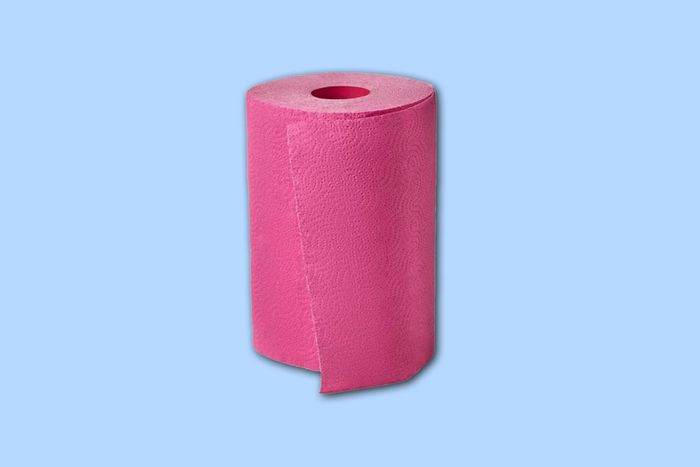
In many ways, Sedaris is a bit like the Strategist’s fairy godmother. “Since we launched the Strategist, Amy Sedaris has always been one of our North Stars in terms of someone who embodies the obsessiveness, sense of humor, and exquisite taste that we’re always striving for,” wrote New York Magazine deputy editor Alexis Swerdloff. While we’ve interviewed plenty of celebrities, New York legends, and cool people over the years, none have been baked into the blueprint of the site quite like Amy. During the 2023 holiday season, she graced the site as our deputized gift columnist, counseling somebody to give their wicked stepmother a mushroom-growing log. The following year, she provided another 104 inspired ideas, and her semiannual guest spot has become our favorite Yuletide tradition. So to represent her status as the Strategist’s patron saint, we are including her favorite fuchsia paper towels.Because while everyday life demands buying necessities — even in an apartment as fantastical as Sedaris’s, the kitchen counters still need wiping down — those essentials need not be boring.
When we reached out to Sedaris to revisit the pink paper towels, this is what she had to say: “My brother David turned me on to these Renova paper towels. He would buy them in England at Waitrose grocery store and, like a mule, bring them back to me. They make a terrific gift.” She is the expert, after all. —D.P.
The card game that taught us how to play together again
Being a shopping editor in 2020 would not get your name on any essential-workers lists. But writing about internet shopping when internet shopping was suddenly the only kind of safe shopping a person could do did make it feel a lot more urgent. Thus began the Strategist’s Great Pandemic Pivot.
First, we explained the difference between an N95 and a KN95, tested close to a hundred fabric face masks, and figured out the best masks for kids. Then, as Amazon and other retailers failed to keep up with the demands of the housebound hordes, we tracked down in-stock toilet paper from unlikely sources and found impossible-to-find essentials such as diapers, hand sanitizer, and pet supplies. After that, we directed our efforts toward things that weren’t exactly essential but helped pass the time, including flour for fledging sourdough starters, ankle weights, puzzles, bikes, and, for one memorable summer, inflatable backyard pools and roller skates. We wrote guides on how to do things for ourselves: install a window air conditioner, cut hair, tint brows, groom your dog, groom your husband, do an at-home eye exam, self-monitor a pregnancy, wax, give a tattoo, give a manicure,remove a manicure, and grow a coronavirus victory garden. We asked event planners how to throw weddings and bar mitzvahs and board-game nights and Mother’s Day brunches over Zoom. We figured out how to work out at home and how to work from home, how to protest safely, how to bundle up in unheated dining sheds, where to buy heated furniture for midwinter social-distanced hangs. Our readers bought fancy canned fish and mask chains and comfortable pull-on pants and board games — so many board games.
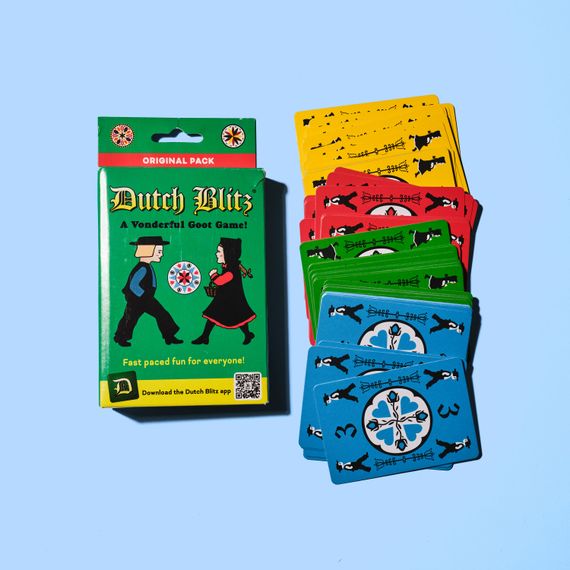
Even when we started to inch our way back into civilization from our carefully tended quarantine dens, some pandemic habits came with us. When we published this ode to a “divisive (but delightful)” little card game called Dutch Blitz one month before the World Health Organization declared the official end of the COVID-19 global health emergency, it became an immediate reader favorite. “This card game threatens to tear my family apart — but we can’t stop playing it,” warned contributor Laura Guidry. “I’ve brought it to bars and on hikes. I’ve ordered packs to give to friends going through tough times that involve waiting. I’ll persuade my husband to play a few hands between meetings as we both work from home and are slugging through the day.” After years of carefully skirting around each other at a respectable six feet of distance, maybe a competitive hand of cards was exactly what we all needed: a reason to gather, to play, to get up in each other’s faces, if just to shout “Blitz!” —D.P.
The maybe placebo — but also maybe not — spritz putting us all to sleep
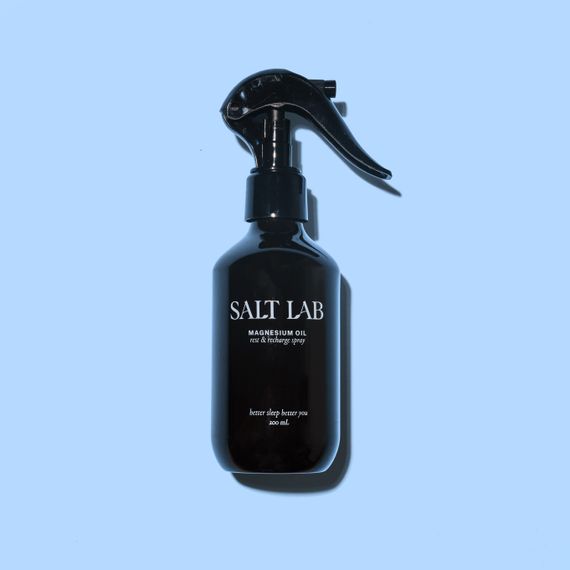
I’ve long gone through periods of nervousness about sleeping, knowing there may be hours when I can’t switch off my brain. And then, once I’m worried, it becomes even harder to fall asleep. My mind scampers along to every possible corner to find fuel for that anxiety.
But I don’t like taking pills to fix the problem. My trick, instead, is creating a nightly routine that signals my mind and body to settle down. Salt Lab Magnesium Oil spray became that ritual for me. Two to four spritzes on the soles of my feet had me asleep within 20 minutes — and staying that way. It really worked. To be sure, I used the spray for a fullyear before I wrote about it.
When my ode to Salt Lab went live, the reaction was immediate. Everyone, it seems, is struggling to get those precious eight hours, and our readers have bought almost 15,000 sprays in the year since. The story’s comments section sparked a sleep-remedy exchange: CBD gummies, magnesium creams, and supplement powders popped up. And all the sharing reminded me of how I’d spritz the feet of my houseguests with Salt Lab so they, too, could sleep like babies.
Because going without sleep is such a life-disrupting cycle, when you find something that works, it feels like a miracle tale you must spread. You become a proselytizer. But there are also a lot of sleep scams out there (as the other half of the Salt Lab commenters forcefully reminded me), and for years, the Strategist has been doing the legwork to weed those out. It’s been a decadelong effort to find what actually works — not just the sleep tinctures, supplements, sprays, and creams but your entire sleep habitat. We’ve slept on dozens of mattresses and pillows, swaddled ourselves in every possible variation of bedsheet (one of the very first categories we devoted ourselves to), tested out silk sleep masks and weighted sleep masks, and put sound machines head-to-head. We’ve found ever-stranger sleep solutions, including water-powered cooling pads for sweaty sleepers, an upright wedge pillow for snorers, and a nifty chin strap for nighttime mouth breathers in an effort to leave no sleep hack behind. And before there was my magnesium spray, there was a better-than-Ambien lavender stick and CBD tinctures. As you read this, the Strategist is investigating whether red light really works for sleep. The quest is eternal. —Diksha Basu, contributing writer
More From The Strategist
- Hark, the Advent Calendars Arrived (Very) Early This Year
- The Best Things Strategist Editors Have Bought This Year (So Far)
- 63 Things You Should Never Buy Full Price
- The Strategist Fall 100
The Strategist is designed to surface useful, expert recommendations for things to buy across the vast e-commerce landscape. Every product is independently selected by our team of editors, whom you can read about here. We update links when possible, but note that deals can expire and all prices are subject to change.