Are All Hypochlorous-Acid Sprays Created Equal?

Save this article to read it later.
Find this story in your account’s ‘Saved for Later’ section.
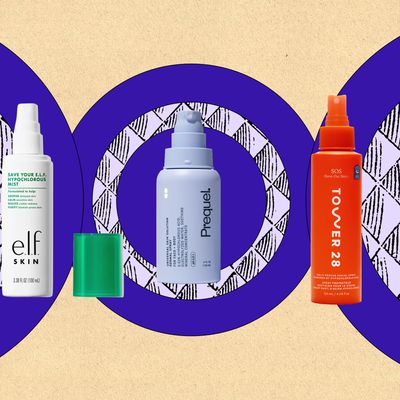
In the past few months, I’ve noticed there are a lot more hypochlorous-acid options than there have been over, say, the last decade. When the Strategist beauty team recently got together to talk about how we were adjusting our skin-care routines for summer, most of us were incorporating some kind of hypochlorous acid, and I was surprised to find we were using different sprays. I remember a time when the category was synonymous with the Tower 28 SOS spray, which has been a fixture in my beauty routine since it launched back in 2019. Product of choice aside, hypochlorous acid has become increasingly popular. The ingredient is naturally found in white blood cells and helps skin protect against bacteria. It’s generally well tolerated and has become a go-to for anyone trying to calm irritated skin or avoid a breakout.
After noticing the uptick in hypochlorous-acid options, I started peeking at the ingredients and noticed they all contained the same three ingredients: water, sodium chloride, and hypochlorous acid. It made me curious — is there really a difference between these sprays? Does it matter if I decide to save the extra ten bucks by opting for e.l.f. over Tower 28? Am I losing some key ingredient in the process? I turned to cosmetic chemist Dr. Julian Sass to find out.
So what is hypochlorous acid?
Hypochlorous acid is an antimicrobial ingredient best known for helping soothe and calm the skin by reducing bacterial load. Your body naturally makes it to fight infections, and it has a similar effect when applied topically. It’s good for anyone dealing with breakouts or chronic skin conditions like eczema or psoriasis. Another benefit is that it speeds up healing, meaning it’s effective at supporting skin after a flare. Personally, I use it after the gym or dermaplaning, when my skin is extra sensitive. I get its popularity. A 2019 study noted that up to 70 percent of women and 60 percent of men self-identified as having sensitive skin, and with hypochlorous acid being generally well tolerated and effective, it’s no surprise it has become a staple in many people’s skin-care routines.
Is there really a difference between formulas?
If you’re trying to decide which one to buy, Dr. Sass says there is no wrong choice. The biggest variation between products tends to be how bleach-y they smell, which Dr. Sass says is often a variation between batches and not necessarily an intentional choice by the brand. “Use the one that has packaging you like and smells the least like bleach. The difference in performance is minimal,” he says.
The one thing to be mindful of is once you do purchase it, you’ll want to use it up within its recommended freshness time frame (there’s usually a little symbol on the bottle stating how long it stays effective). After that, there can be a bit of a pH drift where it leans a bit more bleach-y, which could potentially irritate the skin.
So what should I look for when picking one?
As I mentioned, most hypochlorous acid sprays and gels contain just three ingredients: water, sodium chloride, and hypochlorous acid. This is by design. “Those ingredients are all you can combine hypochlorous acid with to where it stays active and is able to do things on the skin,” says Dr. Sass. That limits how much products can differ, as there are very few ingredients to tweak or improve. There are a few formulas that contain hypochlorous acid alongside other active ingredients, which Dr. Sass recommends avoiding: “When you start adding other ingredients to it, the hypochlorous acid is no longer doing anything because it’s really, really finicky.”
The hypochlorous-acid sprays we use
New! You can now save this product for later.
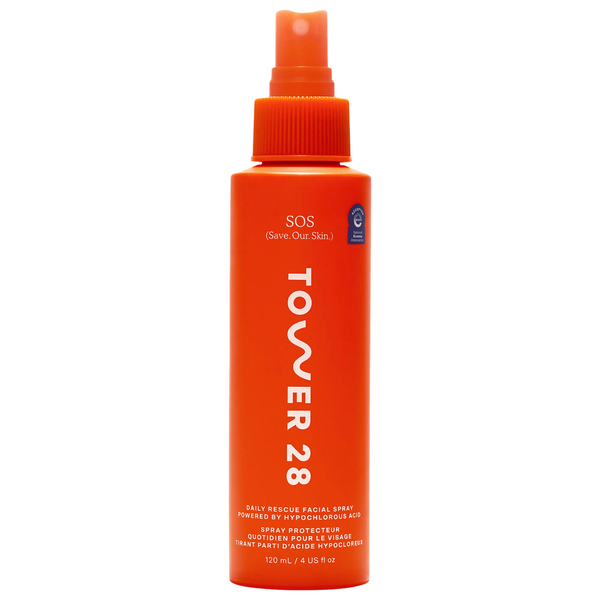
This is a longtime Strategist favorite. We first wrote about it in 2020, when beauty columnist Rio Viera-Newton mentioned it as a go-to for achieving hydrated, glowy skin. “This is the best for tackling hot, irritated skin in need of some light, calming, moisturizing care,” she said. It’s incredibly effective at calming even the most sensitive skin types, earning the stamp of approval from the National Eczema Association and the National Rosacea Society.
New! You can now save this product for later.
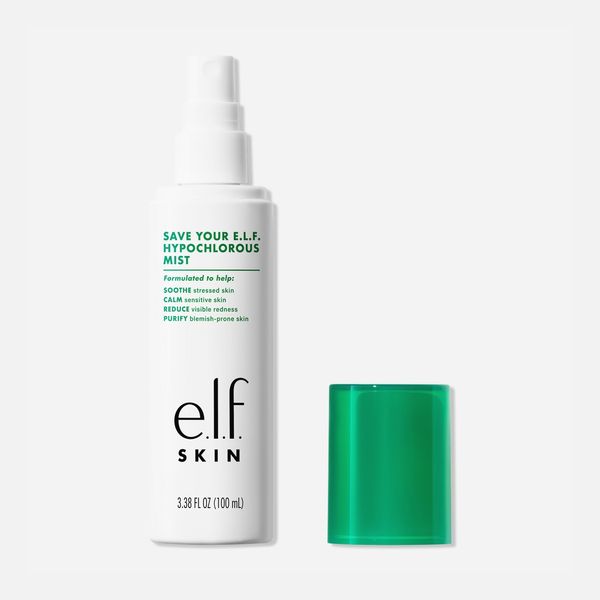
This is a recent addition to my skin-care routine. It’s less than half the price of the Tower 28 formula and a solid alternative. It smells a bit more bleach-y but has a finer mist, which feels nice on the skin.
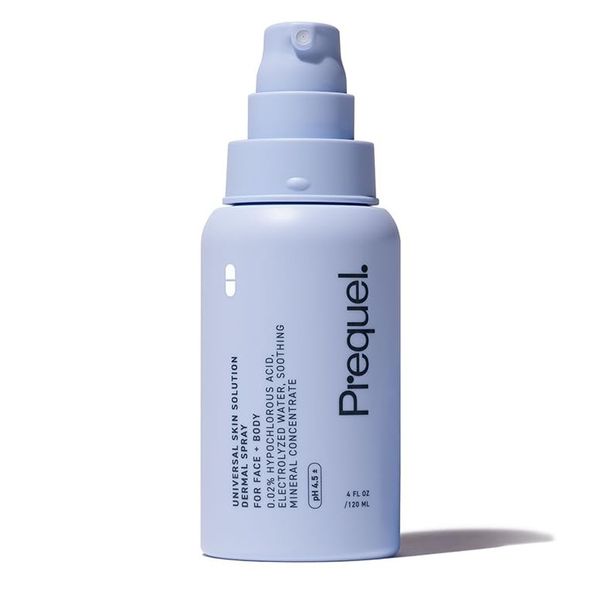
New! You can now save this product for later.
Beauty writer Krista Bennett DeMaio has been using the Prequel hypochlorous acid after workouts. The nozzle creates a bit of a wider spray, which makes it easy to cover a large surface area.
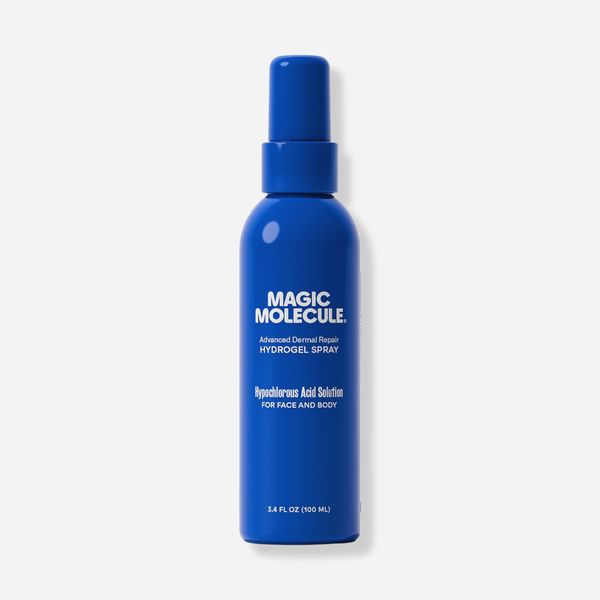
New! You can now save this product for later.
This spray has a slightly thicker gel texture that dries down shortly after applying. It’s a favorite of actor and podcast host Mo Fry Pasic as well as writer Kitty Guo, who’s been using it this summer to care for her skin post-sun exposure.
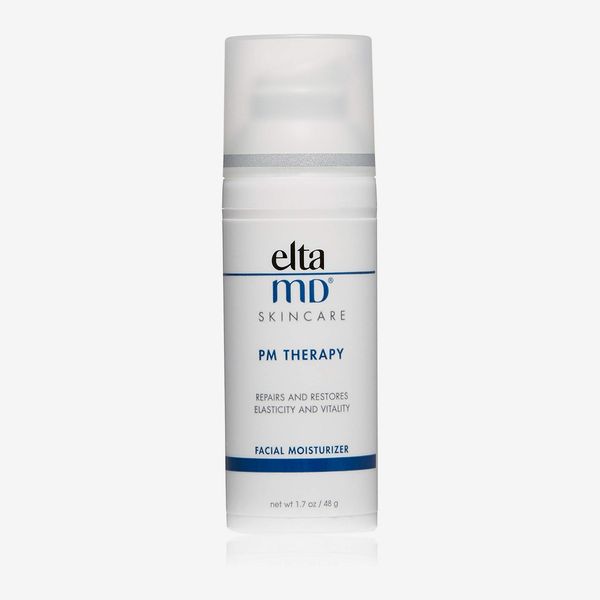
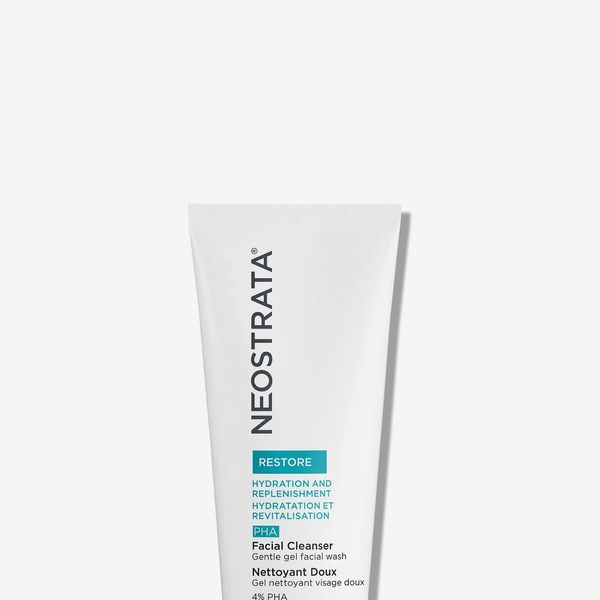
More sensitive-skin-friendly skin care we love

More From The Strategist
- Hark, the Advent Calendars Arrived (Very) Early This Year
- The Best Things Strategist Editors Have Bought This Year (So Far)
- 63 Things You Should Never Buy Full Price
- The Strategist Fall 100
The Strategist is designed to surface useful, expert recommendations for things to buy across the vast e-commerce landscape. Every product is independently selected by our team of editors, whom you can read about here. We update links when possible, but note that deals can expire and all prices are subject to change.