I’ve Been Testing America’s Newest Sunscreen Ingredient for a Month. Here Are My Thoughts.

Save this article to read it later.
Find this story in your account’s ‘Saved for Later’ section.
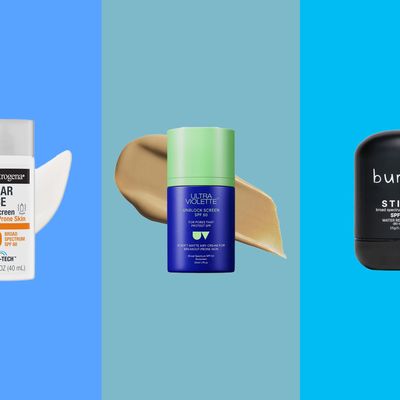
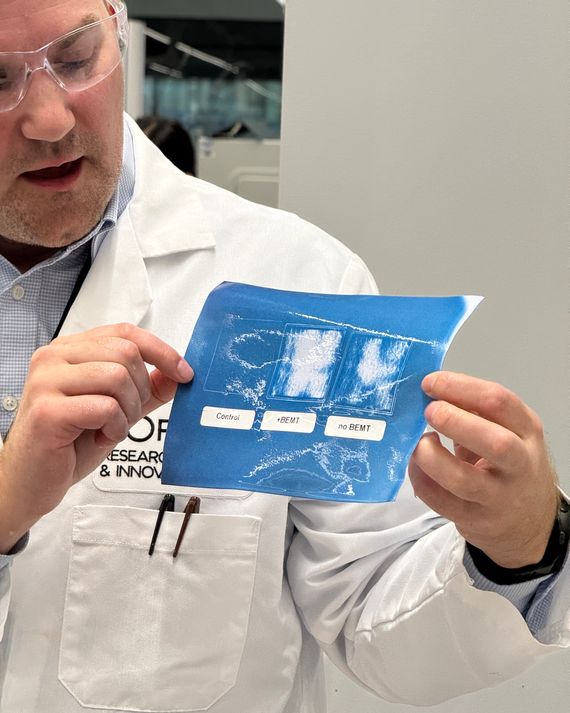
Last month, I wrote about the sudden proliferation of sunscreens containing bemotrizinol, or BEMT, a chemical filter that’s been popular abroad for decades and is now FDA-approved. In the time since, I’ve been testing the new batch of sunscreens and went on a lab tour with Cerave (it has a face and body sunscreen launching in December that I’m currently testing) to learn more about the ingredient.
The exciting thing about BEMT is that it’s more photostable than the current UV filters we have, meaning it holds up better than other chemicals when exposed to UV light. It also helps broaden the spectrum of UV protection. Prior to the inclusion of BEMT, sunscreens offered broad spectrum protection, with filters like homosalate and octisalate protecting skin from UVB rays (the rays responsible for sunburn) and avobenzone protecting skin from UVA rays, which impact skin over time. Together, they provide broad spectrum protection, but few filters cover both UVA and UVB light on their own. The main sunscreen filter that does, oxybenzone, has become less popular in recent years due to public concern over absorption into the bloodstream, though the ingredient isn’t deemed unsafe. Still, some consumers prefer not to use it. BEMT is a helpful solve for this. It’s a bigger molecule that doesn’t absorb as readily into skin and protects from similar UV wavelengths. When combined with other filters, BEMT strengthens the formulas we already use by providing added stability, and because it holds up well to light, the filter doesn’t degrade as quickly, offering better protection.
While knowing it offers better protection is great, I was most interested in the way it sits on skin. My favorite formulas, like La Roche-Posay UVAir, are whisper-thin, so I was curious if this new filter would have any noticeable effect on the consistency. To find out, I tested each of the formulas for a week — from a zinc oxide–and–BEMT stick to classic drugstore fare. My general thoughts are that these feel like any other well-made sunscreens, which I’m considering a positive, given that they could’ve gone the way of mineral sunscreens, which in the early days were tough to adapt to despite the benefits. These new formulas don’t feel like a trade-off while offering even better protection from UV light.
A classic option that sits nicely on skin
New! You can now save this product for later.
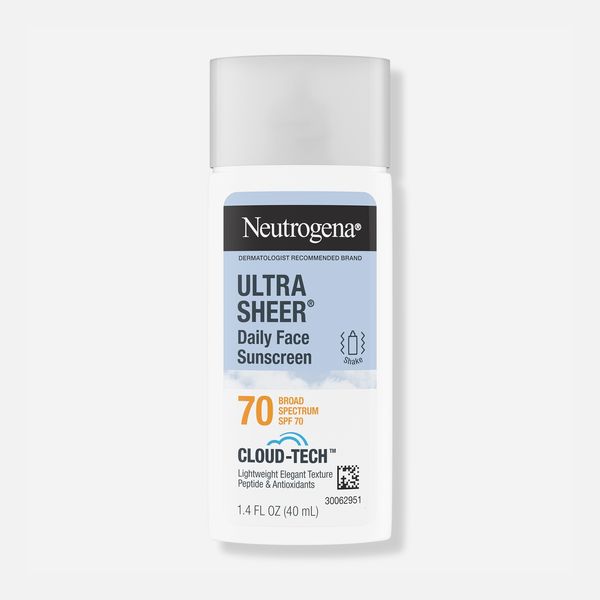
I’ve been wearing this one off and on for about a month. It’s the epitome of no-frills. The texture is similar to any other lightweight sunscreen I’ve tried that’s not aiming for a serum or lotion-y texture. It goes on smooth and doesn’t leave a white cast, which makes sense because it’s composed of chemical filters. It’s also a little glowy, but not as much as some of my other sunscreens, which I prefer. It’s not markedly different from the dozens of other formulas I’ve tried, but I’m happy to have it in my rotation.
A slightly mattifying acne-safe sunscreen
New! You can now save this product for later.
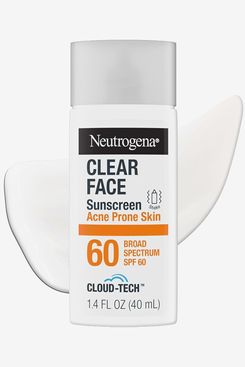
I’ve also tested the acne-free version, which performs similarly but is just a hair thicker and has a slightly powdery finish. It also feels a bit tackier on the dry down, which could make it a good option if you wear base makeup. Between the two formulas, I would reach for the Ultra Sheer option, which has a lighter feel.
A hybrid sunscreen with zero white cast
New! You can now save this product for later.
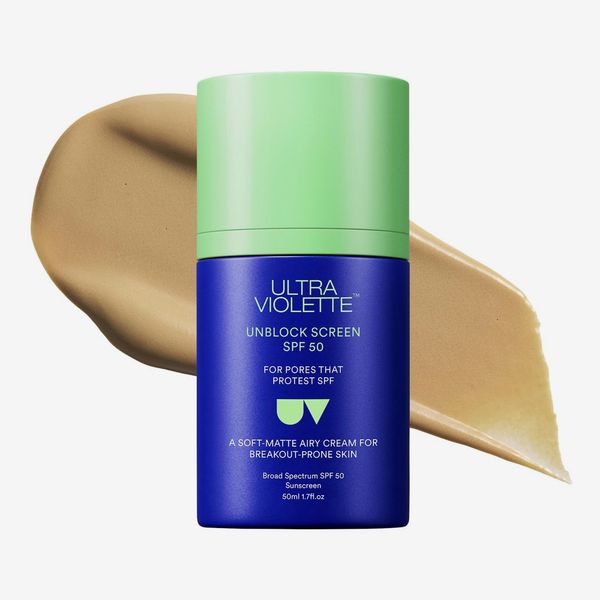
I’m a fan of Ultra Violette sunscreens generally. The Australian brand is known for its lightweight formulas, which feel like skin care. I’ve used other products from the brand and think its formulations are impressive, so I wasn’t shocked that I liked this formula too. It’s a hybrid formula with both chemical and physical filters that’s designed for acne-prone skin and has a slightly matte finish. It also has blurring technology and helps to control oil. I don’t have oily skin and I also have tiny pores, so this wasn’t a noticeable difference, but it did well with my main metric for sunscreens containing zinc — it doesn’t leave a white cast. It’s a bit tinted too, which doesn’t show up on my brown skin tone but might have a slight effect on fairer skin. As for feel: It wears like a moisturizer, and despite having mattifying properties, it doesn’t have a super-powdery feel. It isn’t as slick as some of my other preferred formulas, but I don’t mind the feel. I think this is a good option for anyone wanting to try the ingredient out or is in search of a formula with both zinc oxide and BEMT.
The hybrid stick that’s good for reapplication
New! You can now save this product for later.
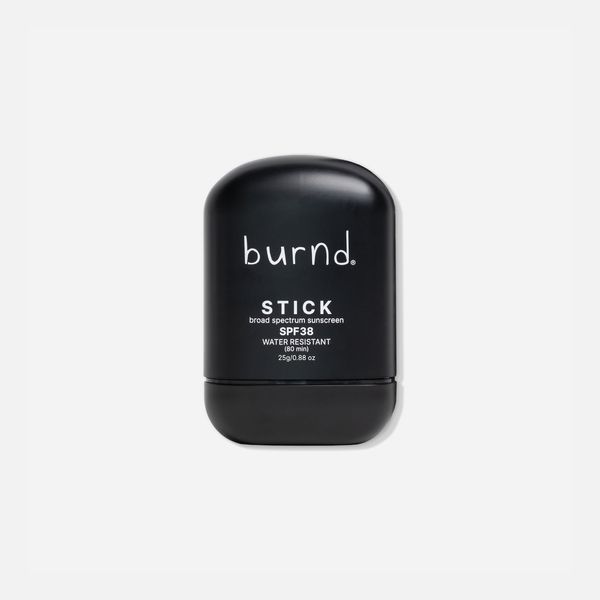
I also tried this stick from Burnd, a hybrid formula that contains both zinc oxide and BEMT. Physical filters can sometimes have a chalky consistency, so I was pleasantly surprised that this went on smoothly. I owe that to the argan oil and vitamin E. It was also remarkably lightweight, and even though it goes on a bit white, it completely disappeared after rubbing it in. It also didn’t leave my skin greasy. The one drawback for me is the scent, which isn’t specific to this sunscreen but zinc oxide more generally. It smells a bit metallic to my nose, which can be annoying to experience throughout the day. Sticks are also tough for me because it can be difficult to apply the appropriate amount of sunscreen — about a shot glass’s worth for the face. I think this works best for reapplication, but I wouldn’t use it as my daily SPF.

More From The Strategist
- The Best Advent Calendars This Year
- Every Holiday Gift Guide From the Strategist (So Far)
- The Best Things Strategist Editors Have Bought This Year (So Far)
- 63 Things You Should Never Buy Full Price
The Strategist is designed to surface useful, expert recommendations for things to buy across the vast e-commerce landscape. Every product is independently selected by our team of editors, whom you can read about here. We update links when possible, but note that deals can expire and all prices are subject to change.