How Much Should You Spend on a Suit?
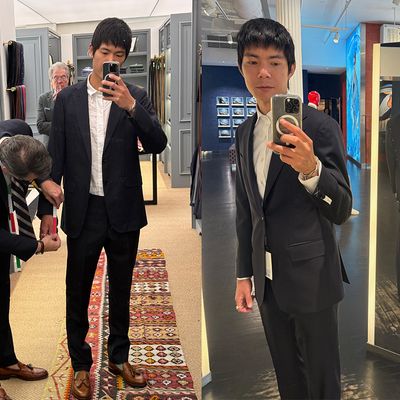
For guys of near-average height and build hoping to look sharp at the occasional wedding, there are plenty of great off-the-rack suits for $1,000 or less. But if budget is no option, you could easily spend as much on a suit as you would on a small car. How much you should spend on a suit depends not only on your budget, but also on where and when you plan to wear it, the type of look you’re hoping to achieve, your body’s unique proportions, and, perhaps most of all, your personal values as a shopper. I spoke to a few experts to find out what the differences are between suits that cost $300 and suits that run upwards of $3,000 and what you get everywhere in between.
Price is largely determined by labor and materials
“If you are making suits in countries where the cost of living is relatively high, then the cost of the suit will be relatively high,” said menswear photographer and podcaster Peter Zottolo. Brooks Brothers’ suiting lineup offers an example of how this plays out on store shelves: An Italian-made 1818 suit starts at $1,498, whereas the Egyptian-made Explorer suit starts at just under $1,000. Meanwhile, a similar made-in-China option from Suit Supply is only $599. That said, these significant price differences don’t typically affect the quality of the finished product, because the raw materials used are pretty similar — even across different brands.
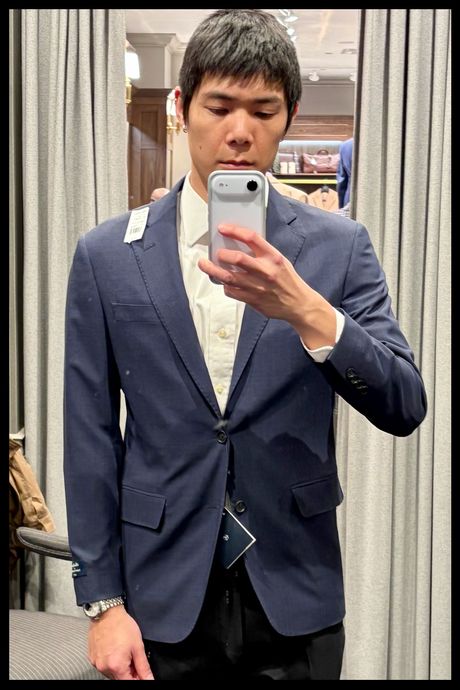
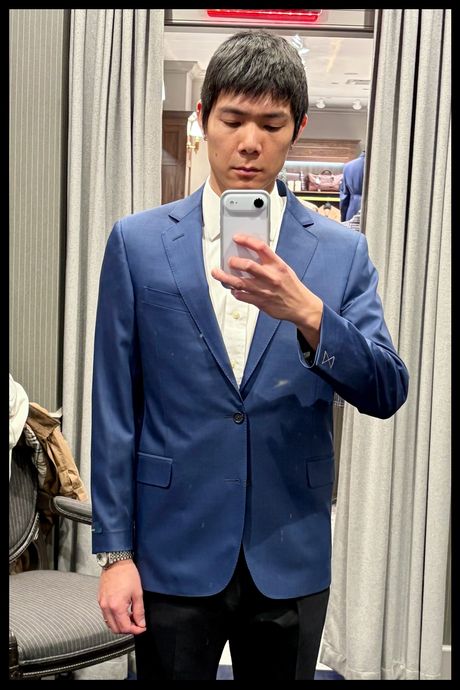
Joseph Abboud is one of the few remaining American suit manufacturers, and its director of design explained that regardless of where a suit is cut and sewn, all but the cheapest models are made using materials sourced from the same handful of suppliers: “Most chest canvases, shoulder pads, and sleeve heads are globally sourced and distributed by Freudenberg, a German company,” he said. “Italian or English fabrics have long been a constant in men’s suiting, usually paired with a Bemberg lining from Japan.”
Fabric, of course, accounts for the majority of a suit’s materials and has the most bearing on a suit’s price. For example, Todd Snyder sells its Portuguese-made Sutton suit in wool gabardine for $996, but the same design costs twice as much in cashmere. Where the cloth is made also has an outsize impact on price. Materials from brand-name mills, like Loro Piana and Ermenegildo Zegna, can cost many times as much per yard as fabrics of a similar grade from lesser-known factories.
The final factor in determining the cost of a suit is the amount of hand-finished detailing used in the design. Each additional stitch adds to a garment’s labor costs, so something as simple as a hand-sewn lapel buttonhole and a couple of pleats on the pants can explain much of the $150 price difference between Spier & Mackay’s Neapolitan-inspired Neo line and its standard Ellis suits.
Some brand-name fabrics and design details are too expensive to include on lower-cost suits, but if you’re not picky about where a suit is made or where the fabric is from, you can feel like a million bucks at any price point.
Suits under $500 cover the basics
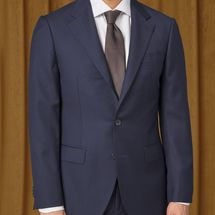
Suits in the $500-and-under price range are great for someone who’s just trying to meet the occasional dress-code requirement or for someone who’s still growing. “You can be very happy with Spier & Mackay, who have their suits made in China” by factories that pay workers a living wage, said Zottolo. “The living wage is much less in China than it is in Europe, but you still get a really well-made suit.”
Spier & Mackay’s prices start at an impressive $448, which gets you a suit that’s made from the same materials to the same standards as any other more expensive suit. It’s made from a Chinese-milled fabric that doesn’t look or feel cheaper than an Italian one but costs a bit less. (If you want to go even cheaper, this $278 suit offered by its diffusion line is also a good option, but it is made from discernibly lower-grade materials.) What you really miss out on here is the opportunity to easily try before you buy. There are no Spier & Mackay brick-and-mortar stores, and the company only offers free returns to U.S. customers on your first order.
New! You can now save this product for later.
Another option is Men’s Wearhouse, which offers many options under $500 that you can try on in its stores. But these are typically made of blended or synthetic fabrics and cheaper lining materials that won’t breathe as well as something from Spier & Mackay. If you’re fortunate enough to live near an independently owned men’s tailoring shop, like Rutland, Vermont’s McNeil and Reedy, they will have all-wool options in this price range, but the lower-grade fabric will have a duller appearance and will likely be lined with less breathable polyester instead of cupro.
$1,000 or less is the sweet spot for value
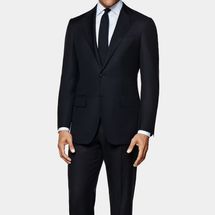
Whether you’re looking for an everyday suit that has a bit more panache or want to ensure that you look a little more put-together than the other guests at your cousin’s wedding, a suit in the $500-to-$1,000 range goes beyond nailing the basics. With some more breathing room in their budgets, designers can select premium fabrics in a wider range of colors and patterns and add flourishes like pick-stitching and hand-sewn buttonholes that make a suit look and feel more unique. For example, J.Crew’s $800 suits are made from Loro Piana cloth. At this price range, you even start to see European-made options produced in Portugal from higher-end brands like Todd Snyder, Polo Ralph Lauren, and Sid Mashburn.
As I explain in my full review, at this level, Suitsupply leads in value, design, and buying experience. Most importantly, it has dozens of locations worldwide and across the U.S. where you can try on its clothes to find a fit that works for you. And if it doesn’t have the combination of fit and fabric that you’re looking for, you can order it custom online, where you can also experiment with swapping out different button and pocket styles if you’d like. It even offers subsidized alterations in-house at less than half the cost of a stand-alone tailor.
New! You can now save this product for later.
For $1,000 to $1,500, you can shop designer labels and made-to-measure
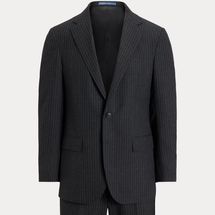
If you’re looking for a standout design befitting of a truly special occasion — such as your own wedding — this is where suit shopping really starts to feel fun. At this price, almost any detail you could want from an off-the-rack suit, besides a luxury label, can be yours: high-end fabrics that feel like silk; heritage tweeds made in centuries-old mills; and jackets constructed with hand-stitched full canvassing, which improves the garment’s long-term durability and shape retention. This last point is particularly relevant to people who wear suits more frequently. “You can buy one for a wedding and wear it for the rest of your life,” explained Nico Lazaro, a fashion consultant and the author of the menswear blog The Bengal Stripe. As for off-the-rack options, you’ll find Portuguese-made options at $1,000 and Italian-made sets from brands like Brooks Brothers or Polo Ralph Lauren at $1,500.
New! You can now save this product for later.
Fine fabrics and fine craftsmanship are nice to have, but the best reason to spend over a thousand dollars on a suit is the ability to work with a tailoring expert to get something custom-made to your precise measurements and specifications. This level of service used to be the exclusive domain of tailors (and unattainable for much less than $3,000), but thanks to advancements in technology and offshore manufacturing, it’s possible to achieve a similar result with far less technical expertise.
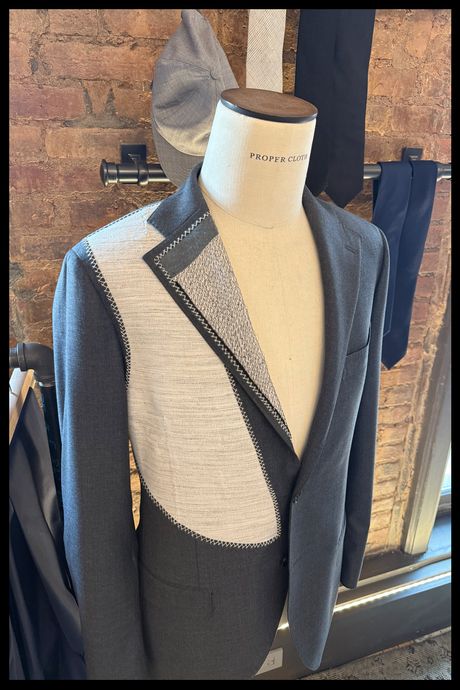
For example, Brooks Brothers’ made-to-measure program starts at $1,398 for a fully customized suit. This begins with trying on an off-the-rack sample in your closest size and having a sales associate take your measurements before guiding you through all the fabric, button, and design options. This data is entered into software that produces a modified version of a standard suit pattern, which is cut and sewn at a Chinese factory and then sent to the store in about three to four weeks. There’s then a follow-up fitting, during which any additional alterations to dial in the fit are included free of charge. This process results in a more refined fit, but because the suit is based on standard sizing, it isn’t the best choice for anyone who already struggles to find a good fit off the rack.
Bindle & Keep is a custom suiting studio specializing in tailoring for such bodies, and its packages start at $1,295 for a Thai-produced suit. But what you’re really paying for is its 12-week process, which begins with a conversation rather than a measuring tape. “We want to learn how a person sees themselves in the world before getting into how they want the clothes to fit,” said studio manager Ashley Merriman. For example, if a customer wants to appear more masculine but has a pear-shaped body, the pattern will need to be adjusted to help them achieve that look. “The fabric selection should be something with a bit more weight and structure.” This creates the illusion of a flatter figure by draping over a body’s curves without collapsing into them with each step. The full process requires multiple fittings to ensure the finished garment fits exactly the way the customer wants, but once completed, subsequent suits can be made more expeditiously.
$1,500 to $3,000: menswear darlings, traveling tailors, and luxury fabrics
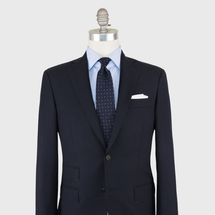
If you’re wearing a suit from Sid Mashburn, the Armoury, or Drake’s and are noticed by someone else who knows those brands, expect a lengthy conversation about menswear to ensue — for better or worse. These brands are all well known for their craftsmanship, heritage-informed design, and tasteful sartorial flourishes that one would typically have to seek out at a bespoke tailor, which you could also begin to consider at this price.
New! You can now save this product for later.
Asia-based tailors specializing in bespoke suiting regularly stage trunk shows in major cities all over the world (the Armoury’s NYC location is a common stop), offering service and craftsmanship comparable to what you’d get on Savile Row, but starting at around $3,000 instead of $6,000. Unlike the Brooks Brothers’ made-to-measure process, which modifies an existing pattern to better fit your body, a bespoke suit starts with a tailor drawing and cutting a pattern from scratch — a laborious process that requires years of training to master. This produces a completely unique garment fitted to your precise measurements and contours. “Because I work in construction, I have this dropped right shoulder that pitches forward, which all of my bespoke suits hide,” said Zottolo. “On a made-to-measure suit or an off-the-rack suit that’s been tailored, you will see the right side of my jacket collapsing” because it’s difficult to account for based on measurements alone.
Additionally, while J.Crew makes some relatively affordable suits using Loro Piana fabrics, that cloth is of a lower grade than the more expensive stuff reserved for high-end suits. “I find Loro Piana’s high-grade fabrics to be impressively glossy, almost reflective like glass,” said Enzo Custom showroom manager Arthur Silber. It’s noticeable even compared to similarly graded materials from other mills. “Each textile house has a proprietary way of finishing the fabric with chemical treatments or weaving techniques that put a unique twist on the way the fabric looks, feels, and performs.”
Over $3,000: if it makes you happy
“After about $1,500 or so, you are paying for details or features that you enjoy but are not necessary to make a good suit,” said Zottolo. If you’re working with a tailor on a fully bespoke suit, “hand-attached sleeves will marginally alter the shape, but many people won’t notice, and they’re not going to make the suit last any longer. But if you see it, and it makes you feel good, and you can afford it, then go for it.” Similarly, a $6,000 Italian-made suit from Ralph Lauren Purple Label, Prada, or Brioni may not look much different from a suit made from the same materials in a factory on the other side of the world, but that doesn’t mean it’s not worth it if wearing it makes you feel like the best version of yourself.
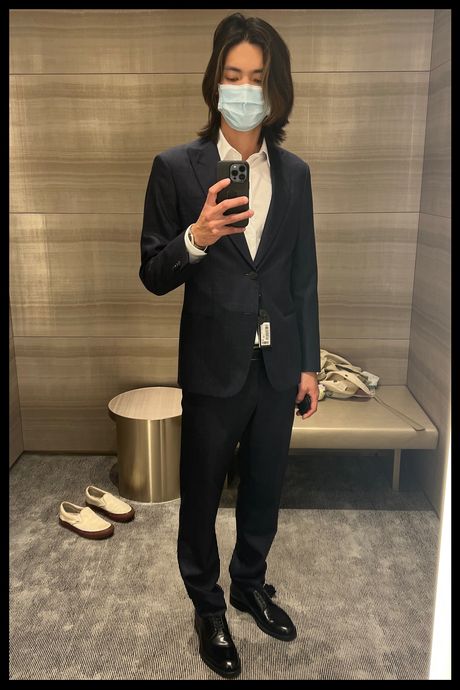
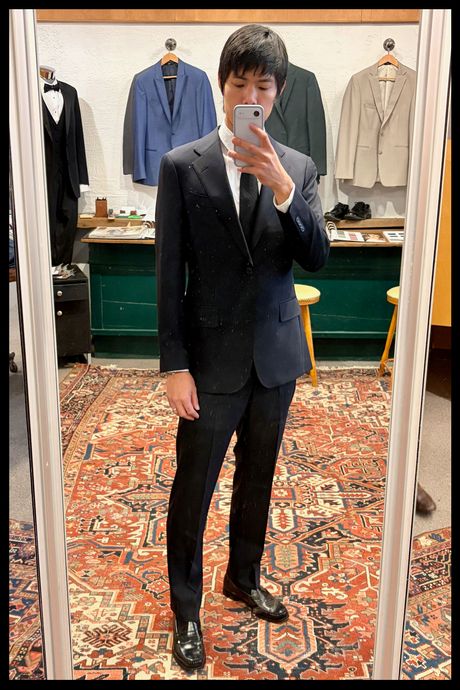
To Zottolo, tailoring is an art form, and a dying one at that. To him, a personal relationship with a tailor on Savile Row is a form of patronage that’s well worth the occasional £5,000. “My most recent suit is a western-style suit from Nina Penlington. She can do little tweaks that most tailors cannot because she has about 20 years of cutting experience on Savile Row and has a peerless sense of style that I’m willing to pay for,” he said. “She made me a suit that no one else can make, and it makes me feel awesome.”
More From The Strategist
- Hark, the Advent Calendars Arrived (Very) Early This Year
- The Best Things Strategist Editors Have Bought This Year (So Far)
- 63 Things You Should Never Buy Full Price
- The Strategist Fall 100
The Strategist is designed to surface useful, expert recommendations for things to buy across the vast e-commerce landscape. Every product is independently selected by our team of editors, whom you can read about here. We update links when possible, but note that deals can expire and all prices are subject to change.