Here’s How I Got Rid of My Closed Comedones


I’ve struggled with acne, both whiteheads and cysts, for most of my life. But it wasn’t until a few years ago that I started experiencing a new kind of acne terror: closed comedones. Closed comedones look totally different to cystic acne; they’re more textural and bumpy, like tiny pebbles just beneath the surface of the skin. It’s also really common for them to sprout up by the dozen, creating whole patches of unrelenting bumps. If you try to squeeze them, stuff — stringy pus (sorry for the icky visual) — comes out. But since they form in groups, it can quickly turn into a vicious cycle.
About a year ago, I got a facial with aesthetician Sofie Pavitt, a dear friend and New York’s “acne whisperer.” After just one glance at my skin, she diagnosed me with a twofer: a combination of inflamed and non-inflamed acne. In other words, I had both whiteheads and closed comedones — great! Closed comedones form when dead skin cells, oil, and debris clog a pore, but unlike whiteheads, closed comedones aren’t red or inflamed because the pore is fully sealed. To make matters more complicated, Sofie explained that while both are forms of acne, they don’t always respond to the same treatments — finally shedding light on why my usual plan of attack wasn’t working this time.
After about a year and a half of diligently researching and testing out new products, and with the help of skin-care experts, I have finally been able to get my skin under control. So I wanted to write something that breaks down what closed comedones are, what causes them, and how to get rid of them.
How to Identify Triggers
Dr. Ranella Hirsch, a board-certified dermatologist based in Boston, explained that genetic predisposition or behavioral and environmental triggers cause closed comedones.
That means pinpointing the cause of your closed comedones is detective work. At the height of my own struggles, I asked Sofie Pavitt to share what had caused closed comedones for some of her clients, and frankly, the list was extensive: from conditioning hair care (I’ve written about this a lot) to sebum-increasing supplements.
But perhaps the most common source, according to Dr. Hirsch, is skin care. She clarified that while ingredients on the comedogenic list (such as cetyl alcohol and coconut oil) are not inherently evil — in fact, they can be extremely hydrating and healing for the right skin types — they can be overly moisturizing for some people and trigger closed comedones. She explained that comedogenic ingredients are often seen in richer moisturizers, oils, and cleansing balms.
I love using comedogenic ingredient checkers online (both Dr. Hirsch and I use the one on Sofie’s website!). These tools let you copy and paste a product’s ingredients list into the site, automatically flagging any ingredients that could be potentially comedogenic. It’s an easy way to make sure your products don’t have any acne-causing ingredients (this is how, with great relief, I confirmed that my favorite moisturizer from The Ordinary was safe to use).
How to Treat Closed Comedones
If you only have closed comedones …
New! You can now save this product for later.
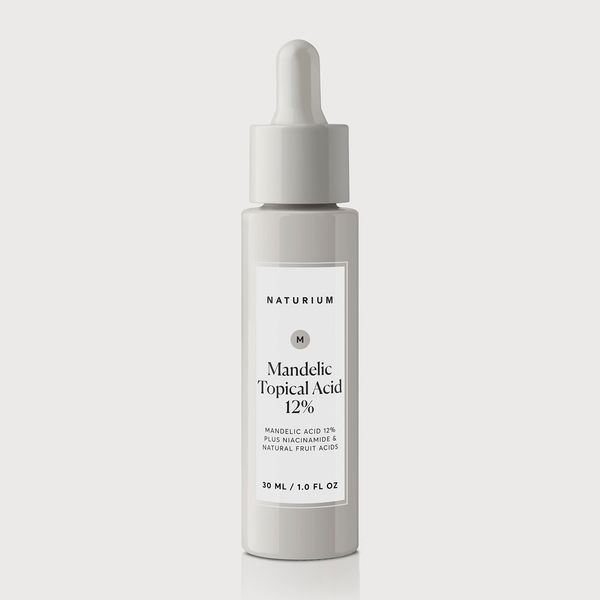
Once you’ve removed triggers in your skin-care routine, you can start treating your closed comedones. Sofie explained that she has seen much more success with gentle, daily exfoliation, rather than strong exfoliation done only once or twice a week. That’s why she loves mandelic acid: “It’s a gentle, hydrating AHA that’s safe to use once a day, but it’s powerful enough to really ensure you’re getting rid of those skin-clogging dead skin cells.” Mandelic acid’s large, slightly oil-soluble molecule enables it not to just exfoliate the surface but dissolve and help clear the buildup within pores more effectively, addressing the root cause of closed comedones. So it treats active closed comedones while also helping preventing future ones from forming.
New! You can now save this product for later.
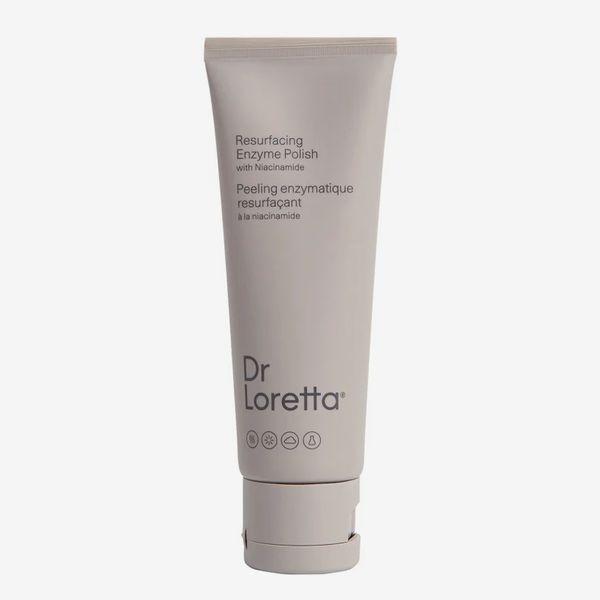
If you’ve been using a mandelic-acid serum, and it’s looking like your skin might need an extra oomph, using a scrub can be totally transformative. I know what you’re thinking: A scrub? It might seem sort of old school, but scrubs have come a long way since St. Ives. “Since closed comedones are so stubborn, they often require a bit more effort to manually release dead skin cells to ultimately get rid of them,” Sofie said. Her favorite is Dr. Loretta’s Enzyme Scrub, which is a leave-on mask that gives both physical and chemical exfoliation. Caution: Scrubs are best suited for skin with only closed comedones, as they can be too harsh for skin with inflamed acne, such as cysts or whiteheads. (More on combination acne, below.)
If you have a combination of closed comedones and white heads …
New! You can now save this product for later.
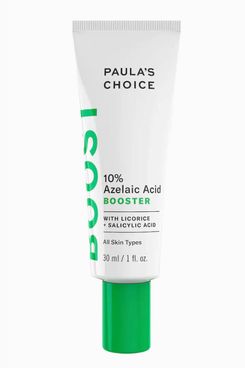
If you have a combination of acne types — both whiteheads or cysts and closed comedones — using a combination-acid product can be a total game changer. The two acids in this Paula’s Choice booster, azelaic and salicylic, treat skin issues on the surface of the skin and deeper in my pores. It seem to treat all my temperamental skin’s issues at once: It calms my whiteheads and occasional cysts, knocks out stubborn closed comedones, and also gets rid of any hyperpigmentation left behind from scarring.
How to Prevent Closed Comedones
New! You can now save this product for later.
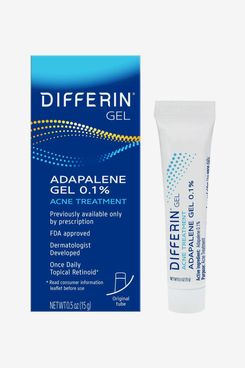
Retinoids are among the best ingredients for keeping closed comedones gone for good, but they need to be used strategically. Since retinoids accelerate cell turnover, it’s important to get rid of an active breakout first. Sofie explained that starting a retinoid too early is like throwing gas on a fire. But once things are under control, there’s adapalene, which is Dr. Hirsch’s favorite over-the-counter retinoid for closed comedones because it breaks down the keratin plugs that block pores.
The Strategist is designed to surface useful, expert recommendations for things to buy across the vast e-commerce landscape. Every product is independently selected by our team of editors, whom you can read about here. We update links when possible, but note that deals can expire and all prices are subject to change.