So What About Silicone?


Welcome to Plastic-Free Kitchen Week on the Strategist, where we’ve been obsessively researching and testing plastic alternatives — for everything from appliances to cleaning supplies to cookware. For more, head to our Plastic-Free Kitchen Week hub.
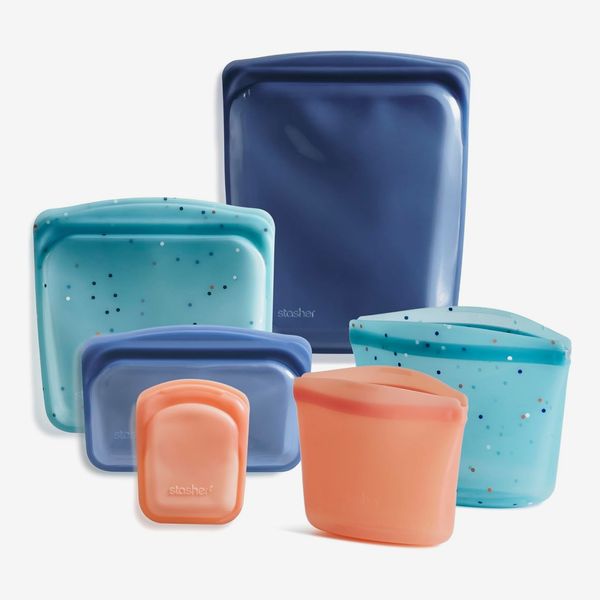
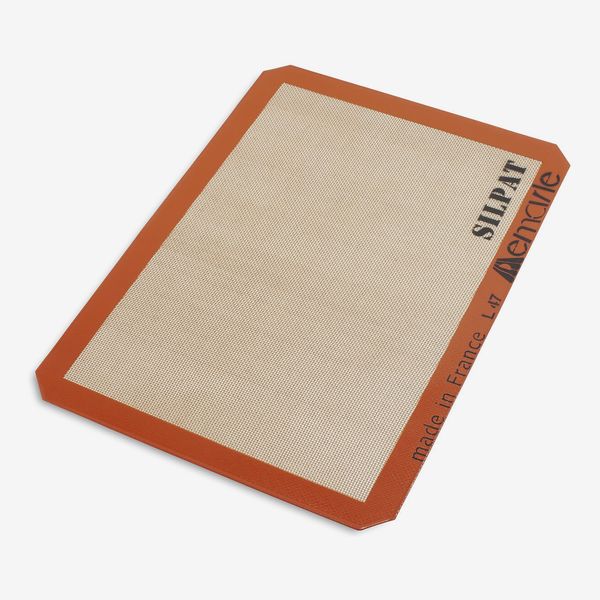
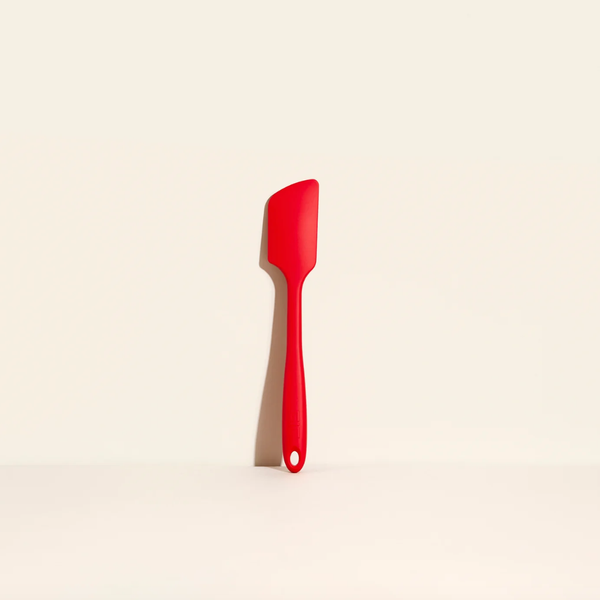
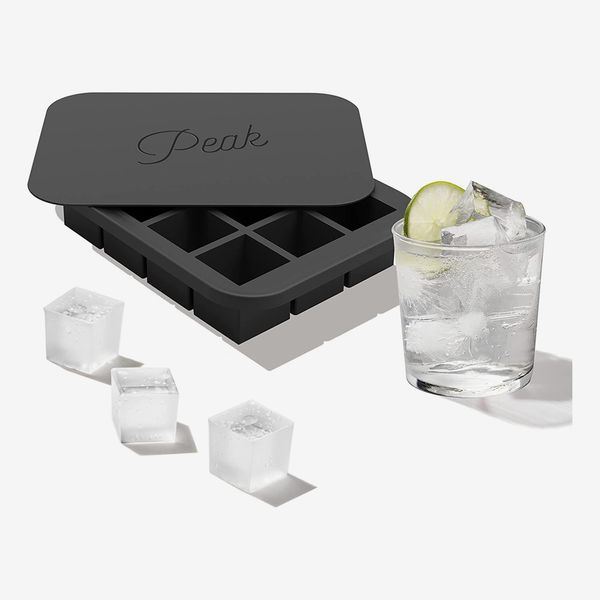
Silicone has been used in kitchens for decades. For many longtime cooks, their first introduction to the material was through Silpat, the nonstick baking mat that doesn’t require greasing and is easy to clean. Because of those qualities, as well as its ability to withstand higher temperatures than plastic, it quickly became a common material for baking molds, cooking utensils, and even dinnerware for babies.
But what is silicone, exactly? It looks and feels a lot like plastic, but is it really safer to use?
Materials engineer Roger Aronow explained to me that silicone is a type of rubber, which is a very large category, just like plastic. (There are also other forms of silicone, such as silicone oil, but the most common form you’ll come across in the kitchen is the rubber kind.) It’s made from the silica in sand, which undergoes several other chemical reactions and processes to become the flexible, nonreactive material that gets turned into a spatula or reusable sandwich bag. The processes used determines the grade of silicone, with platinum-cured silicone considered the highest for food. It’s a good idea to look for labels like “food-grade” or “FDA food-grade,” or some indication that it meets the highest U.S. and European safety standards, and to stick to reputable brands.
While new research suggests some chemical migration from silicone products is possible, it’s unlikely — especially from high-quality products with the labels I just mentioned. And though Aronow is not an expert on breakdown processes (or on the health and environmental effects of plastic or rubber), he has some idea about why silicone might be a better alternative: Besides having pretty high heat resistance, it also has “unfamiliar chemistry that makes the body more likely to ignore it,” he says. “That’s why it gets used for things like implants so much. It’s not going to tend to cause an inflammatory reaction in the body.” Basically, it’s less likely to break down under pressure and if it does, it’s not as harmful as plastic because it’s made from more inert starting materials.
Even with its relative resilience, you should keep an eye out: If you notice your food-storage container lid or turner starts to degrade, it’s time to toss and replace.
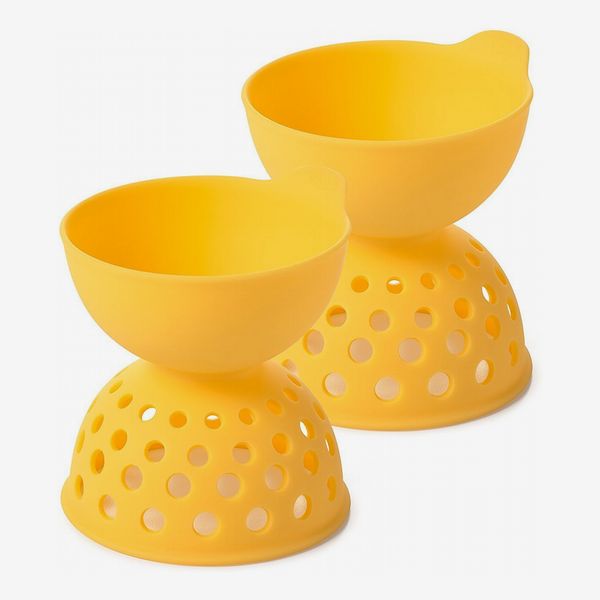
Some silicone kitchen products we love


More From This Series
- I Found the Best Plastic-Free Coffee Brewers, Including a Drip Machine
- Still Looking to Ditch that Plastic Spatula? We Have Plenty of Alternatives.
- All the Best Non-Plastic Tableware and Utensils for Kids
- How Our Readers are De-Plasticizing Their Kitchens
The Strategist is designed to surface useful, expert recommendations for things to buy across the vast e-commerce landscape. Every product is independently selected by our team of editors, whom you can read about here. We update links when possible, but note that deals can expire and all prices are subject to change.