Unfortunately, I Love the Rimowa of Coolers

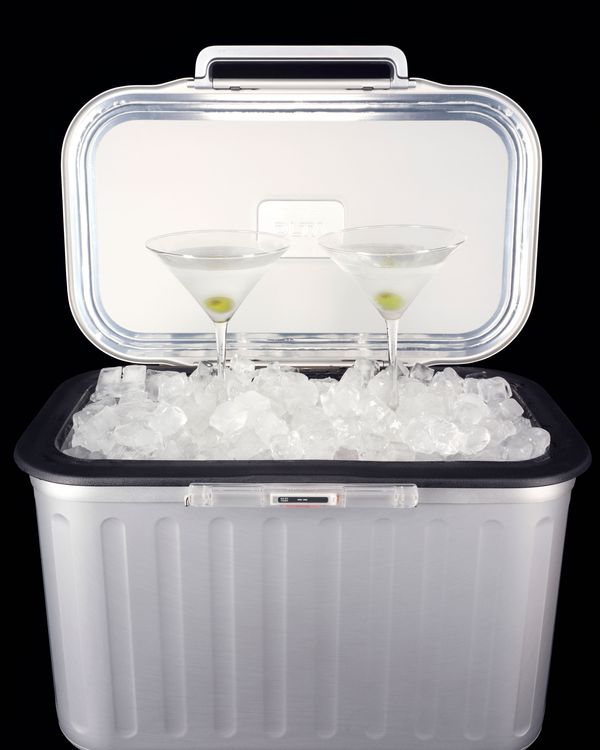
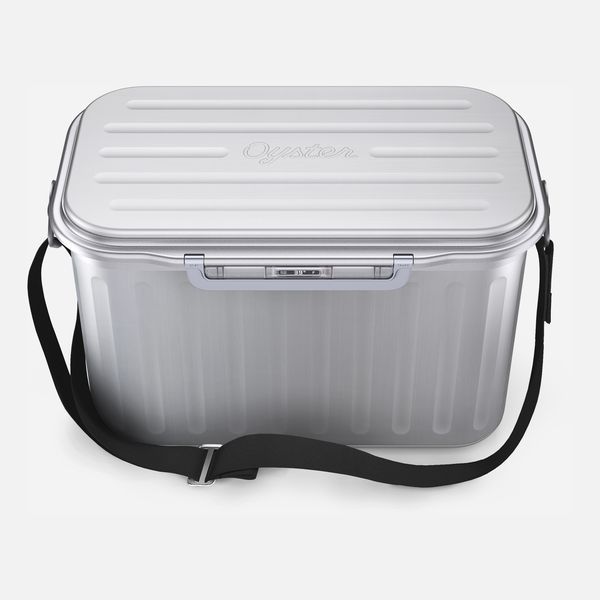
In these all-too-plasticky times, there’s something inherently appealing about products made from metal. This is my theory as to why Rimowa’s suitcases are so highly coveted, and it’s also the reason I was first drawn to the futuristic-looking Oyster Tempo cooler when it launched in 2023. Made from aluminum with a slim profile that’s the polar(sorry) opposite of a bulky Yeti, it’s surely the most elegant cooler to ever exist.
After testing it for the past three years, I think it’s probably also the coldest. Even though it relies on just two freezer bricks, rather than a bag of ice, to perform its function.
As I wrote in our guide to the best coolers, the first thing to understand about them is that their name is deceptive. Coolers don’t cool so much as help maintain the temperature of whatever you place inside, which is why you’ll ideally want to fill them with something that’s already very cold. Coolers with a strong seal and advanced insulation will keep ice frozen for longer — sometimes even days at a time.
Dr. Rebecca Webb, an instructor of energy-systems engineering at the University of Southern Oregon, explains that coolers become heavier as insulation gets thicker, while also losing storage capacity: “So it’s a bit of a game for cooler manufacturers — they’re striving for something that’s light and has plenty of volume but also keeps the food cold.” High-end brands like Yeti have nailed this balance well: “They’ve used a more expensive insulation and have a thinner wall, but it has the same effect as having really thick walls.”
The 23-liter capacity Tempo, compared to Yetis and other “rotomolded” plastic coolers with that distinctive tanklike look, has even thinner insulating walls, which means it holds almost the same amount of cans as an ice-filled Yeti Tundra 35 in an overall smaller package. And it weighs just 12.3 pounds. To make up the difference, the Oyster relies on an extremely strong vacuum seal that locks in cold temperatures while also blocking heat from escaping.
This seal is truly impressive; I’ve often had the satisfying experience of popping the hinged lid (an easy feat that can be performed with one hand) and witnessing actual freezer-style vapor emit from my Tempo, signaling that its contents are much colder than the outside air. Once, after an eight-hour warm summer’s drive up to Vermont, my friends and I gathered around to oohand aahat how frosty all of our Brooklyn-purchased food items still were, even though the cooler had been sitting in the hot trunk that whole time.
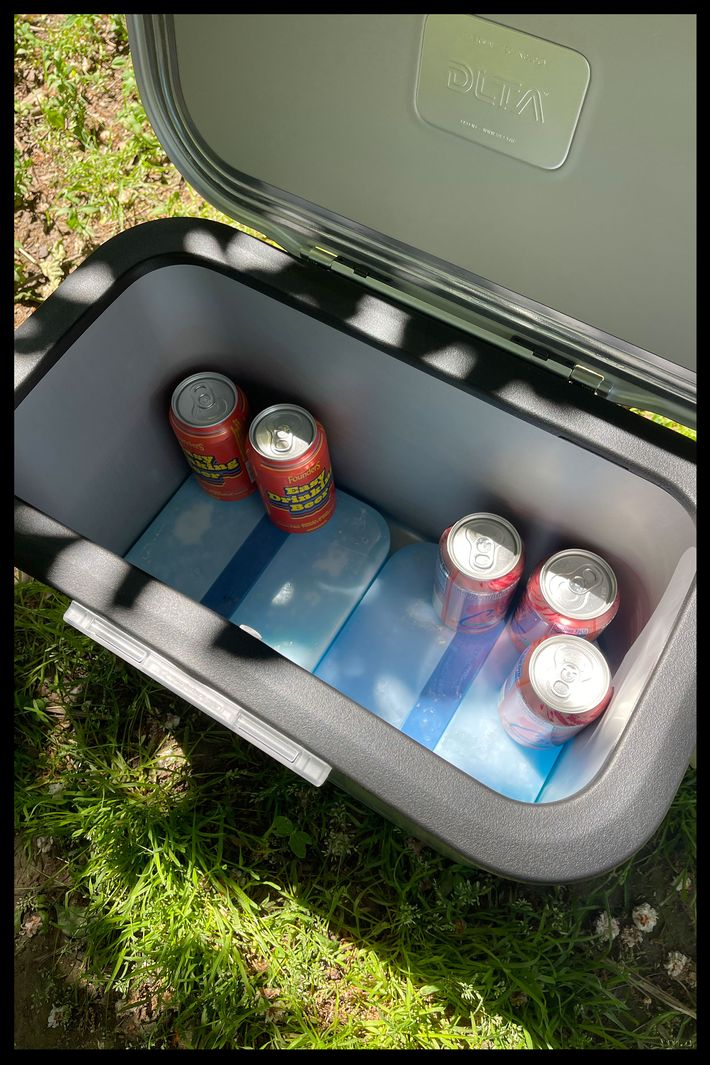
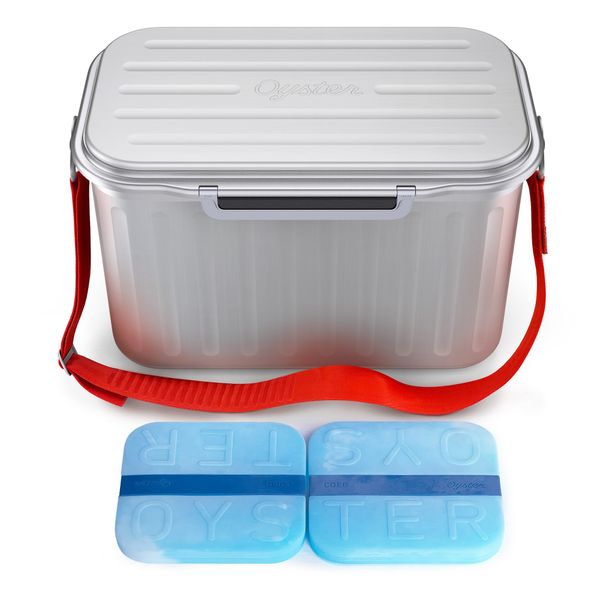
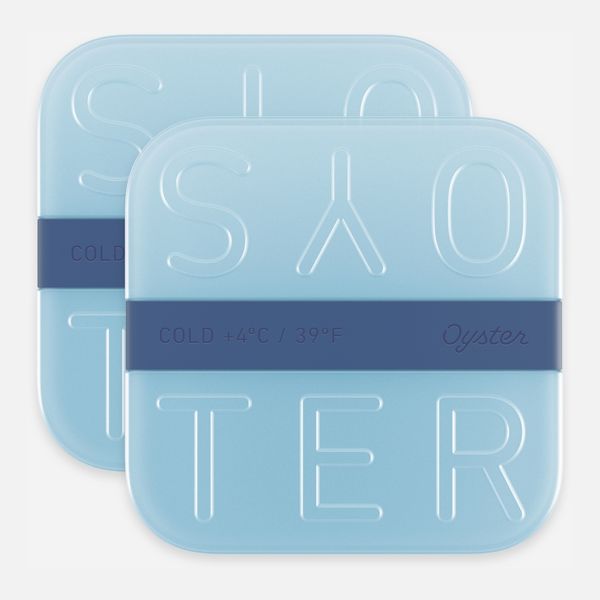
You can fill the Tempo with ice if you really want to (just note that there’s no drain), but the brand’s own thermal bricks (an expensive and frustratingly optional extra purchase sized to slot perfectly into its base) are much more effective, staying frozen for at least 24 hours if the cooler is packed well and stays mostly unopened. And they take up barely any valuable La Croix space.
Oyster’s extra-cold “cryo” bricks (which need to be frozen at 0 degrees Fahrenheit before use) are actually capable of turning stillwater into ice and are an ideal choice if you’re storing, for example, a pint of ice cream. But I’ve just been using the brand’s standard ones, and they work perfectly for keeping food and drinks chilled. (To reiterate, you can’t put warm food into the Tempo and expect it to get colder without also adding the ice blocks. But if your food is already frozen or chilled, it will stay that way for hours — according to the brand and also in my own experience.)
Oyster recently launched the Tempo Pro, an even-more-expensive aluminum number with a built-in thermometer that allows you to check its internal temperature without opening the lid. It tells you the outside temperature, too, for easy comparison. I requested a test unit and found this added feature really useful when storing perishable food. And the thermometer also proved what I already knew: the Tempo’s internal temperature drops rapidly as soon as you place ice bricks (or anything cold) inside, and it maintains that temperature all day long.
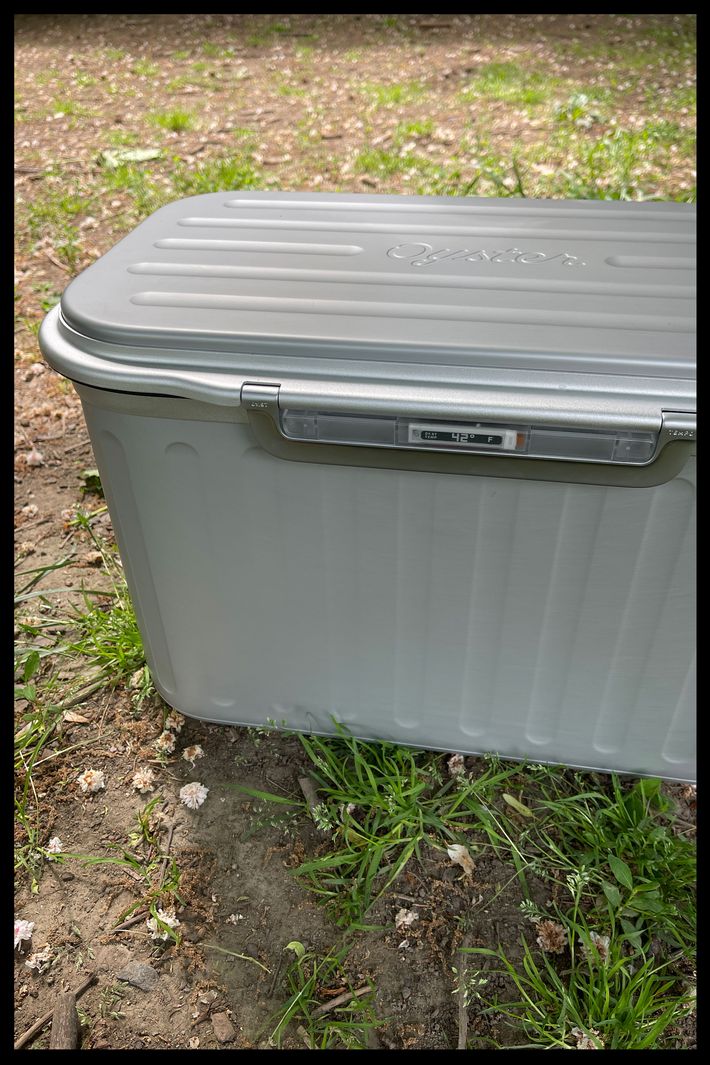
Even though I love it, the Tempo isn’t for everybody. Mainly because it costs $500, but also because it’s designed more for picnics and tailgates than long-haul outdoor adventures. Its metal body will get dented and scratched over time, especially if it is being thrown around in a moving boat or enduring off-road bumpy car rides, although these are basically just superficial and the brand offers a lifetime warranty.
If you’re camping or hunting or just spending a lot of time off the grid and far from home, you won’t have access to a freezer that can refreeze your blocks. So you’ll want to buy a cooler that is designed to work with those good ol’ bags of gas-station ice that are available for purchase almost anywhere — and make peace with your cumbersome tub of plastic.
More From The Strategist
- Hark, the Advent Calendars Arrived (Very) Early This Year
- The Best Things Strategist Editors Have Bought This Year (So Far)
- 63 Things You Should Never Buy Full Price
- The Strategist Fall 100
The Strategist is designed to surface useful, expert recommendations for things to buy across the vast e-commerce landscape. Every product is independently selected by our team of editors, whom you can read about here. We update links when possible, but note that deals can expire and all prices are subject to change.