What Is Kanna — and Can It Really Reduce My Anxiety?

A recent trip to South Africa introduced me to kanna, a medicinal plant with a lengthy history of uses and benefits, including reduced anxiety, elevated mood, and better sleep and brain health, that seem nothing short of miraculous. And given how fraught, well, everything seems right now, this all-natural panacea seems right up my alley — so I set out to learn more.
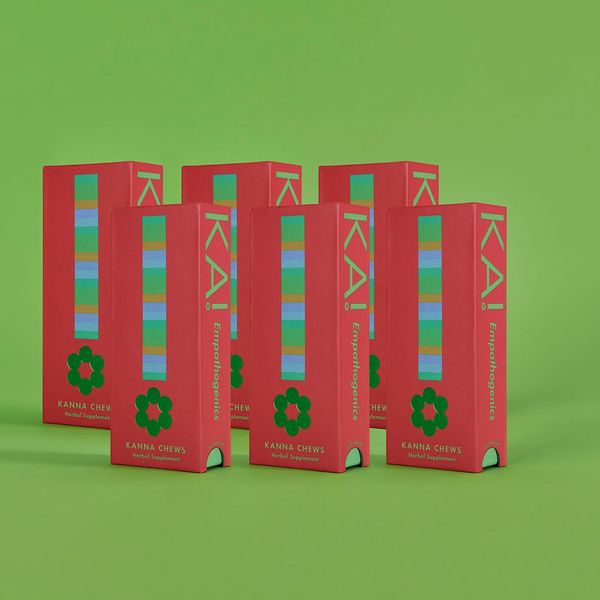
Kanna belongs to a class of substances known as empathogenics, which primarily function by increasing the release of serotonin, and recently it’s been gaining traction Stateside in various forms like chews and tinctures. It’s legal and nonaddictive, too. Could this really be the plant kingdom’s answer to Zoloft? Here’s what experts are saying.
What is kanna, and what does it do?
Go to any pharmacy or vitamins and supplements retailer in South Africa, and you’ll likely find kanna extract (also known as Sceletium tortuosum) in liquid or capsule forms. (It’s also used ceremonially by the Indigenous Khoisan peoples.) It contains the alkaloids mesembrine and mesembrenone, which are naturally occurring serotonin reuptake inhibitors — hence its reputation as a mood booster.
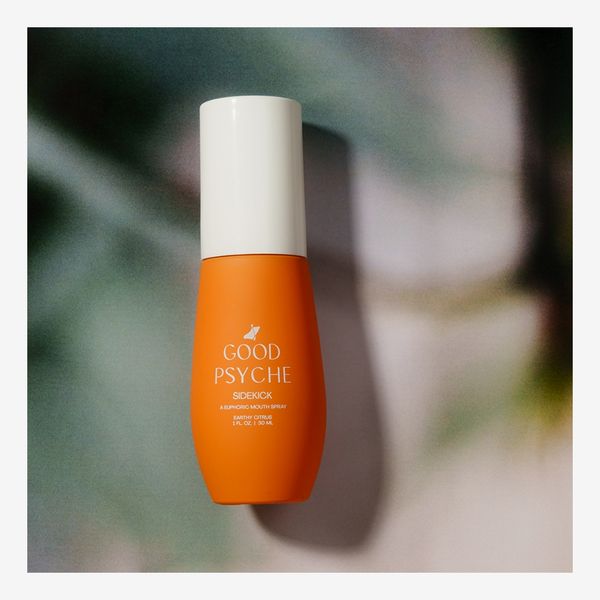
In the United States, it’s gaining interest for the numerous ways it’s believed to support well-being, from lowering stress and anxiety, promoting connection and intimacy, improving focus, enhancing endurance — even aiding sleep. Products in the form of tinctures, gummies, and sprays are starting to crop up, too. Cory Reddish, a licensed naturopathic doctor who has recommended it to patients who are prone to social anxiety but want to rely less on alcohol, calls kanna a “one-stop shop.” Aside from also having adaptogenic and nootropic properties, “it can help with cognition and neuroplasticity, and also has anti-inflammatory effects,” she says.
For mild, day-to-day stuff like the winter blues, it might. Given that serotonin is the “neurotransmitter involved with the regulation of anxiety, depression, and cognition,” explains Paolo Mannelli, M.D., a psychiatrist and professor of psychiatry and behavioral sciences at Duke University. According to a 2021 issue of the peer-reviewed journal Current Neuropharmacology, case reports have indicated the successful use of kanna extracts in treating major depression and anxiety, while a number of psychiatrists in the past decade have integrated kanna extracts into their clinical practices. That said, for those managing more serious forms of clinical depression, Mannelli wouldn’t suggest swapping it out for prescription SSRIs like Zoloft or Prozac until more “adequate clinical trials” prove its efficacy as a legitimate alternative.
What about side effects?
While kanna is a psychoactive, it’s not psychedelic, so you won’t experience hallucinations. And it’s not neurotoxic, which Stephanie Karzon Abrams, a neuropharmacologist and the founder of Beyond Consulting (a group that provides research to organizations and clinics working with plant medicines), says is huge. “If you take a big dose, the most that could probably happen to you is that you’ll feel nauseous, you’ll probably get a headache,” Abrams says. Kanna has been known to induce a nauseated or a tingly feeling in the stomach, even in small amounts, because “the majority of your serotonin receptors are in your stomach,” she explains. For some, this can also induce an appetite-suppressing effect. And taking kanna if you’re already on prescription SSRIs is generally considered a no-no. “That’s a lot of serotonin flowing through your body, and that can be a lot to handle,” says Abrams.
What’s the best way to take it?
Reddish recommends taking kanna at different times depending on the intention: If it’s for low moods, “earlier in the day. But if somebody’s looking to use it as a way of connecting in a social situation, then an hour or two beforehand.” Ultimately, it’s up to you to decide when it would feel most beneficial.
Chews or other edible forms will have a slower onset than taking a tincture or extract under the tongue. “It’s a faster absorption rate, because that’s going right into your bloodstream,” says Abrams.
Bottom line: Does it work?
Keep your expectations in check. Despite seeming like a wonder drug for its countless touted benefits, determining its efficacy really depends on identifying what you’re using it for: mood enhancement; anxiety; feeling more present and focused. “Everybody’s biochemically individual,” reminds Reddish. In other words, it might check some of the boxes but not all of them. It also might wane in effectiveness over time as the body builds up a slight tolerance, so Reddish and Abrams both advise taking occasional breaks. And though the safety profile is quite impressive, we strongly recommend talking to a health-care professional before self-treating what might be a more serious form of depression or anxiety.
Some kanna products

The Strategist is designed to surface useful, expert recommendations for things to buy across the vast e-commerce landscape. Every product is independently selected by our team of editors, whom you can read about here. We update links when possible, but note that deals can expire and all prices are subject to change.