What’s the Difference Between a $100 and $15 Anti-Aging Face Cream?

Welcome to Wrinkles Week on the Strategist, where we’re deeply vetting skin-care solutions for anyone looking to smooth fine lines and wrinkles (or prevent their showing up in the first place). For more, head to our Wrinkles Week hub.
As you age, you’ll probably want to invest in some new skin-care products such as an anti-aging cream. But it can be difficult to know exactly which product to reach for. My 80-year-old grandmother had extremely plump, beautiful skin — and she never used anything other than drugstore staple Olay. While other women of a certain age in my life swear they need to shell out for a fancy tub of La Mer. Obviously, one comes in a much nicer-looking bottle, “but the real difference between an expensive anti-aging cream and an affordable one isn’t just the packaging — it’s the quality, concentration, and combination of ingredients,” explains Diane Buxton, master aesthetician and founder of Luxene Beauty. To find out more, I talked with Buxton and two other skin-care experts to find out when expensive skin care is “worth” it — and when you can opt for a budget buy.
Some ingredients are more affordable than others.
“Anti-aging” face creams fit into a broad category, and the one you choose will depend on what concerns you’re most interested in treating. As we age, our skin gets thinner, produces less natural oils, and also begins to lose elasticity and collagen, which can create a range of issues ranging from dryness to dullness to fine lines. Generally, you want an anti-aging cream to be full of ingredients that can target those concerns, like hyaluronic acid, peptides, niacinamide and ceramides, as well as stronger active ingredients like wrinkle-fighting retinol and brightening vitamin C.
Obviously, you don’t need your face cream to include every single ingredient listed above, but ideally, it will include a combination of these ingredients. And there can be a difference in the price points, depending on said ingredient. “A $20 cream can hydrate beautifully if it’s well formulated with benefit-driven ingredients like hyaluronic acid,” explains Angela Jia Kim, founder of Savor Beauty. “Higher-end creams tend to shine in targeting deeper concerns such as firmness, boosting collagen, and diminishing fine lines.” Hydrating and moisturizing ingredients are generally quite affordable, so you can find them in abundance even in the drugstore aisle. While other concerns, like reducing wrinkles or brightening the skin, require more finicky ingredients like vitamin C or retinol, which are more expensive to formulate. In short: You probably want to invest if you’re looking to incorporate vitamin C or retinol, while you can save your money if you’re only buying a hydrating or moisturizing cream.
But it’s not just the types of ingredients that matter, it’s also all about concentration.
But the types of ingredients used in a formula are just one piece of the puzzle. Just as important is the concentration of each ingredient. “Percentages matter — if actives are present but too low, results will be limited,” says Buxton.
When choosing a face cream, the first thing you should check for is the active-ingredients-listed percentage. According to Blair Hayes, a physician associate and licensed skin-care provider, “If a brand is highlighting a hero ingredient but not disclosing how much of it is in the formula, that’s often a red flag.” Which can often be the case with popular drugstore brands. The bottom line: If a brand is proud of its percentages, it will share them — because efficacy depends on it.
Next, you should read the ingredient list, paying special attention to the order. According to Hayes, cosmetic ingredients are required to be listed in descending order by concentration. “So if the ‘hero’ ingredient being advertised — like retinol, vitamin C, or peptides — appears at the very bottom, it’s probably included in such a tiny amount that it’s unlikely to deliver real results,” she explains. “This is a common marketing tactic: The brand can legally claim the ingredient is in the formula, but the concentration is so low it’s essentially just for show.”
“Affordable creams can still be effective, but the concentrations of actives are often much lower, and you’ll frequently see water listed as the first ingredient,” explains Kim. Both Kim and Hayes say to be wary of ingredient lists that are top-heavy with water, emollients, and filler ingredients, since that’s a sign the product’s claims probably don’t match its performance.
And it’s about formula and packaging.
“Here’s the catch: Just because a product contains a high concentration of an ingredient doesn’t make it automatically effective,” says Hayes. Especially with notoriously unstable ingredients like vitamin C. While a product could advertise a formula with high percentages of L-ascorbic acid, if it’s not properly stabilized when formulated and packaged correctly to prevent oxidation and degradation, the percentage won’t matter. Ideally, you want your vitamin C to be in a dark or opaque bottle or in an airtight container, which are more expensive to make. “Creating a formula that maintains stability and has the right delivery mechanism is complex and costly — which is why you don’t see it in a $15 serum. In my opinion, vitamin C is one of those products where you truly get what you pay for,” she concludes.
Expensive creams are often about the “experience.”
You can often get the right ingredients at the right concentrations and in the right packaging for mid-level prices, in the $100-to-$200 range, but what usually takes a face cream into an even higher price bracket is conceptual luxury. But that doesn’t mean expensive is always better. Luxury brands can still formulate with low concentrations of active ingredients. “The difference is that, instead of keeping the cost down, more of the money goes into the ‘experience’ of the product — the luxurious packaging, the texture, the fragrance, and the prestige of the brand name,” says Hayes. “They can feel wonderful to use, but they oftentimes aren’t a ton more effective than lower-priced mass-market products.”
“Texture and aroma also play a big role. Luxurious creams are often designed to feel velvety and sensorial,” explains Kim, and they bank on the consumer being willing to pay a premium for that application experience. If you’re going for a more budget option, she also recommends watching out for heavy artificial fragrance, especially if your skin is sensitive.
So what about medical-grade skin care?
Medical-grade is a catchall term that tends to refer to brands that are stocked in medical offices, like a dermatologist’s. While medical-grade skin care is also ultimately a marketing term, and plenty of those brands can also be purchased online, “these products are usually more expensive because they’re formulated with higher concentrations of proven ingredients, in stable formulations that cost more to produce, and paired with advanced delivery systems that are also more expensive to develop,” explains Hayes. “They’re typically backed by testing to support their claims, which is another layer of investment. It’s that combination of concentration, stability, delivery, and evidence — not just the price tag — that makes them more effective.” Basically, you can think of medical-grade skin care as guaranteeing a bit more efficacy over the counter. A Strategist-approved brand in this category includes Skinceuticals. Its C E Ferulic serum, which happens to be our top pick for vitamin-C serums, for example, has 15 percent L-ascorbic acid, is clinically tested, and claims it improves signs of aging by reducing fine lines, evening out hyperpigmentation, and protecting against free-radical damage. It’s priced at $185.
That being said, it doesn’t automatically mean it will work for you or that a non-medical-grade product won’t work at all, but generally you can expect those products, over time, “to create visible, measurable changes in the skin,” says Hayes.
Bottom line: The choice is yours. Just splurge on something that’s worth it.
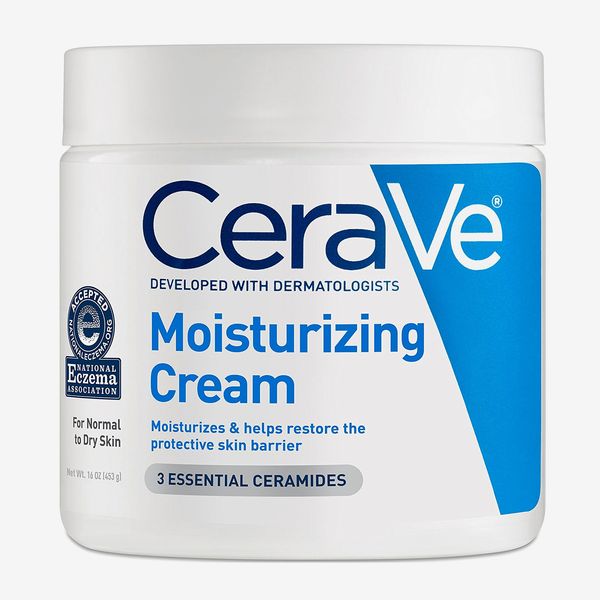
Just because a skin-care product is more expensive doesn’t automatically make it more effective. And if you’re just looking for a solid option to moisturize, odds are you can find that in an inexpensive drugstore formulation in the $15-to-$50 range that is still full of ingredients like hyaluronic acid, peptides, and ceramides. Ultimately, it’s about balancing your skin-care goals with your budget and giving your skin care time to do its job. “Whether your cream costs $15 or $150, the most effective cream is the one you’ll use every single day. Consistency is more powerful than price,” says Kim. “Affordable creams can still work, but results may take longer,” adds Buxton.
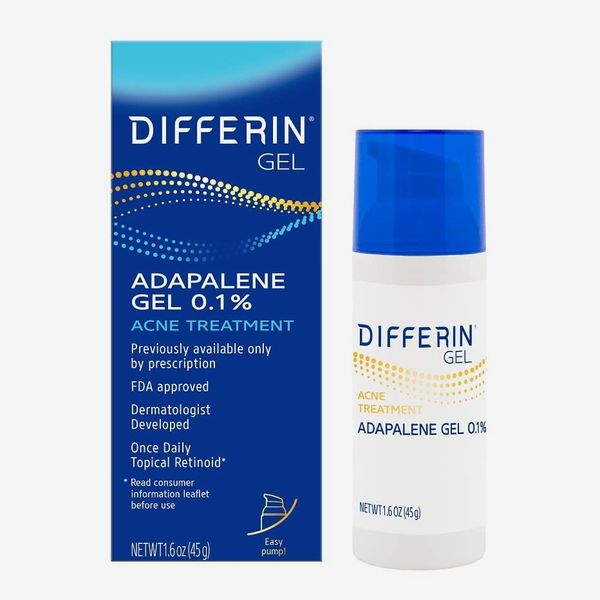
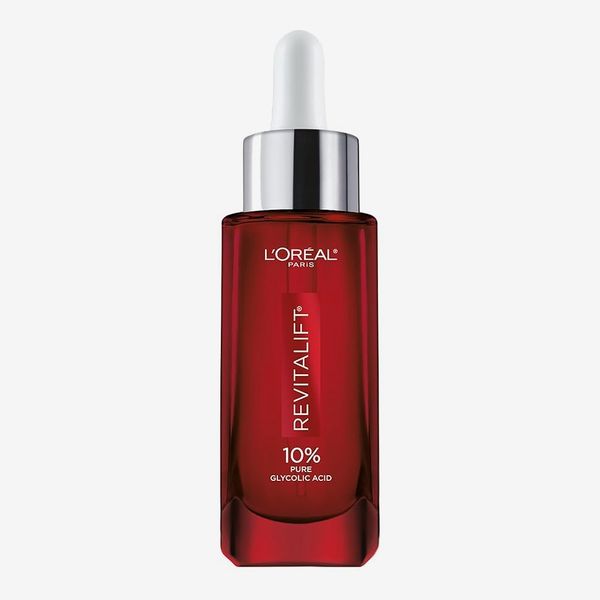
However, if you are trying to achieve more serious results when it comes to smoothing wrinkles or treating hyperpigmentation, then you might want to consider investing in a more concentrated and tested product. Especially if you’re looking to buy something that is formulated with either retinol or vitamin C. While you probably don’t need to spend north of $200, if you have the budget, investing in a well-formulated product with a high concentration of active ingredients that has clinical testing behind it will probably give you more noticeable results faster.
Products We Stand Behind
Under $20

New! You can now save this product for later.
New! You can now save this product for later.
New! You can now save this product for later.
Under $100
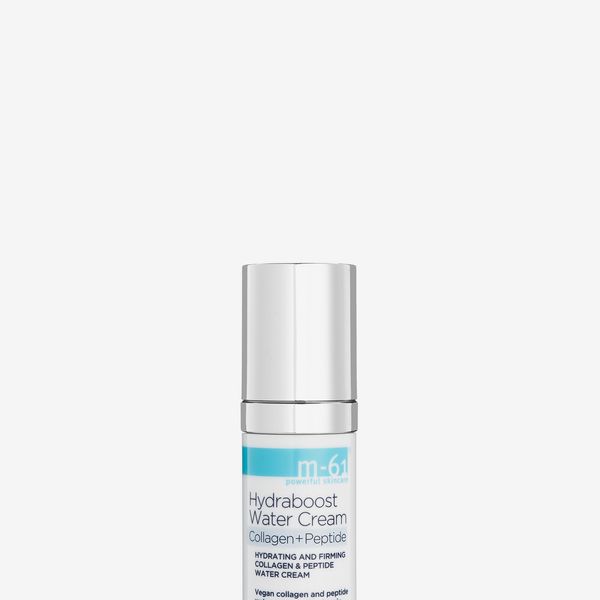
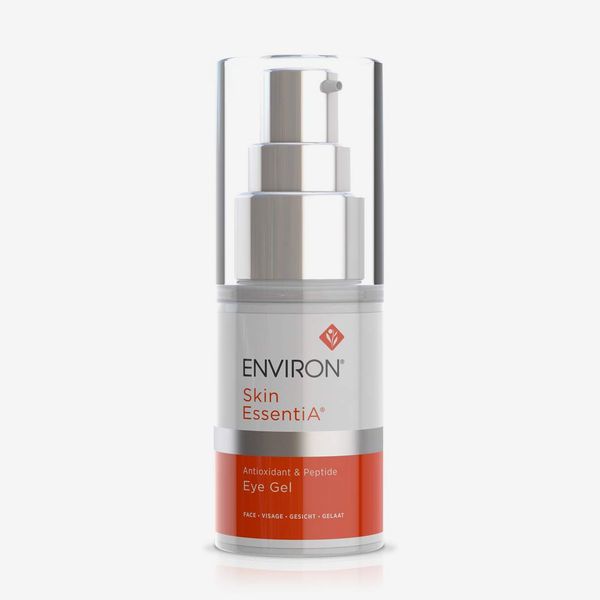
Over $100
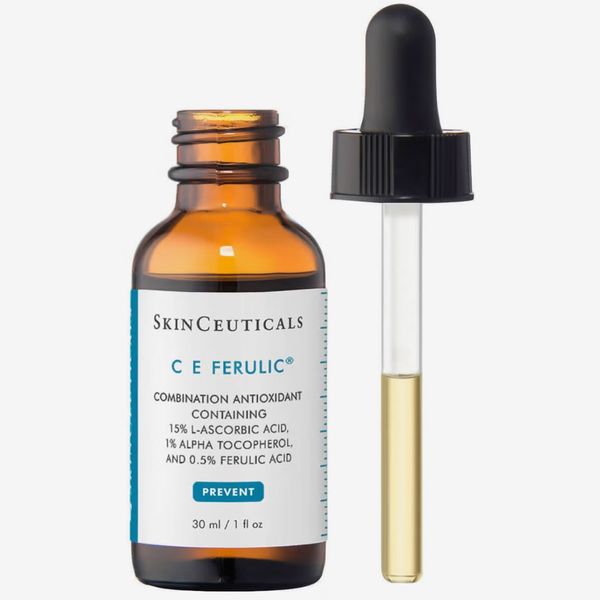
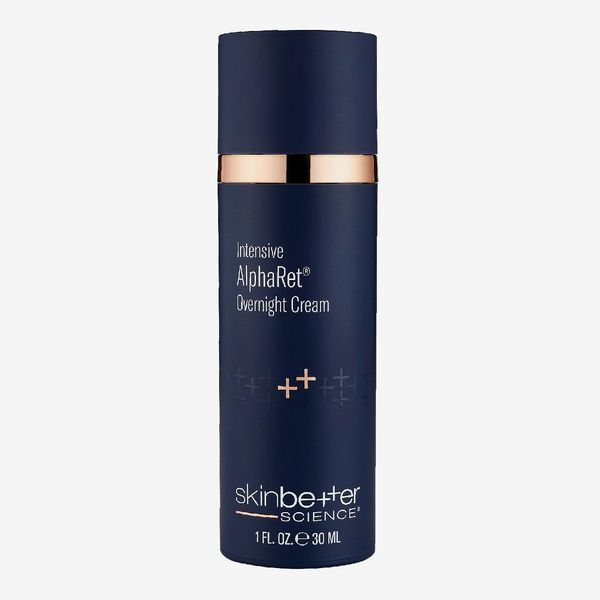
The Strategist is designed to surface useful, expert recommendations for things to buy across the vast e-commerce landscape. Every product is independently selected by our team of editors, whom you can read about here. We update links when possible, but note that deals can expire and all prices are subject to change.