Save this article to read it later.
Find this story in your account’s ‘Saved for Later’ section.

Surfing may call to mind images of tan and shirtless men, but in reality, a lot of requisite surf gear has to do with covering skin. In cooler climates — even in the summer — you’ll likely want a full-length neoprene wet suit. If you’re lucky enough to surf in tropical climates, you’ll have more flexibility but still need a rash guard (short- or long-sleeved stretch tops) or spring suit (one-piece suits with short sleeves and legs) to protect your chest and arms from rough boards. And no matter where you surf, you’ll need sun protection beyond sunscreen. Luckily, most surf apparel is UPF (protection for fabric) 50.
“Wet-suit companies are always looking into being more flexible, more comfortable, more long-lasting,” says Corey Senese, instructor at CoreysWave in Montauk. But the single most critical factor is the thickness of a suit’s neoprene material. That ranges from one millimeter thick for hot weather up to a bulky six millimeter for close-to-freezing temperatures. Beyond that, go with what seasoned surfers and instructors like — they’re the ones in the water. We asked a handful for what they recommend, starting with warm-water gear and ending on a chillier note.
New! You can now save this product for later.
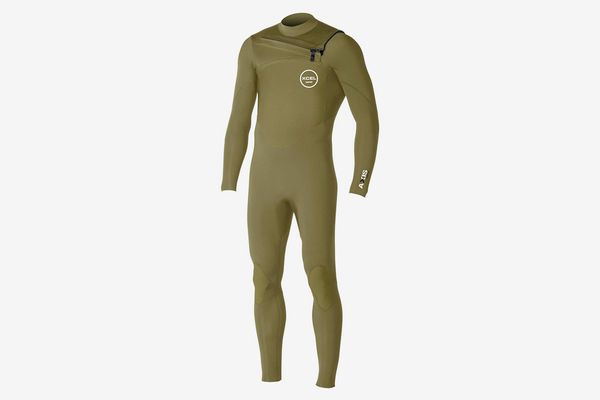
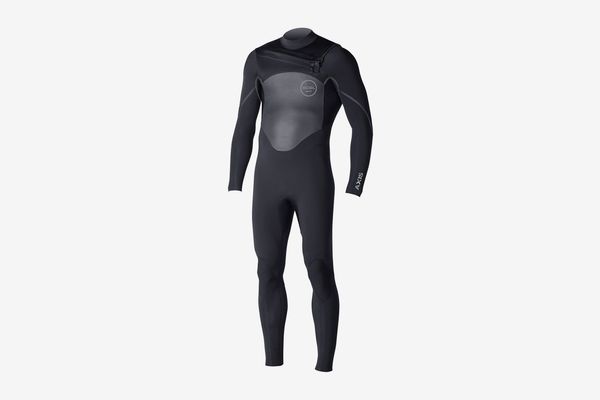
In warmer weather, Senese wears a short-sleeved two mm Xcel spring suit with a full leg (pictured is a long-sleeved suit, obviously, but it’s also two mm). “They keep you warm enough and they keep your shoulders covered, but you’re not suffocating in the hotter temperature,” he says. “It’s not a summer suit that you’d wear in the tropics, but for summer in New York, it’s great.”
New! You can now save this product for later.
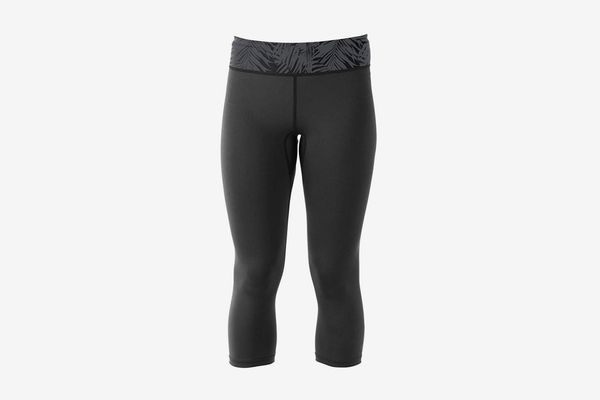
Kristin Senese, who runs CoreysWave with her husband, also likes surf leggings, a newer option that goes over a swimsuit or with a rash guard and offers more coverage for warm but not hot temperatures. “They’re either wet-suit material — neoprene — or Lycra, and they do have UV protection in them, which is a big deal,” she says. “I like not having to worry about having every inch of me sunscreen-ed.”
New! You can now save this product for later.
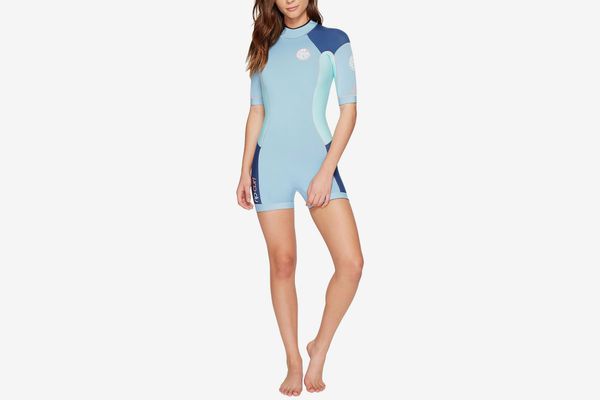
“When it’s 75 degrees in the water, I don’t put a wet suit on. It’s not necessary,” says surf instructor Nancy Emerson, who operates eponymous surf schools in Hawaii and Australia. “But if it starts to get cold, I’ll put on either a short john” — a sleeveless spring suit — “and a rash guard under it, or a spring suit, which is above the knee and above the elbow.”
New! You can now save this product for later.
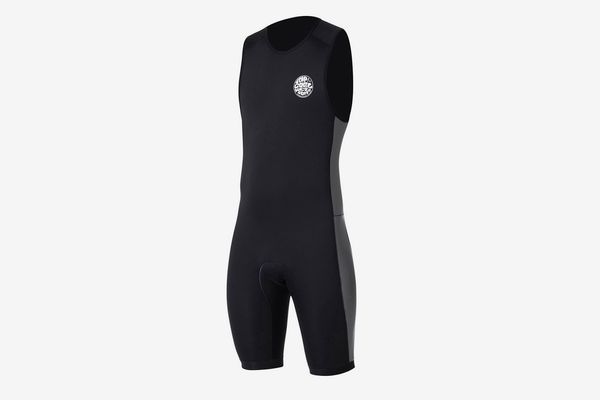
The equivalent for men would be this Rip Curl “short john.”
New! You can now save this product for later.
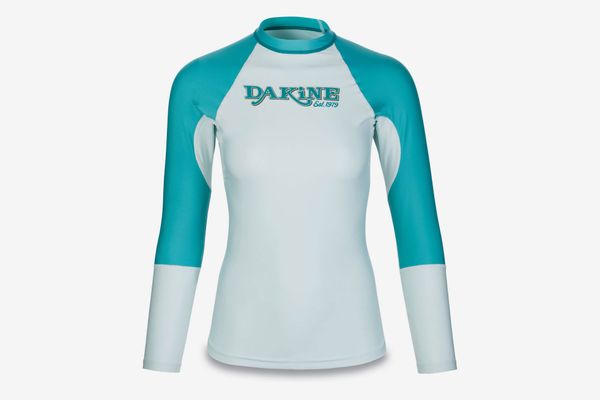
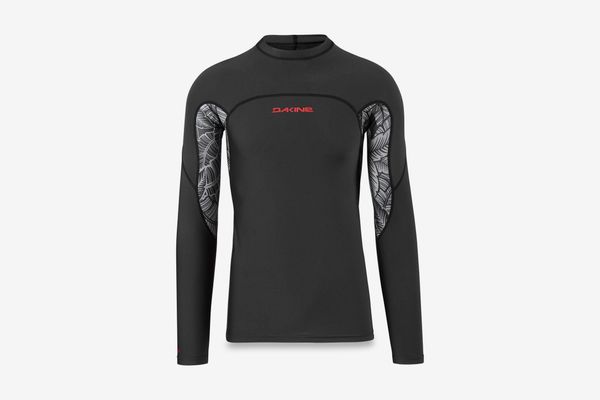
Dakine rash guards are “really flexible and they give me good sun protection,” says California surfer Liv Stokes. “That’s all a rash guard is, really. Some rash guards, when you get them wet, kind of cling to you, and I find Dakine don’t do that — they wick away.”
New! You can now save this product for later.
New! You can now save this product for later.
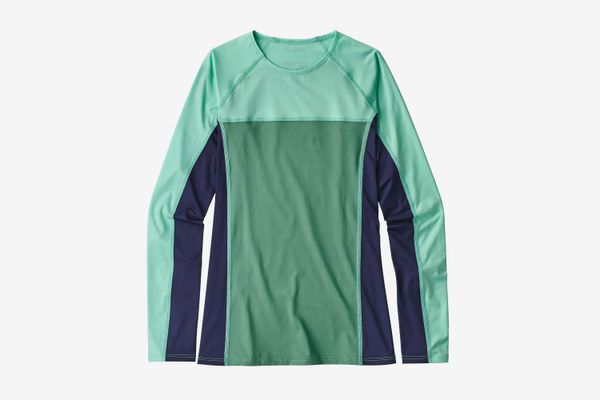
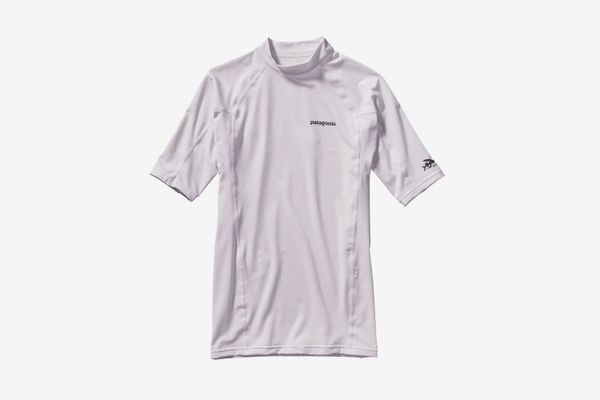
Emerson seconds the recommendation for Dakine, one of her sponsors, but she also likes Patagonia’s surf gear, which is made using recycled materials: “There’s too much plastic being used and all this unfortunate stuff going into our oceans.”
New! You can now save this product for later.
A nice short-sleeved — and eco-friendly! — men’s rashguard.
New! You can now save this product for later.
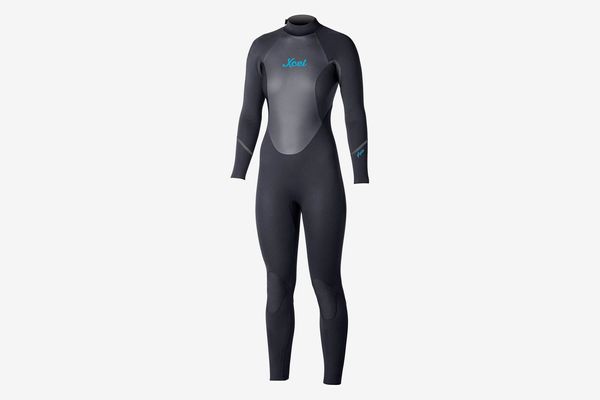
Senese says he’s loyal to established brand Xcel, which conducts “serious R&D on a level that you might not expect”; the company also manufactures pro-quality suits aimed at military personnel and rescue divers. For beginner surfers, they suggest the more moderately priced Axis line. “We get all Axis suits for our students because they’re super toasty, they’re flexible, and they last,” he says. “It’s a challenge to put on a wet suit if you’re a new surfer. A back zip is a lot easier to get into.”
New! You can now save this product for later.
New! You can now save this product for later.
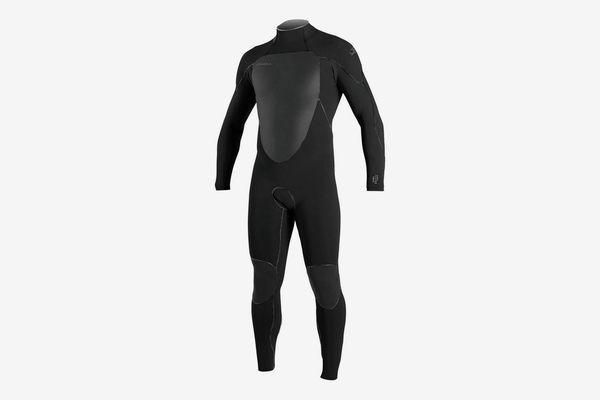
Hawaii-based surf instructor Mike Eubanks says O’Neill suits have a technical edge, and he credits the brand with pioneering durable, watertight welded wet-suit seams. “The welding technique they use is standard now,” he says, but “to truly appreciate an O’Neill Psycho-Freak, you have to physically touch the wet suit. The material feels dynamic, futuristic, high-tech, light, quick-drying, and flexible.”
New! You can now save this product for later.
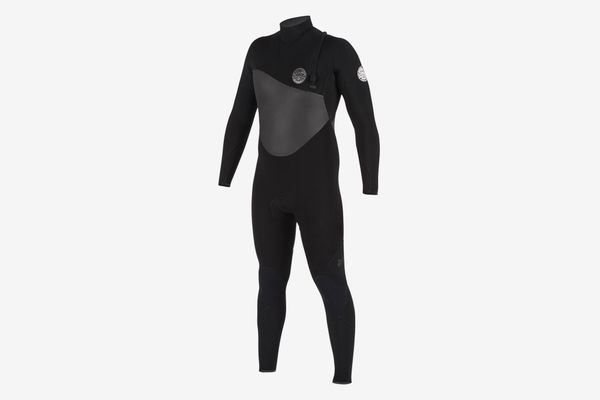
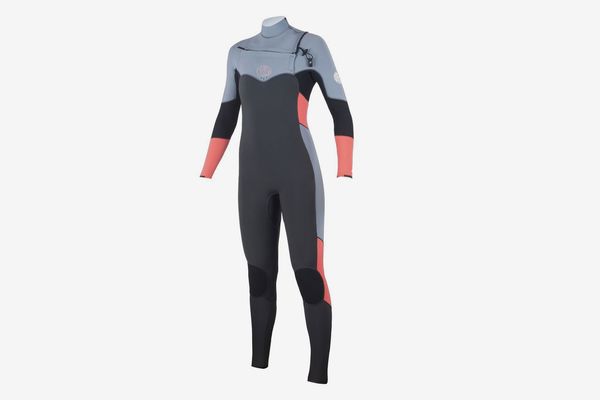
For colder water on the East Coast or in Northern California, look for a 4/3 suit — that’s four mm of neoprene in the torso and three mm in the limbs — that will keep you warmer than a 3/2. Emerson says her go-to recommendation is Rip Curl’s signature Flashbomb model, so named for its fast-drying “Flash Lining” interior material. It’s warm enough that she used to wear her Rip Curl wet suits “back in the day when I went skiing in Lake Tahoe,” she says. “I wore a full-length wet suit. I’m an island girl.”
New! You can now save this product for later.
Same, for the ladies.
New! You can now save this product for later.
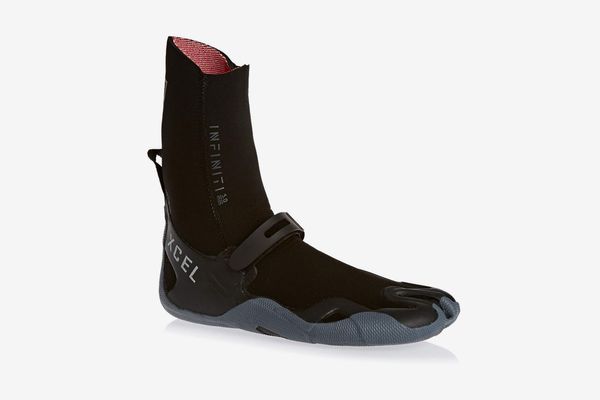
“Anything under 60 degrees is cold enough that you may need boots,” says Kristin Senese, and in the dead of winter, water temperatures on the East Coast can get as low as the 30s and 40s. For the bravest of cold-water surfers, the Seneses recommend a hooded wet suit with a thickness of at least 5/4 mm, paired with seven mm neoprene surf booties and gloves. “My new favorite booties are Infinitis,” Corey says. “They’re perfect — they’re so on top of the cutting edge of comfort right now.” (They’re also available in one, three, five, and eight mm versions.)
New! You can now save this product for later.
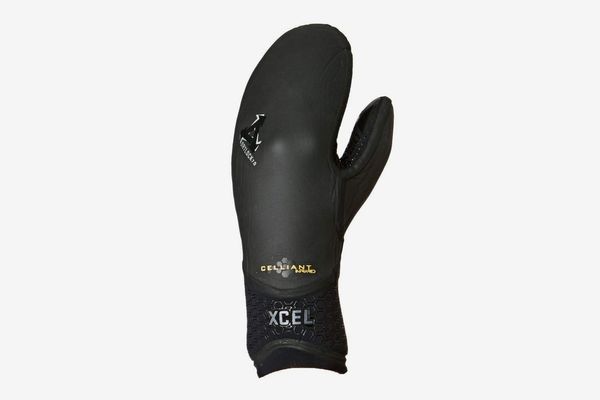
To match, Senese recommends these Xcel mittens.
The Strategist is designed to surface the most useful, expert recommendations for things to buy across the vast e-commerce landscape. Some of our latest conquests include the best women’s jeans, rolling luggage, pillows for side sleepers, ultra-flattering pants, and bath towels. We update links when possible, but note that deals can expire and all prices are subject to change.
Every editorial product is independently selected. If you buy something through our links, New York may earn an affiliate commission.