Jones Road’s Color Corrector Might Be the Difference Between Good Makeup and Great Makeup

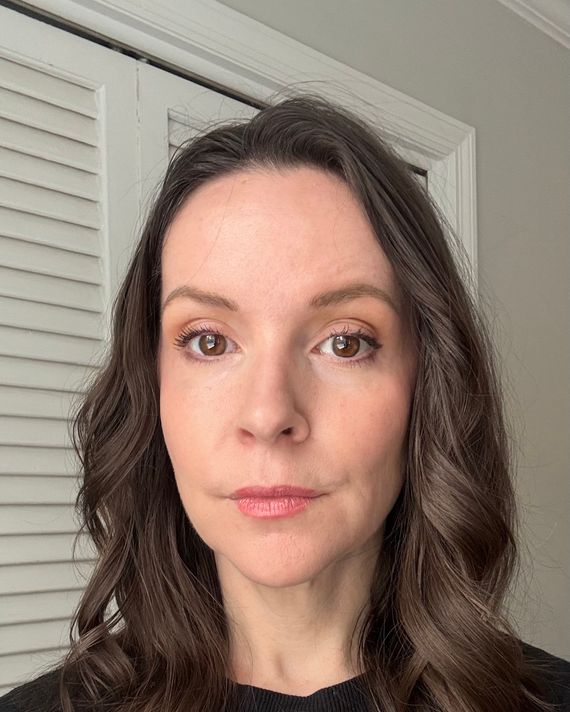
For years, color correcting was one of those makeup techniques that I knew I should do but never did. It always seemed a bit advanced for my otherwise simple makeup routine and just one more step in the process. Then Jones Road launched a color corrector this fall — Wide Awake Brightening Neutralizer — along with its new Wide Awake Brightening Concealer, a separate product that is meant to be applied before the concealer to correct discoloration. Fine, I’ll try it, I thought, because I typically like Jones Road products. When I looked back at pictures from the event I wore it to, I could see that my skin tone looked more cohesive and my makeup looked more finished than it usually does. Since then, I’ve been color correcting my under eyes regularly and also dabbing the product on broken capillaries around my face before using concealer and foundation.

I suspect I’m not alone here. Most makeup wearers are probably not color correcting before concealer or foundation because it just seems too pro-level or maybe even intimidating, but it’s work worth doing, says makeup artist Daniel Martin. I asked him to break down and demystify the technique.
Color correction takes makeup from good to great
Most people don’t have just one tone on their face. We may have darkness under the eyes, redness around the nose or on the cheeks, or darker patches on parts of the face, and foundation isn’t necessarily going to cover it all. You may be thinking, But isn’t that what concealer is for? Yes, and concealers may cover discoloration, but sometimes those underlying blue, purple, or red areas still show through. A color corrector counteracts that tone before you add coverage. Martin admits it’s precision work, but it’s an additional step that ultimately makes the rest of your makeup look better. “If you’re someone who has dark under eyes, that’s where you want to spend your most time,” he says. “Once that’s perfected and blended, everything else is pretty easy.”
How to pick the right tone
This is the intimidating part for many people, but it’s basic color theory. Color correctors come in a range of shades, including pinks, peaches, apricots, yellows, and greens. Most people benefit from a peachy tone (ranging from light to dark peaches) under the eyes, which neutralizes purply blue tones. Deep apricots are also helpful for gray tones or brown spots. It’s often said that green is best for counteracting redness, but Martin isn’t a fan. “They’re sometimes too green,” he says. Instead, he uses yellow on redness. “The yellow and red of your skin creates an orange or a peach tone, and I like bringing more warmth to the skin.”
For me, the texture of the corrector makes a difference. I’ve tried some liquid correctors that seemed too wet and slippery and just mixed in with the concealer. Hours later, I could see the peach tone under my eyes. The Jones Road neutralizer is creamy but not wet and easy to pat onto the skin without slipping around too much. Martin says the texture is really a matter of preference, and skin prep plays a bigger role in how it applies and layers.
How to apply color corrector
As mentioned, skin prep matters a lot here. When I told Martin about my “too wet” corrector, he suspected that I didn’t allow the emollients in my eye cream to sink in first. So allow at least five minutes after applying serums and moisturizers before going in with a corrector. Martin likes to use his fingers, not a brush, to correct. “I like to use the heat from my hands to lay the product and keep it from looking dry or cakey,” he says. “You want it to meld; you don’t want it to just sit on your skin.” He then adds concealer and foundation. For stubborn discoloration, Martin will then go back in with the corrector over the foundation, too, and finish with a light dusting of powder to set.
Color correctors worth trying
New! You can now save this product for later.
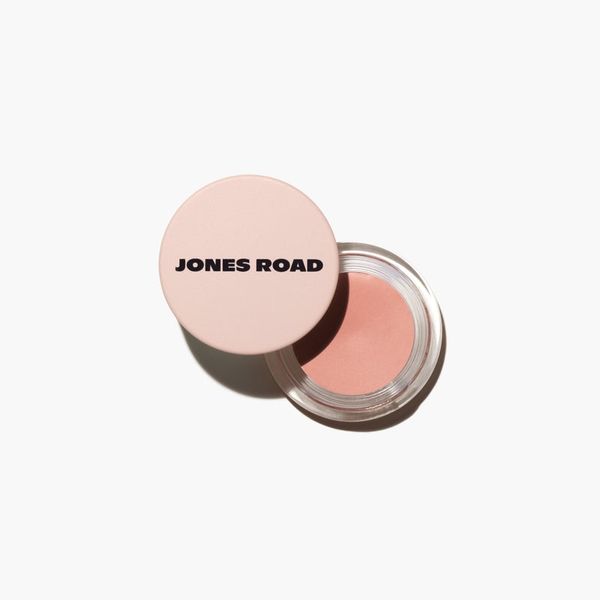
This is the one I’ve been applying. It comes in nine different shades. I’m using Light Peachy Pink, which is the perfect, not-too-pink-not-too-peach shade that’s just right for my light skin.
New! You can now save this product for later.
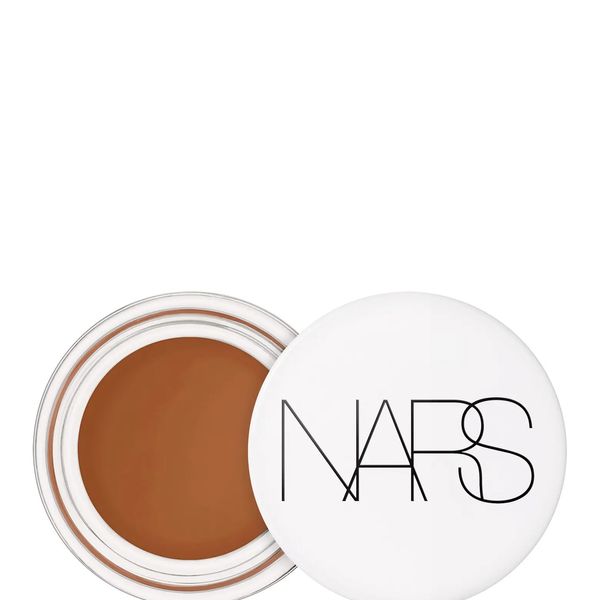
“I recently used this on actor Naomi Akie,” says Martin. “It’s made for the eyes, but I wound up using it to correct all over her face. The dry-down was quick.”
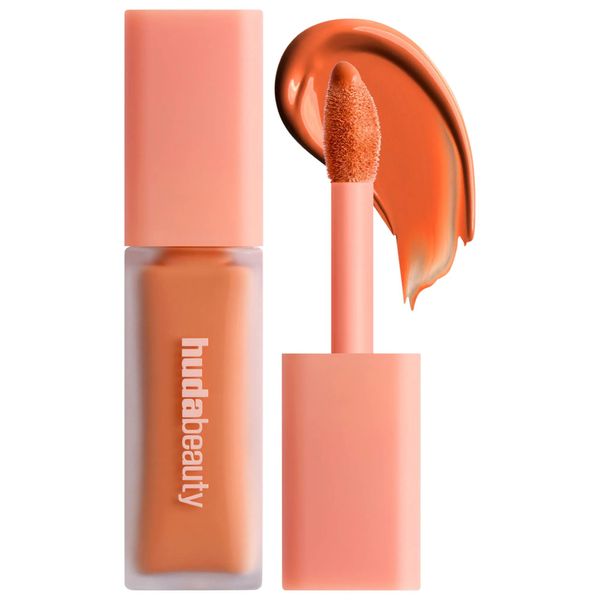
New! You can now save this product for later.
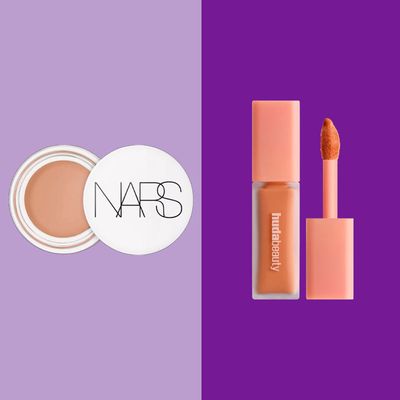
“Huda Beauty has a nice corrector that I just started using,” says Martin. “It’s pretty wet, but the pigment dries down really fast. You can get a trial size at Sephora, which is nice if you don’t want to commit to a big one yet.”
Color-correctors we’ve written about before
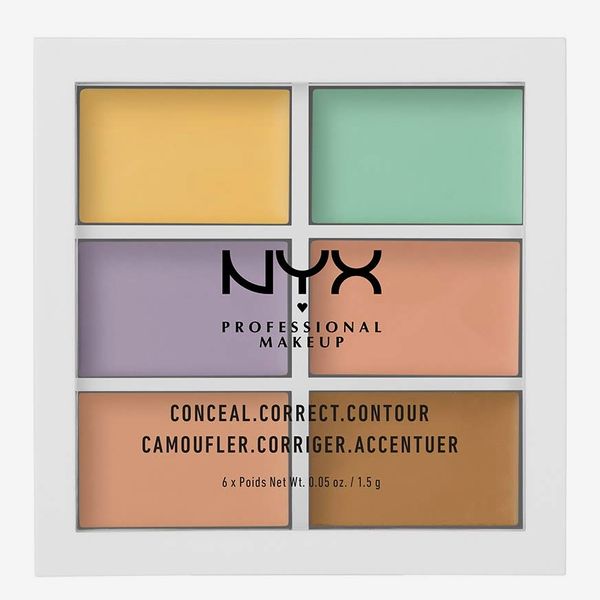
New! You can now save this product for later.
Makeup artist Scott Barnes says these drugstore correctors are excellent.
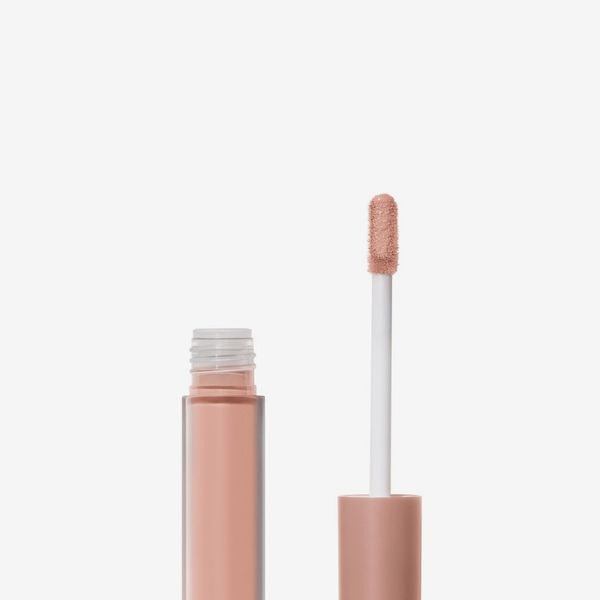
New! You can now save this product for later.
Dermatologist Kiran Mian uses this to neutralize darkness around her mouth.

New! You can now save this product for later.
Beauty expert and hairstylist David Lopez says it has a skinlike finish and can brighten or cover.
More From The Strategist
- Hark, the Advent Calendars Arrived (Very) Early This Year
- The Best Things Strategist Editors Have Bought This Year (So Far)
- 63 Things You Should Never Buy Full Price
- The Strategist Fall 100
The Strategist is designed to surface useful, expert recommendations for things to buy across the vast e-commerce landscape. Every product is independently selected by our team of editors, whom you can read about here. We update links when possible, but note that deals can expire and all prices are subject to change.