Rio Viera-Newton Solved Her Crunchy, Frizzy Hair at the Drugstore

Save this article to read it later.
Find this story in your account’s ‘Saved for Later’ section.

Throughout my time as a beauty writer, I’ve been through just about every hair phase imaginable, including but not limited to bright blonde, strawberry blonde, lobster red, dark brown, mousy brown, jet black, and everything in between. But as I transitioned into my 30s, I decided I wanted to be much more mindful about damage, so I cut my hair into a bob, swore off bleach, and started opting for a gentler demi-permanent dye at the salon whenever possible.
I also began sleeping exclusively on silk pillowcases, barely reached for hot tools, and used hair-care products with only exceptional reviews, even if they were painfully expensive. I was committed to my rehabilitation journey. So I, for the life of me, could not understand why my hair felt and looked worse.
For one, it was absurdly frizzy and poofy, much more so than usual. But the strangest issue was the texture, which felt weighed down, tacky, and almost sticky, which was a horrible feeling and something I had never experienced before.
It wasn’t until I started doing some intense sleuthing online (thank you, cosmetic chemists of Reddit and Substack!) that I realized there is a huge surge in bond-building and protein-repairing hair products, which might have actually been causing this hair dilemma.
Over the last two or so years, bond builders and protein treatments have exploded in popularity, following the success of products like Olaplex’s Bond Maintenance treatments, K18, and Dove’s internet-beloved Intensive Repair line. Now, these ingredients have slipped into pretty much every category of hair care — shampoos, conditioners, masks, leave-ins, oils, you name it. They are everywhere.
The issue is they aren’t always prominently advertised on the front of the bottle, meaning it’s surprisingly easy to build a whole routine packed with bond builders and protein without even realizing it. And that, as it turns out, can be a problem.
When you start layering multiple protein-rich products throughout your routine, you can end up giving your hair more strengthening treatment than it actually needs, which ironically ends up damaging the hair. This can leave strands feeling stiff, dry, rough, or brittle and even more frizzy.
Bond builders, on the other hand, are designed to repair or reinforce damaged bonds within the hair, so using them constantly isn’t necessarily harmful — but if you’re layering several bond-building products throughout your routine, you may be overtreating hair that doesn’t need that much repair, leaving it feeling heavy, coated, or sticky.
And if you’re using loads of both ingredients unknowingly — like I had been — things can become an unpleasant combination of the two.
One evening, I sat down on my bathroom floor and scanned the ingredient lists of all my hair products and was shocked to realize that almost every single product in my routine contained protein and/or bond-building properties. Without even realizing it, I had turned my entire hair-care routine into one giant, intense repair treatment.
After my revelation, I stripped my routine back to a simple shampoo and conditioner (I like Amika’s Hydro Rush line, but more on that later). I eliminated protein and bond builders and kept things as simple as possible until, about three weeks later, my hair started feeling like itself again. But once the shine and bounce came back, I started wondering if there were a way I could use these products without ending up back where I started. Clearly, they’re popular for a reason. Cosmetic chemists and reputable hair-care brands aren’t putting these ingredients into formulas for fun. When used correctly, they can do some pretty incredible things for the hair.
After about a month and change of taking a break from all protein and bond-building products, I began reintroducing them strategically — starting with a protein treatment, then a bond builder, and making sure never to use them on the same day. The difference was incredible. My hair felt stronger, silkier, shinier, and healthier than it had in years. I learned that the problem wasn’t the protein or the bond builders themselves, but the unknowing overload and general lack of education about them.
I do think these products could stand to be advertised a little more carefully. When “repair” is plastered across seemingly every bottle on the shelf, it’s easy to assume that more repair must just mean healthier hair. But your shampoo doesn’t need to be a treatment, your conditioner doesn’t need to be a treatment, and your leave-in doesn’t need to be a treatment, too. Sometimes one well-chosen repair product is more than enough.
So after going down more hair-care wormholes than I care to admit, I’ve finally figured out how to use these products without sending my hair back into chaos. And because I now understand why everyone is so obsessed with them, I’m here to show you how to get all the benefits without going overboard — and, of course, at a reasonable price.
Use protein only when your hair feels weak or overly stretchy
New! You can now save this product for later.
First things first: Do not use protein and bond-building treatment products on the same day. Choose your fighter!
Protein treatments are designed to temporarily strengthen and smooth the hair, which can be especially helpful when your hair feels weak, overly stretchy, or prone to breakage. Because too much protein can leave some hair feeling stiff and brittle, I prefer using it in a rinse-out conditioner or mask rather than a leave-in product. That way, you get the strengthening benefits without having a protein-heavy product sitting on your hair all day.
You can start by using one every couple of weeks, then adjust based on how your hair feels. As if your hair starts feeling a little off, just back off for a few weeks.
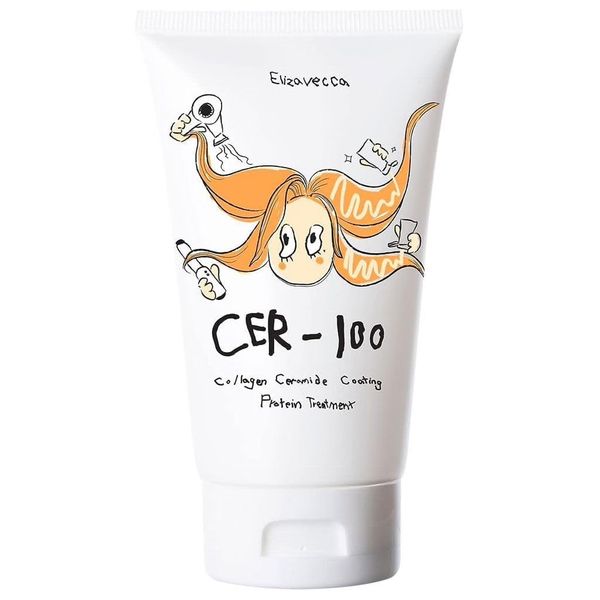
I really love the Elizavecca Milky Piggy Protein Treatment, a K-beauty product I picked up on a whim. Its mix of hydrolyzed proteins can temporarily fill in and smooth rough spots along the hair, while ceramides help condition and seal the surface. You put it on after shampooing, let it sit for about five minutes, and rinse it out. The result is hair that feels incredibly silky and strong without weighing it down. I’d recommend using it every once in a while, say, once a month, rather than making it a regular part of your routine.
Use a bond builder when your hair has been damaged by chemical treatments
New! You can now save this product for later.
Bond builders are meant for hair that’s been weakened by things like bleaching, coloring, or other chemical processing. While protein treatments strengthen and smooth the hair, bond builders are more specifically focused on reinforcing the bonds that give your hair its structure.
There are lots of different formulas and ways to use them, so just follow the instructions on the bottle.
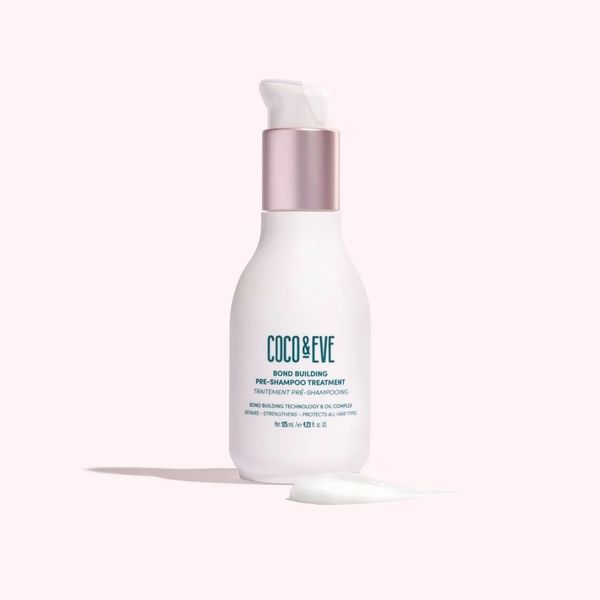
If we’re going fancy, I do adore K18’s Leave-In Treatment. But on a budget, I really like Coco & Eve’s Bond Building Pre-Shampoo Treatment. You apply it to damp hair, leave it on for at least ten minutes, rinse it out, and then shampoo and condition (with products that do not have protein in them!).
I’d reach for something like this every couple of weeks or whenever my hair has been through a particularly rough stretch of bleaching or coloring. You don’t need to use it every time you wash your hair. If your hair is happy, let it be happy!
New! You can now save this product for later.
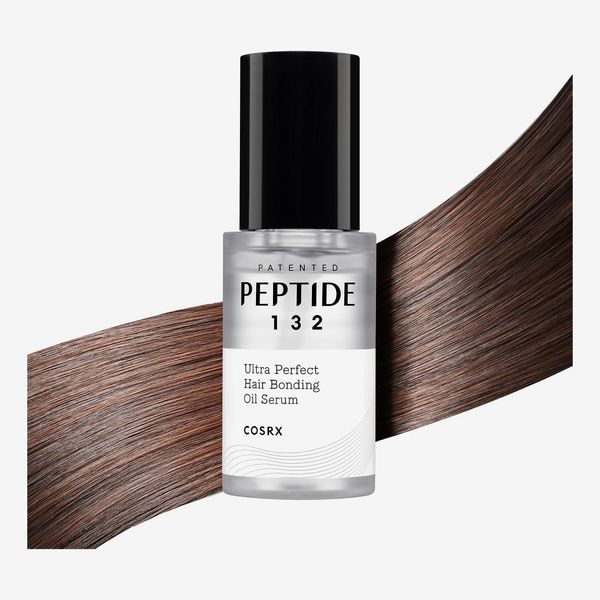
I also really like, from the same line, the CosRx Peptide-132 Ultra Perfect Hair Bonding Oil Serum because it gives you some of the benefits of a bond-building treatment while also acting like a traditional hair oil. It’s a good beginner bond-building product.
You use a small amount on damp or dry hair, and it helps smooth, soften, add shine, and tame frizz while the bonding technology strengthens damaged hair. If your main concern is serious damage from bleaching or chemical processing, I’d choose a dedicated bond-building treatment like
the INKEY List PCA Bond Repair. But if you want a little bonding care alongside the smoothing and shine you’d expect from an oil, the CosRx is a great option. You can technically use both, but I don’t think you need to. Pick one bond-building product and let it do its thing rather than piling multiple repair products onto your hair.
Here’s a combination to tackle both (without overloading your hair)
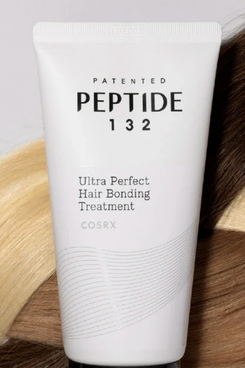
The CosRx Peptide-132 Ultra Perfect Hair Bonding Treatment is a nice middle ground if the whole protein–versus–bond builder thing is starting to feel like a lot. It combines bond-building technology with proteins, peptides, and amino acids, so you’re getting both strength and repair in one treatment rather than having to figure out when to use each one separately.
The important thing is that these ingredients have been formulated together in a single product, so you’re not stacking multiple protein and bond-building treatments on top of one another.
For anyone who wants the benefits of both but doesn’t want to spend their life analyzing their hair-care routine, this is a pretty easy way to do it.
New! You can now save this product for later.
Day-to-day: simple hydrating shampoo and conditioner
New! You can now save this product for later.
When it comes to your everyday shampoo and conditioner, I found that the best way is to keep things simple. Your shampoo and conditioner can just cleanse, hydrate, and condition your hair without the intensity of a protein or bond-building formula.
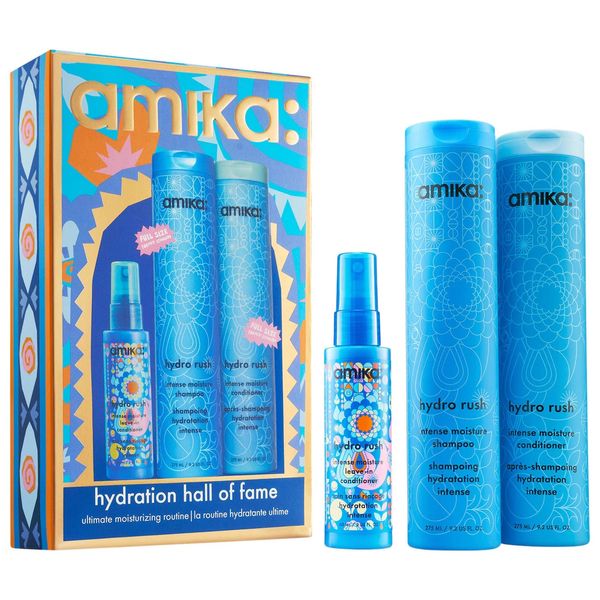
For this, I really like Amika’s Hydro Rush line because it’s focused on good ol’ hydration. The formulas use moisturizing ingredients like hyaluronic acid, squalane, and polyglutamic acid to keep hair soft, smooth, and hydrated. In other words, they’re doing the basic job of shampoo and conditioner without adding another layer of protein or bond-building ingredients to a routine that already has a treatment in it. This is the kind of everyday baseline that leaves your hair moisturized without doing anything too fancy.
More From The Strategist
- Every Holiday Gift Guide From the Strategist (So Far)
- The Best Advent Calendars This Year (So Far)
- The Best Things Strategist Editors Have Bought This Year (So Far)
- 63 Things You Should Never Buy Full Price
The Strategist is designed to surface useful, expert recommendations for things to buy across the vast e-commerce landscape. Every product is independently selected by our team of editors, whom you can read about here. We update links when possible, but note that deals can expire and all prices are subject to change.