The End of De Minimis Will Change the Way I Shop


If you’ve ordered something from another country sometime in the last ten years that was worth less than $800, you’ve benefited from the de minimisexemption. The policy, which comes from a Latin phrase meaning “the least,” exempts low-value shipments from the duties and taxes you’d otherwise pay for importing goods into the United States. Many countries have some kind of de minimisexemption — it’s 150 euros for countries in the European Union and ranges from about $14 to $110 for Canada, depending on where the shipment originates.
Imagine a factory in China makes two shirts. If you buy that shirt from a store in your local mall, you’ll pay for the cost of production plus the cost of importing the shirt to the U.S., warehousing it, the store’s rent and utilities, and the wages of the U.S. worker who sells it. If you buy it from Shein, the de minimisexemption allows you to skip most of those costs and pay none of the taxes or fees a larger-volume importer would pay. That’s why the policy is popular with consumers and unpopular with U.S. trade groups like the National Council of Textile Organizations and the AFL-CIO.
The U.S. raised the threshold for the exemption from $200 to $800 in 2015, and since then, the volume of de minimispackages sent to the U.S. has exploded — some 1.36 billion were processed just last year, nearly a tenfold increase from 2015. Direct-to-consumer e-commerce sites like Shein and Temu account for around 30 percent of those packages, according to a congressional report.
On April 2, the Trump administration issued an executive order eliminating the de minimisloophole for shipments coming from China. “Much of what comes through the de minimis channel is household goods, apparel, and electronics,” said Amit Khandelwal, professor of global affairs and economics at Yale University. “Our research found that eliminating the de minimis exemption for all imports would particularly hurt lower-income households.”
It goes into effect May 2.
The de minimis loophole hasn’t closed just yet — but once it does, packages from China formerly covered by the exemption will be hit with a 120 percent duty on the value of the goods or a $100 flat fee, which will increase to $200 on June 1.
It’s not good for Temu or Shein shoppers …
Shoppers who use Chinese e-commerce platforms like Temu, Shein, or AliExpress are “likely to feel the impacts of this the quickest,” said Kate Nishimura, features editor at Sourcing Journal. “De minimis is the backbone of their business model.” Both platforms have announced that they’ll raise prices starting on April 25.
… Or, arguably, anybody.
“I’m hard pressed to see who actually benefits from this,” says Simon Schropp, an economist and director at Berkeley Research Group. Even consumers who don’t make frequent use of Temu or Shein will still feel the effects: Prices will go up at small businesses using components from China that might have previously fallen under de minimis,and more stringent import rules will likely lead to shipping delays (FedEx and UPS have already added a “surge fee” for goods entering the U.S. from China). Larger companies will also likely see delays at the ports due to the backlog.
The change only applies to packages from China — but don’t count on it staying that way.
I hadn’t realized before writing this article that I’m a prolific user of the de minimisexemption. I’ve bought Toyo Sasaki glasses from Amazon Japan, vintage lamps from Italy, silly little fashion tees from Ssense in Canada, leather pants from the U.K. via Etsy, and a blobby silver carabiner from South Korea. I wired money to Super Yaya designer Rym Beydoun in Lebanon for a suit to wear to a wedding. All of those international shipments fell under de minimis, so I didn’t have to pay duties or file paperwork. And that’s still the case, for now — the loophole remains in effect for countries other than China.
China accounts for about half of the de minimis packages coming into the United States. Some logistics companies are rerouting packages through countries where the loophole is still in effect, like other Asian nations and Mexico. But the experts I spoke to doubt it’ll stay open. “I think they’re tackling the biggest volume driver first, which is China, and then waiting to see — If this works, and we don’t completely break our system, can we do it for the rest of the world?” said Nishimura. “It’s wise to assume that this is the precursor to eliminating it.”
What will replace cheap e-commerce?
If your Shein summer haul or Temu portable spa gets hit with a $200 duty, where will you go instead? “That’s the billion-dollar question right now,” says Nishimura. “People, especially young shoppers, want it fast, they want free shipping, and they don’t want to pay a lot. There’s going to be a big vacuum to fill when it comes to mass-market, low-cost retail.” Amazon seems like an obvious choice, but the retailer will still get hit by the 145 percent tariff on imports from China via the formal entry process, regardless of what’s happening with de minimis.
“I can pretty much rule out one thing: that things are going to be produced in the U.S. over the short to medium term,” says Schropp.
I’m keeping an eye on secondhand markets like Depop, ThredUp, and Poshmark. According to a recent ThredUp report, the secondhand clothing industry grew 14 percent in 2024, five times faster than the broader apparel industry, thanks in part to Gen Z’s interest in vintage clothing. But it’s still a relatively small share of the $365 billion U.S. apparel market, and most online secondhand retailers have struggled to turn a profit thus far.
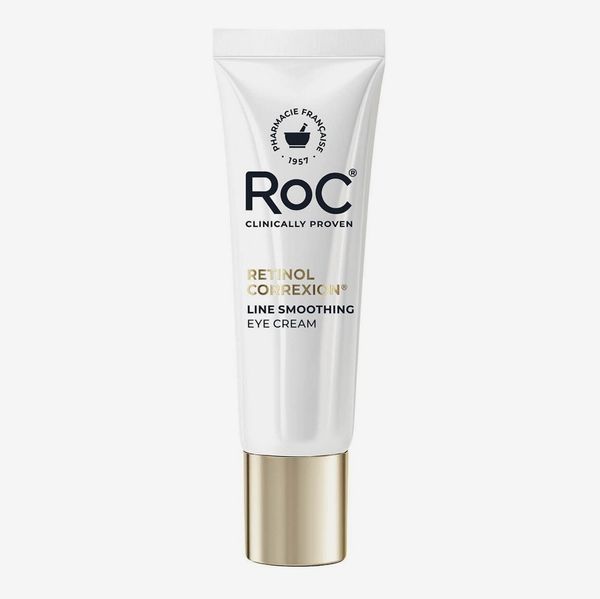
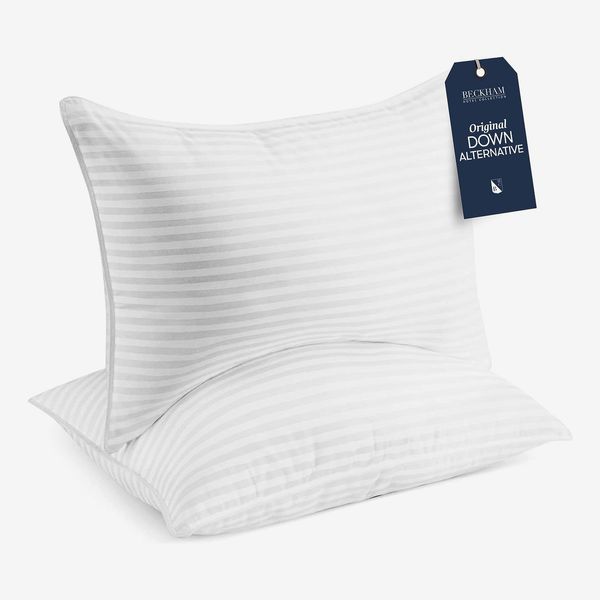
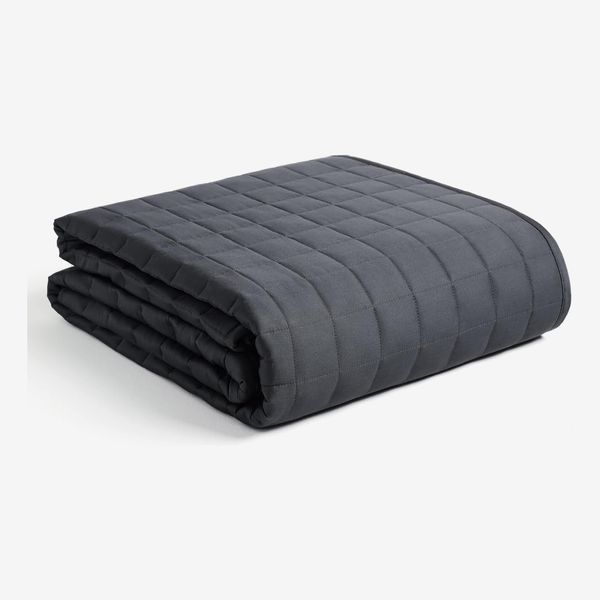
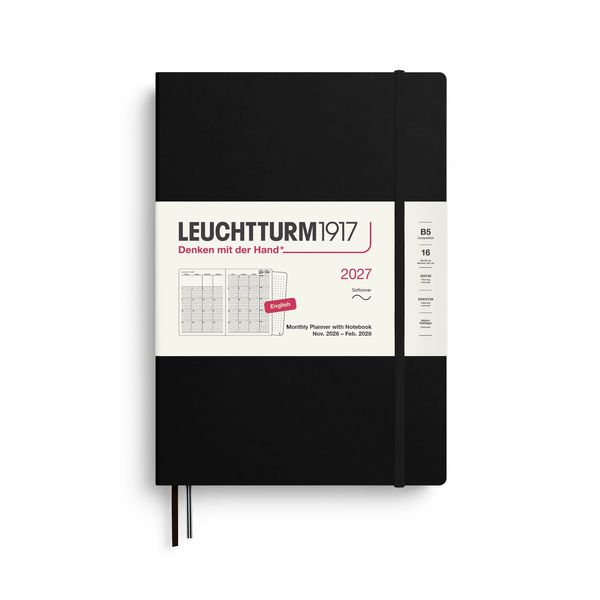
Some products I’ve bought from abroad using de minimis


More From The Strategist
- Hark, the Advent Calendars Arrived (Very) Early This Year
- The Best Things Strategist Editors Have Bought This Year (So Far)
- 63 Things You Should Never Buy Full Price
- The Strategist Fall 100
The Strategist is designed to surface useful, expert recommendations for things to buy across the vast e-commerce landscape. Every product is independently selected by our team of editors, whom you can read about here. We update links when possible, but note that deals can expire and all prices are subject to change.