Do Vagus Nerve Stimulators Actually Work?


Maybe it’s a sign of the times, but my feed this past year has been flooded with ways to calm the nervous system. Things like box breathing, meditation, less scrolling, etc. But recently, I started getting pitch emails and ads about little devices (with not-so-little price tags) that could Zen you out in an instant. I started looking into it and it seems like the wellness industry — podcasters, biohackers, and the like — is very invested in these gadgets that stimulate the vagus nerve to help with relaxation, better sleep, and immune function. I tested out a few of the devices myself and didn’t see a life-altering difference. (If anything, I noticed a shift in awareness that prompted me to take some deep breaths and relax, but I’m also admittedly not someone who tracks their health on a watch or wearable.) To make more sense of it all, I turned to experts. I spoke to a neurologist, neurological spine surgeon, doctor specializing in clinical neurophysiology, and psychiatrist about the vagus nerve, whether or not we should be zapping it, and if the devices are worth it.
What is the vagus nerve?
Before we get into the tech, let’s define the vagus nerve. It’s a pair of cranial nerves (a left and right side) that runs from the brain stem down to the stomach. It contains most of the parasympathetic nervous system’s nerve fibers, which inform your brain, heart, and digestive system. “Think of the vagus nerve as your body’s primary internal superhighway connecting your brain to almost every major organ, your heart, lungs, stomach, and gut,” says Dr. D. Kojo Hamilton, a board-certified neurological spine surgeon and chief of the Neurological Spine Service at UPMC. “Its primary job is to act as the main accelerator and brake pedal for your autonomic nervous system. Specifically, it drives the parasympathetic rest, digest, and calm response.” Things like digestion, heart rate, immune function, and mood are affected by the vagus nerve.
Why stimulate it?
There’s evidence that stimulating the vagus nerve can shift the nervous system from operating in a stressed, “fight-or-flight” state to a relaxed, “rest-and-digest” state. This can be done in a few ways. You can do this naturally through things like deep breathing, cold exposure, humming, and gargling. Then there are the devices. Surgically implanted vagus nerve stimulation (VNS) devices have been FDA approved since the 1990s to treat severe drug-resistant epilepsy and were later used to treat depression. What they’re doing is sending gentle electrical impulses along the nerve to modulate brain activity and autonomic balance, resulting in lower heart rate, calming inflammation, and helping the body shift out of stress mode faster. The implants are backed by “decades of solid data, mostly for epilepsy and depression, because the electrode sits right on the nerve,” says Dr. Alexander Zubkov, a board-certified neurologist and 1MD Nutrition medical expert.
There are also noninvasive vagus nerve stimulators (nVNS) that come as either wearable or handheld devices. They work the same way but send electrical impulses through the surface of the skin. The research and FDA clearance isn’t nearly as long-standing. nVNS devices on the neck — specifically electroCore’s prescription gammaCore system — have had FDA clearance for acute and preventive treatment of migraines and cluster headaches since 2017. The most recent development: consumer devices flooding the market. As I mentioned, I’ve been getting pitches about new ones for months now, all promising to improve sleep, mood, focus, and more.
How effective are the consumer devices?
The jury is still out. Because most of these devices are considered a Class II device by the FDA (meaning low-to-moderate risk), they don’t require FDA clearance to be sold. That opens up a market for devices making broad, sweeping claims. That’s not to say they’re completely based on nothing, though. “Implanted VNS has decades of solid data, mostly for epilepsy and depression, because the electrode sits right on the nerve,” says Zubkov. “The wearable version stimulates the vagus nerve through the ear instead, and its research base is newer but growing fast.” He cites two studies in particular: one done last year that found taVNS did have real effects on the nervous system (results varied depending on stimulation settings) and another showing improvement in chronic insomnia compared to a placebo device. “The evidence is real, but it’s not at implant level yet,” he says.
It’s also worth noting that a lot of the studies are based on measuring heart rate variability (HRV), or measuring the tiny changes in time between heartbeats. Dr. Fawad Mian, who is board certified in neurology, clinical neurophysiology, and sleep medicine, says this data can be “nebulous.” “My question is: What does that even mean? HRV can be because you drank a cup of coffee and the heart rate changed, something you weren’t supposed to eat made you feel sick, you exercised, or something else,” he says. “I think the technology can certainly get a bit better than what it is.”
Are there any potential risks?
Hamilton noted folks with an implanted pacemaker, defibrillator, metal implants in their neck or head, or pregnant people should consult a physician before trying out a vagus nerve stimulator. And while it isn’t too likely, Mian mentioned there is a chance that the device could cause overstimulation and actually speed up heart rate. Because of that risk, though, he says anyone with cardiac issues (heart failure or arrhythmias of any sort) should clear the decision with their doctor.
So what should you look for if you are considering one?
If a device is something you want to try, I asked the experts everything to consider before making the investment. You can narrow down the devices to ones that are placed on the ear (on the tragus or concha of the outer ear) or side of the neck. The first is typically a wearable, like an ear-clip device, which targets the cutaneous branch of the vagus nerve on the ear. The second can be found in handheld devices you’d press against your neck to target the cervical branch near the carotid artery. Devices placed anywhere else on the body are simply “vibrating pucks,” says Hamilton. “While gentle vibration on the wrist can stimulate peripheral nerve pathways that indirectly promote relaxation, it does not directly engage the vagus nerve.”
Next, you should make sure the company has published peer-reviewed data on its specific device, rather than citing broad, unrelated vagus nerve research. “Go back to the data and research that exists in seeing what kind of level of intensity, energy, and signal needs to be driven by that specific device to actually cause a physiological effect,” says Mian.
The next most important thing to consider is devices with adjustable intensity levels rather than a fixed setting. “Nerve sensitivity varies widely between individuals,” says Hamilton. “You need a device that lets you fine-tune the intensity from a barely perceptible tingle to a comfortable threshold.” From there, check to see if the device comes with clear instructions, like timing recommendations (e.g., ten-minute sessions twice daily) rather than leaving it open-ended. Lastly, consider how it will play into your lifestyle. Is a wearable more user-friendly for you than a handheld? Will the device come with other ongoing costs? Check whether it uses a simple rechargeable battery or requires proprietary, expensive gel refills and monthly app subscriptions to function.
Also worth noting: Hamilton says to be skeptical of gadgets claiming to tune your vagus nerve using sound waves, ambient light, or “scalar energy” without publishing controlled, peer-reviewed clinical studies. And be wary of overpromising “miracle” products. “Any brand promising that a five-minute session will permanently cure anxiety, heal autoimmune disease overnight, or replace medical care is trading in hype, not science,” he adds.
Which vagus nerve stimulators check all the boxes?
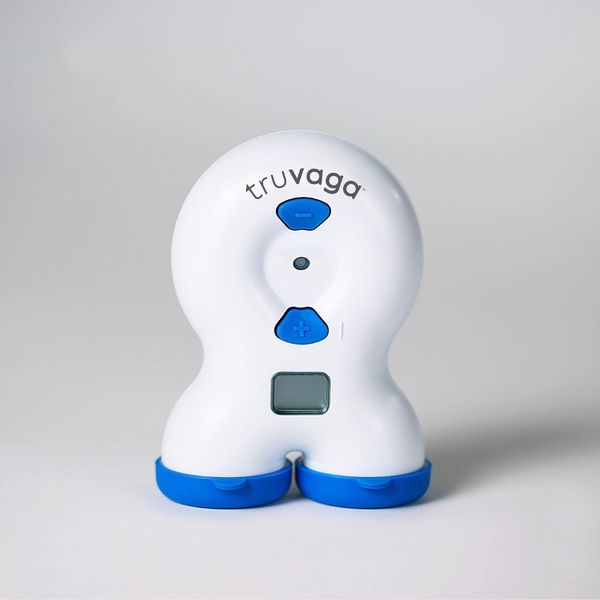
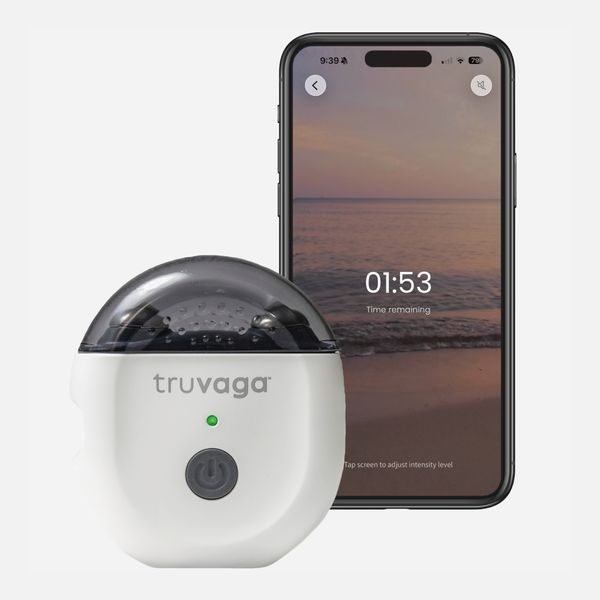
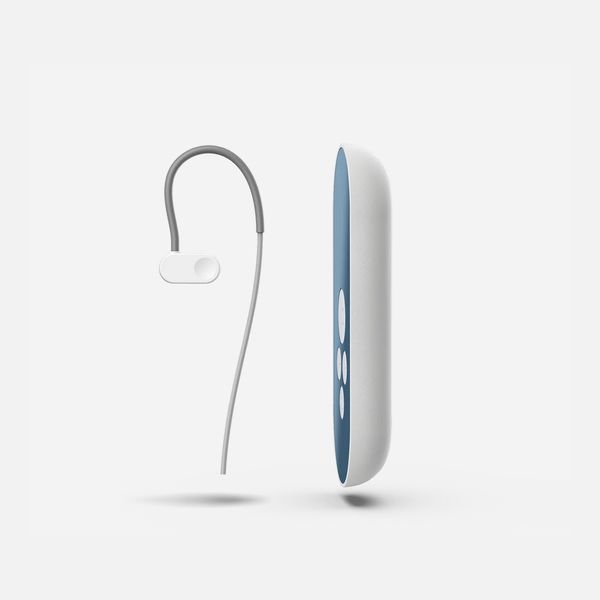
I found a couple of devices that match what the experts recommended. The first is Truvaga, which is manufactured by electroCore, the parent company of the FDA-cleared prescription device gammaCore. It’s a handheld device meant for two-minute sessions twice a day, and the studies it links on its website are for its specific technology. The second is Nuropod, a wearable device that wraps around the ear. It also links to clinical studies with the company’s specific tech and comes with instructions for twice-daily sessions that can last up to an hour. Both are also customizable in terms of intensity and duration.
New! You can now save this product for later.
This least expensive option allows for 350 two-minute sessions before it’s disposed.
New! You can now save this product for later.
New! You can now save this product for later.
The Nuropod is a wearable that requires a small amount of moisture for proper conduction.
More From The Strategist
- Hark, the Advent Calendars Arrived (Very) Early This Year
- The Best Things Strategist Editors Have Bought This Year (So Far)
- 63 Things You Should Never Buy Full Price
- The Strategist Fall 100
The Strategist is designed to surface useful, expert recommendations for things to buy across the vast e-commerce landscape. Every product is independently selected by our team of editors, whom you can read about here. We update links when possible, but note that deals can expire and all prices are subject to change.