I’ve Gotten Rid of All the Plastic Scrubbers, Sponges, and Brushes in My Kitchen

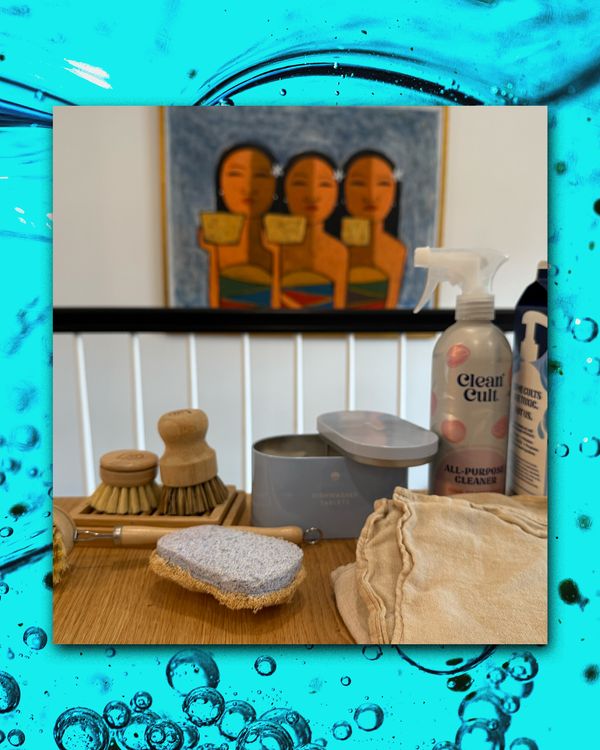
Welcome to Plastic-Free Kitchen Week on the Strategist, where we’ve been obsessively researching and testing plastic alternatives — for everything from appliances to cleaning supplies to cookware. For more, head to our Plastic-Free Kitchen Week hub.
There are three moments in my life where I have felt utterly overwhelmed by plastic: seeing waves of plastic washing up on the shores of Kaua’i, where my family lives; visiting a soy-sauce factory and seeing that the sauce was strained through many layers of vinyl fabric; and trying to spend a day replacing plastic with seaweed. Each of these moments has made me seek ways to minimize plastic in my life, and having worked as a chef for most of the past decade, the kitchen is the first place I started (my closet was not far behind).
Plastic is so pervasive in our lives that there are areas where you might not even realize it lurks, such as in synthetic sponges or dishwashing fluid encased in gel tablets. And it’s so pervasive because of how useful the material can be. When I compiled a guide to the best dish sponges, the few synthetic ones I included I did so because of their longevity. Still, some of the very best, made entirely from natural materials, performed almost as well. In many cases, there are trade-offs for choosing to go plastic-free, whether it’s cost, convenience, or something else, but with so many options available now, you can pick and choose what works for you.
New! You can now save this product for later.
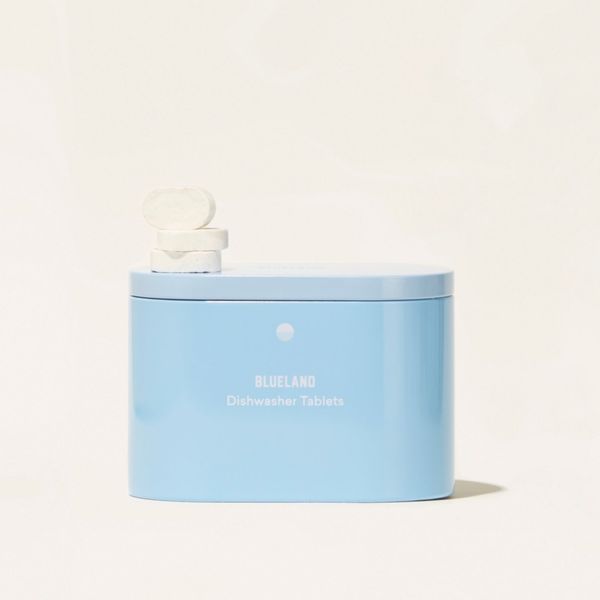
In the past few years, Blueland has supplanted most of the cleaning products in my house. Its dish tabs are entirely plastic-free and made from naturally derived enzymes. Everything comes out of my dishwasher reliably grime-free and shiny. Conventional dish-fluid tabs like those from Cascade are encased with polyvinyl alcohol (PVA) film, a water-soluble synthetic polymer. There has been an ongoing debate over whether these dissolve toxins and microplastics into our environment, but there’s no need to jump into the kerfuffle when you can just avoid them completely.
New! You can now save this product for later.
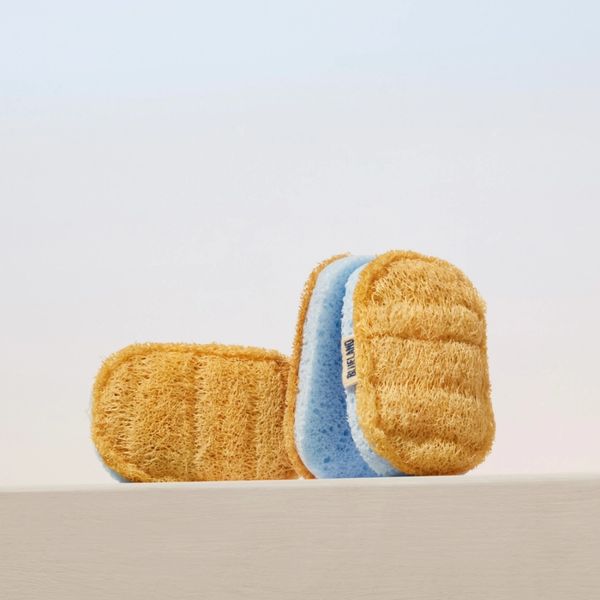
This is simply my favorite sponge. One side is made from Forest Stewardship Council–certified cellulose (so it’s made from plant matter), and the other is made of natural loofah (basically a dried gourd). The two sides are stitched together with cotton thread. Synthetic sponges are often made from polyester or polyurethane, both of which leach microplastics. Scrub Daddy sponges are made from polycaprolactone, which is derived from petroleum and is a thermoplastic, allowing it to change its texture according to the temperature of the water. The Blueland scrub sponge works just as well as the Scrub Daddy and often performs better than standard green and yellow kitchen sponges.
New! You can now save this product for later.
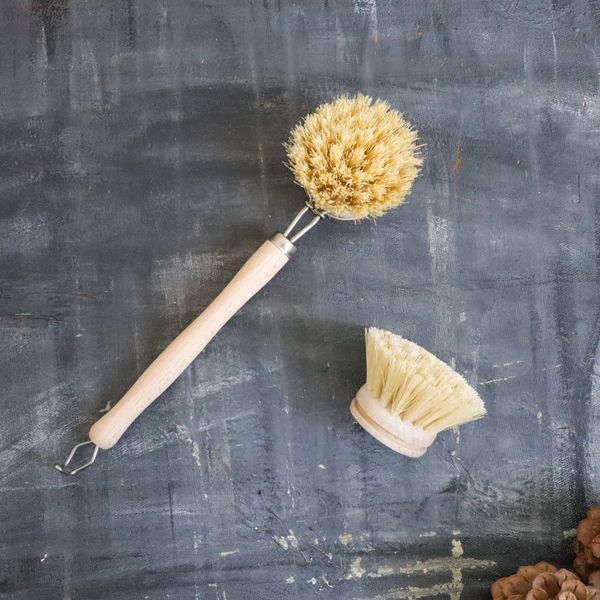
I first saw this set in a client’s home when I was working as a private chef, then went online and purchased it before I was even done cooking dinner. I was shocked at how effectively the sisal brush could remove burnt-on residue on stainless-steel pans.
New! You can now save this product for later.
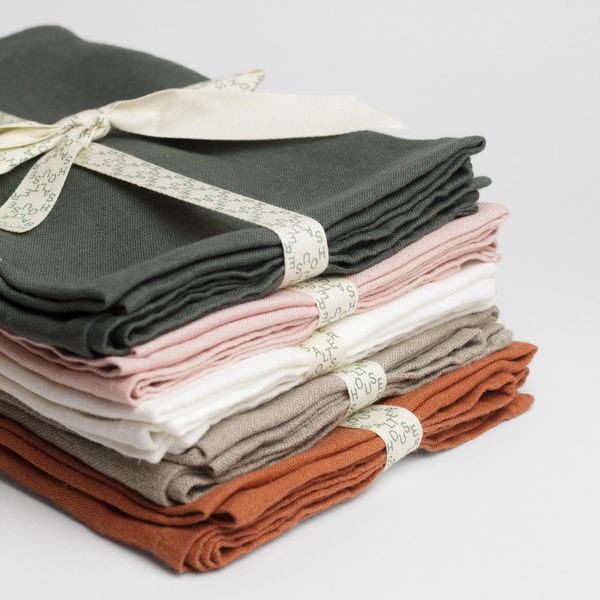
The linen dish towels I use in my kitchen were made by Kitchen Garden Textiles, a line of eco-friendly linens for both commercial and home kitchens, but its founder, Heidi Barr, has since folded the company and became the driving force behind the PA Flax Project, which aims to organize farmers to reestablish the flax-linen industry in Pennsylvania. These are the closest I could find to Barr’s, which have held up in my kitchen even after years of use. Once they do disintegrate, my chef-husband has used them to wrap porchetta before grilling, which keeps marinades in and meat moist. Linen is compostable and it has been fun to play around with it in cooking, as one might with banana leaves.
New! You can now save this product for later.
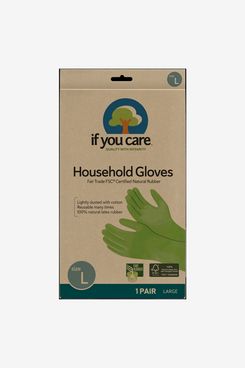
Since I’m pretty devoted to nontoxic cleaning solutions, I tend not to worry too much about wearing gloves when cleaning. If you are really opposed to getting your hands dirty or need some protection, these If You Care gloves are made from FSC-certified latex with a cotton lining.
New! You can now save this product for later.
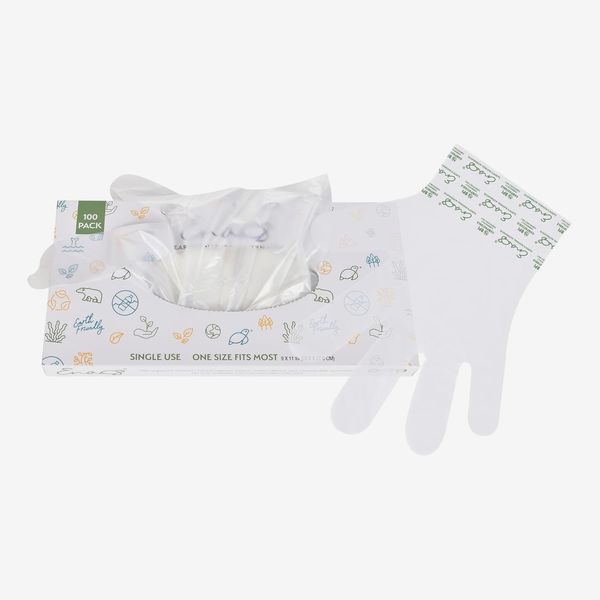
Since I use gloves so infrequently, I’ll usually reach for single-use ones so I don’t have to worry about having a place in a small kitchen to dry and keep rubber ones.
New! You can now save this product for later.
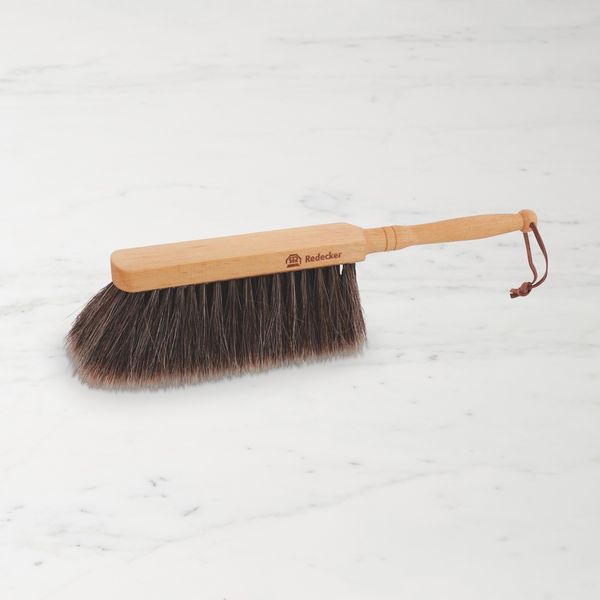
While I often use a dry Swiffer with a terry-cloth cotton towel to clean my kitchen floors (you’re not going to find a plastic-free Swiffer), I once found myself in a hardware store in Bologna where I picked up a horsehair and wood brush. This similar one is, like mine, made entirely without plastic. I use it to sweep up crumbs.
New! You can now save this product for later.
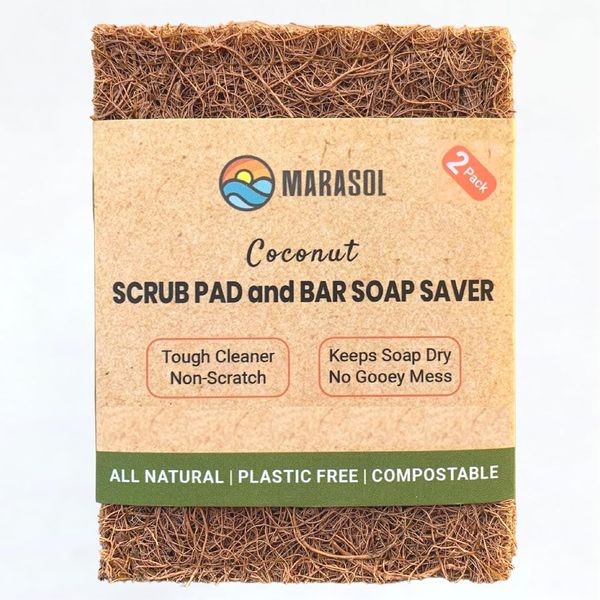
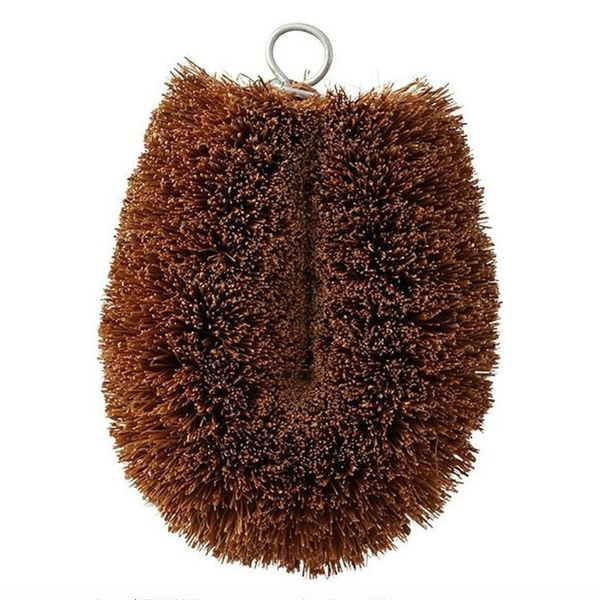
I fell in love with walnut dish scrub pads when I was testing products for our guide to the best dish sponges and was pretty bummed when I found that most on the market still contained plastic — many of them use materials like recycled water bottles combined with walnut shell, which is better than using virgin plastic but would still release microplastics as the pad degrades. Thankfully, these coconut-coir (derived from coconut husks) dish scrubbers are just as abrasive without scratching up pans and dishes.
New! You can now save this product for later.
The Strategist is also a longtime fan of this Japanese scrubber, made from hemp palm fibers.
New! You can now save this product for later.
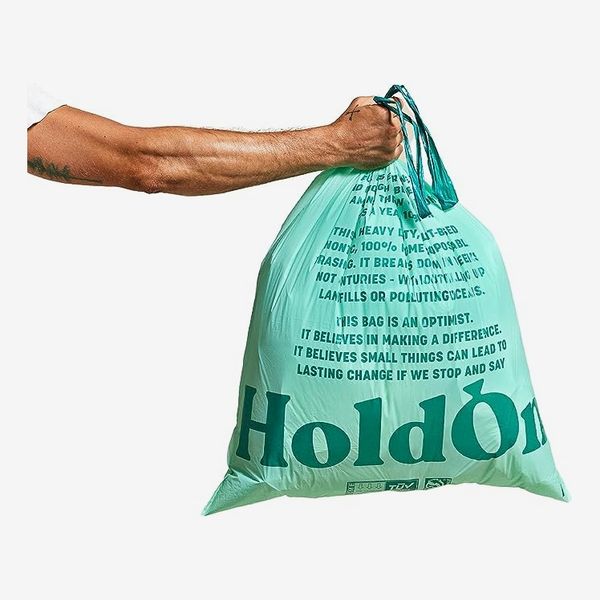
HoldOn Large Trash Bags
If you’re looking for the structural integrity and stretchability of a conventional kitchen trash bag, you’re probably not going to find it in a bag made from cornstarch. Compostable, plastic-free bags have many great applications, such as picking up pet waste or lining compost containers, for instance, but for kitchen refuse, you might have to be willing to binder clip them to the bin and to treat them with extra care. Be careful when buying them in bulk, because they can degrade in storage, depending on your climate.
New! You can now save this product for later.
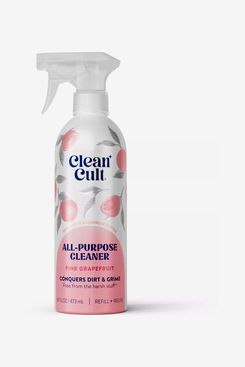
I’ve been really impressed with Cleancult’s products, which are not only plastic-neutral certified through Repurpose Global but whose toxin-free formulations seem to work exceptionally well, even when it comes to the dirtiest countertops and oiliest dishes. Its Pink Grapefruit spray cleaner comes in an aluminum bottle (there’s not a whole lot one can do to avoid a plastic spray nozzle, unfortunately). It leaves my wooden kitchen island satiny after wiping, and I also use it on mirrors and stainless-steel surfaces since it leaves them neither cloudy nor streaky.

New! You can now save this product for later.
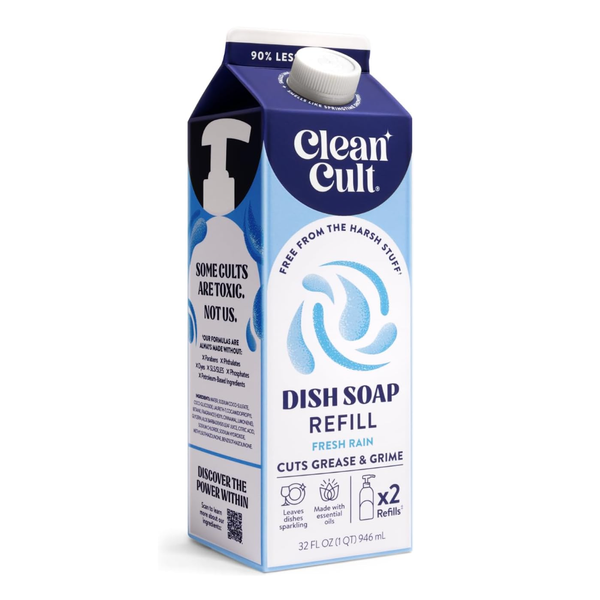
This dish soap lathers really nicely and smells fresh without being aggressively scented. Plus, its refill comes in a milk carton. Yes, there’s a plastic cap, but that seems to be the only plastic component in its packaging. You can also purchase the same dish soap in an aluminum pump bottle, but since I have so many pump bottles saved I did not feel the need to purchase the aluminum one. The soap easily cuts through greasy and oily dishes, without me having to use too much elbow grease, and it leaves even my crystal glassware sparkling.
More From This Series
- I Found the Best Plastic-Free Coffee Brewers, Including a Drip Machine
- Still Looking to Ditch that Plastic Spatula? We Have Plenty of Alternatives.
- All the Best Non-Plastic Tableware and Utensils for Kids
- How Our Readers are De-Plasticizing Their Kitchens
The Strategist is designed to surface useful, expert recommendations for things to buy across the vast e-commerce landscape. Every product is independently selected by our team of editors, whom you can read about here. We update links when possible, but note that deals can expire and all prices are subject to change.