Pain During Sex Isn’t Normal. Here’s How to Stop It.


Welcome to Sex Week on the Strategist, where we’re doing a deep dive on everything you need for the bedroom — from vetting the best vibrators to asking stylish people what they keep in their nightstands. For more, head to our Sex Week hub.
Women’s health has come a long way. Conversations around perimenopause and menopause have exploded on social media and in group chats everywhere. But painful sex is still one of those topics many women whisper about, if they talk about it at all. Maybe it started after having a baby or crept in during perimenopause. Or maybe sex has always been uncomfortable, and you’ve assumed that’s just how it is.
The advice women often get doesn’t help: Have a glass of wine. Try to relax. It’s part of aging. But experts say pain during sex isn’t normal — and it isn’t something women are meant to live with. More often, it’s a sign that something specific is going on: hormonal, muscular, structural, or deeper in the pelvis. And once the cause is identified, it’s usually treatable.
It’s not in your head: Why sex hurts
The clinical term for painful sex is dyspareunia, and doctors estimate it affects anywhere from 10 to 30 percent of women, with some research suggesting the number may be closer to 50 percent, particularly after menopause. “The rates are probably underestimated, because many women don’t report it to their physicians,” says Dr. Shieva Ghofrany, an OB/GYN and co-creator of Tribe Called V, a platform focused on removing stigma around women’s health. Unless pain is brief, resolves with a position change, and doesn’t return, you should bring it up with a clinician.
For many women, one of the most frustrating parts of painful sex isn’t just the discomfort; it’s being made to feel like the problem is psychological. “Women come into my office already blaming themselves,” says Rachelle Bojer, a pelvic-floor physical therapist and founder of Lotus Physical Therapy in New York. “They’ll say, ‘I feel into it. I feel aroused. But it still hurts.’ That disconnect makes them think something is wrong with them, when there’s often a very real physical reason.” Here are the main causes of painful sex.
When hormones change, sex can too
Declining estrogen is one of the biggest contributors to painful sex. “The vagina loves estrogen,” Bojer says. It helps keep vaginal tissue thick, elastic, and well lubricated. When estrogen levels drop — after pregnancy, during perimenopause, or in menopause — that tissue can become thinner, more fragile, and more sensitive.
Estrogen drops sharply postpartum, especially for women who are breastfeeding, which can temporarily mimic menopausal symptoms. Some women notice tearing or spotting after sex or say they suddenly need far more lubrication than they used to.
According to Dr. Azza Halim, a board-certified anesthesiologist and physician with a focus in aesthetic medicine, anti-aging treatments, and regenerative medicine, estrogen affects more than moisture. It also influences muscle tone and how the nervous system processes sensation, which helps explain why pain can show up even when arousal is present.
What helps: Treatment often focuses on improving tissue quality. Topical vaginal estrogen works directly on the tissue and can be highly effective. For women who prefer nonhormonal options, vaginal moisturizers and lubricating gels can improve comfort. If pain persists, pelvic-floor physical therapy may also help. “When hormonal therapy alone isn’t enough, that’s often a sign there’s muscle involvement as well,” Halim says. “Addressing both is what leads to real improvement.”
It’s not your desire — it’s your muscles
In many women, painful sex turns out to be a muscle issue, specifically the pelvic floor. Instead of weakness, the problem is often excessive tension: Muscles stay contracted and lose the ability to fully relax. “Some studies suggest 60 to 70 percent of women with painful sex have some degree of pelvic-floor involvement,” Halim says.
That tension can show up in different ways. Some women feel sharp pain with penetration or a sense of restriction; others notice pain that lingers afterward. “Some women also have pain while sitting or exercising,” Bojer says. “Then they’ll tell me, ‘When I’m with my partner, it just hurts — before, during, and after.’”
In younger or very active women, this pattern is often diagnosed as vaginismus (spontaneous contraction of the vagina). Bojer says she’s seeing it more frequently in athletes who train intensely. “Athletes and women in their 20s who are lifting and training every day are having pain with sex because their pelvic floor is so tight,” she says. “They’re healthy and active, but those muscles forget how to relax.”
She compares it to a familiar injury: “It’s like sleeping wrong and waking up with a stiff neck. You press on it, and it hurts. The same thing can happen in the pelvic floor.”
What helps: When pelvic-floor dysfunction is the source, doctors often refer patients to pelvic-floor physical therapy. Treatment focuses on retraining the muscles to relax and lengthen through internal manual work, breathing techniques, and guided stretching. “Diaphragmatic breathing helps down-train the pelvic-floor muscles,” Bojer says.
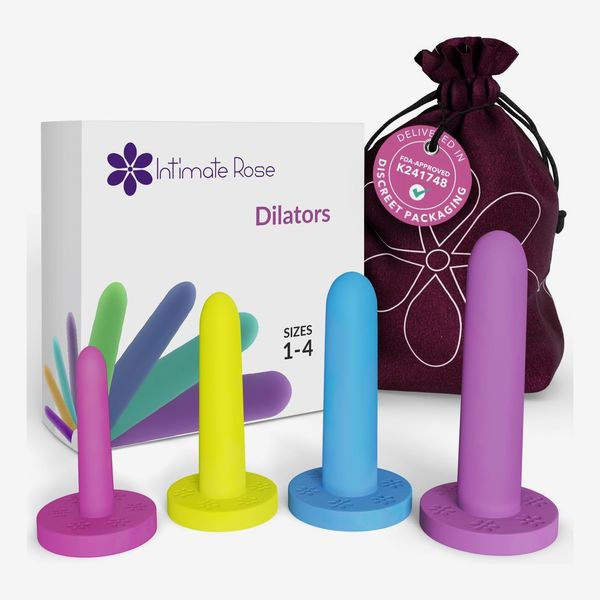
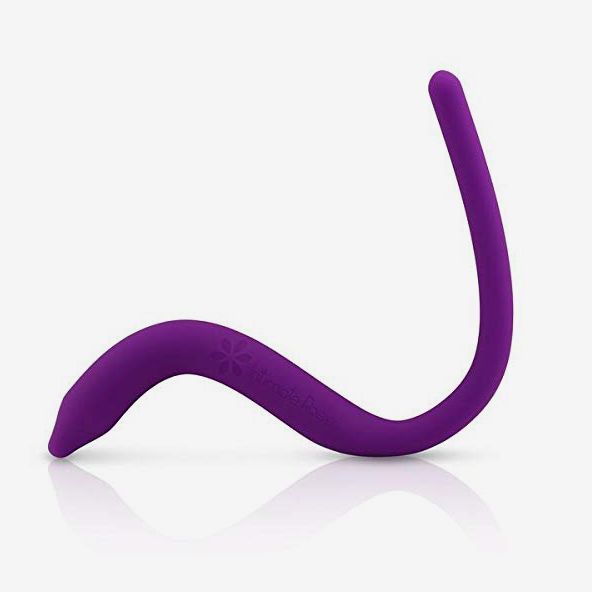
At-home tools like dilators provide gentle stretching, while pelvic wands help release tight spots. “The dilator is something you insert and leave in place,” Bojer explains. “With the wand, the patient is finding the tight areas and stretching them.”
When therapy isn’t enough, pelvic-pain specialists may prescribe vaginal suppositories with muscle relaxants. In persistent cases, Botox injections can help reset muscle tension. “For some women, one round is enough to reset the muscles,” Bojer says.
New! You can now save this product for later.
These silicone dilators are designed to gradually stretch and relax the vagina and pelvic-floor muscles.
New! You can now save this product for later.
This self-massage tool helps release tension, trigger points, and tight scar tissue in the pelvic-floor muscle.
This isn’t just motherhood
For some women, painful sex traces back to childbirth — even if everything seemed to heal normally. Tears, episiotomies, forceps deliveries, and stitches can lead to scar tissue and adhesions, bands of fibrous tissue that form as the body heals and can limit movement at the vaginal opening. This pain doesn’t always show up right away. “Some women will have no pain, and then it creeps up later,” Bojer says. “Over time, that scar tissue can become more restricted and less flexible.”
As movement becomes limited, the surrounding muscles often tighten to protect the area, which can add another layer of discomfort. Because postpartum care tends to focus on whether tissue has closed, and not how well it moves, these issues are easy to miss by physicians.
What helps: Treatment focuses on restoring flexibility and calming the surrounding muscles. Pelvic-floor physical therapy can help release adhesions, improve circulation, and gradually improve comfort.
Your nervous system has a say
Painful sex can also stem from physical trauma, including pelvic injuries, medical procedures, or sexual trauma — even when those experiences happened years earlier. According to Ghofrany, trauma can lead to scarring, reduced tissue elasticity, or persistent pelvic-floor tension that makes penetration painful. And stress and anxiety can make it worse. “Even feeling mildly anxious or apprehensive can change the body’s ability to lubricate and lengthen the vagina, which is necessary for comfortable, enjoyable penetration,” she says.
What helps: Treatment depends on the type of trauma involved but often requires addressing both tissue-level changes and the nervous system’s protective response. For women with a history of sexual trauma, Ghofrany says a combination of behavioral therapy and pelvic-floor physical therapy can be especially effective. When trauma or medical treatment affects hormones or tissue quality, vaginal estrogen may also help and is safe for many patients, including some cancer survivors.
Then there are gynecological issues
Less commonly, pain during sex is linked to underlying gynecological conditions rather than changes in muscle or tissue alone. When this is the case, the pain is often deeper or position-dependent. In younger women who aren’t in a low-estrogen state, pain may be related to ovarian cysts or endometriosis. “If pain changes with position, that can point to things like a cyst or fibroids,” Ghofrany says. Endometriosis tends to cause pain with deep penetration rather than pain at the vaginal opening. Halim adds that infections or inflammatory conditions can also play a role, especially when pain is new or worsening.
What helps: In all of these cases, treatment focuses on addressing the underlying condition rather than muscle or hormonal therapies alone.
Bottom line
Painful sex isn’t a single condition with a single fix. Whether the issue is hormonal, muscular, structural, or deeper in the pelvis, the details — where it hurts, when it started, and what makes it better or worse — are what guide effective treatment. “Women should absolutely speak up and never have to suffer,” says Ghofrany.
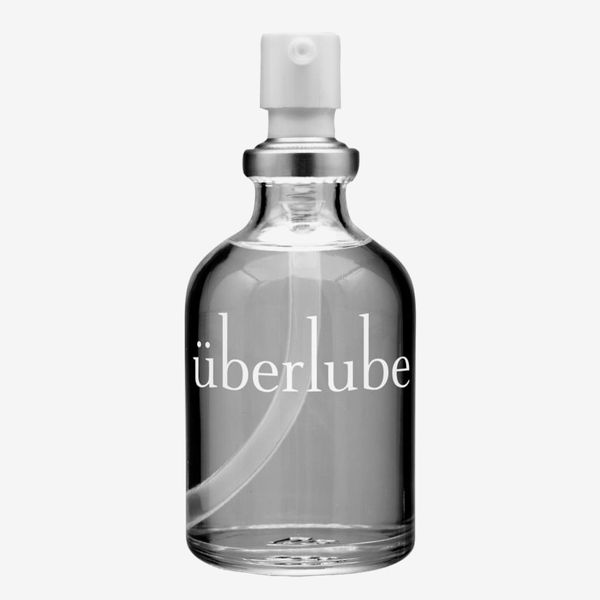
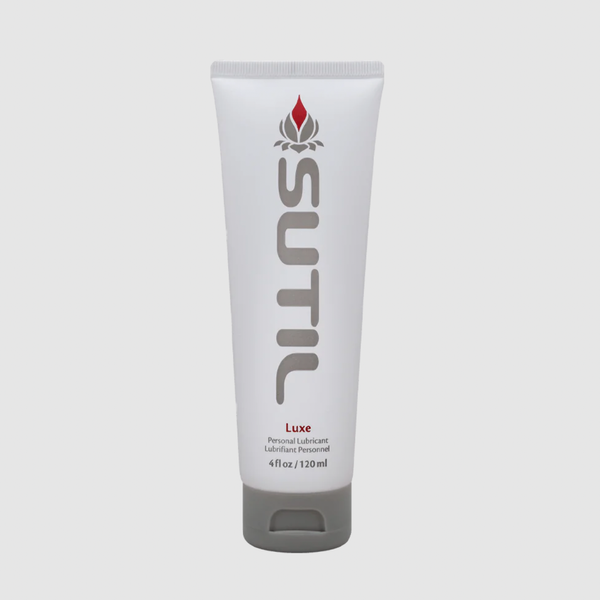
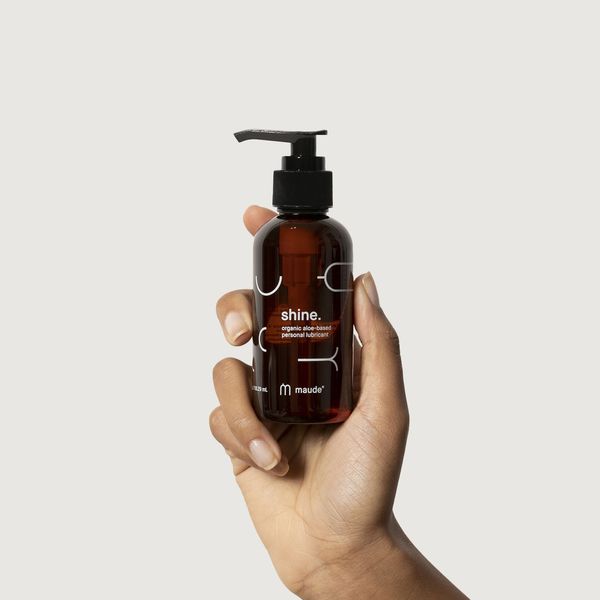
Lubes we’ve written about
More From The Strategist
- Hark, the Advent Calendars Arrived (Very) Early This Year
- The Best Things Strategist Editors Have Bought This Year (So Far)
- 63 Things You Should Never Buy Full Price
- The Strategist Fall 100
The Strategist is designed to surface useful, expert recommendations for things to buy across the vast e-commerce landscape. Every product is independently selected by our team of editors, whom you can read about here. We update links when possible, but note that deals can expire and all prices are subject to change.