Should You Be Using a Peptide Moisturizer?

Save this article to read it later.
Find this story in your account’s ‘Saved for Later’ section.
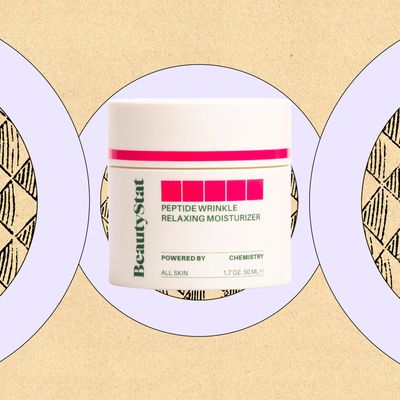
Skin-care ingredients are popular in cycles. There was the year when everything had hyaluronic acid in it, and another when niacinamide was all the rage. Now everything has peptides in it. For example, when Rhode launched its initial product offering, each one included peptides — most had the ingredient in the name. So what even are they? And do you need them? I talked to a dermatologist and a cosmetic chemist to find out.
What are peptides?
Peptides are short chains of amino acids and act as a building block for proteins in the skin. “They are molecules that tell your cells to do stuff,” says cosmetic chemist Dr. Julian Sass. There are lots of different kinds of peptides, says Sass, which can do everything from encouraging collagen production to plumping the skin. Peptides used for skin care tend to fall into four categories: neurotransmitter peptides, which help to relax facial muscles; signal peptides, which stimulate collagen production; carrier peptides, which deliver ingredients like copper to the skin; and enzyme-inhibitor peptides, which helps to stop the body from losing collagen.
How do peptides work?
Peptides are like messengers, and when applied topically, they signal the skin to do things like produce more collagen and relax wrinkles. These already exist in skin, but as we age, collagen production slows down and skin starts to lose elasticity. A topical peptide can help support collagen production, stop collagen loss, and relax wrinkles.
That sounds great. Do they actually work?
Yes, but you should temper your expectations. One of the challenging things about formulating with peptides, says Sass, is that the molecules are fairly large, so it can be difficult to get the ingredients into the skin. Even if the peptides don’t penetrate the skin and just sit on top, you will likely see some immediate visual benefits, like plumper-looking, moisturized skin, but most of that is surface level and won’t necessarily impact the deeper layers of skin. If the ingredients do penetrate, you’ll see the benefits that brands claim on the tin — brightening, wrinkle reduction, barrier support — but even then, Sass says it’s not drastic. “It’s not night-and-day kind of results,” says Sass. “You notice it, but it’s not, Oh my goodness, I can’t believe that this is the same person. That’s a lot to ask of a peptide product.”
Do I need a peptide moisturizer?
Most people can benefit from a peptide moisturizer, but you don’t really need one in your routine prior to showing signs of aging. “If you are ready for retinol or anti-aging kind of stuff, then peptides are also kind of a good thing to add in your routine,” says Sass. They dovetail well with actives like retinol or AHAs because they don’t compete with what’s already in your routine. “You can pretty much slot them in wherever you want.” With peptides cropping up everywhere, you shouldn’t be deterred from using a peptide moisturizer if it’s within your price range and has ingredients you’re interested in, but if you’re under 25, your skin is already producing lots of collagen, so it’s unlikely that you need a peptide-specific product.
Okay, I want to buy one. What should I look for?
If you’re looking for results over marketing and vibes, Sass says clinicals are key. “I think that we need to see some data to make me know that this is worth dropping all this coin.” One example is Allies of Skin, which has data for results after one use and 28 days. Absent clinical data, Sass recommends looking for a product that’s formulated with a popular peptide complex like Matrixyl 3000, which blends two peptides and helps smooth wrinkles and boost collagen. “It’s got the most data behind it out of any of the peptides that are on the market right now,” says Sass. If there isn’t clinical data for the individual product or it isn’t formulated with a well-known peptide complex, Sass says he wouldn’t spend over $50.
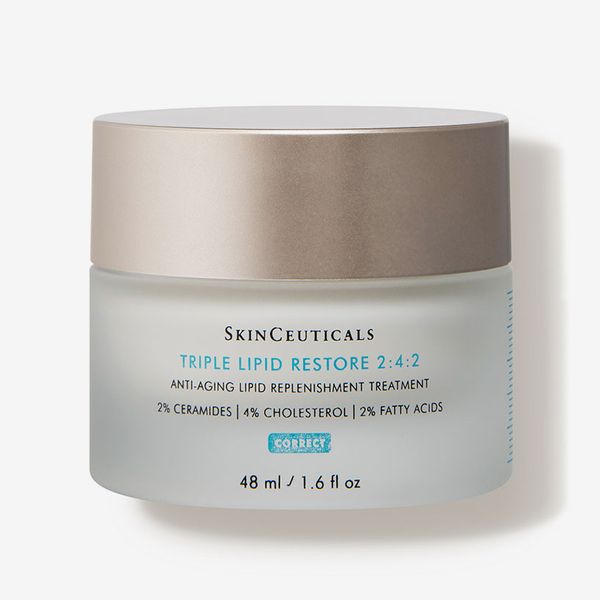
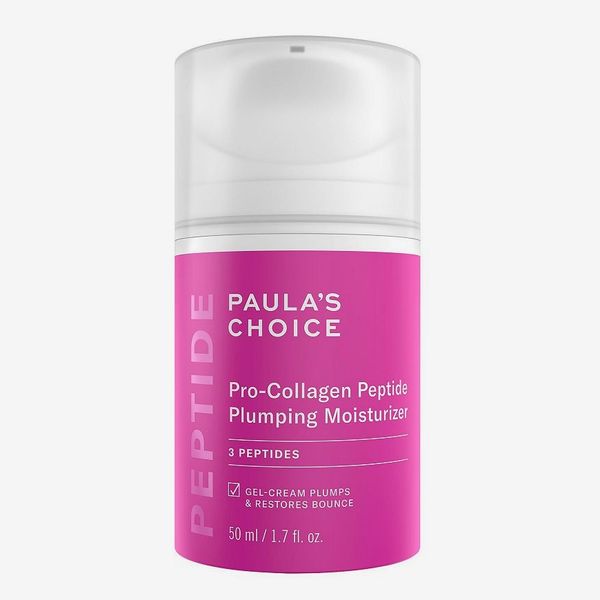
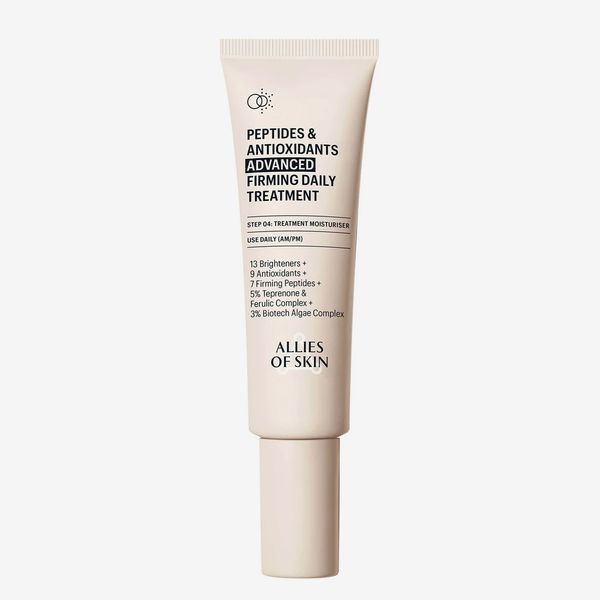
Peptide serums are also an option. Whether to use a serum over a moisturizer mostly comes down to preference. Serums are lightweight and absorb quickly, while moisturizers tend to be richer and nourishing for the skin. If you already have a multistep routine, a serum may be a good fit. If you like to keep things simple, swapping out your current moisturizer for something with peptides could be your best bet.
More From The Strategist
- Hark, the Advent Calendars Arrived (Very) Early This Year
- The Best Things Strategist Editors Have Bought This Year (So Far)
- 63 Things You Should Never Buy Full Price
- The Strategist Fall 100
The Strategist is designed to surface useful, expert recommendations for things to buy across the vast e-commerce landscape. Every product is independently selected by our team of editors, whom you can read about here. We update links when possible, but note that deals can expire and all prices are subject to change.