Do Sunscreen Oils Actually Work?

Over the past few years I’ve seen lots of sunscreen oils — every summer there’s a new one or two. I immediately liked the idea of them — I love anything that makes my skin glowy — but growing up in an era when tanning was incredibly popular, I didn’t see oils as sun protection, but rather a way to roast in the sun. Even though I knew on an intellectual level that a brand wouldn’t release a sunscreen that doesn’t do what it says on the tin (sunscreen is regulated by the FDA), it still felt like a mental hurdle I needed to clear. So I asked a dermatologist and cosmetic chemist: What’s the deal with sunscreen oils and are they as effective as any other sunscreen format?
The big difference between SPF oils and lotions is texture and sunscreen-filter options. SPF oils rely on chemical sunscreens almost exclusively, while lotions and spray formats come in mineral screens too. What works best generally comes down to preference. Chemical sunscreen filters work by absorbing UV rays and converting into heat so it doesn’t damage the skin. Mineral sunscreens, also referred to as physical sunscreens, sit on top of skin and reflect UV rays. Each option has its trade-offs. The main concern with chemical sunscreens is skin irritation and blood stream absorption, which just means that the active ingredient shows up on a blood test after application. This isn’t necessarily alarming and doesn’t mean chemical filters aren’t safe. There haven’t been any conclusive studies that chemical SPF filters are harmful, though the FDA has been investigating potential longterm effects. You won’t likely find a sunscreen oil that uses a mineral active ingredient, if that’s your preference, probably because it’s more challenging to formulate. Most sunscreen filters are generally oil-soluble, says Dr. Julian Sass, meaning they dissolve in oil, but mineral filters tend to leave a purplish-white cast, so there’s additional steps required to make it truly invisible. I think it’s a matter of time before we see mineral sunscreen oils — Solara, an SPF brand, makes one — but for now, the vast majority are formulated with chemical filters.
As far as effectiveness, as long as you’re getting the proper amount of coverage — an ounce or about enough to fill a shot glass — SPF oils are just as effective as any other sunscreen format. It could even be beneficial if you have dry skin, says dermatologist Dr. Melanie Palm, but the biggest concern is making sure you use enough. “On average, we tend to apply less than 50 percent of the amount of sunscreen needed for the SPF advertised on the product,” says Palm. This can be even more challenging with oils because of the runny consistency. An ounce of oil may feel like a lot more product than an ounce of lotion, so you’ll want to be mindful that you’re applying an adequate amount and also reapplying every two hours.
It’s important to note though, that there’s a difference between sunscreen oils and tanning oils that contain SPF. Those typically have a lower SPF factor, the Sun Bum tanning oil is SPF 15, which doesn’t offer enough protection. In line with dermatologist guidelines, you’ll want a formula with at least SPF 30, the standard dermatologist recommendation. Below, some sunscreen oils I’ve tried and liked, along with some I’m curious and one that comes recommended by Dr. Sass, all of which are SPF 30 or more.
Sunscreen oils
New! You can now save this product for later.
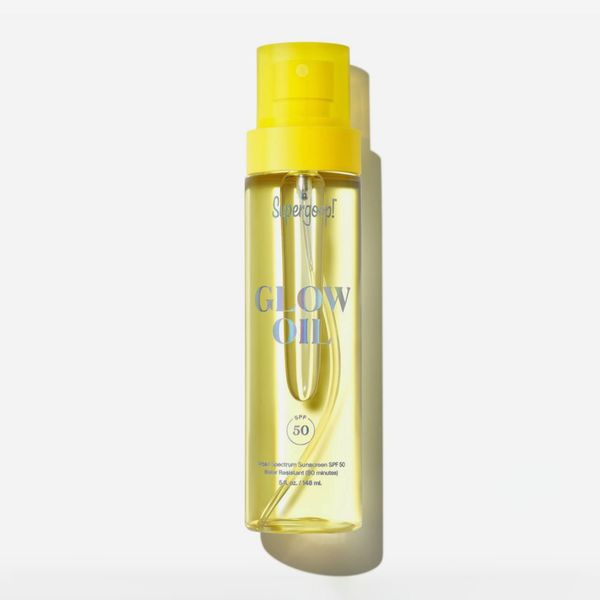
This was my first introduction to sunscreen oils and continues to be a staple in my rotation. It contains a blend of argan, grape-seed, and meadowfoam oils, which are rich in fatty acids and vitamin E. I like the addition of grape seed, a source of antioxidants, which helps to protect skin from environmental stressors. As for the texture, it isn’t greasy — though it does leave a slight, sunscreen-y film, and actually hydrates my skin.
New! You can now save this product for later.
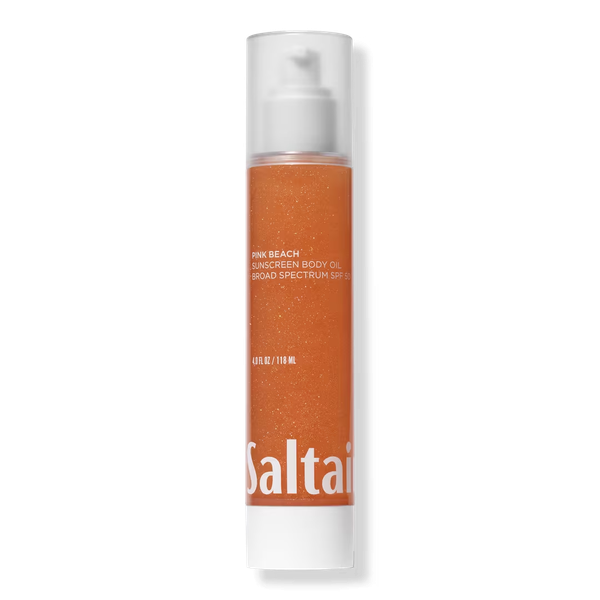
For something with even more glow, I like this one from Saltair, which has little sparkle flecks and comes in a bronze shade and gold. Even though it contains some glitter it’s very finely milled and doesn’t really show up on the skin. I like that, but if you prefer something that’ll turn you into a disco ball, this will likely be disappointing. I also like the scents. My favorite is Santal Bloom, which has notes of sandalwood and sheer amber. Of all the sunscreen oils I’ve tested, this is the most hydrating of the bunch.
New! You can now save this product for later.
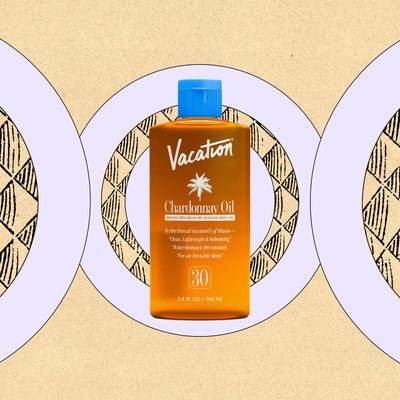
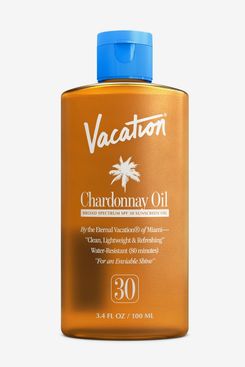
I took this on vacation a few years ago and liked the consistency. It’s a little more viscous than the Supergoop and Saltair, which translates into being a bit more hydrating. It also has a nice scent, with notes of argan, amber, vanilla, peach, and a little salt. Like the Supergoop, this also contains grape seed, along with jojoba and shea, which I think explains the consistency.
New! You can now save this product for later.
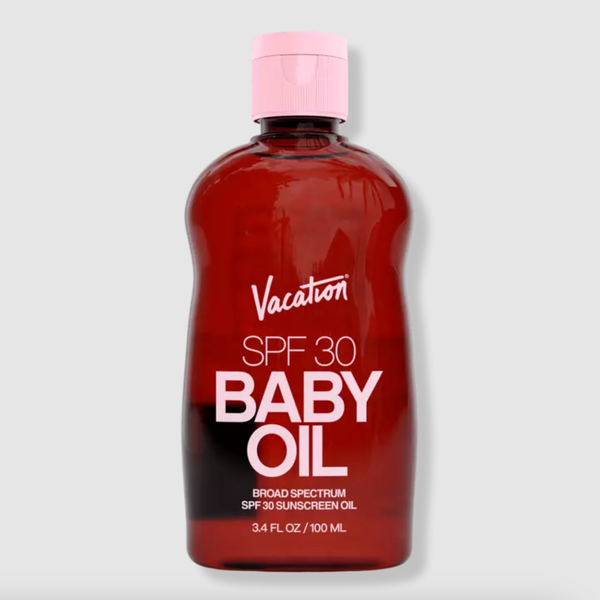
Vacation also makes a baby-oil sunscreen oil, which offers a very glossy shine and has that classic baby-oil scent.
New! You can now save this product for later.
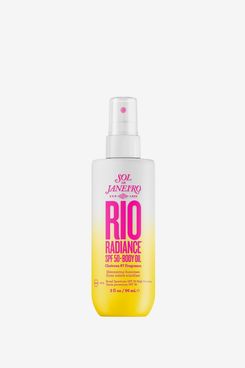
Sol de Janeiro also makes a sunscreen oil, which I haven’t tested just yet. I have used the brand’s non-SPF body oil, which has a nice consistency and feels hydrating. I expect this one is similar. It contains patauá oil (a quick-absorbing oil) and pongamia seed, an antioxidant that helps to protect skin from environmental stressors.
New! You can now save this product for later.
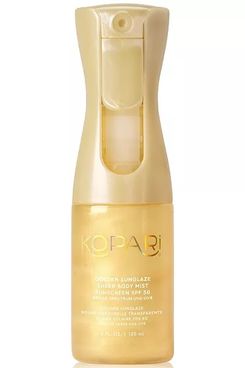
Dr. Sass likes this sunscreen from Kopari, which has a continuous spray mist. “The glow is gorgeous,” he says. It contains a blend of hyaluronic acid and vitamin C, which delivers weightless hydration and brightens skin.
More From The Strategist
- Hark, the Advent Calendars Arrived (Very) Early This Year
- The Best Things Strategist Editors Have Bought This Year (So Far)
- 63 Things You Should Never Buy Full Price
- The Strategist Fall 100
The Strategist is designed to surface useful, expert recommendations for things to buy across the vast e-commerce landscape. Every product is independently selected by our team of editors, whom you can read about here. We update links when possible, but note that deals can expire and all prices are subject to change.