I Tried Birkenstock’s New All-Terrain Boston
Save this article to read it later.
Find this story in your account’s ‘Saved for Later’ section.
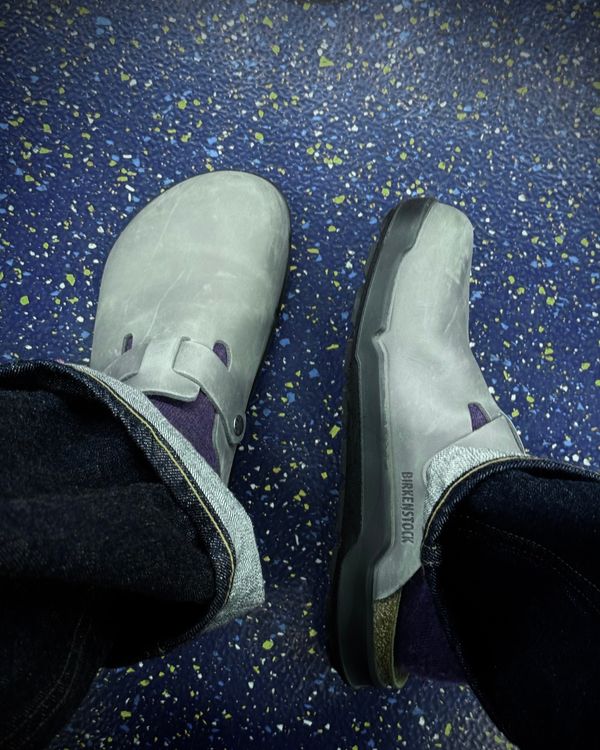
I have a confession: I do not like Birkenstocks. As much as I admire their effortless look, the pronounced cork footbed that millions swear by is fundamentally incompatible with my feet. I’ve tried several pairs of Arizonas and Bostons over the years, and in each instance, I’ve had to resell or donate them due to the stiffness of the sole. Whether new or vintage, wearing them for more than a jaunt around the block invariably led to muscle pain and blisters in unexpected places. That’s why I was initially skeptical when I came across the new all-terrain Boston Crosstown, but after a month of wearing them around town and in the forest, I’m pleased to report that I’ve finally found a Birk that works for me.
New! You can now save this product for later.
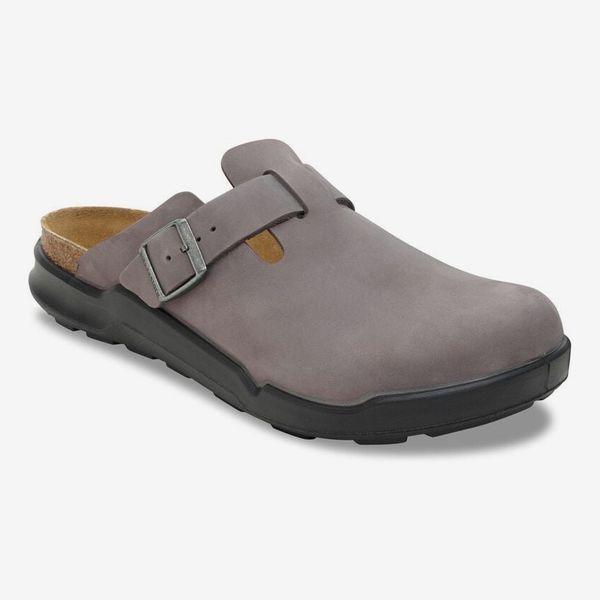
A grippier, more rugged version of a classic cork-and-leather clog
The main difference is in the sole
The Birkenstock Boston was first released in 1979, and the basic formula has not changed in the decades since: a seamless leather upper with an adjustable buckled strap across the top, attached to that signature leather-lined cork footbed with a black EVA outsole on the bottom. The Crosstown version looks no different, but the side view tells a different story.
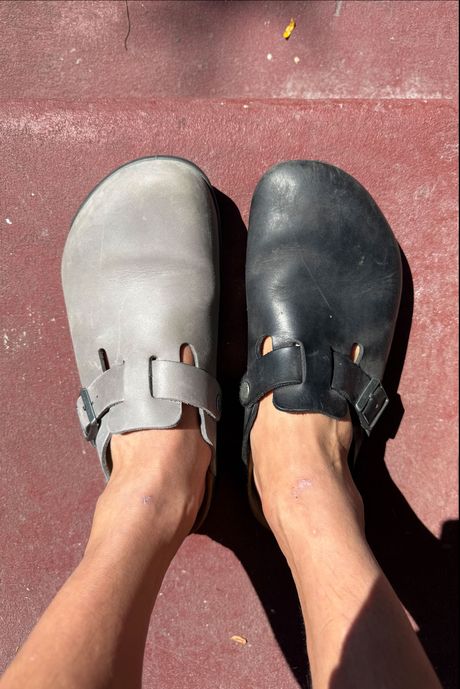
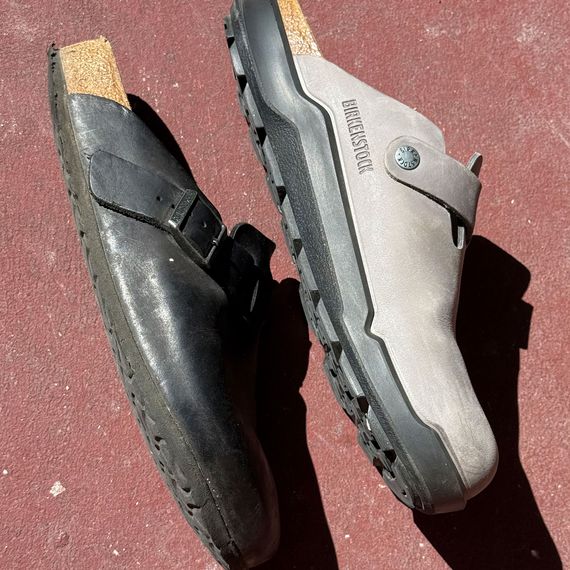
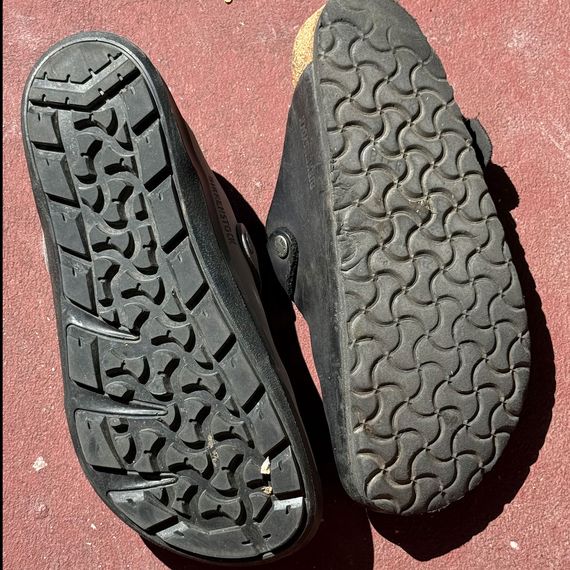
Whereas the regular Boston has about an inch of visible cork wrapping around the back of the heel, the Crosstown has only about a third of an inch peeking above the black polyurethane outsole. The Crosstown’s outsole also extends farther up the sides, protecting more of the leather upper from debris and moisture. On the bottom, the regular Boston’s shallow puzzle-piece patterned grip is replaced by deep lugs similar to those of a hiking boot. It looks a bit aggressive in the product photos online, but the difference is much less pronounced in person. The Crosstown weighs more as a result: 412 grams compared to 315 grams for regular Bostons of the same size (42 EU).
They’re comfortable right out of the box
Even ardent Birkenstock fans admit that there can be a break-in period for these shoes, but I found the Crosstowns to be immediately comfortable out of the box. Despite weighing substantially more than the original Bostons, the Crosstowns actually feel lighter on my feet because the additional rubber content in the sole makes them much more flexible. Side by side, you can feel the difference in elasticity between the two designs, and it’s not at all subtle. Both shoes offer a similar level of resistance when pushed against the floor, but the Crosstowns have a springiness to them that feels less like a clog and more like a hiking sneaker, such as a Salomon XT6.
Despite my previously painful experiences with traditional Birks, I was encouraged by my initial impressions. So I decided to pack the Crosstowns as my only pair of camp shoes during a recent music festival in the woods. With or without socks, the high-arched footbeds kept my feet firmly in place. I was able to confidently traverse all manner of steep trails and rocky dirt roads all weekend long without slipping. Similar clogs from other brands offer a heel strap to prevent slipping on steep terrain, but I never felt like I needed them with the Crosstowns. I also appreciated that the solid, but still breathable, oiled-nubuck upper kept dust out of my socks. Although they will need to be re-oiled or waxed eventually to keep it up, the uppers are pretty water resistant too. And the extra bit of rubber extending up the sides provides a bit of puddle protection (rain can still hit your exposed heels, of course).
The Crosstowns are just as capable around town as they are in nature. I’m able to comfortably complete errands that I’d previously tagged as being too far to walk to in my regular Bostons. That bit of extra bounce is apparently just enough to keep my feet and calves from cramping up on longer journeys. As somewhat of a barefoot shoe enthusiast, I find the arch support a bit too pronounced for my personal tastes — though I do appreciate it when standing on the subway and queuing for baked goods on weekend mornings.
They’re worth the extra $15
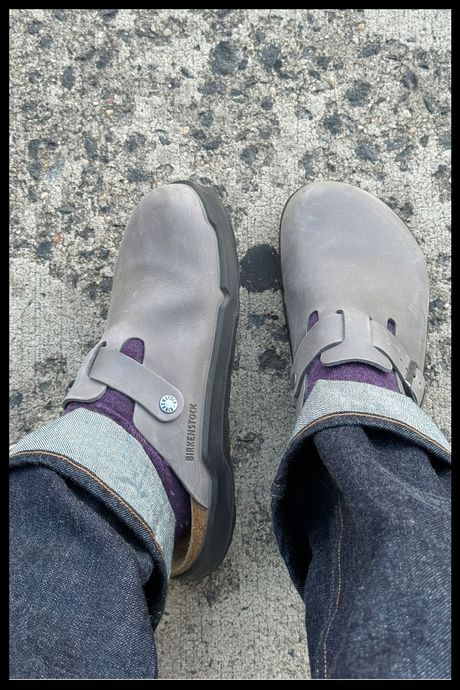
Unless you really want that natural-cork look, the Crosstowns are the much more versatile shoe. They have all the supportive benefits of the regular Boston when standing around but are more comfortable in motion and much grippier, too. At $175, the Crosstown costs $15 more than the regular oiled-leather Bostons, so for me, it’s a no-brainer. The only current downsides are that the outdoorsy aesthetic may not be for everyone and they’re currently only available in larger sizes (US men’s 7 to 13.5) and classic colors (black, tobacco brown, and iron — the ones I tested). That said, the fact that Birkenstock is calling this the Crosstown version of the existing Bostons, as opposed to making a dedicated separate line, suggests there are more Crosstown versions to come. The Boston Crosstown is a great start, and, for now, they’re the only Birks for me, but hopefully not the last.
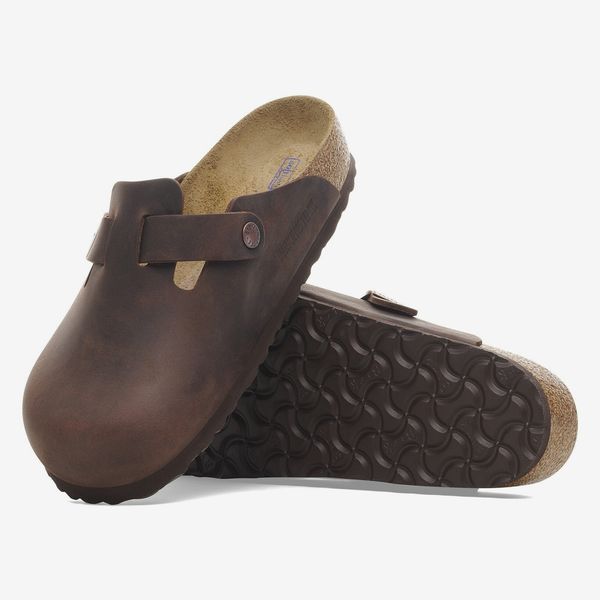
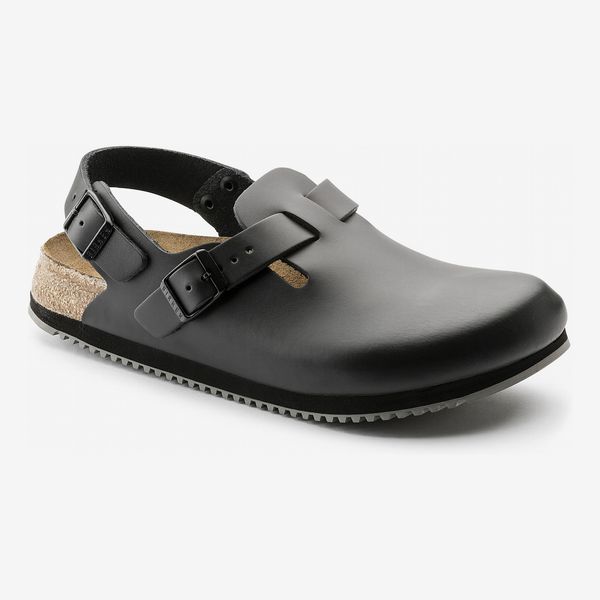
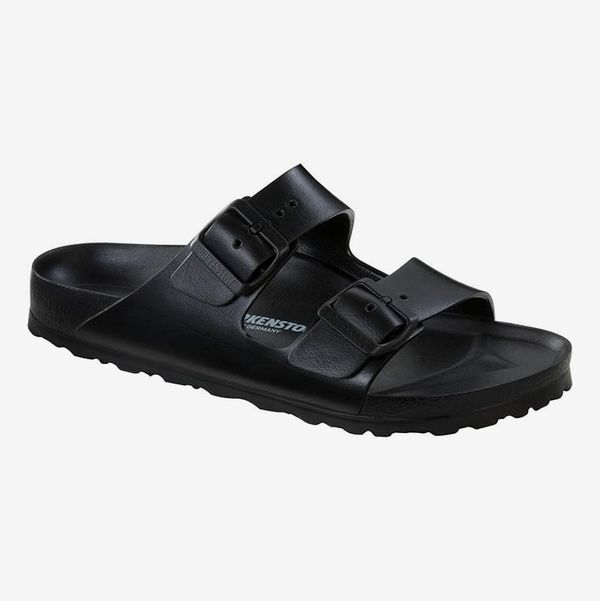
Other Birkenstocks we like
More From The Strategist
- Hark, the Advent Calendars Arrived (Very) Early This Year
- The Best Things Strategist Editors Have Bought This Year (So Far)
- 63 Things You Should Never Buy Full Price
- The Strategist Fall 100
The Strategist is designed to surface useful, expert recommendations for things to buy across the vast e-commerce landscape. Every product is independently selected by our team of editors, whom you can read about here. We update links when possible, but note that deals can expire and all prices are subject to change.