How 8 Women Get Their Gray Hair to Look So Good

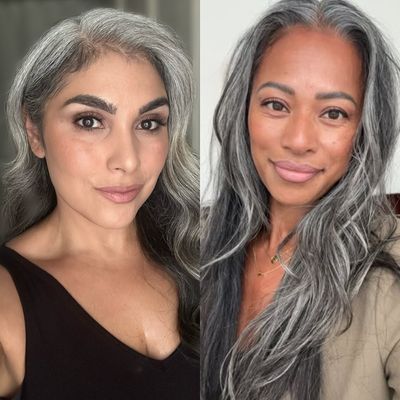
I recently wrote about trying Arey, a line of products designed to help prevent or slow the appearance of gray hair. I only have a few grays, and for now, I’m happy to be doing something to prevent them. But I also have a friend, makeup artist Marie D’Onofrio, whose naturally grown-in silver hair makes me reconsider that position every time I see her. She has long, thick, wavy gray hair with a beautiful silver section around her face that looks like a money piece, a face-framing highlight. People stop her all the time to ask about it and tell her how gorgeous it is.
I may not be ready to embrace gray strands yet, but I am curious about what it takes to get there. Is the grow-out as awkward as I imagine it would be? Does your hair’s texture change? Which products do you use to keep the gray looking bright? Do you need to rethink your makeup? And what does it feel like to finally stop worrying about your roots?
I asked eight women who have embraced their natural gray to share their experiences. Some went cold turkey, while others worked with a colorist, and their timelines ranged from about a year to several years. Their approaches to hair care and makeup are just as individual. Here’s how they got there, what they’ve learned, and the products they rely on now.
Marie D’Onofrio, makeup artist
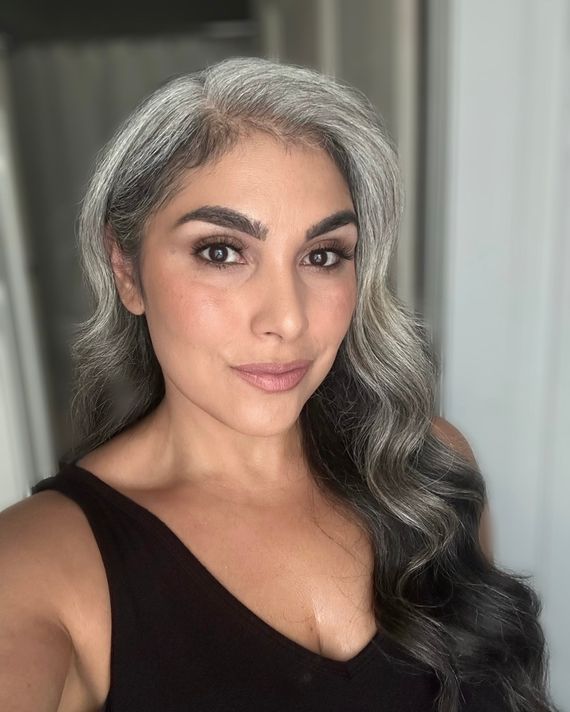
D’Onofrio, 43, decided to go gray back in November 2020. “At the time, I was doing a single process every week and a half to two weeks, and my hair was becoming resistant to color,” she says. To test the waters, she bought a gray wig and posted a picture on social media. “The feedback was insane!” It was the push she needed. “I ended up cutting my hair into a bob to make it a little easier, and I lightened the front to help blend my natural gray.” She says the process wasn’t easy. “It took about two years to get to a place where I love my hair.”
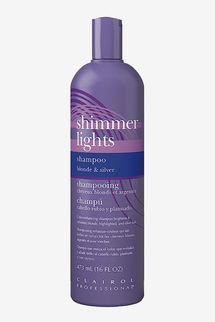
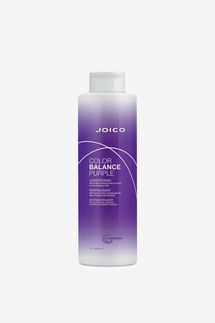
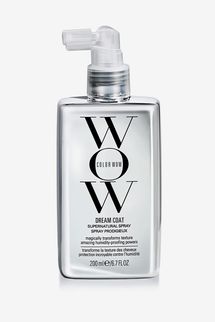
Marie has a few tricks for keeping her silver bright. Once a week, she washes with Clairol Shimmer Lights Shampoo and follows with Joico Color Balance Purple Conditioner. Every other month, she uses two professional glazes: Joico Vero K-PAK Color Intensity in clear and lavender. “The glaze helps tone the gray, neutralize any yellowing from environmental factors, styling, and product buildup, and my hair feels softer and shinier.” She also protects her hair when heat styling, particularly with Color Wow Dream Coat.
She’s learned that makeup matters, too. “I find myself wearing more blush and incorporating brighter colors like purple or turquoise eyeliner.”
New! You can now save this product for later.
New! You can now save this product for later.
New! You can now save this product for later.
Evelyn Wang, founder of Silverist
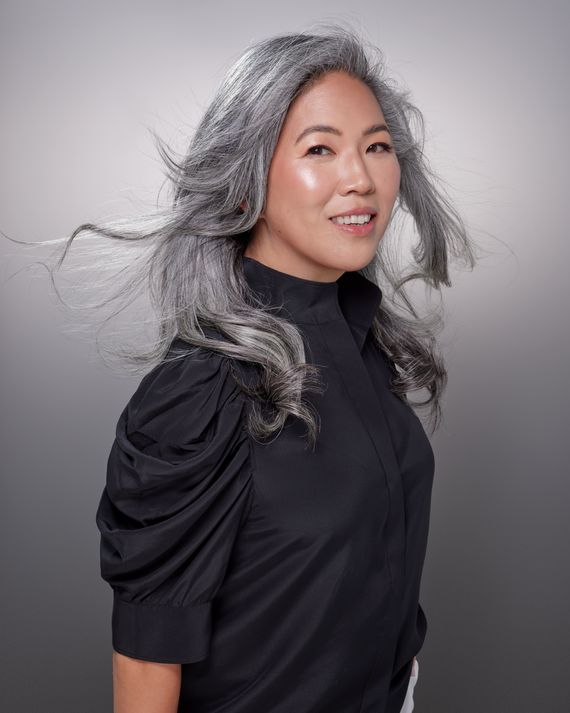
“I’ve been openly gray for the past 11 years,” says Evelyn Wang, but she started finding grays in her teens and dyed her hair for years, beginning in her 20s. For a long time, she thought about going gray: “I was definitely tired of the hair-dye process, which was becoming a more frequent part of my life.” She even had a secret Pinterest board of aspirational silver-haired women. “When I finally decided to do it, I took an indirect route and first went blonde, then eventually gray-blended.” Going fully gray took about two years.
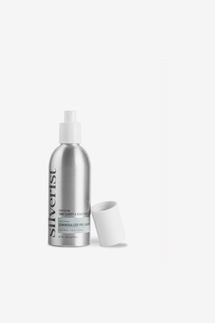
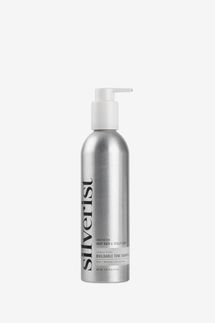
The experience also gave her a new appreciation for the specific needs of gray hair and eventually inspired her to create Silverist because she couldn’t find the exact routine she wanted for her own hair. “I also realized how much more buildup shows on lighter hair,” she says. “Think about how easily you see a stain on a white T-shirt.” She designed the Clarity Reset Demineralizer, a pre-shampoo treatment, to remove buildup from minerals, metals, and chlorine that can leave hair looking dull or discolored. She also uses the Lustrous Rituals Buildable Tone Shampoo, which isn’t a purple shampoo. “It gives a lighter, more subtle dose of toning to help with vibrancy without overwhelming your natural color.”
Like D’Onofrio, Wang’s makeup routine has evolved, too. She used to love a nude lip — she grew up in the “M.A.C Spice era,” as she describes it — but now finds that brighter reds, pinks, and fuchsias give her complexion more life. She also pays closer attention to applying makeup around her hairline, since it shows more against her lighter hair.
New! You can now save this product for later.
New! You can now save this product for later.
Trae Bodge, retail expert and co-founder of Threadneedle Alley Foundation
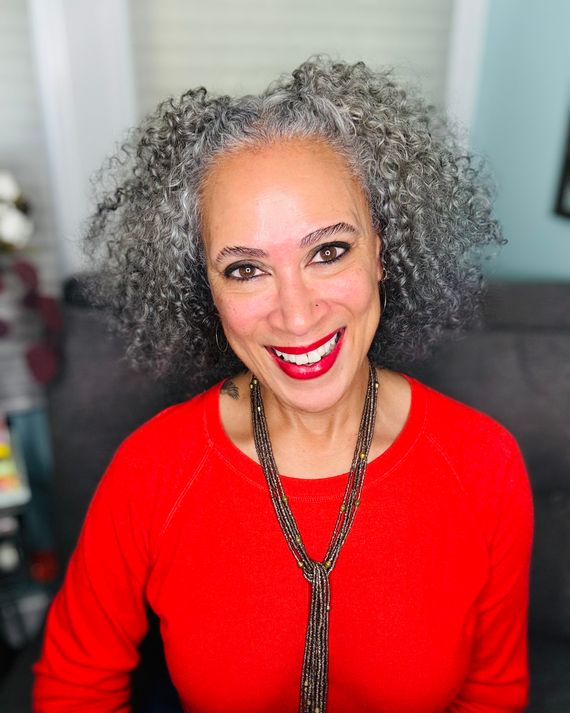
Trae Bodge let her grays grow in her mid-20s. “I was working at Kiehl’s at the time, and I remember that older women, especially older Black women, were quite upset that I was allowing my gray streaks to come in,” she says. “They told me it aged me and I should dye it ASAP.” She didn’t listen and let the gray come through.
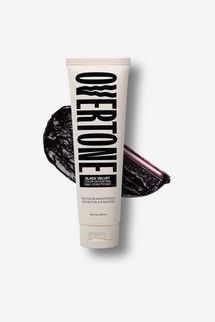
In her 40s, she found that her hair was a bit too gray and began adding lowlights that matched her original hair color, making it appear less gray overall. Now that her hair is becoming increasingly white, she has started using Overtone Color-Depositing Conditioner to darken it by a shade or two. “The rinses work well, but I’ve learned the hard way that you can’t combine them with the purple brightening shampoos because you can end up with a color that doesn’t look right,” she says. “My hair turned a bit greenish in a few spots.” It took some experimentation to get it back to the right shade. “Not ideal when you’re on TV a lot.” Otherwise, she uses Potion Studio shampoo and conditioner.
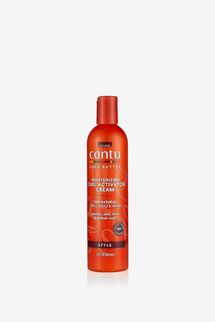
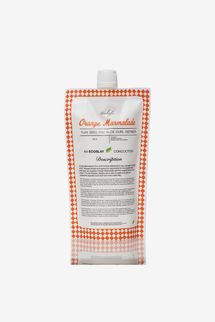
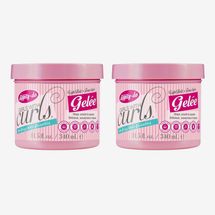
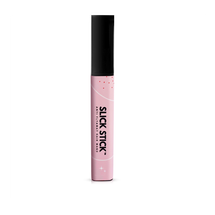
Bodge’s naturally curly hair texture brings another challenge. The gray around her temples is softer than the rest of her hair, and when she stretches her curls with a blow-dryer, she has to be careful not to overdo it. Too much heat can leave those sections limp and straighter than the rest. Her go-to leave-in conditioner is Cantu Moisturizing Curl Activator Cream. She uses the Ecoslay Orange Marmalade Curl Definer to freshen up her curls between washes, Dippity Do Girls Curl Gelee to tame frizz, and Slickhair Slick Stick for her edges.
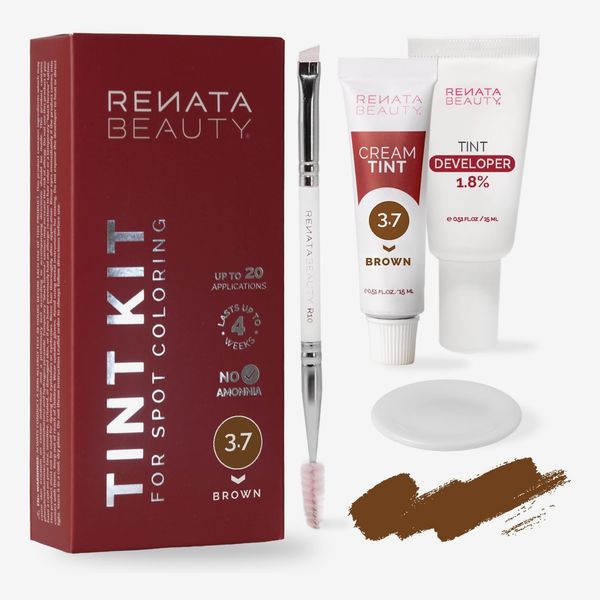
She’s also noticed her brows become grayer and sparser. She uses a Renata Spot Tint Kit and Lavone Eyebrow Pomade to add definition. Her makeup colors have shifted, too. “I used to wear a lot of warm tones, and now cooler tones look much better on me, especially lips and cheeks.” She says the same is true of her wardrobe. “I can get away with cool, bright colors much more than I used to.”
New! You can now save this product for later.

New! You can now save this product for later.
New! You can now save this product for later.
New! You can now save this product for later.
New! You can now save this product for later.
New! You can now save this product for later.
New! You can now save this product for later.
Pati Dubroff, makeup artist
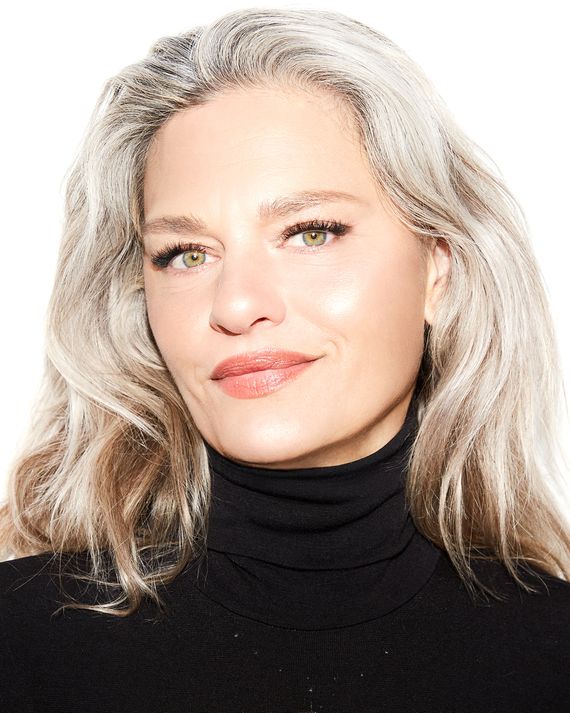
For Pati Dubroff, a celebrity makeup artist, the decision to go gray came after a major health event. “The real impetus was having brain surgery,” she says. She had been coloring her hair since her late 30s, and she couldn’t dye it for three to four months while she recovered. She and her friend and hairstylist Chris McMillan decided to cut her long, dyed-brown hair and start working toward gray.
It wasn’t a quick process. She was completely gray by age 49. They cut off a significant amount of length and tried lightening her hair to blonde. “That first day in the salon was about seven hours!” she recalls. “It took a couple of years before it started to feel like a cool-toned silver.” Dubroff still visits the salon about three times a year for balayage with colorist Lien at Chris McMillan Salon. “The goal is to weave more gray through the darker hair in the back, brighten the front, and keep the overall tone cool,” she says. “Now I’m just thrilled with my long gray hair.”
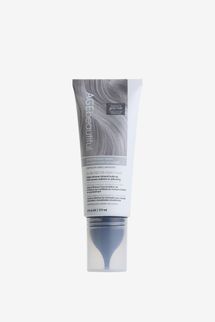
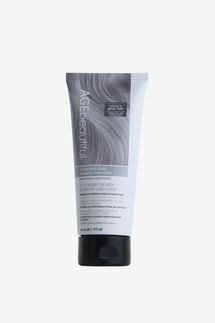
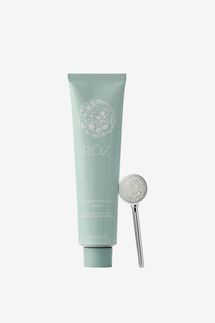
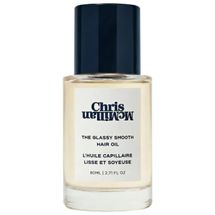
To keep it vibrant, she uses AGEbeautiful Brightening Wash and the Deep Conditioning Hair Mask. (Dubroff is a spokesperson for the brand.) RŌZ Foundation Mask is another favorite for keeping her hair healthy and nourished. Chris McMillan’s the Glassy Smooth Hair Oil is a fine mist that she uses to make her ends smooth and vibrant.
The makeup artist has learned that brows are especially important with gray hair. “My brows are still a light brunette, but I use a brow pencil that’s more of a cool, dark blonde, very taupe with no warmth at all,” she says. “I don’t want my brows to look too severely dark, so I go a little lighter and cooler when filling in.” She also likes more blush and creamy bronzer to bring warmth and contrast to her complexion.
New! You can now save this product for later.
New! You can now save this product for later.
New! You can now save this product for later.
New! You can now save this product for later.
Michelle LeVasseur, gray-hair creator
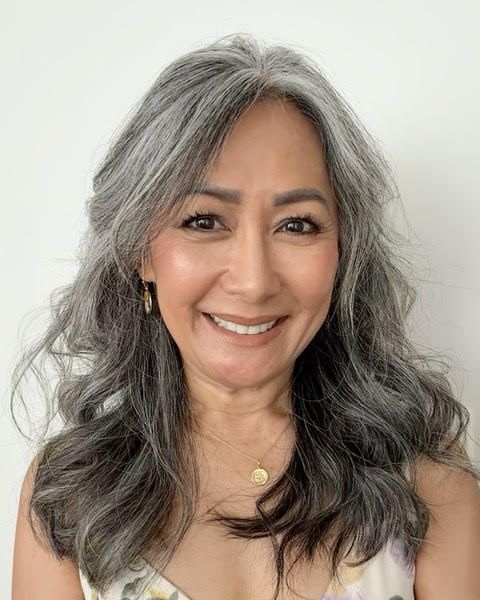
Michelle LeVasseur, a.k.a. “Meesh,” had wanted to go gray for years, but her hairdresser kept talking her out of it. She was told she was too old, that her color wouldn’t suit her, and that her husband wouldn’t like it. “The beauty world had always taught us that forever young meant beautiful and that gray meant old and ugly, so I kept dyeing,” she says.
The decision finally came in October 2024, after she returned from a family trip to Puerto Rico with COVID. She didn’t have the energy to get to the salon for another root touch-up, so she decided to stop coloring altogether.
“The first few months were the hardest,” she says. In the beginning, a round patch of gray at her crown made her reach for baseball caps and beanies. By month three, she felt like nothing was happening. By month four, the line between her natural roots and colored lengths was becoming more obvious. She heard comments from people who thought gray would make her look old, as well as compliments from others. But even being called “brave” didn’t sit quite right with her: “Why should growing out your grays be considered scary?”
Around month ten, Michelle found a hairdresser who was also growing out her gray. A haircut helped the color look more blended. At the one-year mark, her gray had reached her ears. “I finally threw out the box dye and the root touch-up powder.”
Now, at 56, she says “gray is just another color.” Sharing her journey online helped hold her accountable to her process but also gave others permission. “I’m not here to tell women to go gray; I’m here to show them what it can look like, so they can decide for themselves.”
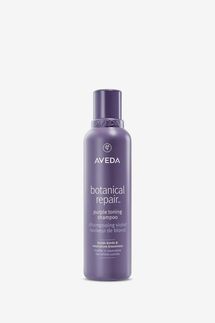
Her hair-care routine includes using Aveda Botanical Repair Purple Toning Shampoo about once a month to brighten her silver. She’s also become more aware of how water quality can affect the look and feel of her hair, so she uses Silverist Clarity Reset Demineralizer Pre-Shampoo, too. She likes long layers for movement and to show off the natural pattern of her gray.
New! You can now save this product for later.
New! You can now save this product for later.
Claudia Fabian, content creator, beauty expert
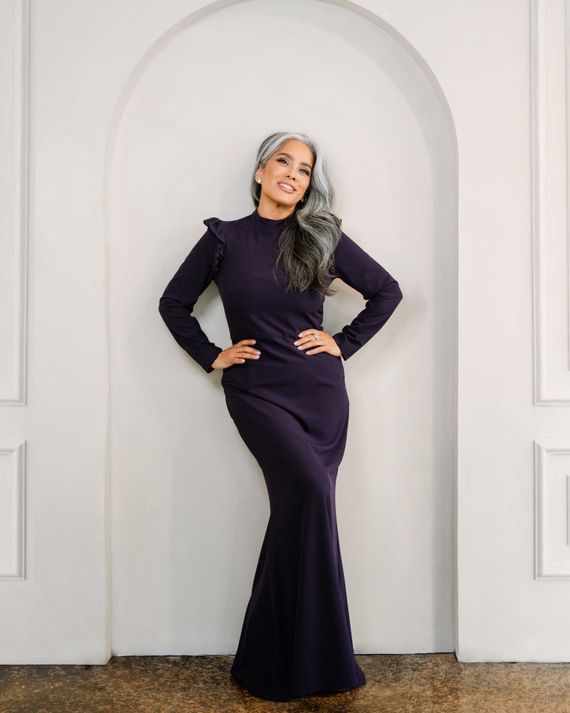
After 35 years in the beauty industry, Claudia Fabian was ready to stop coloring her roots every two weeks. She decided to embrace her gray in October 2020. She didn’t want to cut her hair short to make the transition faster, so she let it grow. The process took four years. She describes it as like “watching paint dry” and says the early months can look a little like you’ve missed a hair appointment. It gets easier after about six months, she says, and she actually loved the in-between stage when gray roots met the remaining colored lengths.
Her advice to anyone considering it is to give the process time. She uses the phrase “it takes a year to your ear” to describe how long it can take before the gray has grown down far enough to feel like a real change. And while it’s easy to feel self-conscious during the awkward stage, she reminds women that no one else cares. “I can’t imagine coloring my hair ever again,” she says. “It would be like covering up beautiful hardwood floors with ugly shag carpet.”
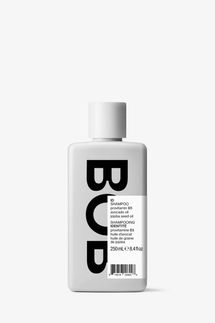
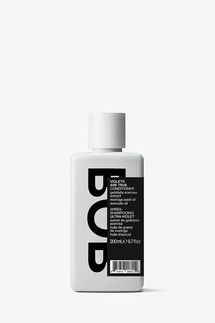
Fabian doesn’t believe gray hair automatically requires purple shampoo or a special makeup routine. She chooses shampoo and conditioner based on her hair type and texture. She likes the brand Back of the Bottle and uses purple conditioner only every few months if she feels her hair needs it. She also cautions that toning products can be drying when overused.
Fabian has not let her gray hair dictate the rest of her style. “I do not subscribe to the antiquated rules put upon women over 50,” she says. “I have my hair long and I wear it in a long-layered cut.”
New! You can now save this product for later.
New! You can now save this product for later.
Lynn Shabinsky, creator
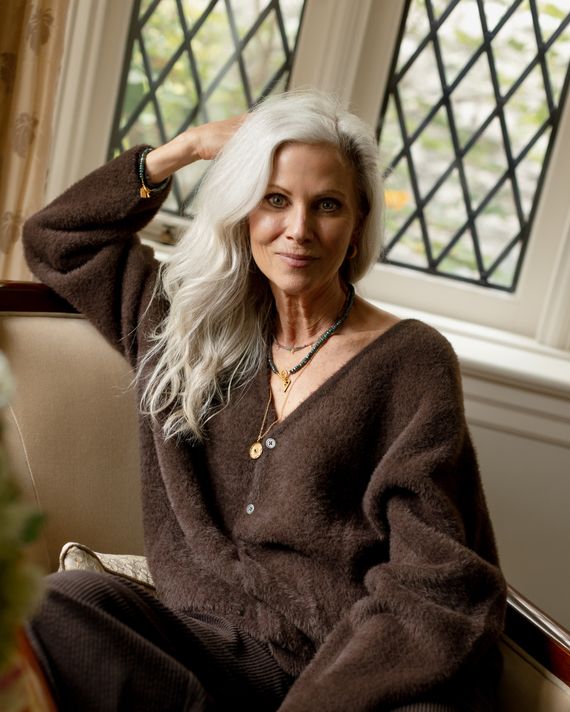
Lynn Shabinsky stopped coloring her hair at 46 after more than 20 years of dyeing it. She was tired of touching up her roots every two weeks, and her reasoning was straightforward: “If men could do it, so could I!”
She quit hair dye cold turkey, though she did use a temporary rinse for a few weeks before deciding to stop that, too. Her transition was relatively easy compared to some of the others. She already had blonde highlights, and her roots were about 90 percent white, so the difference between her natural color and the rest of her hair wasn’t as dramatic. It took about a year to grow out completely. “It was quite liberating!” she says. “I felt free!”
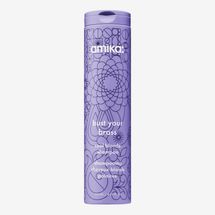
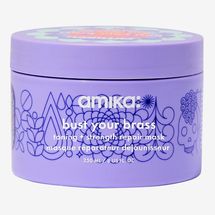
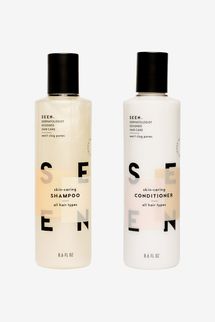
Her approach to hair care has become simpler over time. She initially experimented with purple and blue shampoos but learned that some products could contribute to discoloration. Now she sticks with gentle shampoo from SEEN, minimal styling products, and occasionally uses Amika Bust Your Brass Shampoo, conditioner, and hair mask when she wants to brighten her color. Shabinsky air-dries before styling with lower heat, wears a hat in the sun, and uses a rich cream or oil when her hair feels dry or frizzy.
New! You can now save this product for later.
New! You can now save this product for later.
New! You can now save this product for later.
New! You can now save this product for later.
Revelina Tokromo, lifestyle influencer
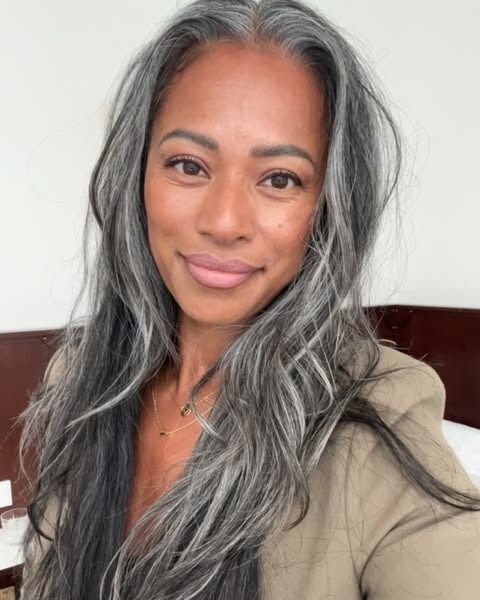
Revelina Tokromo noticed her first gray hairs in her early 20s. There were so few that she could count them, so she simply plucked them out. By 34 or 35, she had become noticeably grayer and started dyeing her hair black. In 2014, Tokromo lost her hair while undergoing chemotherapy, and it grew back gray.
In September 2017, she stopped dyeing her hair, and she has never regretted the decision. “I truly believe the key is to own your gray hair with confidence,” she says. Her hair is an extension of who she is now, and she reminds herself, “Growing older is a privilege.”
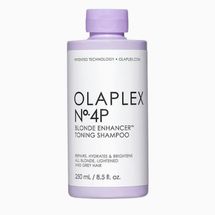
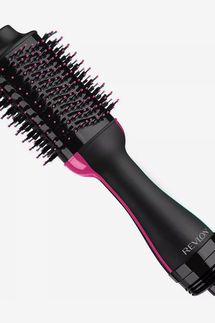
The process took about a year. Tokromo uses Olaplex No. 4P Blond Enhancer Purple Toning Shampoo and No. 5P purple toning conditioner to help neutralize yellow tones, along with salon-quality conditioner and hair oil for shine and softness. She styles it with a Revlon Volumizing Air Brush to create loose, beachy waves, and occasionally visits the salon for an intensive keratin treatment.
New! You can now save this product for later.
New! You can now save this product for later.
New! You can now save this product for later.
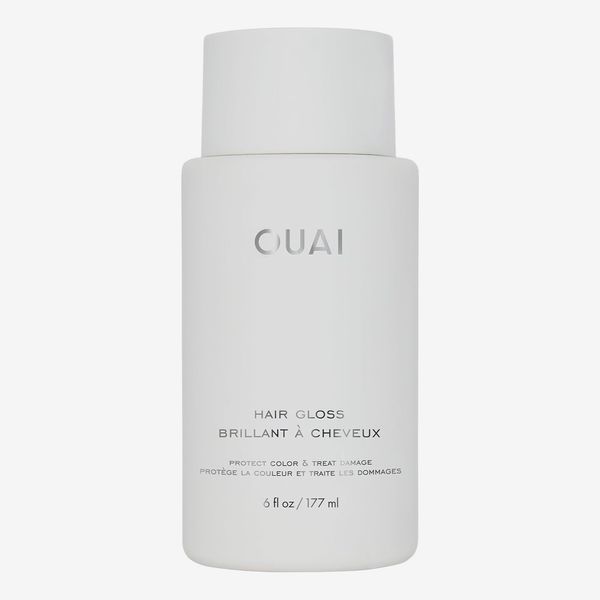
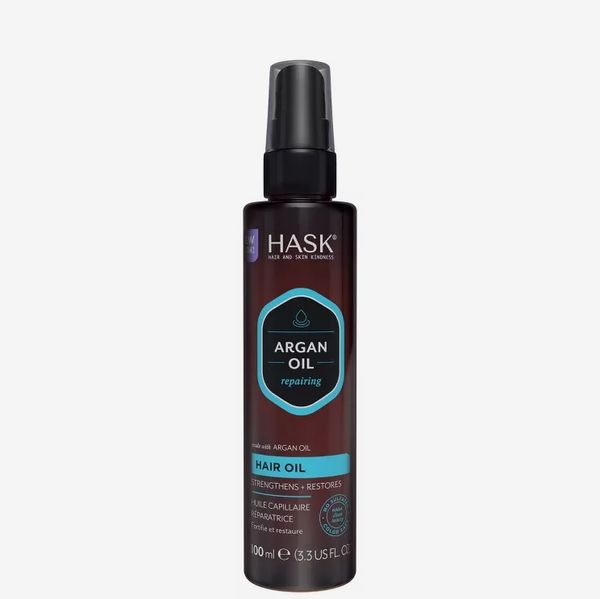
Some shine-enhancing products we’ve written about

More From The Strategist
- Ask a Picky Guy: Stain-Hiding Duds for Dads
- The Best Things Strategist Editors Have Bought This Year (So Far)
- Hark, the Advent Calendars Arrived (Very) Early This Year
- 63 Things You Should Never Buy Full Price
The Strategist is designed to surface useful, expert recommendations for things to buy across the vast e-commerce landscape. Every product is independently selected by our team of editors, whom you can read about here. We update links when possible, but note that deals can expire and all prices are subject to change.