How to Care for Wooden Kitchen Tools


Wooden kitchen tools and vessels — spoons, spatulas, cutting boards, bowls, and the like — can last an incredibly long time if you know how to care for them properly. You can literally see when such pieces have been neglected. They look thirsty, warped, and splintered. The good news is, maintaining them properly can be a satisfying ritual. In order to figure out the exact dos and don’ts of this, I turned to Brad Bernhart, the founder and head craftsman of Earlywood, which makes gorgeous wooden utensils (like my favorite spatula) and bowls out of Montana. The process is simple — some basic washing guidelines and occasionally treating the pieces with oil and wax — but ensures they’ll last for decades instead of just years.
How should I clean my wood products on a day-to-day basis?
“This is what I always tell people: Wash your pieces in hot, soapy water with the scratchy side of your sponge,” Bernhart says. “That material has aluminum oxide in it, which is what most sandpapers are made out of. So it’s just like a real gentle sandpaper. You get little fibers standing up in the wood and every time you wash it, you’re basically sanding it just the tiniest little bit.” If you do this, they don’t have to be oiled super-often. Bernhart treats his every six months — “or when I want them to look better,” he says. I do about the same, letting my eyes and intuition guide me, and that’s worked out well so far. His cadence is about where I land, too, though occasionally I’ll treat my most-used cutting boards and spoons a bit more often, and the handles of less-used utensils, like a stainless-steel whisk with a wooden grip, only once a year.
What’s the process for oiling them?
Eventually, even if you wash your wooden pieces as instructed above, they’ll need that bit of extra TLC. Oiling breathes new life into them. Cooking oils, like olive oil, vegetable oil, linseed oil, and walnut oil, aren’t recommended. “Especially if they’re applied in too thick of a coating, they can go rancid,” Bernhart says. “You can get a smell and some stickiness.” (Fractionated coconut oil or highly refined coconut oil are okay.)
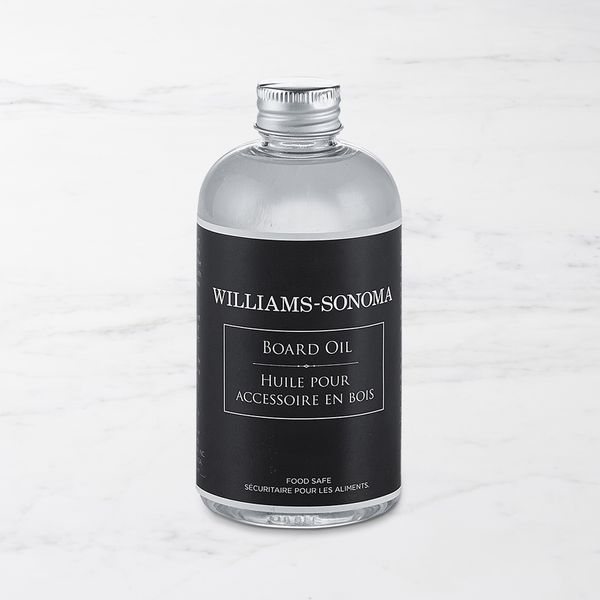
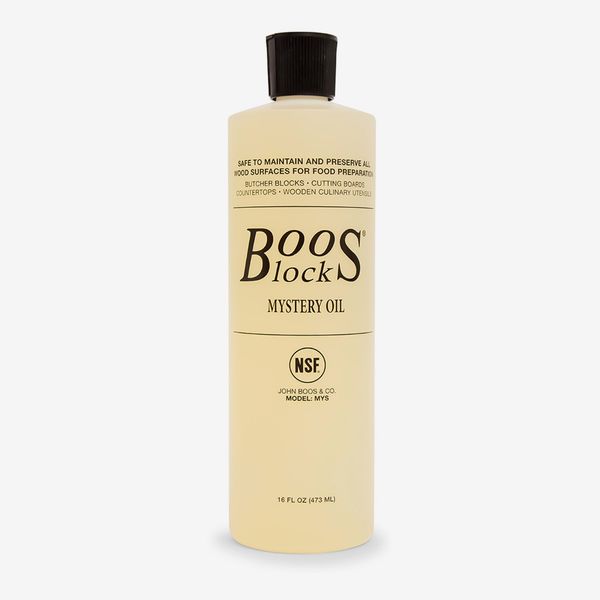
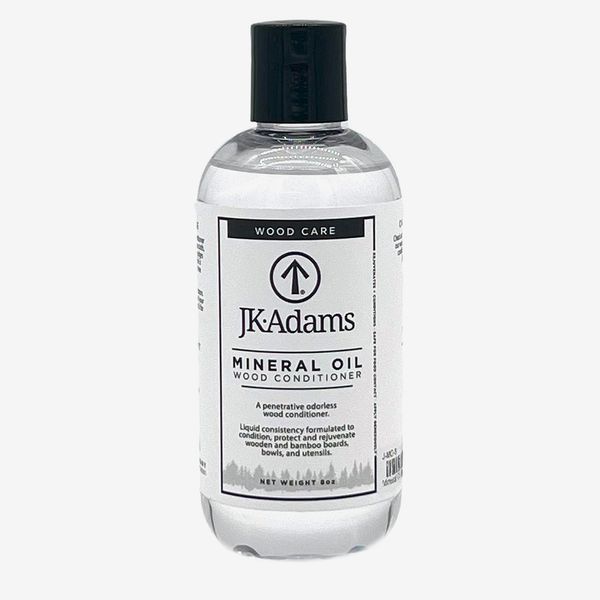
Meanwhile, mineral oil is the best and most common type because it’s odorless, clear, food safe, and never hardens. “It gets into the pores and keeps everything nice and stable and hydrated on the inside,” says Bernhart. “It just soaks right in and then the excess falls off, or you wipe it up. The longer it sits, the more it soaks.” He covers his tools in a generous layer, rubs the oil in using a kitchen towel or dishcloth, and then lays his pieces out overnight. You can get away with letting them sit only a few hours before using them, but again, more time means deeper saturation. If he comes back the next day and it feels like there’s still some slickness on top, he’ll simply give them a final wipe with a clean, dry cloth before putting them away.
New! You can now save this product for later.

New! You can now save this product for later.
Do I need conditioner and wax as well?
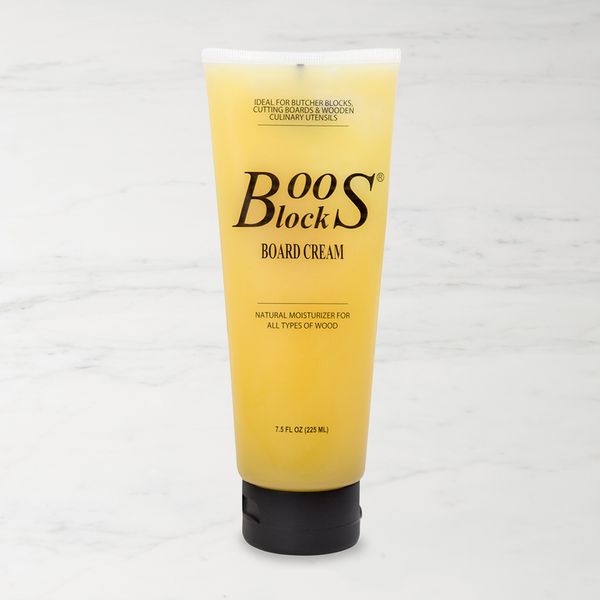
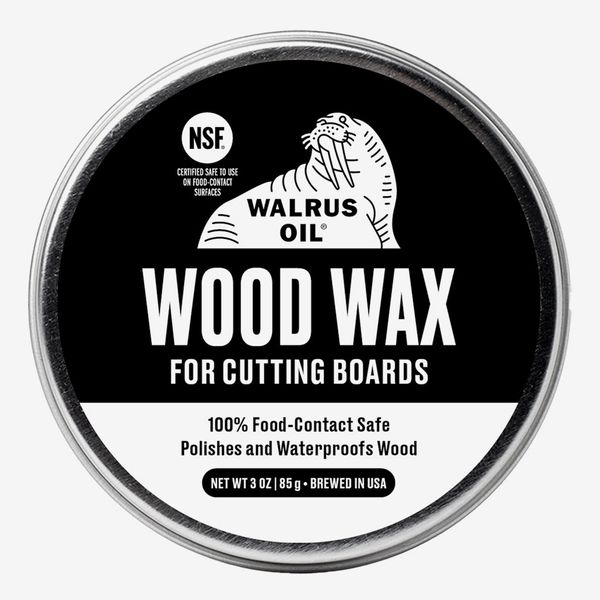
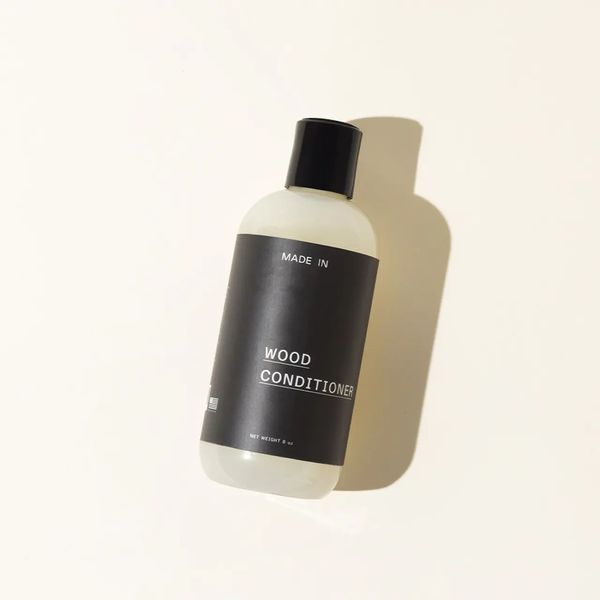
Oil gets into the wood; wax creates a thin, protective layer on top of the wood — a food-safe seal, basically. Bernhart recommends beeswax in particular and says it’s the most common type you’ll find. Whether a given product is labeled as wax or as a conditioner or cream, it’s usually a combination of the two, and you’ll have to read the particular description to determine if it’s best used in conjunction with an oil or if it’ll work as a stand-alone product. There’s no right or wrong method — either a single-use treatment or two separate ones. It’s more that the latter gives you a bit more control, which Bernhart likes. He uses only mineral oil on his cooking utensils, since those constantly touch heat. If it gets hot enough, beeswax will melt. It’s food safe, so not a huge deal, but also kind of a waste. On the other hand, it makes more sense to use wax, conditioner, or cream on cutting boards and salad bowls. “If you’re not gonna get something hot and wet all the time, it’s a good coating,” Bernhart says.
Do different types of wood make a difference in how you care for certain pieces?
The short answer is: not in a way that really matters. There are, in fact, two categories of wood — hard and soft. Each is not actually classified by how hard or soft they feel, but by the grain structure, which dictates the way that water goes through the wood while it’s growing. (To make matters more confusing, certain woods that are technically hardwoods are actually quite soft to the touch, Bernhart says.) In a broad sense, these classifications determine how much oil will soak into them — as in, harder woods don’t soak up as much oil, which makes treatment last a bit less long, and at the same time, food stains and smells don’t soak in as much, either.
But at the end of the day, the average consumer isn’t buying based on knowing how certain types of wood behave. You’re better going off of other indicators mentioned above, like how your wood looks, or just sticking to a regular routine.
Are there any definite don’ts when it comes to caring for wood tools?
You can let your pieces drip and air-dry after you wash them by putting them in your dish rack — but don’t soak them in water or run them through the dishwasher, ever. (Or, if you do, expect them to last for only a few years before they warp and crack — versus decades if you wash by hand.) “The fewer times that wood soaks up water and dries out, the better. When you get water in wood, you’re expanding the pores, and then they shrink back down, and then it expands the pores, and then they shrink back down again. If I have a wooden spoon in the sink that’s dirty and I really can’t wash it right away, I’ll at least turn it over so it’s not holding a bowl full of water,” Bernhart says. “Over time, it rips things apart. It’s like a deck that gets rained on all the time that hasn’t been treated. Same thing.”
More From The Strategist
- Hark, the Advent Calendars Arrived (Very) Early This Year
- The Best Things Strategist Editors Have Bought This Year (So Far)
- 63 Things You Should Never Buy Full Price
- The Strategist Fall 100
The Strategist is designed to surface useful, expert recommendations for things to buy across the vast e-commerce landscape. Every product is independently selected by our team of editors, whom you can read about here. We update links when possible, but note that deals can expire and all prices are subject to change.