Everything You Need to Soundproof a Room, According to Professional Soundproofers
Save this article to read it later.
Find this story in your account’s‘Saved for Later’section.

If you live in a city, it’s all too common to besurrounded by noise. It comes from things like honking cars and people partying or fighting on the streets below. If you live in an apartment building your walls (or ceilings) may be so thin you can practically hear your neighbors breathing, not to mention having sex or practicing the oboe at all hours. And now that so many of us are working from home, making more and more noise around, above, and below each other, it can feel like there’s no escape.Earplugsandwhite noise machinescan help drown out some sound, but what if you need absolute silence so you can record a podcast in your living room? For that, and many other situations, you might need to think about soundproofing your space.
Mason Wyatt, owner of New York’sCity Soundproofing, says that certain forms of soundproofing can limit the transfer of noise from one space to another or absorb soundwithina room (so, you might install more bulky, overstuffedcouchesto prevent echo in a large loft apartment). The quick and easy way to think about it, he says, is “where air goes, noise goes.”
If you really want the best quality soundproofing, you’ll want to find a professional who can outfit yourhomewith premium materials that aren’t widely available. ContractorZach Kerzner, who has helped lots of clients absorb and reduce sound in their spaces, says that in general adding layers of sound-deadening materials to your walls (or inside them) will help but might cost a lot of money. If you’reon more of a budgetor you live in a rental and are just looking for some easy fixes, we asked Wyatt and Kerzner to recommend some products and simple changes to quiet down your space.
New! You can now save this product for later.
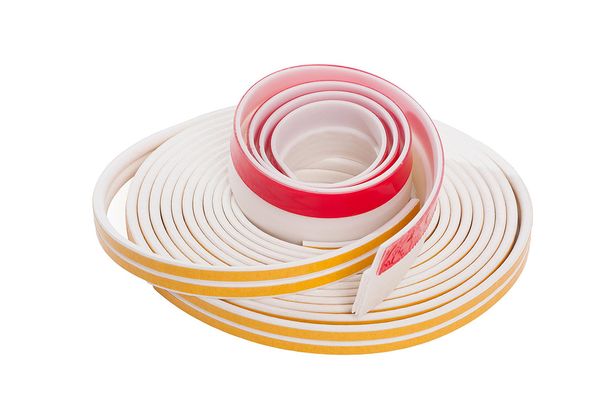
“One of the most frequent complaints we get is about noise coming from a hallway or through a door. Most of the noise coming through a doorway is from the perimeter and the duct, the space between the door and the jamb,” Wyatt says. The two options he recommends for homeowners are addinggasketsinside the door frame and seals along the bottom of the door and the perimeter.“Soft seals on the jamb where the door closes and a steady sweep at the bottom of the door, that comes in contact with the threshold or the floor, will help reduce the air that’s passing through, and thereby the noise, if properly installed,” he says. For a similar door-sealing solution, this silicon soundproofing kit (complete with weather stripping and a door sweep) has great reviews.
New! You can now save this product for later.
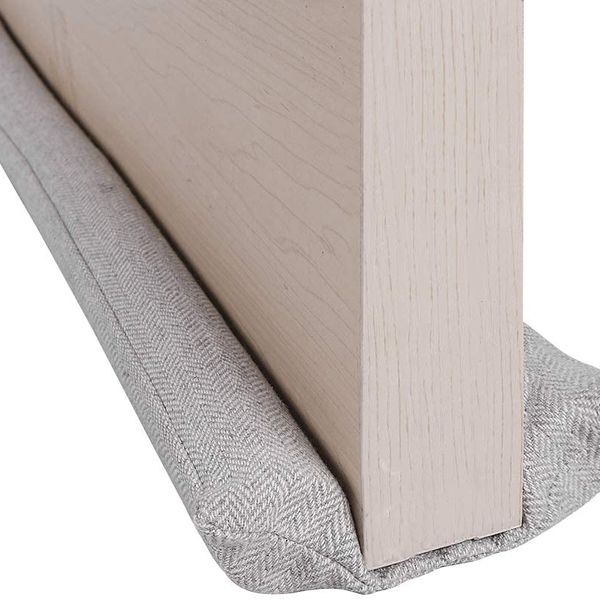
For a less permanent solution, Kerzner suggests using a draft stopper at the bottom of your door to absorb sound from echoey hallways and other outside noise. He describes it as “two long pillows you slide under the door” and says it’s an easy way to reduce the light, drafts, and sounds that can seep underneath.
New! You can now save this product for later.
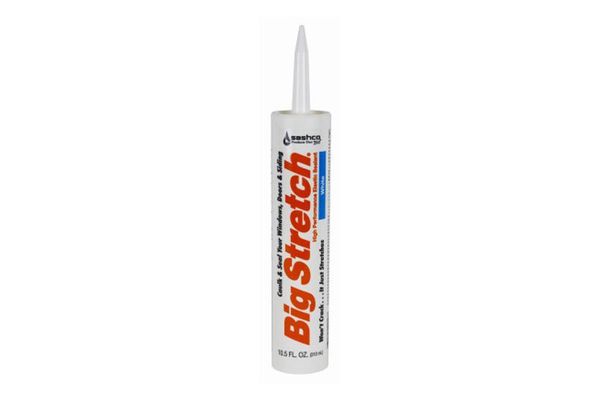
Sashco Big Stretch Caulk Agent
Another common reason people hear noise from the street is airflow from cracks in windows. “A lot of times, the windows are slightly open and people don’t even realize. So checking for drafts and listening at the perimeters of windows and doors for noise coming through can be very helpful in leading you to a place that can be sealed. If you’re going to seal up cracks on windows, or if they’re not operating, you can just buy sealant or a caulk,” says Wyatt.
New! You can now save this product for later.
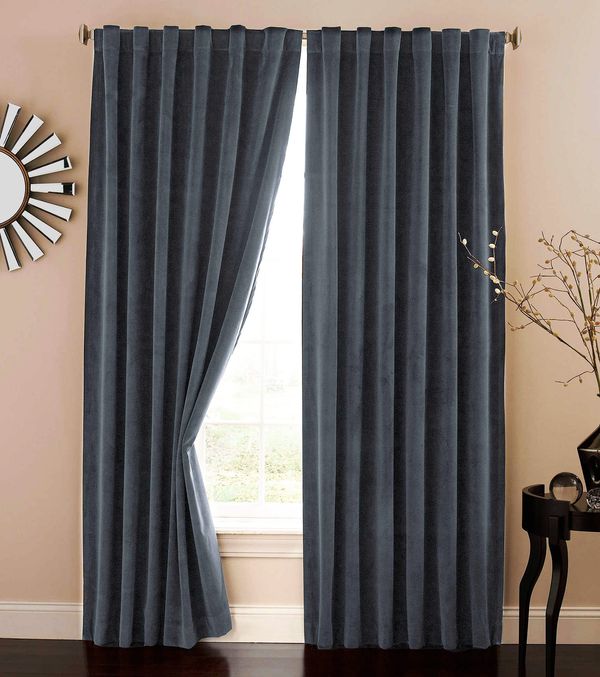
If you want even more coverage, you can go for heavy, blackout curtains. Wyatt recommends thick, heavy velour and velvet to soften the atmosphere of a room and improve your sleep quality. “If you have any trouble sleeping, putting up heavy curtains, using a down comforter, and putting an overstuffed chair and carpeting on the floor are going to make your bedroom a lot quieter than if you have just drywall, hardwood floors, and plaster seal which are all noise-reflective things,” he says.
New! You can now save this product for later.
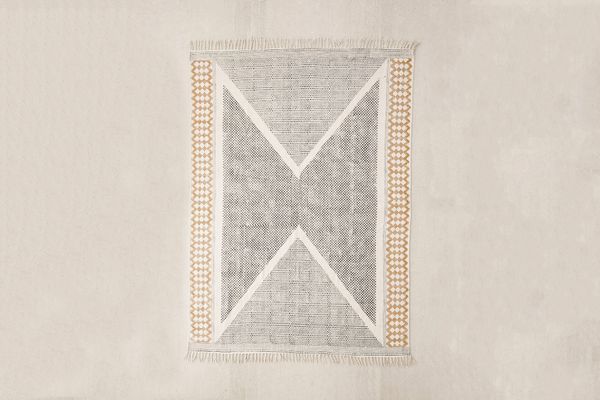
The same is true forwall hangingsthat might help you stem the noise transfer from room to room: Wyatt says any kind of fabric hanging can help. “The more weight you have, the more absorption you have, and the quieter the room will seem and feel.” You could even hang up a decorative woven rug as a sound barrier that covers more surface area.
New! You can now save this product for later.
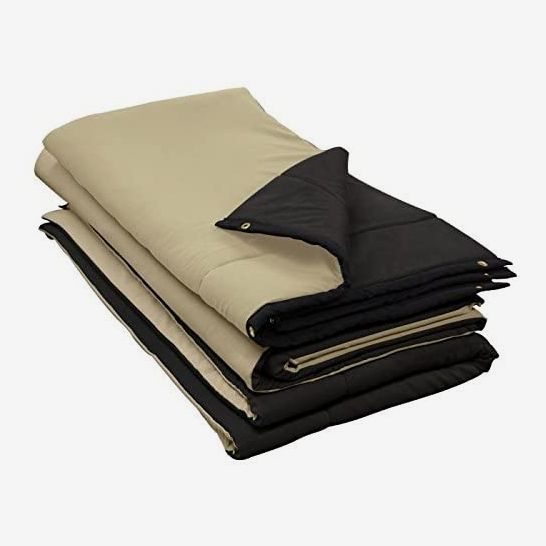
If aesthetics aren’t your first priority (because you’re using the space to record music or produce a podcast), Kerzner recommends these professional soundproofing blankets to dampen noise and cut down on echoes. They have grommets on the edges to let you securely fasten them to the wall, something he says is essential for blocking sound.

New! You can now save this product for later.
Uppland Sofa
Wyatt recommendsoverstuffed furniturewith fabric coverings if you want to diminish noise transfer. “The reason I say fabric is because it’s moreacoustically transparent, and noise won’t reflect as much as maybe a leather chair. Overstuffed is the key: Those things can help to reduce noise in a room, thereby absorbing incoming noise. The less volume in a room, the less that will transfer beyond the room.” A cushy fabric-covered sofa like this one would work, or even a roomy, polyester beanbag chair.

New! You can now save this product for later.
Even adding a bean bag chair will help soften noise in a space says Wyatt.

New! You can now save this product for later.
NuLoom Jute Area Rug
“Wood doesn’t absorb any noise so you’re going to get reflected echo off of wood floors, whereas carpeting will absorb some of that reflected energy,” says Wyatt. To lessen the sound of footsteps and the odd dropped object in a room, you can install athick rugto minimize echo. “Thick open weave fabric, felt, and soft fluffy stuff works best,” says Wyatt. This heavy-duty woven jute rug that comeshighly recommendedby interior decorator Fiona Byrne will do the trick.
New! You can now save this product for later.
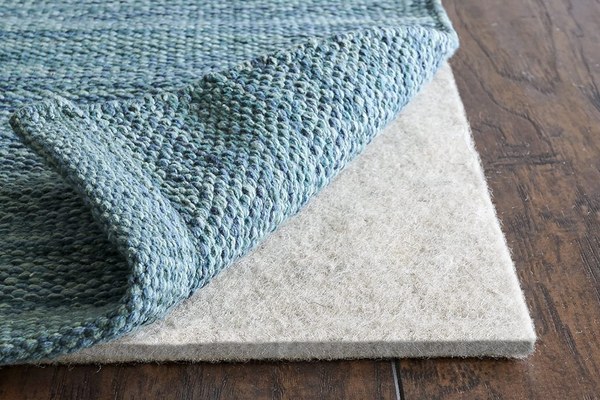
Both Wyatt and Kerzner recommend adding a thick felt pad under your rug to further dampen any sounds. “The thicker the padding is, the more frequencies it will absorb,” Wyatt says.
New! You can now save this product for later.
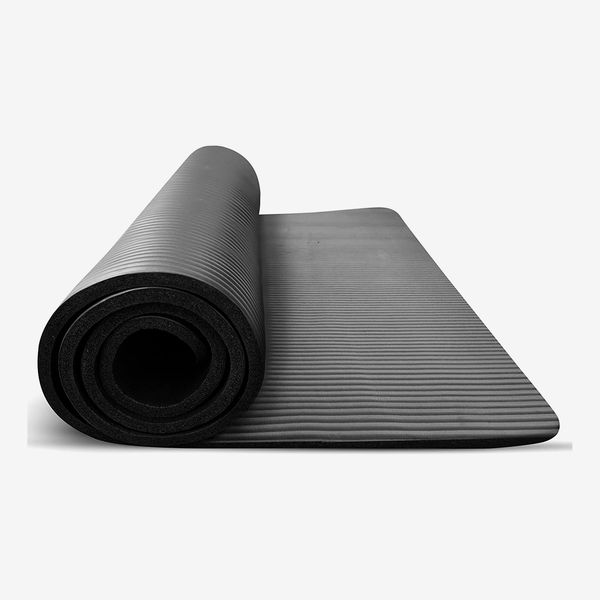
If you’ve been spending the past several months working out on a Peloton or treadmill at home, you know all that exertion can be loud. Kerzner says rubber is an excellent sound absorber and recommends using thick rubber pads like these to dampen the sound coming from home gyms or offices. Bonus: “It’s also nice and cushy on your feet,” he says.
The Strategistis designed to surface the most useful, expert recommendations for things to buy across the vast e-commerce landscape. Some of our latest conquests include the bestwomen’s jeans,rolling luggage,pillows for side sleepers,ultra-flattering pants, andbath towels. We update links when possible, but note that deals can expire and all prices are subject to change.
Every editorial product is independently selected. If you buy something through our links,New Yorkmay earn an affiliate commission.