Will Exfoliating My Dry Skin Make It Worse?

When your skin is dry and dehydrated or a little flaky, it can be tempting to exfoliate. The thinking makes sense: Exfoliators, physical and chemical, are designed to help slough off dead skin cells and, in some cases, speed up cell turnover. That reveals the new skin underneath, which, being newer, looks better than the dull, dry skin on top. But you shouldn’t go full force with the exfoliants when your skin is dry, especially if it’s clear that your skin is irritated and flaking. That could only make things worse. I spoke to three estheticians to get a sense of why.
Will exfoliating irritate my dry skin?
Dry skin, especially during colder months, can be fairly fragile. It’s easy to turn dry skin into irritated skin, especially where exfoliation is involved. Most exfoliators strip skin of moisture rather than deposit it, so you should address the dry skin first and then graduate to an exfoliant only once your skin is in a stable place. Exfoliating despite visible dryness and flaking can impact your skin barrier and make your skin sensitive, explains Sarah Akram, an esthetician and the founder of Sarah Akram Skincare. It also won’t fix the underlying issue of hydration. Another thing to note is that your skin naturally sheds dead skin cells, so while exfoliation speeds up that process, it isn’t critical to having healthy skin. “I always remind clients that glow comes more from hydration and barrier health than from stronger actives,” says esthetician and founder of Ställe Studios Elizabeth Hand. “Gentle cleansing, consistent moisture and strategic, minimal exfoliation go much further than trying to ‘scrub’ dullness away.”
How often should I exfoliate if I have dry skin?
Picking a cadence for exfoliation is personal and will depend on your skin type, but both Hand and Akram recommend no more than a few times a week. “Once a week is enough for most people in winter, and at most twice weekly, if the skin is tolerating it well,” says Hand. It’s also common, says Akram, for people to unknowingly overexfoliate by doubling up on acids. To ensure this isn’t happening to you, look at the ingredients list of your moisturizers, toners, and serums. If you see ingredients like salicylic acid or glycolic acid, that’s a good indicator that it contains an active ingredient designed to exfoliate. If you’re unsure, I recommend looking it up to double-check. If you are doubling up, considering picking whichever exfoliating product you like best and swapping out the rest with moisturizing formulas. You’ll also want to be careful not to stack different kinds of exfoliation. On nights when you are exfoliating, Hand and Akram suggest sticking to a hydrating routine. And if skin is very dry, a thick, occlusive moisturizer can help to seal moisture in.
Are there exfoliating ingredients that won’t dry out my skin?
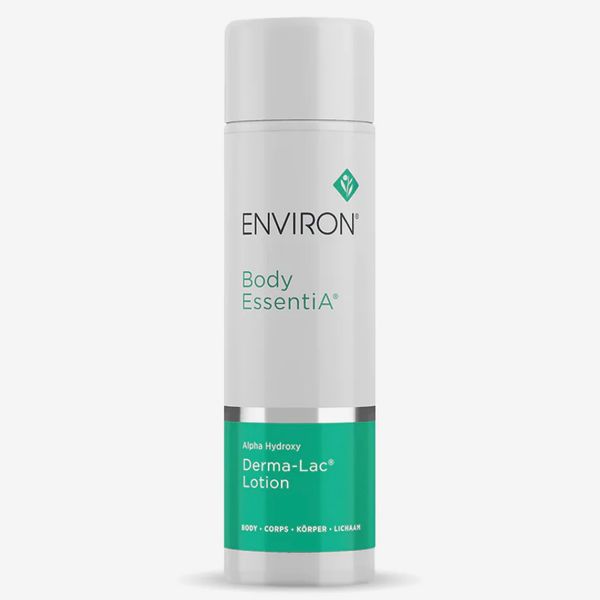
Akram is a big fan of lactic acid, a gentle alpha hydroxy acid (AHA) that helps to exfoliate and moisturize simultaneously. “It gets rid of the dullness without drying you out,” she says. Hand also recommends lactic acid. She likes Environ Alpha Hydroxy Derm-Lac, which is marketed for the body but also works well for the face. “It’s a good starting point because it exfoliates while also helping with hydration,” she says.
New! You can now save this product for later.
What if I’ve already been exfoliating and now my skin is still dry?
In that case, take a big step back from everything and pare back your routine to moisturizing ingredients. When her clients appear with dryness they can’t get ahead of, Akram often recommends a hydrating cleanser like a cleansing milk or micellar water and then a hydrating serum and moisturizer. “Once your skin gets to a good pH, we can deal with the buildup of dead skin cells.” Knowing your skin is in a “good place” is highly individualized because everyone’s baseline is different, but your skin should be acting relatively normal. That means no irritation, excessive dehydration, dry patches, or surprise breakouts.
A skin-care device can give you the radiant skin you’re looking for
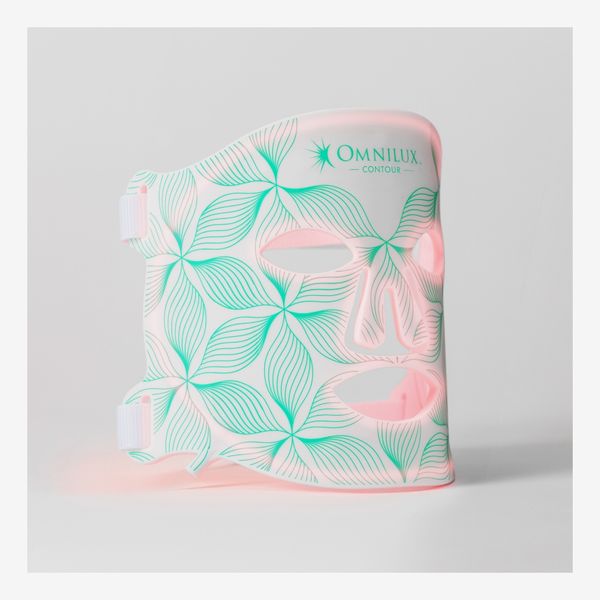
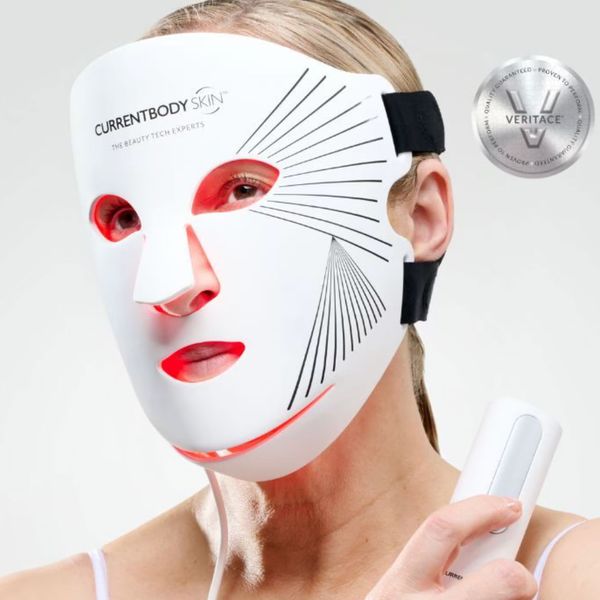
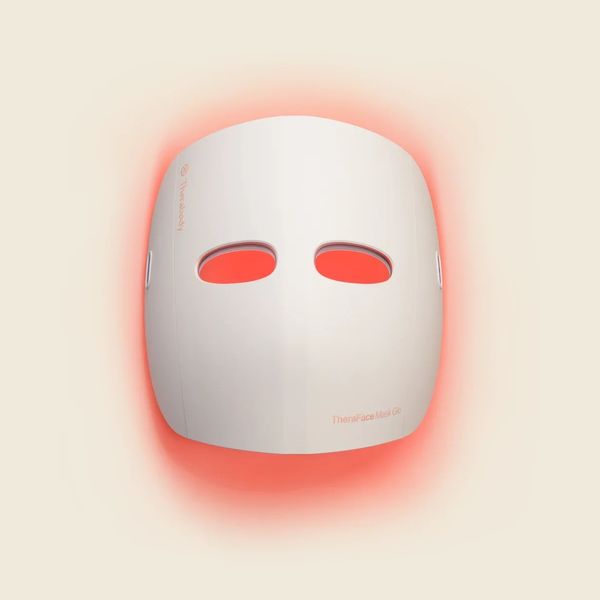
Exfoliation isn’t the only way to achieve radiant, healthy-looking skin. Akram recommends incorporating a device like a red-light LED mask, which works by stimulating the skin cells to encourage collagen production. While this is different from removing surface-level dead skin cells, this, in tandem with a solid skin-care routine, can help to create a healthier skin environment. “It doesn’t have to always come from something in a bottle,” she says.
Red-light masks we recommend
Does the same advice apply to dry skin on your body?
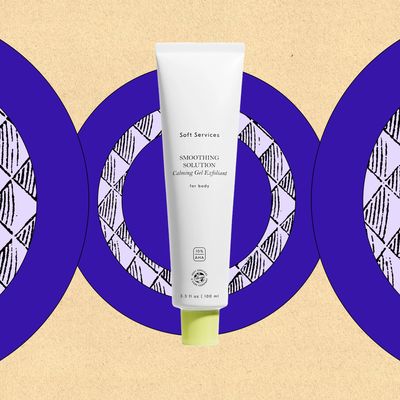
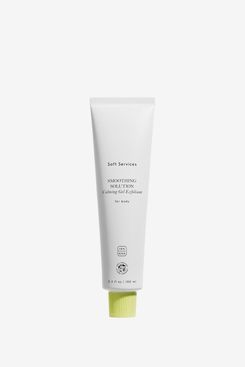
While body skin tends to be less sensitive, the same recommendations apply. Esthetician Samantha Mims suggests using gentle exfoliation methods like dry brushing, a physical exfoliation technique that involves a firm-bristled brush that helps to remove surface-level dry skin cells. “It’s more of a sensorial experience, best before bathing, and leaves the skin feeling softer, smoother, and firmer,” she says. She also recommends the Soft Services Smoothing Solution gel if you have reactive skin. It contains a blend of lactic acid, a gentle exfoliant, and urea, which helps to break down keratin and exfoliate while also moisturizing.
New! You can now save this product for later.
More From The Strategist
- Hark, the Advent Calendars Arrived (Very) Early This Year
- The Best Things Strategist Editors Have Bought This Year (So Far)
- 63 Things You Should Never Buy Full Price
- The Strategist Fall 100
The Strategist is designed to surface useful, expert recommendations for things to buy across the vast e-commerce landscape. Every product is independently selected by our team of editors, whom you can read about here. We update links when possible, but note that deals can expire and all prices are subject to change.