Should I Be Putting Microalgae on My Skin?

Save this article to read it later.
Find this story in your account’s ‘Saved for Later’ section.

For the past few years, algae has been having something of a moment. We reported on its growing popularity in the food world (especially in the form of algae oil), and in beauty, a number of skin-care brands — including Osea, Mara Beauty, and Seaire — have pushed algae-infused products, too. More recently, though, I’ve noticed that microalgae are popping up more and more, to the point that I started to wonder: What’s the big deal with these microscopic organisms? When I asked my own dermatologist during a routine appointment, she informed me that none of her patients had inquired about microalgae (yet) and that she wasn’t aware of it being a particularly effective ingredient.
Given my dermatologist’s uncertainty about microalgae, I was pretty skeptical as I started writing this story. I began to wonder if this was all just a fancy rebranding of spirulina or Chlorella vulgaris. It was difficult to find sources that were willing to speak to me about microalgae since most felt they didn’t know enough to comment on their use in cosmetics. Still, there’s no doubt that tons of brands are adding microalgae to their ingredient lists, including Dermalogica’s skin-barrier serum that uses red microalgae and Omorovicza’s Midnight Renewal serum with green microalgae. Microalgae have made their way into body-care products, too: A few months ago, Naturium launched a body wash featuring “proprietary microalgae biotechnology,” and Uni released a golden microalgae body oil with plankton extract. With so much buzz surrounding these tiny species, I knew I needed answers about its efficacy, so I spoke with dermatologists and a cosmetic chemist to get their take on the buzzy ingredient — and find out if it’s actually worth using on your skin.
What are microalgae, exactly?
“Microalgae are single-celled organisms as opposed to macroalgae, which are multicellular,” says Dr. Brendan Camp, a double board-certified dermatologist in dermatology and dermatopathology at MDCS Dermatology. Microalgae and macroalgae (more commonly referred to as kelp or seaweed) both fall under the broader umbrella of algae. Microalgae, however, are not visible to the naked eye and are often found in diverse aquatic environments depending on the species, including marine and freshwater systems. And according to New York City–based dermatologist Hadley King, “They form the base of many aquatic food webs.” While they belong to a separate kingdom called Protista — basically, they aren’t classified as plants, fungi, animals, or bacteria — microalgae act very similarly to plants by harnessing energy through the process of photosynthesis.
So are there different kinds of microalgae?
Microalgae are incredibly diverse: There are estimated to be 200,000 to 800,000 species. According to biotech expert and cosmetic chemist Krupa Koestline, founder of KKT Innovation Labs, three microalgae species are most commonly used in skin care: Nannochloropsis, Chlorella vulgaris, and Haematococcus pluvialis. They are all green microalgae, and each has distinct benefits. “Nannochloropsis is celebrated for its high levels of omega-3 fatty acids and carotenoids, which help reduce inflammation, strengthen the skin barrier, and protect against environmental stressors, making it ideal for SPF and anti-pollution products,” Koestline says. “Chlorella vulgaris is rich in peptides and essential amino acids that support collagen production and improve skin elasticity, making it a favorite in firming and rejuvenating formulations.” Finally, Haematococcus pluvialis produces astaxanthin, a potent antioxidant that offers protection against oxidative stress and helps reduce wrinkles and hyperpigmentation.
Dr. Asmi Berry, a board-certified dermatologist who completed a fellowship in integrative dermatology, told me about two other microalgae species that might benefit skin health: spirulina and Dunaliella salina. Spirulina is a blue-green microalgae, also known as cyanobacteria, that you’ve probably heard of before — it’s been available as a supplement in capsule, tablet, and powder forms for years. Berry reminded me that spirulina is often used in plant-based protein powders due to its high protein content. “I guess people have continued to research [spirulina] as they’re trying to find novel and interesting ingredients for skin care, and they realized it has all these other benefits. It’s antibacterial and antiviral, so it could also be good for acne,” Berry explained. The other strain, Dunaliella salina, is a member of the green-algae family as well. It’s rich in carotenoids, particularly beta-carotene, which is known to brighten skin tone and increase cell turnover. Berry says these are the same compounds found in bright-orange or yellow fruits and vegetables, such as mangoes, carrots, and beets. “The diversity is what makes microalgae such a promising skin-care ingredient,” Berry says.
Is there something that all microalgae do exceptionally well or much better than other ingredients?
Microalgae excel at antioxidant protection, according to Koestline: “Compounds like astaxanthin and phycocyanin have been shown to outperform traditional antioxidants, such as vitamin C and E, in neutralizing free radicals.” She also told me that some microalgae naturally produce UV-absorbing compounds, such as mycosporine-like amino acids (MAAs), which provide an added layer of protection from sun damage. “Their ability to enhance skin regeneration, reduce inflammation, and support collagen synthesis gives them an edge over many synthetic actives in the skin-care space,” Koestline says.
Berry agrees that microalgae are exceptionally good at protecting against environmental stress through their antioxidant benefits and notes that they rank high among “natural” antioxidant-packed ingredients. Still, she says microalgae are not as strong as some of the synthetic options we’re familiar with. “Vitamin C is still king,” Berry says. We also talked about how microalgae compare to other popular “natural” antioxidant-rich ingredients, like green-tea extract, known for reducing inflammation, and resveratrol, derived from grapes and berries, which has anti-aging properties. Berry told me that it’s hard to know if microalgae are more potent than those because there haven’t been as many studies on its efficacy. “Green tea extract is what I recommend the most because it has so many benefits for various skin concerns, and they’ve done a lot of studies, so we just have more data on it,” she says.
Why can’t I buy a “straight” microalgae serum?
Microalgae naturally possess a distinctive grassy or marine-like odor, which can be off-putting in cosmetic formulations. Because of this, Koestline says that many ingredient manufacturers will carefully regulate the concentration of microalgae in the final extract during development. “As a result, most commercially available microalgae extracts are formulated with a high proportion of glycerin and only a small amount of the actual microalgae, helping to minimize the odor while still delivering functional benefits,” Koestline explains.
Humectants, like glycerin and hyaluronic acid, can also help maximize the effects of the ingredients they’re blended with, including microalgae. The same goes for exfoliants and retinol, according to Berry, who says combining them with those ingredients “helps increase the total benefits of that topical skin-care product.” Additionally, blending microalgae with other ingredients can help stabilize them and prevent them from degrading too quickly.
How do microalgae go from being in nature to the ingredient list of a serum or SPF? How are they harvested?
The process of converting microalgae from their natural habitat into a skin-care product is a pretty high-tech process. “These organisms are cultivated in large-scale photobioreactors or open pond systems under specific conditions to ensure consistency and purity,” says Koestline. “Once harvested — often via centrifugation or filtration — the algae are processed to extract their bioactive compounds using techniques such as cold-pressing or supercritical CO₂ extraction.” The species extract (for example, Chlorella vulgaris extract) is then refined, stabilized, and formulated into a skin-care product.
Are there any studies that support the efficacy of microalgae?
Koestline says there are studies (see here, here, and here), but topical-specific research and data are somewhat limited compared to other well-known actives. “Because it’s so new in the skin-care and topical world, I’m sure that they’re going to start doing more research,” Berry added, but as of right now, she found no verified studies on human skin.
Was there an early microalgae product that’s been on the market for a while (before the recent crop)?
Both Camp and Berry mentioned La Mer as being an early adopter of algae. The brand’s proprietary ingredient, Miracle Broth, is made from giant sea kelp. “It undergoes three to four months of fermentation and exposure to light and sound waves to extract the ingredients that go into the final products of La Mer’s skin care,” Camp explained. But in terms of microalgae, Algologie, which calls itself “the brand of marine cosmetic care” and which also originated in France, started using algae and coastal plants in the 1990s, according to Berry.
What are some products that contain the microalgae species mentioned above?
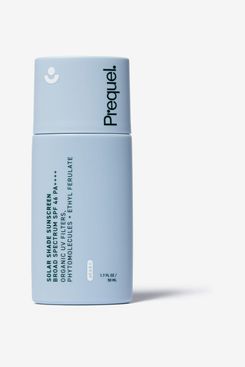
New! You can now save this product for later.
Our beauty writer Tembe Denton-Hurst recommends this sunscreen from the dermatologist-founded brand Prequel, which she says is lightweight and “can be layered to achieve full coverage without feeling gunky or uncomfortable and [it] has a radiant finish.” It contains Dunaliella salina extract (rich in beta-carotene) and Haematococcus pluvialis extract (rich in astaxanthin) to reduce photoaging.
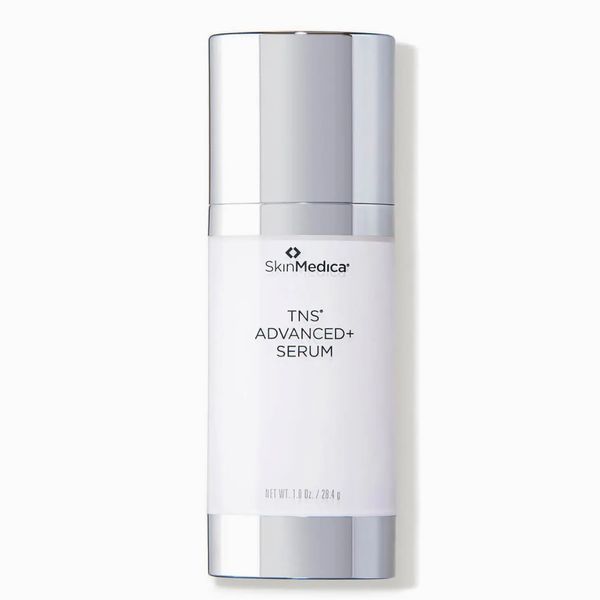
New! You can now save this product for later.
This is one of Berry’s favorite anti-aging serums. She says it’s a powerhouse formula that pairs human growth factors with peptides to visibly improve skin tone, texture, and firmness. “What many people don’t realize is that it also contains a microalgae extract, which helps calm inflammation and supports the skin barrier, which is especially important for stimulating cell turnover,” Berry explains. “I recommend this to patients concerned about skin texture, whether from aging or acne.” It contains Chlorella vulgaris extract.
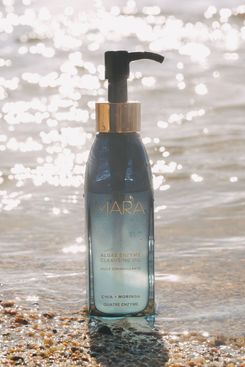
New! You can now save this product for later.
I’ve been using this cleansing oil, which has Spirulina maxima extract, for a few years now. It’s incredibly silky and always does an excellent job of removing my foundation, mascara, and sunscreen.
More From The Strategist
- Hark, the Advent Calendars Arrived (Very) Early This Year
- The Best Things Strategist Editors Have Bought This Year (So Far)
- 63 Things You Should Never Buy Full Price
- The Strategist Fall 100
The Strategist is designed to surface useful, expert recommendations for things to buy across the vast e-commerce landscape. Every product is independently selected by our team of editors, whom you can read about here. We update links when possible, but note that deals can expire and all prices are subject to change.