Should I Be Customizing My Retinol?

Welcome to Wrinkles Week on the Strategist, where we’re deeply vetting skin-care solutions for anyone who’s looking to smooth fine lines and wrinkles (or prevent them from showing up in the first place). For more, head to our Wrinkles Week hub.
A few months ago I texted my dermatologist friend Dr. Lal and asked if he thought it was time for me to start retinol. I was a few months shy of my 30th birthday and feeling like I needed to be more intentional about my routine. I’d been using nonprescription retinol off and on for years but thought 30 meant it was time to start using the heavy-duty stuff. He offered to compound a formula for my skin. It was the first I’d heard of that option. Compounding is a process in which your dermatologist or a pharmacist customizes a skin-care product based on your needs. It’s basically a prescription for your skin and can be helpful if you want to get the efficacy of a retinol but would like to tweak it to be more hydrating or brightening or adjust the consistency so it’s more lightweight, like a serum, or thicker, like an ointment. But is it necessary? It really depends.
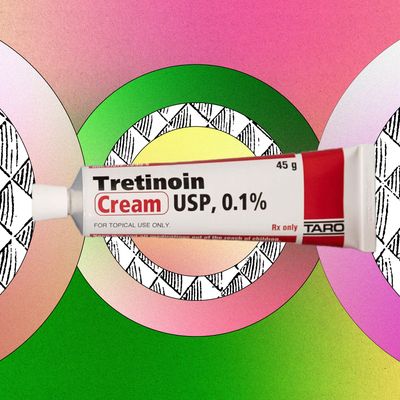
The case for a compounded retinol is ease. “Patient compliance and adherence drops when you start to add more steps,” says dermatologist Dr. Melanie Palm. It could be a good idea if you already like and use a prescription retinoid like tretinoin but would like it to perform slightly differently. You could ask your dermatologist to add in an ingredient like tranexamic acid, for example, an active that helps with discoloration and redness. “They can potentially provide better results for different concerns because of these other actives,” says cosmetic chemist Dr. Julian Sass. It’s also a way to try a very low dose of tretinoin if you have very sensitive skin. “Most prescriptions only go down to 0.025 percent, but a compounder can use much less if that’s too spicy for you,” Sass says. If you do want to pursue a compounded retinol, your best option is to consult with a dermatologist who can assess your skin in person. If that’s not an option, beauty columnist and aesthetician Rio Viera-Newton recommends Dermatica, which will create a custom formula for you based on a makeup-free photo of your skin.
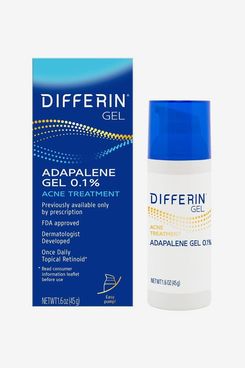
One thing to keep in mind is that a compounded retinol might not be as stable and strong as basic tretinoin. “The compounded formula isn’t tested for stability or efficacy, while prescription tret formulas are in a clinically tested base formula,” says Sass. This doesn’t mean the compounded formula won’t work or will trigger a negative skin reaction, but it doesn’t have the same evidence backing it up. You might be better off trying an already-tweaked tretinoin formula like Alteno, a lotion that contains collagen, hyaluronic acid, and glycerin. It’s more hydrating than tretinoin cream, which doesn’t contain moisturizing ingredients. Rio Viera-Newton swears by it, calling it a “game changer” for her skin. Another option is adapalene, an over-the-counter retinoid that’s weaker than tretinoin but has proved to be good at keeping mild to moderate acne in check.
New! You can now save this product for later.
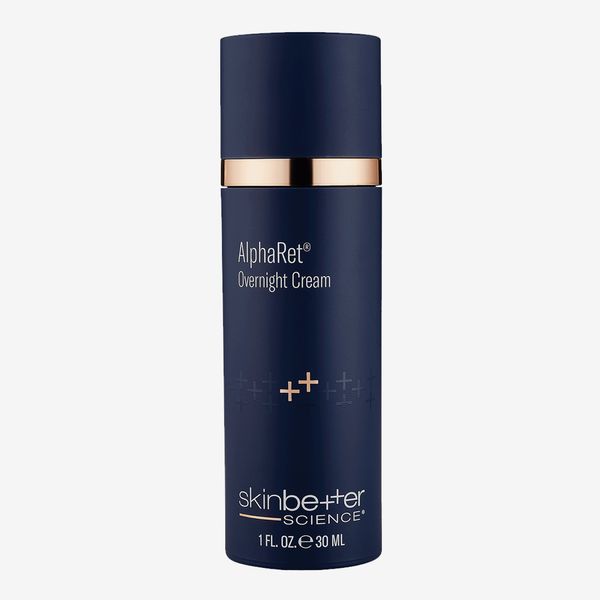
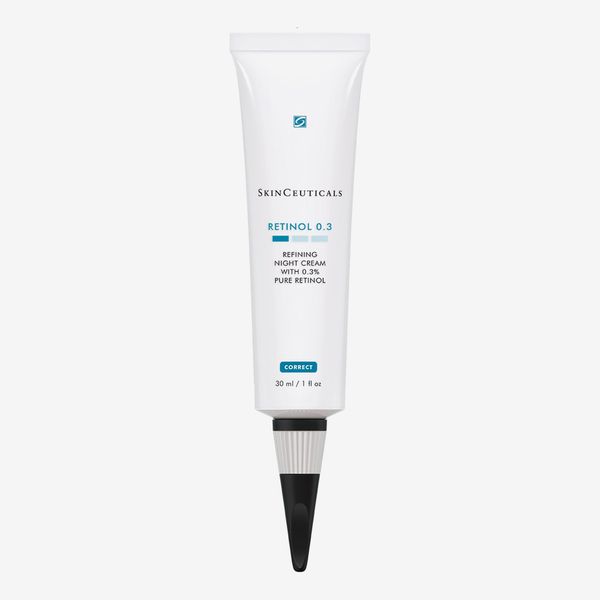
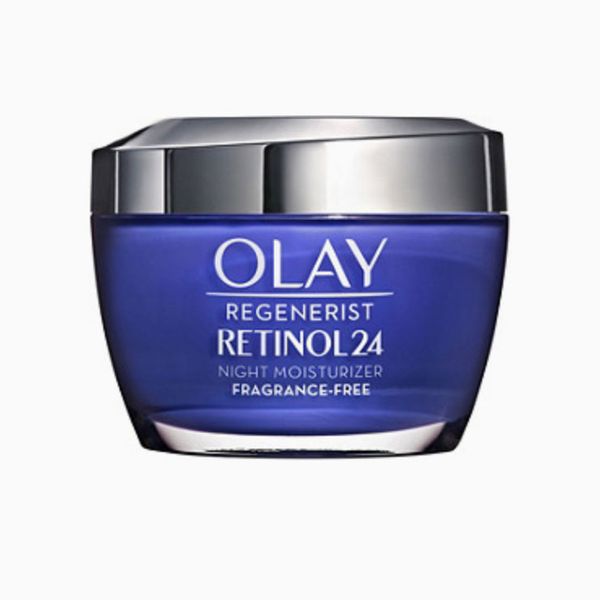
Another option is a retinol. While retinols aren’t as strong as prescription retinoids, the active ingredient is the same. The advantage of using a retinol is that there are lots of different options—you can find weak ones designed for sensitive skin and strong formulas for already-adjusted skin. There are formulas with additional exfoliating ingredients and retinols suspended in oil. If there’s something you’re looking for, it’s likely there’s a retinol that fits the bill. Now, these won’t compare to a super-strong prescription concentration, so if you’re already using a heavy-duty retinoid, it may not be appealing to switch.
New! You can now save this product for later.
My take on compounded retinoids is that it could be a good idea if you’re using retinol regularly and want to take it up a notch or if it’s recommended by your doctor. If neither are true but you’re hoping to mitigate the flaky, dry skin that often comes with starting retinol, I’d recommend applying it on top of your moisturizer to slow absorption and minimize irritation or buying a retinol and working your way up over time. It’s likely you’ll get similar results with less effort.
More retinols we love
More From Wrinkles Week
- Plant-Placenta and Acne Gel: What Readers Bought During Wrinkles Week
- Welcome to Wrinkles Week
- The Products 10 Women Over 40 Can’t Live Without
- Every Last Skin-Care Tip and Trick We Learned During Wrinkles Week
The Strategist is designed to surface useful, expert recommendations for things to buy across the vast e-commerce landscape. Every product is independently selected by our team of editors, whom you can read about here. We update links when possible, but note that deals can expire and all prices are subject to change.