Should I Be Taking Creatine?

Creatine, once a supplement reserved for athletes and heavy gymgoers, has recently become popular in the wider wellness space. I’ve heard from friends who don’t necessarily lift but have started taking it, and videos across my social media are talking about the mental benefits of taking it daily. I couldn’t tell if this was the next wellness fad or if there were some truth to all the claims, so I decided to dig into the subject. I spoke to registered dietitian, nutritionist, and certified athletic trainer Dana White, looked into some studies on the supplement, and spoke to a colleague who’s been testing creatine for the past month and a half. Below are the potential benefits and risks and, if you’re convinced, the best way to pick a creatine.
What is creatine?
Before we jump into the benefits, we need to understand what creatine is exactly. It’s a compound created from amino acids found mainly in our skeletal muscles as well as our brains. It’s also found in red meat, seafood, and animal milk. It helps produce adenosine triphosphate (ATP), which is your body’s primary form of energy. Most of the creatine you have is delivered to skeletal muscles during physical activity, while a small percentage goes to your brain, heart, and other tissues. At its baseline, our muscles typically are 60 to 80 percent “full” of creatine, and taking a supplement can increase that by 20 to 40 percent. There are a number of different types of creatine, but the one that’s most studied and most effective for supplementation is creatine monohydrate.
What are the physical benefits of taking creatine?
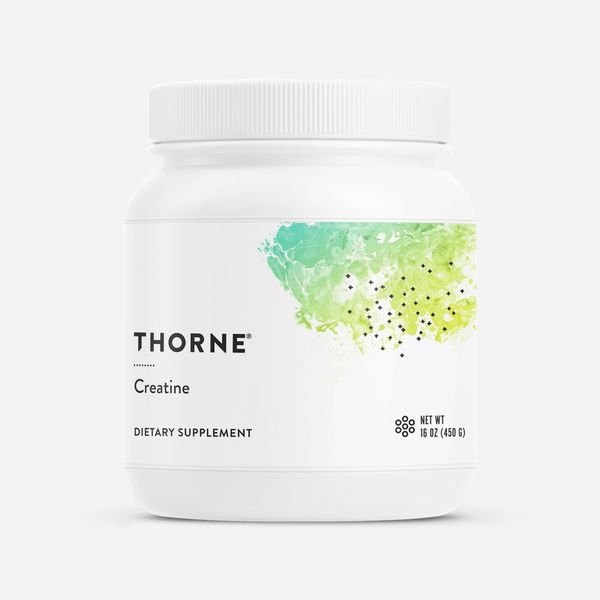
There’s a misconception that creatine produces larger muscles, like a steroid. “There’s still certainly people that take it for the benefit of gaining muscle size, but really what creatine does is that it increases your muscles’ ability to produce energy,” says White. Because creatine stimulates energy production, you’re able to perform better at physical activities (like lifting) and potentially create more muscle-fiber tears (resulting in bigger muscle gains). “The idea is that if you can introduce more creatine into your muscles, they can produce more energy, so you get more muscle contraction. That’s where you would get a benefit in increasing lean body mass,” says White. One of my colleagues, Strategist senior writer Michael Zhao, has been testing Thorne’s creatine himself since last December and can attest to those benefits. He’s been doing 100 burpees two to three times a week since last September and noticed after a couple weeks of creatine use, he’s gained five pounds (mostly muscle, he says) and has more definition, and some of his slimmer shirts are tighter. “It’s not very subtle,” he says. “I look ‘cut’ for the first time in years.”
Other early studies show that there’s a relationship between creatine and estrogen levels. When estrogen goes down, creatine levels seem to drop, too, meaning creatine supplementation could be beneficial during period cycles, postpartum, and menopause. White also notes that women tend to consume less dietary creatine. “I wouldn’t call it a disadvantage, but their ability to access creatine is typically lower than men’s,” she says. “This points to another reason creatine can be especially beneficial for women. Due to hormonal shifts, they may benefit from supplementing, especially since they may already be consuming less creatine through diet.”
Are there any other benefits of taking creatine?
Recently, there have been claims that upping creatine intake can also have cognitive benefits: things like boosting memory and concentration after sleep deprivation or under stress, improving mood, and even reducing symptoms of depression. When I asked White about these claims, she was less certain about them compared to the physical benefits, but she didn’t completely dismiss them. “We have research in some of these other areas, but I think that’s where the evidence needs to grow a little bit more. That said, the way that creatine works in the muscles to help produce cellular energy, it also works that way in the brain, so that’s really that connection,” she says. “Again, it’s like if you’re increasing muscle creatine, you’re also introducing more creatine to the brain. That’s where we’re seeing the benefit in all of these different areas that they’re now studying.” It’s worth noting, too, that Zhao, who isn’t a very good sleeper, didn’t feel more focused or well rested since taking creatine. But after looking at his sleep-tracking data, he’s been steadily getting more sleep in the past month. (In early December, he tracked six hours and 48 minutes of sleep. The first week of January, he tracked seven hours and 25 minutes of sleep.)
Are there any potential risks to taking creatine?
Increased water retention is a common side effect folks talk about after taking creatine supplements, but White says it’s not something most people should worry about. “It’s called an osmotic reaction. When creatine levels in the muscle increase, they tend to suck up a little bit more water, but that doesn’t mean you walk around super bloated with all this water retention,” she says. “First of all, it subsides. It’s not a permanent situation. Secondly, it really only happens in a noticeable capacity if you take in really high doses, such as a loading phase.” (We’ll get into whether or not you should consider a loading phase below.)
Other potential side effects are upset stomach (sour stomach or diarrhea). If that’s something you experience, White recommends lowering your daily dosage to three grams a day for about a week to two weeks in order to let your body adjust, and slowly increasing to five grams a day. It’s also recommended to talk to your doctor before taking the supplement, especially if you’re someone who has kidney or liver dysfunction.
What’s the best way to take it?
As I mentioned above, some folks like to do a loading phase, which essentially means taking a larger amount of creatine (20 to 25 grams a day) for about a week to quickly saturate their muscles with it. While it is generally safe, White advises against this because of the higher risk of water retention and bloating. “It’s also a lot of creatine to choke down. You usually need to do multiple servings a day in order to get to what would be a typical loading phase,” White says. “Why put yourself through that? It might get you to that higher level a little bit faster, but you should be looking at this more of a long game rather than a short game.” So instead, White says to take the recommended three to five grams daily, even on days you don’t exercise. With that protocol, she says it takes about three to four weeks for you to saturate your body with creatine.
How should I pick a creatine?
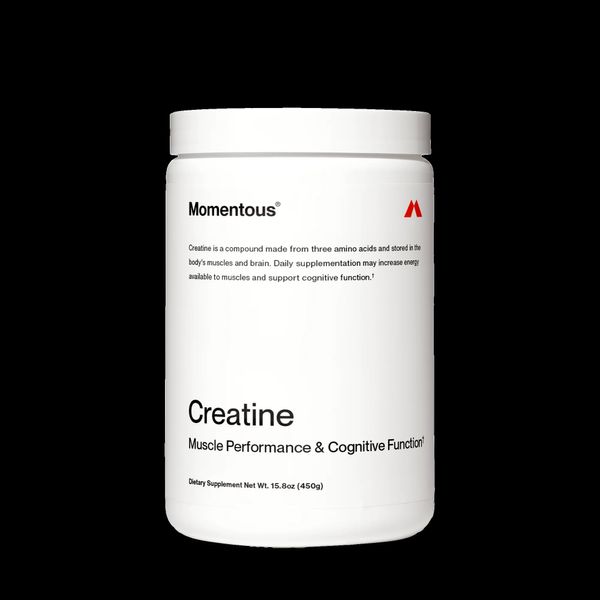
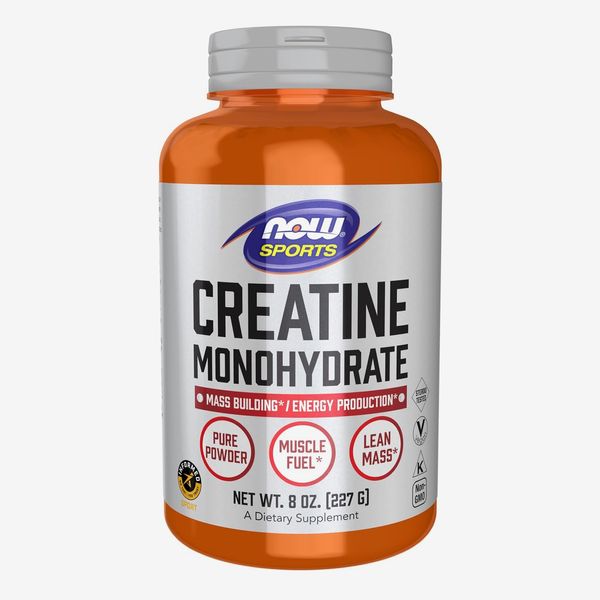
If you’re looking to add creatine to your routine, it can be overwhelming to choose from all the options. First, it’s best if you stick with creatine monohydrate. Creatine HCl (hydrochloride) is one that’s been cropping up recently with claims saying it’s more bioavailable and easier to digest; White notes that there are studies countering those claims. Essentially, it’s less studied than monohydrate, so there’s more research that needs to be done on HCl. The next thing to look for is third-party testing to ensure you’re getting exactly what’s labeled. White says to look for NSF or Informed Choice certifications, since they’re both reputable third-party testing organizations. Her favorite creatine products that meet those standards are ones from Thorne, Now, and Momentous.
You may have also seen creatine added into protein powders or pre-workouts. White recommends sticking with creatine powder on its own. There aren’t necessarily any risks in mixing the supplements, but a stand-alone supplement means you know exactly how much you’re ingesting every time, and it gives you the flexibility to add it to water, smoothies, protein shakes, or what have you on your own.
Some expert-recommended creatine
More From The Strategist
- Hark, the Advent Calendars Arrived (Very) Early This Year
- The Best Things Strategist Editors Have Bought This Year (So Far)
- 63 Things You Should Never Buy Full Price
- The Strategist Fall 100
The Strategist is designed to surface useful, expert recommendations for things to buy across the vast e-commerce landscape. Every product is independently selected by our team of editors, whom you can read about here. We update links when possible, but note that deals can expire and all prices are subject to change.