Think Your Skin’s Too Sensitive for Acids? May We Suggest PHAs?

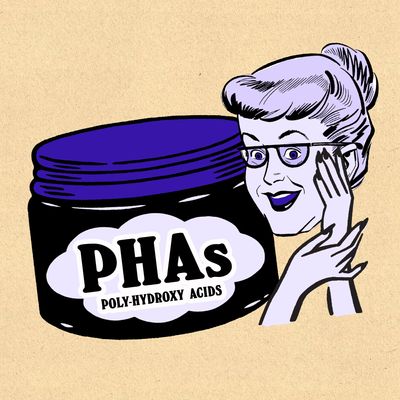
If you’re at all familiar with the skin-care world, you’ve already heard of AHAs (alpha hydroxy acids) and BHAs (beta hydroxy acids). These chemical exfoliants promote cellular turnover and can help address a variety of skin concerns, from acne to aging. But lately, a new category of exfoliant ingredient — polyhydroxy acids, or PHAs — has become more prevalent, appearing in serums and toners from a range of brands including MARA, Glow Recipe, and Byoma.
“PHAs have been around for a long time. They just hadn’t been as common or as popular,” says board-certified dermatologist Dr. Wallace Nozile. The most well-known PHAs include gluconolactone, galactose, and lactobionic acid — so if you see PHAs mentioned on a product label, you’ll likely find one of those terms in the ingredients list.
But what do they actually do? I asked dermatologists to explain how PHAs work, what benefits they have to offer, and what skin types they’re best suited for.
PHAs exfoliate more gently — and are less drying — than AHAs and BHAs
PHAs are similar to AHAs and BHAs in that they also help remove dead skin cells from the surface of the skin. But their molecular structure is larger, so they penetrate the skin more slowly and tend to be gentler than many traditional acids, explains board-certified dermatologist and Dermworks founder Dr. Jenna Queller.
According to Dr. Queller, AHAs, such as glycolic and lactic acids, primarily exfoliate the surface of the skin and are often used to treat concerns like dullness, uneven texture, and fine lines. BHAs, like salicylic acid, are oil-soluble and penetrate deeper into the skin, which makes them helpful for treating acne and clearing clogged pores.
PHAs are closer to AHAs in that they also tend to provide more surface-level exfoliation. But because they penetrate more slowly and even more shallowly than AHAs, they typically cause less irritation and are often better tolerated by people with sensitive skin. Their gentle exfoliation can help improve skin texture, brightness, and overall tone. And while other acids may cause excessive dryness, PHAs tend to have humectant properties, which means they help attract and retain moisture in the skin.
“They’re a lot more hydrating than alpha hydroxy acids or beta hydroxy acids,” says Dr. Nozile, adding they can even help strengthen skin-barrier function. Some PHAs have also displayed antioxidant properties, which prevent free-radical damage to the skin caused by environmental stressors like pollution and UV radiation.
PHAs are best for sensitive skin
“PHAs are a great option for people who want the glow of exfoliating acids but don’t tolerate the irritation that can come with stronger acids,” says Dr. Queller. She often recommends them for patients who have conditions like rosacea or patients with sensitive or reactive skin who have tried stronger exfoliants but found that they caused too much stinging and irritation.
They may also be a good fit for those who are new to the world of chemical exfoliants, helping “bridge them over to where they condition their skin to tolerate stronger active ingredients,” says Dr. Nozile.
Some products with PHAs that dermatologists recommend

New! You can now save this product for later.
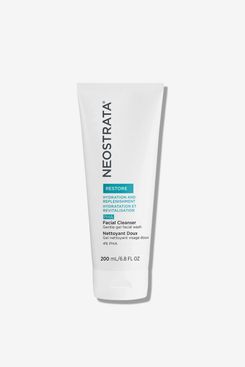
Both Dr. Queller and Dr. Nozile mentioned the brand NeoStrata, which helped pioneer many PHA formulations currently on the market. This gentle gel face wash contains 4 percent gluconolactone and effectively removes makeup and impurities while brightening and refining the skin’s appearance.
New! You can now save this product for later.
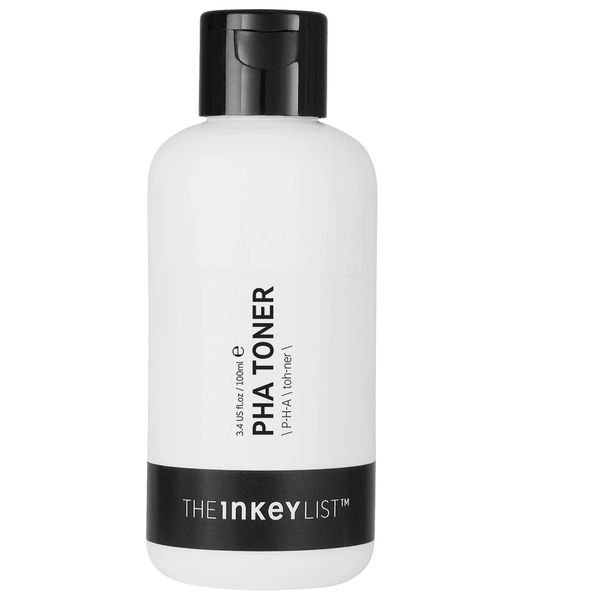
Dr. Nozile says he often recommends the Inkey List’s affordable and accessible products to his clients. This PHA toner also contains niacinamide to control excess oil and redness; it is meant to be swiped on with a cotton pad before moisturizer and SPF.
New! You can now save this product for later.
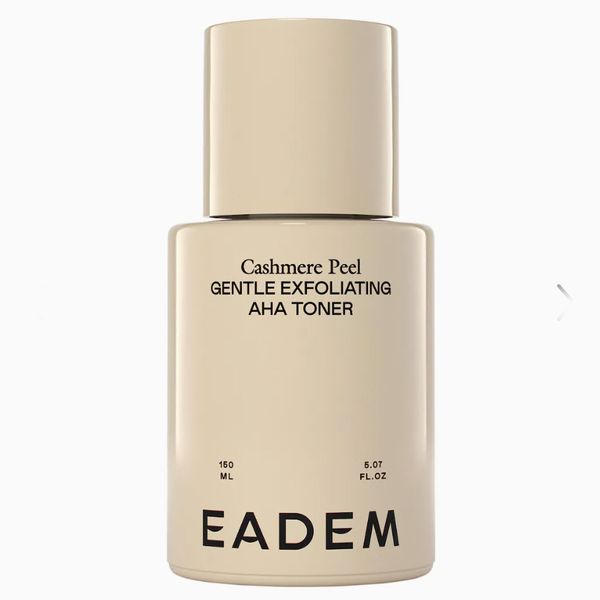
Strategist writer Arielle Avila named Eadem’s Cashmere Peel toner the best gentle exfoliating toner. Even though it contains a blend of AHAs and PHAs, it didn’t give her the tingling sensation that she often feels after using stronger exfoliators. “It has a milkier texture and leaves my skin feeling moisturized instead of dried out,” she writes.
More From The Strategist
- Hark, the Advent Calendars Arrived (Very) Early This Year
- The Best Things Strategist Editors Have Bought This Year (So Far)
- 63 Things You Should Never Buy Full Price
- The Strategist Fall 100
The Strategist is designed to surface useful, expert recommendations for things to buy across the vast e-commerce landscape. Every product is independently selected by our team of editors, whom you can read about here. We update links when possible, but note that deals can expire and all prices are subject to change.