What Eric Sze Can’t Cook Without
Save this article to read it later.
Find this story in your account’s ‘Saved for Later’ section.

If you’re like us, you’ve probably wondered what everyday stuff famous people add to their carts — like mascara or a sleep mask. In this iteration of our “Celebrity Shopping” column, we’re asking food-obsessed folks what they can’t cook without. Here, Eric Sze — chef and co-owner of New York City’s Wenwen and author of the just-released cookbook Taiwanese? — tells us about his favorite items.
New! You can now save this product for later.
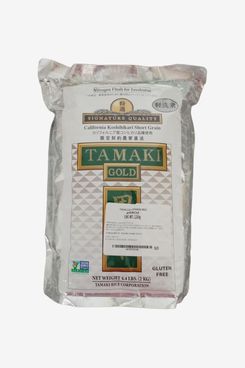
Rice is a staple in Taiwan, as it is across so many different countries and cultures. The people there used to only eat long-grain rice. It was the only type available until the occupation, during which the Japanese dedicated a lot of resources to agriculture because they viewed Taiwan as sort of an agrarian state that could supply their never-ending war. In order to feed their soldiers, they developed a short-grain rice variety that could grow in the subtropical climate of Taiwan — the first of its kind. The Taiwanese population had the rice and was like, Oh my God, this is the best shit ever. And so they ditched all of the long-grain rice — well, most of it — and now the norm in Taiwan is short-grain rice. It’s bouncier. It’s got a higher starch content, so it sticks together more. Some would say that it’s fluffier, which it is. For me, it’s ingrained in my DNA: short-grain rice, short-grain rice, short-grain rice. Tamaki Gold is what I found to be at the crux of the intersection of availability, flavor, and consistency. It’s sweet, which is very important. And the aftertaste of sweetness really lingers. And it pairs well with food because you want the flavor of the rice to last as long as the aftertaste of whatever you’re eating. So let’s say I’m eating a stir-fry and something that is soy-sauce-heavy and maybe the flavors last in my mouth for about five minutes before it eventually subsides — the flavor of the rice also needs to last.
New! You can now save this product for later.
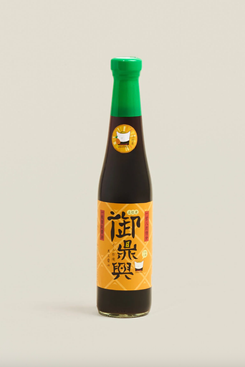
Yu Ding Xing is very accessible because, thanks to Yun Hai, it ships everywhere. Taiwan is a place where there’s so much abundance in fruit they can just add fruit to anything and it doesn’t really add to the cost. The pineapple here just adds a tiny bit of sweetness. It’s also a black-bean-based soy sauce. I want to stress that even when I was growing up in Taiwan, black-bean soy sauce wasn’t the norm. And it still really isn’t the norm in terms of household cooking. So to be in America and to have black-bean soy sauce so accessible is pretty wild. It’s so much earthier, light enough to use as a salad dressing. It’s still savory enough that you can use it in a stir-fry. You might want to supplement with a little bit of salt or regular soy sauce or a different black-bean soy sauce, but it’s so perfectly balanced. It can lend itself to any type of dish. Like, I’ve cooked boeuf bourguignonne with this soy sauce. I’ve cooked a nice ragù with this soy sauce. I’ve made a summer heirloom-tomato salad with this soy sauce with nice olive oil. It pairs well with olive oil, it pairs well with star anise and Sichuan pepper, it pairs well with cheese. It’s just crazy.
New! You can now save this product for later.
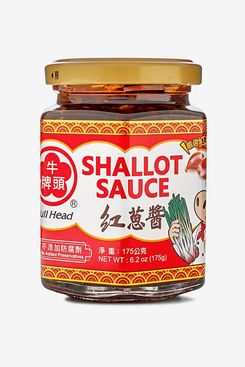
I grew up with this sauce. It’s like the Heinz ketchup of Taiwan. When you’re cooking, sometimes you’re just missing a little bit of something, you know? Maybe you’re too lazy or too hungover to really sit down and think about what is missing. As long as it’s in the savory field, almost 9.5 times out of 10, you can just dollop a scoop of this super-savory shallot sauce and it’ll make things a hundred times better. Imagine it’s a chili crisp without spicy chili. It’s all shallots. It’s lightly pasty, crunchy, crispy. Sometimes when I’m sautéing and sweating shallots and I don’t want to wait too long, I just add a dollop of this and save myself 15 minutes.
New! You can now save this product for later.
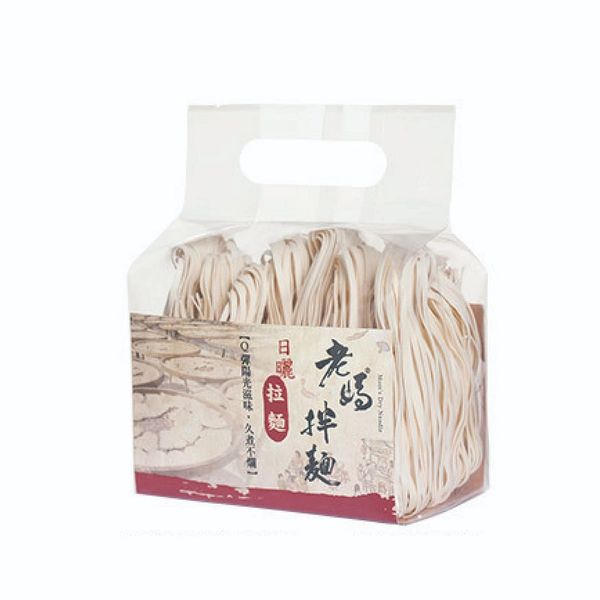
Because there are no eggs in these noodles, they’re not super stiff. They take, like, three minutes to cook instead of ten minutes like pasta and hold up very well to sauce. The wheat is a regular white flour instead of semolina, so it’s not as inherently flavorful, but it is a great way to add al dente texture into anything you want. In the summer, I make cold noodle salads with them. In the winter, I add them to soups. It’d be weird to add spaghetti into a Chinese soup, but it’s not weird to add this noodle into a Bolognese.
New! You can now save this product for later.
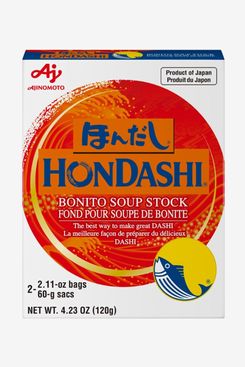
I can no longer cook without this. I recognize it’s pretty artificial, which I don’t typically like, but I make an exception for this. The flavor is very nostalgic to me. I didn’t realize how much Hondashi is used in Taiwanese street food until I really started studying Taiwanese food. Everything is Hondashi plus celery. I grew up with that note of almost smoky, fishy flavor that was really ingrained into my subconscious. Any time I’m making a stir-fry, as long as it makes sense that there’s fish in it, I add Hondashi. If I’m making a vongole, I will add Hondashi. I’ll use it to make a dashi broth. It’s like a seasoning salt.
New! You can now save this product for later.
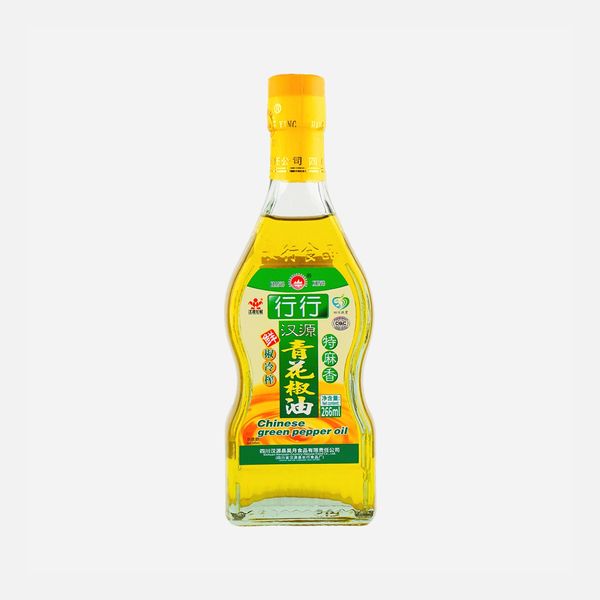
Thanks to MáLà Project, everybody loves Sichuan peppercorns. I shamefully cannot eat that spicy, and every time I visit MáLà Project, which I do frequently, I have a terrible time sleeping, for obvious reasons. But I do love the má in the Sichuan peppercorn. The là — the spice — is no longer part of my life. But the má — the floral notes that don’t linger on the other end of your body — is what I really like. There are two types of Sichuan peppercorns: red and green. The red is a little bit more earthy and punchy. The green is very floral and arguably more má. It provides more of that tingling sensation but is also lighter in flavor. So this green Sichuan peppercorn oil I love adding to cold dishes. I use it sometimes as an olive-oil replacement because it has that same note of light fruitiness, but the middle palate becomes extremely floral and then it subsides into that light numbingness. I find that to pair super well with any type of vinegar. As long as your cold dish is a little acidic and a little sweet, it’s extraordinarily delicious. You can also drizzle it on pizza.
New! You can now save this product for later.
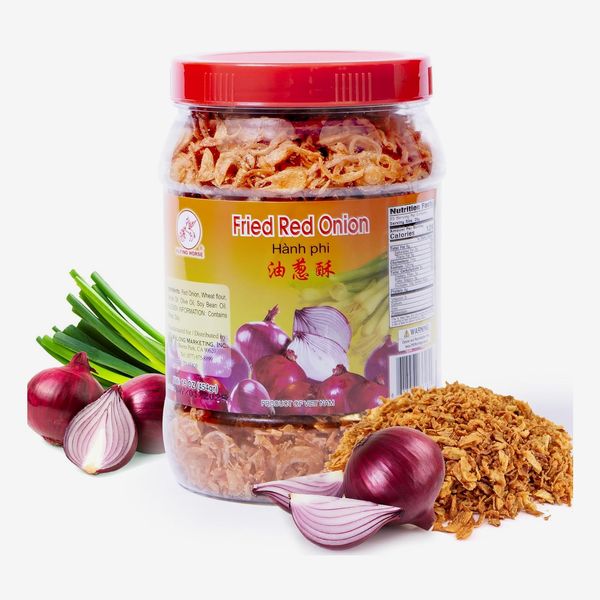
Fried shallots are a very easy way to add texture as a garnish. One of my favorite ways to use fried shallots is garnishing soups — they go crispy-soggy — because it actually seeps the flavor of the shallot oil into the broth. Just make sure the broth is a relatively clear one, like pho or Japanese chintan ramen. American chicken-noodle soup is very good with fried shallots. It pairs very well with celery, which is in chicken-noodle soup. You know what else pairs well with celery? Hondashi pairs very well with celery. So add that too.
New! You can now save this product for later.
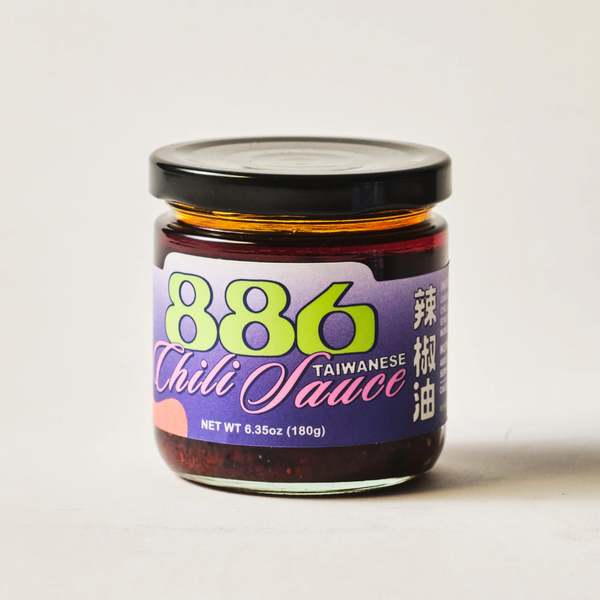
886 Chili Sauce
During COVID, everybody was jarring their own sauce in restaurants with decent success. We sold at a lot of mom-and-pop shops, including the Meat Hook. Literally a week after we started selling there, they came to us and said, “The USDA looked at your product and said, ‘What the hell is this? It’s not in our database.’” Then they came to the restaurant and said, “This is not a production facility. If you keep selling this, we will shut both of your restaurants down.” We took that very seriously and stopped. But we took the recipe, went to Taiwan, had five batches made, and finally landed on a good recipe — because making one batch versus making 5,000 jars is very different. The difficult thing about manufacturing this sauce is that the chefs in the plant need to measure the water content every ten minutes because it’s not meant to be a super-crispy chili oil. It’s made with a base of alliums, heavy on garlic and scallions. We cook those gently for a long time until they’re starting to color but still have a lot of water, and then we add in our spices. Just when the scallions and garlic are beginning to dry out but aren’t fully, we pulverize the mixture so there’s a pastiness — like it’s almost spreadable. We put a lot of time and effort into that texture. It’s super versatile. It’s sweet, umami, savory, and has depth. It’s not too spicy because I can’t handle too much spice; it just adds a kick to your tongue. A little Kewpie Mayo, a little of our chili paste, some balsamic vinegar, rice vinegar, and a little bit of honey — mix that up and you have a perfect salad dressing. And for noodles: just soy sauce, vinegar, our chili sauce with plain old somen. Delicious.
More From The Strategist
- Hark, the Advent Calendars Arrived (Very) Early This Year
- The Best Things Strategist Editors Have Bought This Year (So Far)
- 63 Things You Should Never Buy Full Price
- The Strategist Fall 100
The Strategist is designed to surface useful, expert recommendations for things to buy across the vast e-commerce landscape. Every product is independently selected by our team of editors, whom you can read about here. We update links when possible, but note that deals can expire and all prices are subject to change.