Should You Use a Nano-Hydroxyapatite Toothpaste?

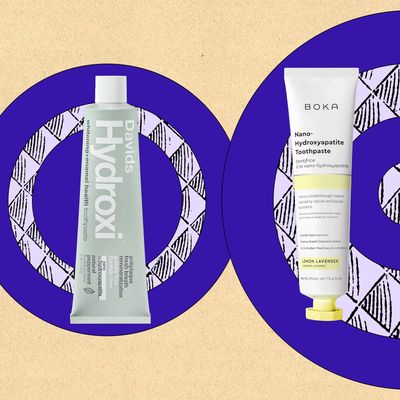
Over the past few years, nano-hydroxyapetite (n-HA) toothpastes from brands like Davids and Boka have been popping up more and more. The ingredient is said to whiten teeth, prevent cavities, repair enamel, remineralize teeth, and even reverse cavities. Even though it has all these supposed benefits and has been around for decades (since the ’70s, when NASA scientists developed the technology to make hydroxyapatite in oral-care products), it’s still not commonly found at most drugstores. To learn more about the ingredient, I spoke to three experts — dentists Dr. Anjali Rajpal and Dr. Sharon Huang and Eric Buss, founder and CEO of Davids Natural Toothpaste — about exactly what it is, who could benefit from it, and how it compares to fluoride.
What is hydroxyapatite?
Hydroxyapatite is the crystalline structure of teeth and bones. To get even more specific, it makes up approximately 97 percent of enamel (the hard outer layer) and 70 percent of dentin (the tissue beneath enamel). What’s found in these oral-care products is a synthetic version of the mineral found in tooth enamel and bones. You’ll likely see both hydroxyapatite and nano-hydroxyapatite on ingredient lists. Both are biocompatible minerals to what’s found in your teeth and bones, but nano means it’s at a smaller particle size. The nano element is important here because it’s ensuring you’re getting all the benefits.
So what are the actual benefits?
As mentioned above, nano-hydroxyapatite polishes teeth, helps remove stains, and remineralizes any weak areas of the tooth structure. The remineralization happens when the nano-hydroxyapatite fills in microscopic holes or cracks in the tooth enamel. There’s been buzz around the ingredient reversing cavities because of its remineralization properties. This is partially true, since a cavity is a hole caused by decay or dental caries. Rajpal explains that it must be at the beginning stages of a cavity. “The cavities that are just in the enamel are the ones that we can actually use the hydroxyapatite to remineralize. Hopefully, the cavity won’t have the opportunity to invade the dentin and the patient can avoid getting fillings at that point,” she says. “The dentin layer underneath, it’s extremely soft. Once bacteria enters into that layer, the cavity grows pretty quickly, so you want to catch it before it enters the dentin.” Because nano-hydroxyapatite is plugging in those microscopic holes, it reduces sensitivity by providing almost a shield over the tooth. And on top of that, it strengthens the overall structure of the teeth.
How does it compare to fluoride?
Let’s get one thing out of the way: While nano-hydroxyapatite does have a lot of benefits, we aren’t advocating you don’t use fluoride. Fluoride has more research behind it and has been proven to be an effective method for strengthening tooth enamel and reducing the risk of cavities. Also, fluoride has been FDA approved as an anti-cavity agent in toothpaste, while nano-hydroxyapatite has not been FDA approved. It’s worth noting, though, that there have been European studies from the Scientific Committee on Consumer Safety (SCCS) considering rod-shaped nano-hydroxyapatite safe in concentrations up to 10 percent in mouthwash and up to 29.5 percent in toothpaste. Rod-shaped (versus needle-shaped) is key since it’s the closest to what’s found in our natural enamel structures.
Where nano-hydroxyapatite can potentially be better than fluoride, though, is for folks with sensitivities. “Nearly all fluoride-based sensitive toothpaste also includes potassium nitrate, which is a nerve-numbing drug,” says Buss. “Consumers apply the fluoride and potassium nitrate-based toothpaste, which works to temporarily numb the teeth to reduce the pain from the sensitivity, but the numbing effect wears off throughout the day, requiring the toothpaste to be continually reapplied to continue the numbing effect … In layman’s terms, the nano-hydroxyapatite works to plug the holes to the nerves, which fixes the problem versus numbing the teeth with drugs.”
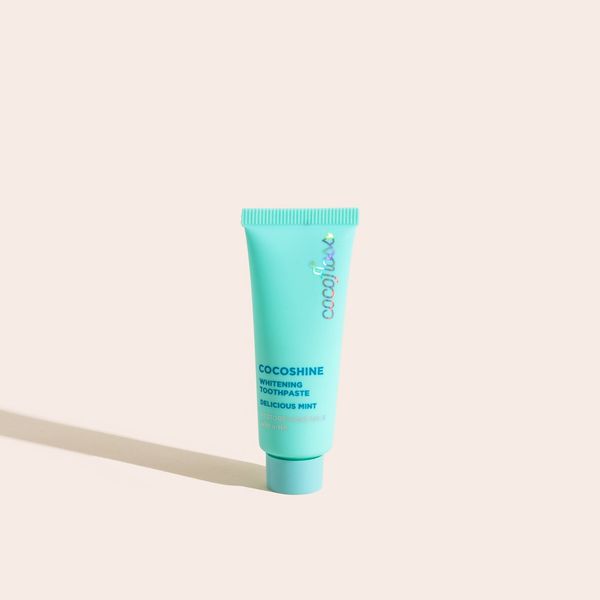
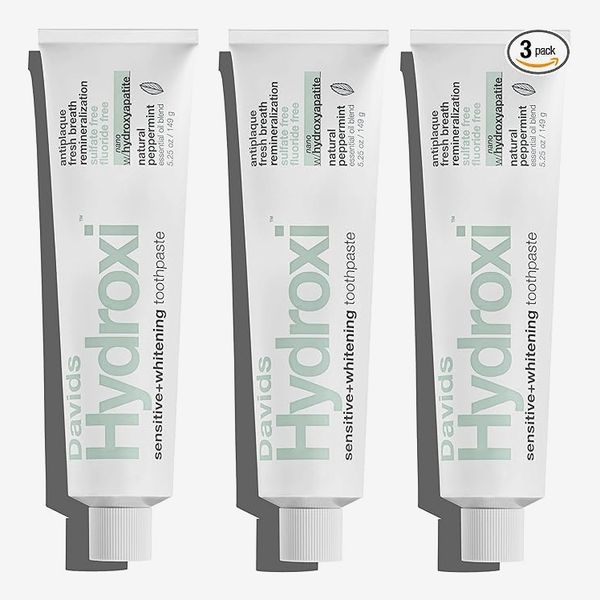
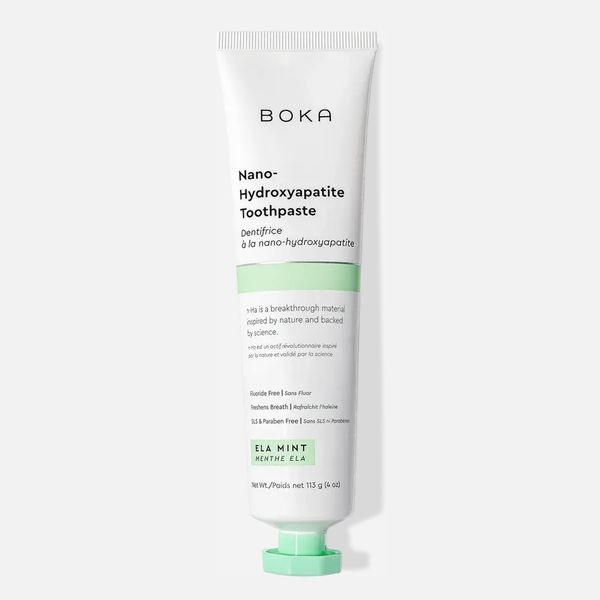
Should you switch to a nano-hydroxyapatite toothpaste?
Both fluoride and nano-hydroxyapatite have their benefits. Fluoride has been the gold standard for toothpaste, according to the FDA and American Dental Association, and research shows that nano-hydroxyapatite is a safe and effective way to strengthen tooth enamel and reduce sensitivity. If it’s something you’re curious about, make sure to find a toothpaste that’s within the safe range of concentration and only utilizes rod-shaped nano-hydroxyapatite. Huang also notes that a good way to incorporate it would be to alternate between the two, since they can safely be used together.
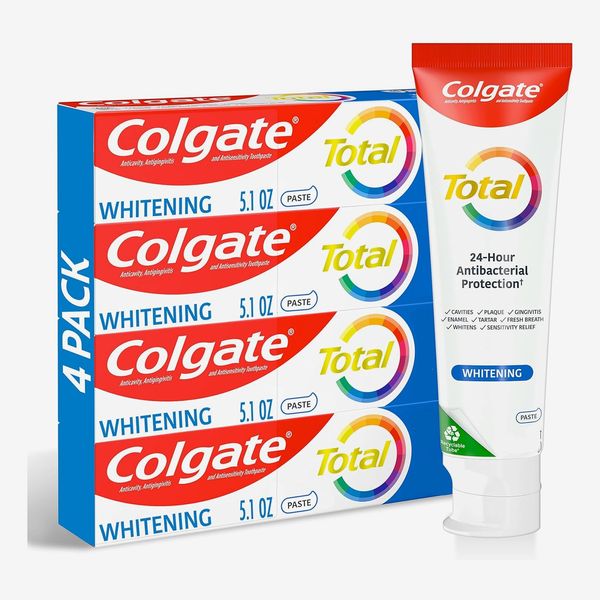
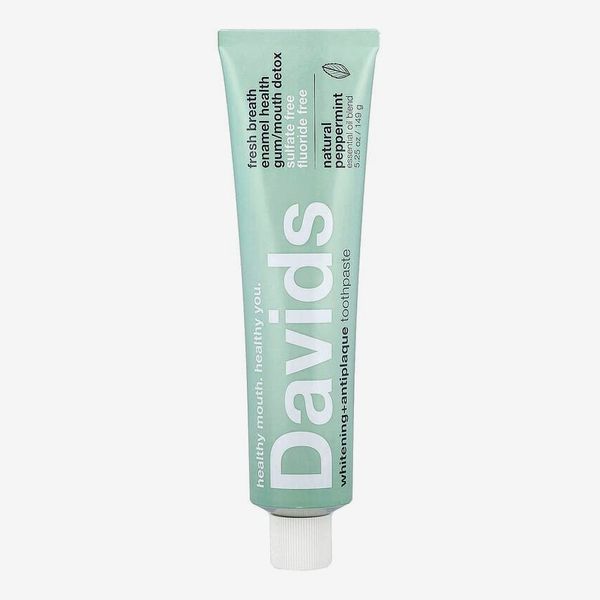
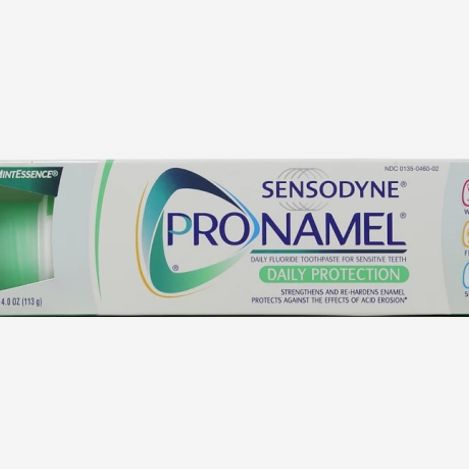
Toothpastes we’ve recommended
More From The Strategist
- Hark, the Advent Calendars Arrived (Very) Early This Year
- The Best Things Strategist Editors Have Bought This Year (So Far)
- 63 Things You Should Never Buy Full Price
- The Strategist Fall 100
The Strategist is designed to surface useful, expert recommendations for things to buy across the vast e-commerce landscape. Every product is independently selected by our team of editors, whom you can read about here. We update links when possible, but note that deals can expire and all prices are subject to change.