Should I Be Using a Vaginal Probiotic?


Over the last decade or so, probiotics — essentially good bacteria that can help with your gut, skin, mood, and overall health — have become nearly as popular as multivitamins. Lately, more and more probiotic brands have launched that specifically target vaginal health, promising to do things like balance your vaginal pH and prevent conditions such as bacterial vaginosis and yeast infections. As someone who’s been taking a general probiotic for years, I was curious about just how effective these supplements are. So I spoke to two OB/GYNs, Dr. Shieva Ghofrany and Dr. Carolyn DeLucia, about vaginal probiotics, the factors to consider when shopping around, and any brands they would recommend.
What are vaginal probiotics?
Vaginal probiotics are supplements meant to introduce or replenish beneficial bacteria — specifically, the Lactobacillus strain — in the vagina. Usually offered as pills (made to pass through the intestines and, eventually, into the vagina) or suppositories (inserted directly into the vagina), the supplements are marketed as a way to support a healthy vaginal environment and lower the chance of infections.
Are vaginal probiotics safe?
While Ghofrany favors certain probiotic brands (more on those below), she says which probiotic might work best is dependent on a person’s specific microbiomeand it can take time (up to two to three months) to determine if a supplement is effective. “It’s important to have a healthy microbiome, but getting and achieving a healthy microbiome through supplements is still unclear as to whether or not it’s always going to work,” she says. “I tell my patients, ‘I don’t think there’s harm in using it, and it’s a little bit of trial-and-error based.’”
It’s also worth noting that the FDA has not approved any health claims for gut- or vaginal-health probiotics. However, some studies suggest that these supplements help reduce vaginal odor and lower rates of returning bacterial vaginosis. Most companies selling these kinds of probiotics have also conducted their own clinical trials, but Ghofrany recommends approaching their claims with a healthy dose of skepticism. “When the data is all from the company that makes the product, it’s never going to be completely agnostic,” she says.
Who could benefit from a vaginal probiotic?
“Anyone who feels ‘off’ or feels that intercourse is less comfortable could benefit from a vaginal probiotic, as long as they don’t think they have an acute infection,” says DeLucia. “If you have a rip-roaring yeast infection, it’s better to get treated with [antifungals] and then maintain the appropriate pH and normal flora with a probiotic.” DeLucia offers the same advice if you have bacterial vaginosis: It should be treated by your provider and maintained by a vaginal probiotic, she says. Women going through perimenopause and menopause might also benefit from a vaginal probiotic, according to DeLucia. “As we age and lose estrogen, the pH of the vagina changes,” she says. “When that occurs, you’re set up for infection — either bacterial vaginosis or yeast — and it’s harder to treat because the natural pH is off just from the lack of estrogen.”
Should you buy an oral or suppository probiotic?
Both Ghofrany and DeLucia favor vaginally inserted probiotics over ones taken orally. “Often, taking all the probiotics you want orally means you’re not going to get that same effect as putting the capsule or gel directly into the vagina, with the lactobacilli right where you need it,” says DeLucia. But if you are uncomfortable with suppositories, Ghofrany says there’s evidence suggesting oral probiotics could still be beneficial. “We know from data that oral probiotics essentially make sure that your entire GI tract and all of your organs have the appropriate microbiome,” she says. “So either one, in theory, should work, and that’s where I would say to the patient they should try it and decide.”
Vaginal probiotics
New! You can now save this product for later.
New! You can now save this product for later.
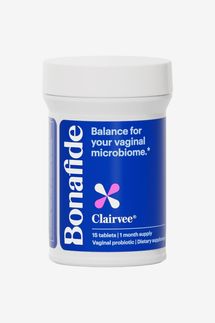
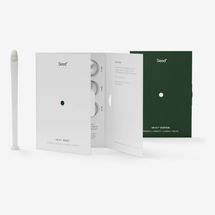
The two brands Ghofrany recommends are Clairvee (an oral supplement) and Seed (a suppository). She says both have good clinical data to support their claims and chief medical officers who are “very widely respected in the medical community.”

New! You can now save this product for later.
New! You can now save this product for later.
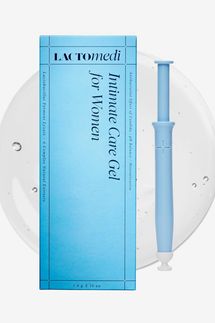
DeLucia recommends either the suppository from FloraFemme or a gel from Lactomedi, which is also meant to be inserted in the vagina. “They are rather costly, so if you’re not actually treating an acute infection but just want to maintain balance, I recommend to use it once a week,” she says. “Or I recommend it after a really fun weekend, if you get my drift.”
New! You can now save this product for later.
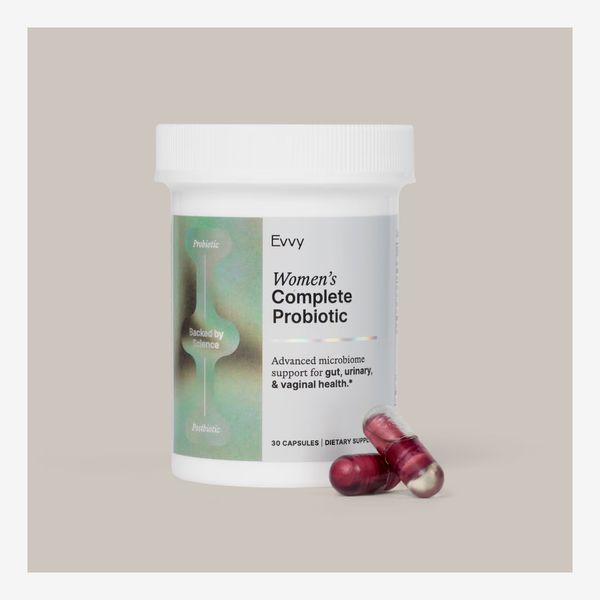
Evvy’s offering is one of the crop of new probiotics on the market. The product is made with multiple strains of lactobacillus, as well as vitamins D3 and E.
New! You can now save this product for later.
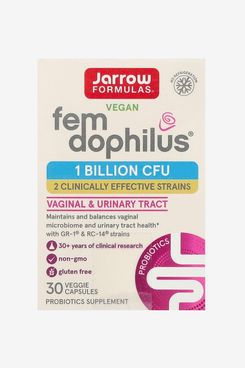
Here’s a more affordable option, which was recommended to us by functional and integrative medicine physician Dr. Jessica Wei.
More From The Strategist
- Hark, the Advent Calendars Arrived (Very) Early This Year
- The Best Things Strategist Editors Have Bought This Year (So Far)
- 63 Things You Should Never Buy Full Price
- The Strategist Fall 100
The Strategist is designed to surface useful, expert recommendations for things to buy across the vast e-commerce landscape. Every product is independently selected by our team of editors, whom you can read about here. We update links when possible, but note that deals can expire and all prices are subject to change.