What Are the Best Materials for Baking?

Welcome to Baking Week on the Strategist, where we’ve been obsessively researching and testing all the bakeware, tools, and gadgets that can make you a better baker. For more, head to our Baking Week hub.
If you’ve ever done any kind of baking, you’ve likely noticed and wondered about the differences between bakeware materials. Just among loaf pans, you’ll find variations made from aluminum, nonstick, silicone, glass, ceramic, and cast iron. “We understand the idea of the oven as a huge variable in baking,” says baker and cookbook author Claire Saffitz. “But I think bakeware material is not far behind as the second-biggest variable — one that can cause problems for people or lead to success.” I talked to Saffitz, as well as to baker and soon-to-be cookbook author Matt Adlard, about how each of these materials works and what they’re ideal for.
Aluminum
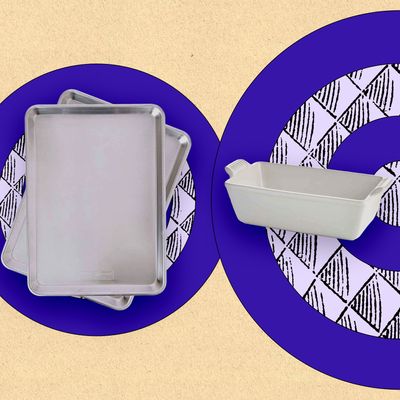
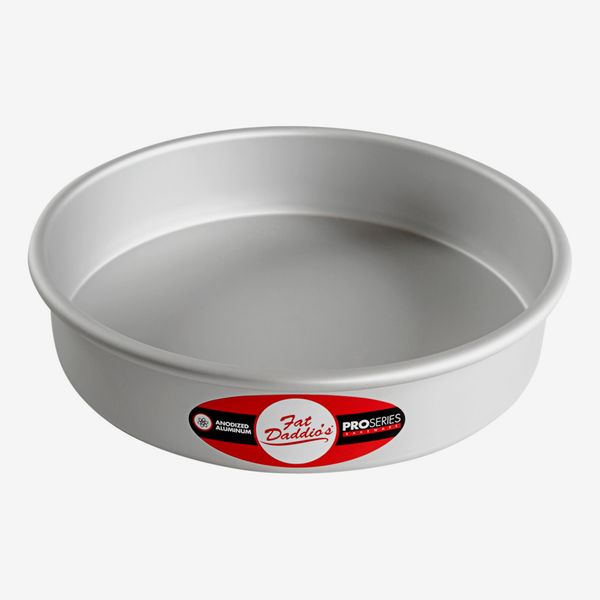
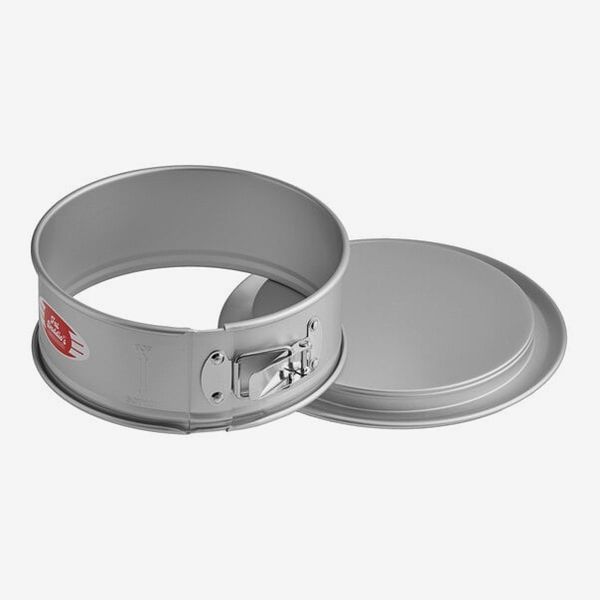
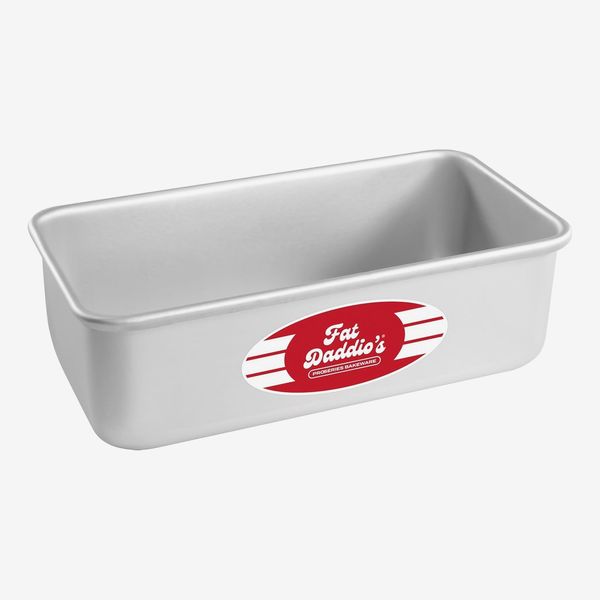
Aluminum is the most common material in bakeware; you see it used for cake tins, pie tins, loaf pans, and sheet pans plus a lot of specialty shapes and sizes. And anodized aluminum is the “gold standard,” as Saffitz puts it. Basically, this means the aluminum has been treated to have an extra-hard and durable outer layer that makes it nonreactive and therefore less prone to scratches, dulling, discoloration, and corrosion than its raw counterpart. (To be clear, in my reporting for Baking Week and over the years, I found that some professionals find success with and recommend pieces of bakeware that aren’t anodized, like certain lines from Nordic Ware and Chicago Metallic — but even more experts seem to favor pieces that are, like those from Fat Daddio’s.)
Aluminum is light and durable (you really can’t break it), but the key reason it’s used so often is because of how heat responsive it is, meaning it heats up and cools down superfast. (Saffitz has a helpful way to illustrate this: If you’ve ever covered a dish in aluminum foil and baked it, when you pull it out, the foil is room temperature basically right away.) Such responsiveness is imperative for anything where the exact right doneness is key. For example, it’s hard to overbake a pie crust (more on that down below) but easy to overbake a cake, even by a minute or two.
Nonstick
Professional bakers are not generally fans of nonstick bakeware. Both Saffitz and Adlard line their aluminum cake pans and cookie sheets with parchment paper (as nearly every recipe will instruct you to do), which then begs the question, What is the point of having a nonstick surface at all? These tins and sheet trays tend to be more expensive than uncoated aluminum ones, yet they’re not meant to last as long. “You have to be very careful with the utensils that you are working with, because once that coating comes off, that’s it,” Adlard says.
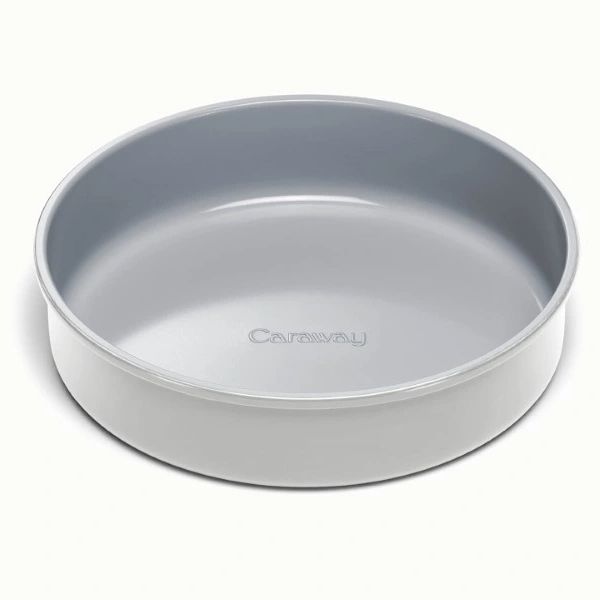
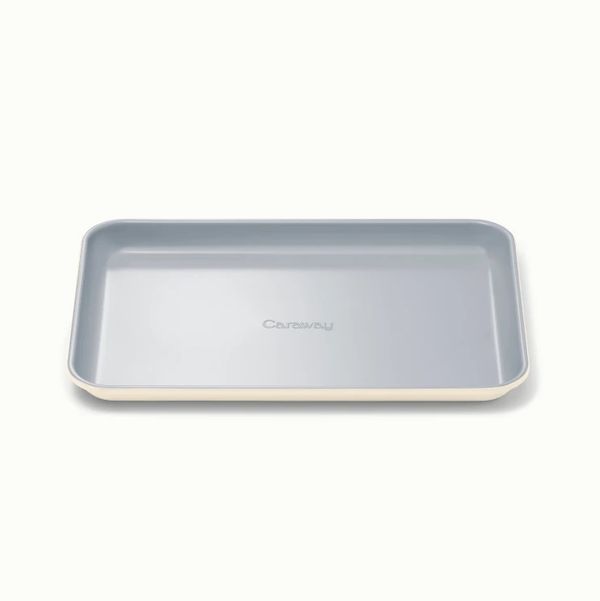
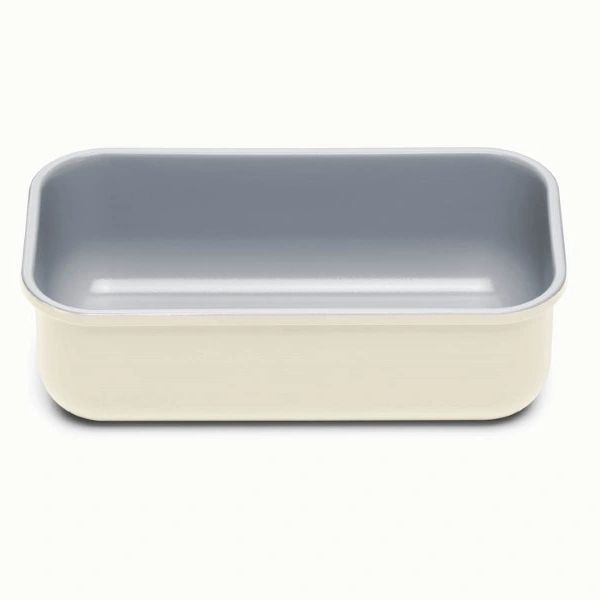
Still, Adlard does understand that coating gives a bit of extra insurance in case any batter makes contact with an unlined edge or corner. And I get wanting that, especially if you’re a less experienced baker. If you really want to work with nonstick, my best advice is to opt for pieces that have light-colored coatings, which will result in a more even bake (as opposed to an overdone outside and underdone inside). “A dark-colored tin is absorbing radiant energy and converting that into thermal energy, making it hotter compared to a light-colored tin,” Adlard says. “So that’s why if you bake cookies on a dark tray, you’re going to get a much darker bottom and darker edges faster.” Ideally, you’ll also look for ceramic nonstick coatings (as opposed to those made with PTFEs). If they scratch and wear down over time, you won’t be worried about toxins getting into your baked goods.
Silicone
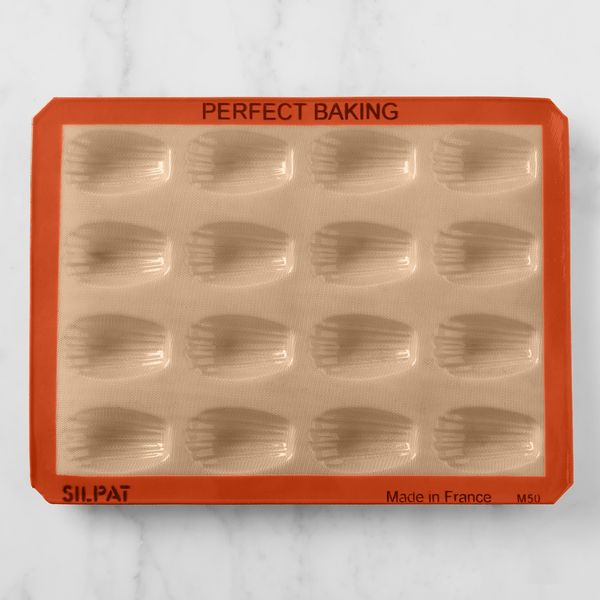
“Silicone is a common material for anything that goes in a mold, like more specialty baked goods like madeleines or financiers or mini-muffins,” says Saffitz. “It’s convenient; you can literally just pop things out.” But both she and Adlard warn that silicone isn’t a great heat conductor. This might be fine for bakes where you want a paler end result (like the aforementioned madeleines) but less so if any amount of color is desirable. And though the material can hold forms, it’s not rigid. “If you have a weighty batter, it can cause your cake to kind of bow slightly and you lose structure,” Adlard says. It’s more precarious to place on an oven rack and easier to accidentally dent or mush. Silicone also can also develop a sticky or greasy residue from absorbed fats and may require extra cleaning with baking soda to remove it.
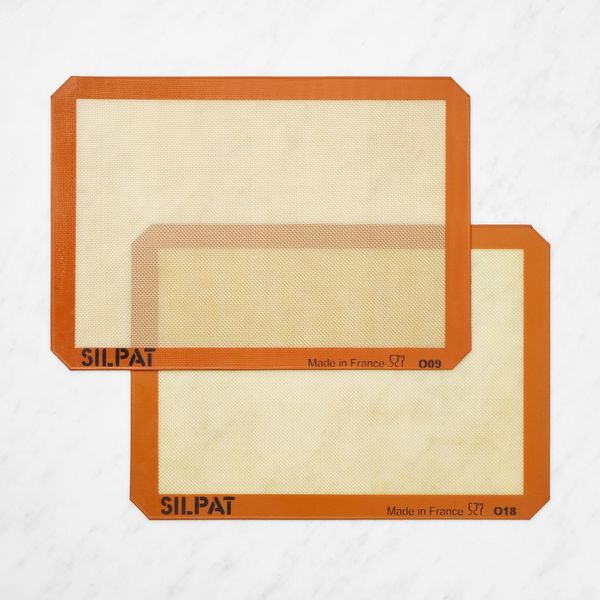
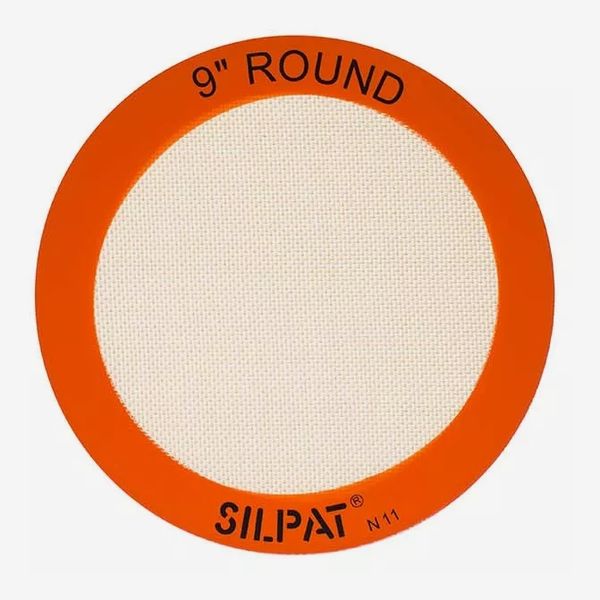
Silpat baking mats (and its off-brand variations), which people sometimes use instead of parchment paper, are also made from silicone. Saffitz does approve of these, mainly because they’re reusable, but with caution: They’re not as grippy as parchment paper, so cookies (most of which contain butter as a main ingredient) tend to spread considerably on them. For a niche use: Adlard loves them for baking Swiss rolls since they’re flexible but strong. Silpat also makes baking rounds (here, an alternative to precut parchment rounds) that nestle perfectly into a standard eight- or nine-inch cake tin. These Saffitz loves.
Glass and ceramic
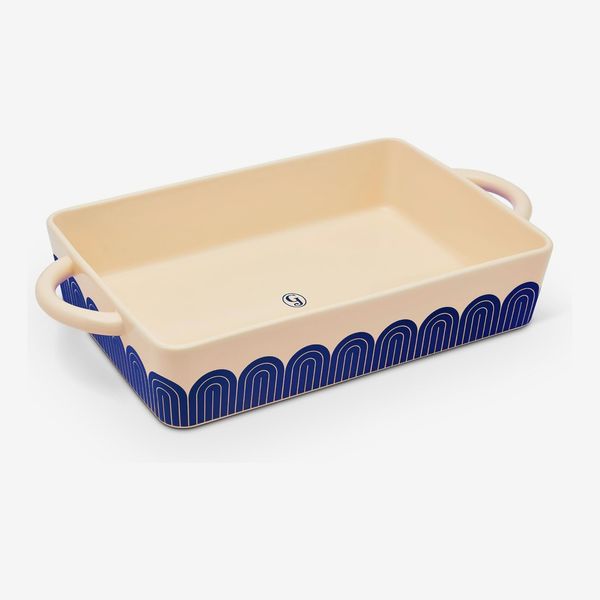
Saffitz says glass and ceramic (which includes porcelain and stoneware) have a lot in common. Ceramic tends to be more expensive and a bit more naturally nonstick. Glass is more affordable. Both are dishwasher safe and, even by hand, quite easy to clean. They also tend to be heavy and, of course, are more breakable than metal or silicone.
As for how they bake: They’re on the opposite end of the spectrum from aluminum in that they take a very long time to heat up and a very long time to cool down. “If you take your cake out of the oven at the point of doneness, the carryover baking is really dramatic,” Saffitz says. “To get it right is challenging because if you test and find moist crumbs on your cake tester or toothpick, it’s likely to be overdone by the time it cools.” But that doesn’t mean they’re useless materials, just that you have to be strategic about what you use them for.
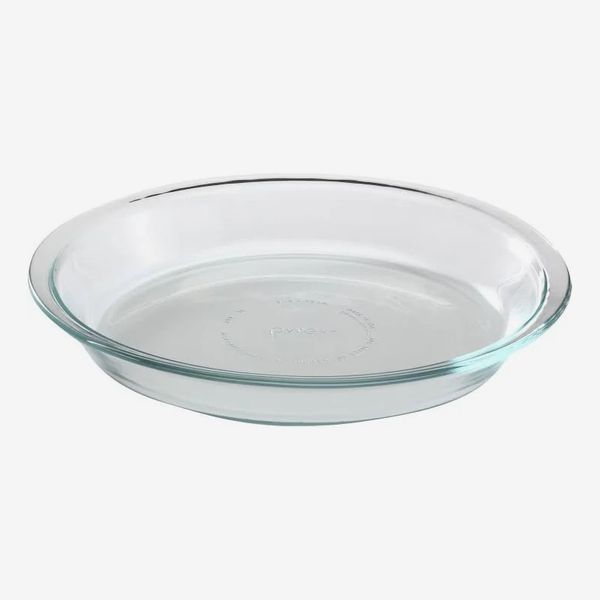
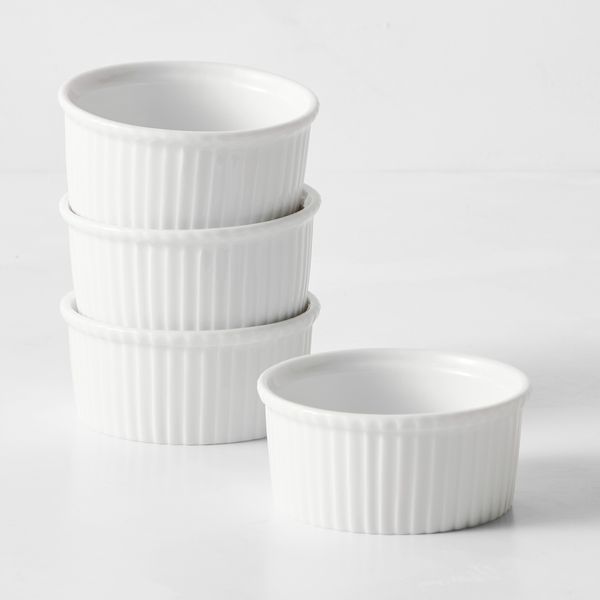
There are a few scenarios that work well. The first is bakes that don’t require as much precision, like cobblers, crisps, crumbles, and buckles. Ceramic specifically is a good choice for delicate bakes you’re likely to heat in a water bath, like cheesecakes, soufflés, flans, and crème brûlées. They benefit from a slow heat-up time, and the steam prevents them from overbaking. And glass is ideal for pie, which most people underbake, so that carryover cooking is more of a benefit than a hazard. “I want pie crust to get dark and brown,” Saffitz says. “Maybe less so with a custard pie, because you need to be careful about the egg filling, but a fruit pie is basically impossible to overbake.” One more bonus: You can easily monitor the color on the sides and bottom.
If you’re making something that requires a particular point of doneness in glass or ceramic and are worried about the end result, Saffitz has a helpful tip. “Drop your oven temperature 25 degrees,” she says. “You’re less likely to overshoot this way.”
Cast iron
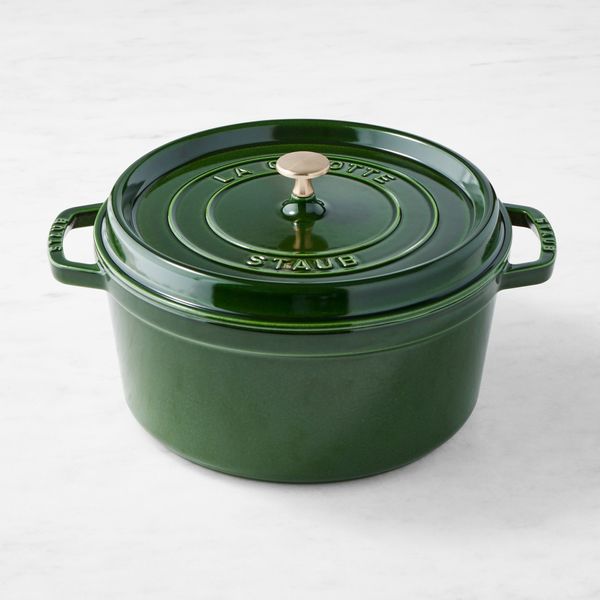
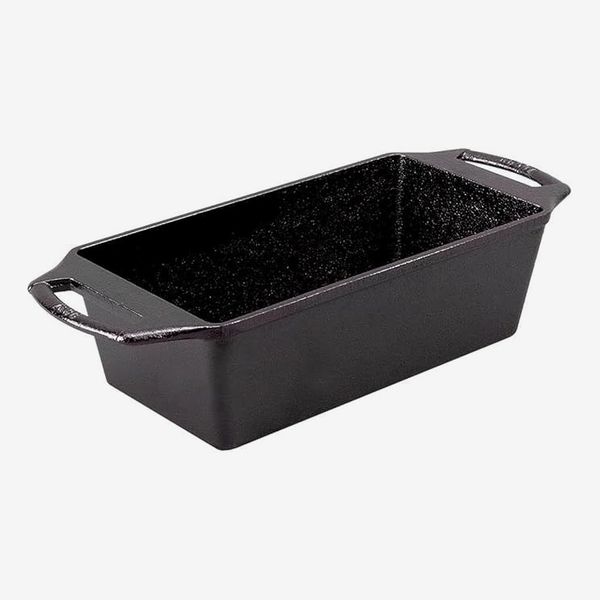
Cast iron, a notoriously strong heat retainer, has specific-use cases — “anything where you really want that caramelization and darker-colored crust,” Adlard says. This includes bread, both sourdough loaves baked in a Dutch oven and other types like pizza and focaccia. Sourdough especially benefits from the two-step process in which the high heat creates steam with the lid on to start and then you finish browning on the top after sans lid. Strategist senior editor Winnie Yang has been pleased with the quick breads she bakes in her Lodge cast-iron loaf pan, which she says get really well browned with crunchy sides and edges. But she advises against getting a cast-iron muffin pan if you’re not willing to experiment with cooking times.
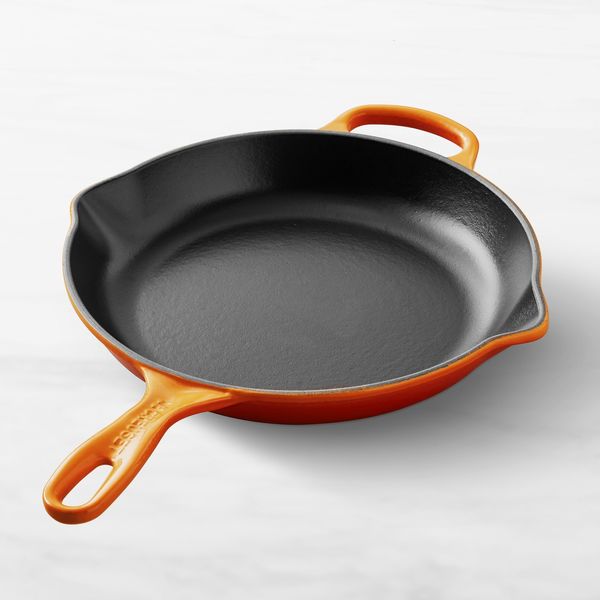
Saffitz also likes cast iron for anything that requires a start on the stovetop and then a transfer to the oven, like upside-down cakes, tarte Tatin, and cornbread. One warning: You want to unmold immediately if you’re baking fruit in cast iron since it’s a reactive material and can strip your seasoning. Alternatively, use an enameled cast-iron skillet, which has that protective enamel coating most Dutch ovens are made with.

New! You can now save this product for later.
New! You can now save this product for later.
More From The Strategist
- Hark, the Advent Calendars Arrived (Very) Early This Year
- The Best Things Strategist Editors Have Bought This Year (So Far)
- 63 Things You Should Never Buy Full Price
- The Strategist Fall 100
The Strategist is designed to surface useful, expert recommendations for things to buy across the vast e-commerce landscape. Every product is independently selected by our team of editors, whom you can read about here. We update links when possible, but note that deals can expire and all prices are subject to change.