I Tried Amazon’s Best-Selling Mini-Split — the Quietest Possible Air Conditioner
Save this article to read it later.
Find this story in your account’s ‘Saved for Later’ section.
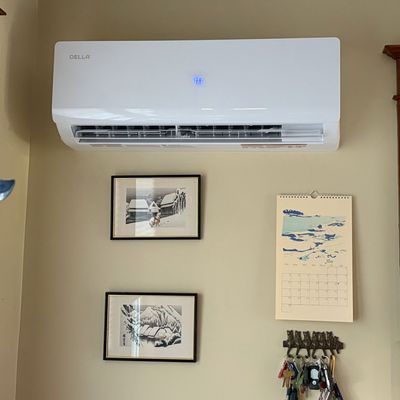
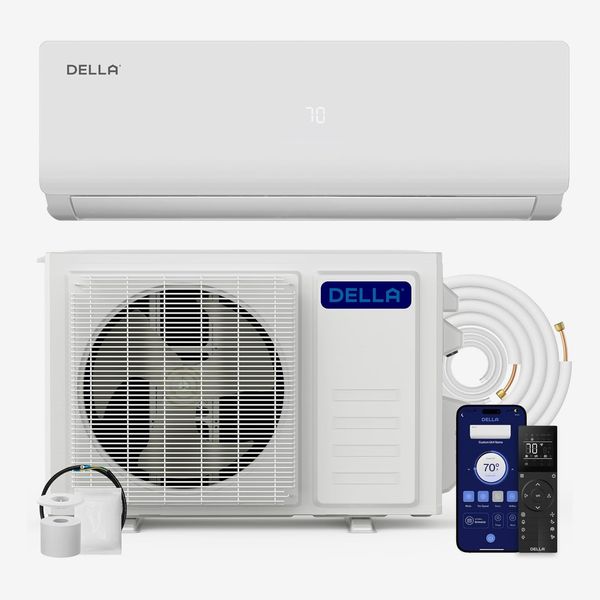
Early summer in Vermont has been a chaotic mix of intermittent heat waves and near-freezing cold snaps, but through it all, the first floor of my house has stayed a comfortable 70 degrees Fahrenheit thanks to my newly installed Della Vario mini-split heat pump. It’s more energy-efficient than any window AC or portable AC could ever hope to be, and so quiet that I have to look at it to see if it’s on or off. If it were as simple as just buying it from Amazon and hanging it on my wall, there’d be no reason to recommend anything else. Unfortunately, the reality is a lot more complicated and more expensive than that.
New! You can now save this product for later.
Installation is not included.
What is a mini-split?
The reason most window ACs are so loud is that the compressor — which does the cooling — is directly attached to the interior-facing part of the unit that houses the fan and controls. When the compressor runs, the whole unit shakes — including the window it’s mounted in. Then the whole thing has to be light enough to remove for winter storage, which limits how powerful it can be. A portable unit is even worse since the compressor is inside your home, generating noise and throwing off heat as it attempts to cool the room.
A mini-split solves all these problems by separating the compressor and air-handling into discrete units connected by thin copper tubes filled with refrigerant. The heavy-duty compressor is permanently mounted outside (ideally in a covered area, if you get a lot of snow where you live), where it can work as hard as it needs to without being heard or felt inside. And the air handler is basically just a high-efficiency fan with some thermal coils and a decorative cover, so it can be tucked away discreetly near the ceiling. The copper lines are very thin, so only a few small holes need to be drilled through your walls. It’s much easier to install than a central air system, which often requires tearing apart and reconfiguring floors and ceilings to accommodate ducts.
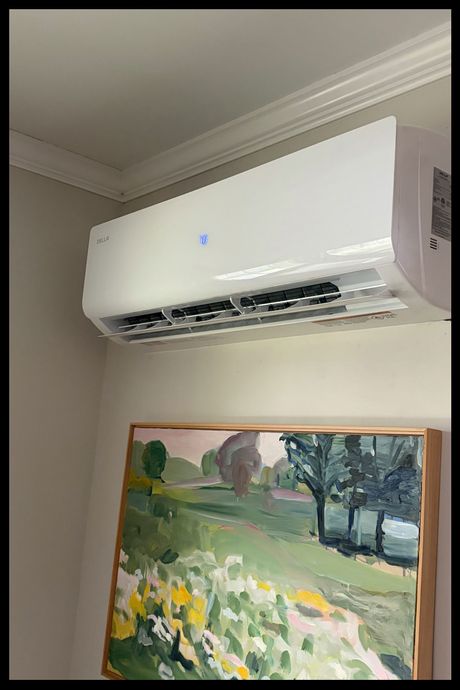
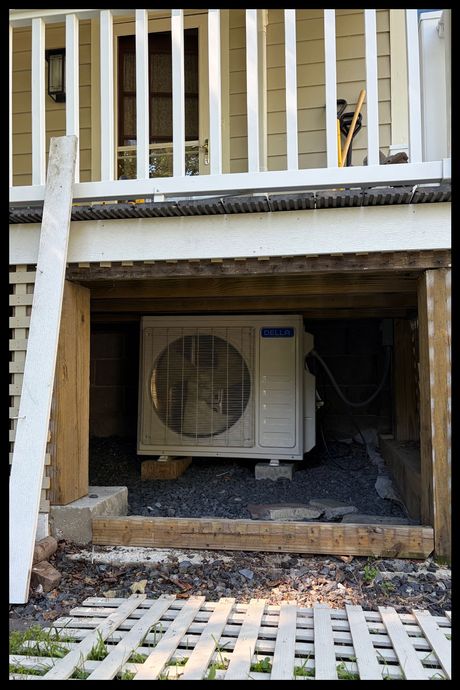
What makes Della different?
If you’re at all familiar with mini-splits, it’s probably because you encountered one in a nicely renovated apartment, which probably had a Mitsubishi, Fujitsu, LG, or Daikin unit in it. These are typically sold through certified installers and must be “charged” with refrigerant after installation and before use. The equipment itself runs about $1,300 to $3,000 per room, depending on the brand and specifications. Installation will run another $3,000 to $6,000 for the first room, and an additional $2,000 to $4,000 for each additional room, depending on where you live and the type of setup you select. Typically, parts and labor are backed by at least a five-year warranty, with some brands offering up to 12 years of coverage.
A Della mini-split costs about half as much as one from the big brands, and the compressor arrives precharged with enough refrigerant for most installations. It also has Wi-Fi, which is handy for making sure you remembered to turn down the thermostat after leaving on vacation. The same is true of other DIY-friendly mini-splits you may have seen on Home Depot or Amazon, such as Senville, but Della’s lifetime warranty on parts (so long as it’s registered within 100 days of installation) and 24/7 customer support are more comprehensive. The only catch is that it must be installed by a licensed HVAC installer (you provide their license number to Della) or by yourself using Della’s rental kit ($100 for a week with a refundable $200 deposit), which includes a vacuum pump and the specific tools needed to ensure no air ends up in the refrigerant lines. My unit actually arrived with a fried control board, but my installer was able to call customer support and get a new one in hand in just two days. He told me this kind of turnaround was unheard of with the bigger brands he typically installs.
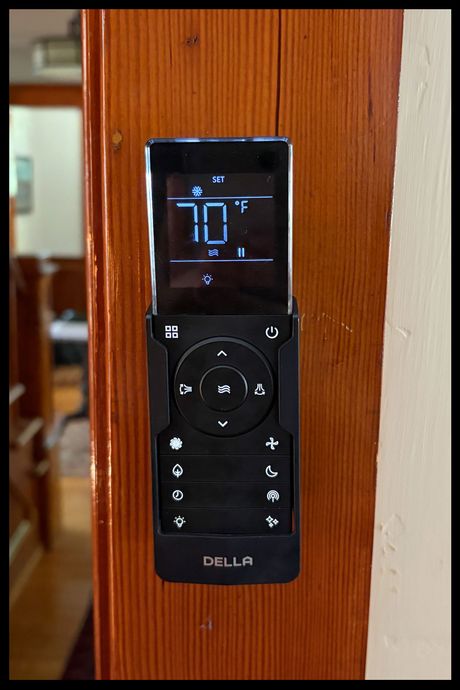
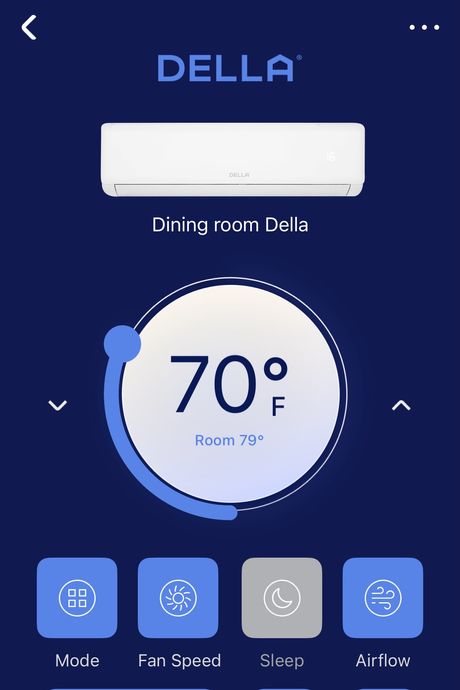
Basically, if you’re an advanced DIY handyperson who’s done some plumbing and is confident with electrical work — and that’s a big if — then you can get a mini-split system that will heat and cool your space all year round for about a tenth of the price of a professionally installed Mitsubishi setup.
What’s the catch?
I’ve yet to encounter a piece of flatpack furniture that I couldn’t assemble myself; I can fix a clogged sink, and I wouldn’t hesitate to swap out a busted wall outlet. But I would not trust myself to do this installation in my own house, even with the rental kit and all the helpful videos. It involves drilling holes through exterior walls, handling refrigerant, and electrical work that exceeds my risk tolerance as an amateur handyperson, so I hired a plumber to do the installation. This cost about $4,000 in rural Vermont for a dual-zone installation (a single-zone system would’ve cost about $ 3,000) and could easily have been twice as expensive in a city. (Expect to pay a premium on the labor, since they’re not profiting from the sale of the equipment.) I also had to spend another $800 for an electrician to free up space in my breaker box for an additional 230V circuit.
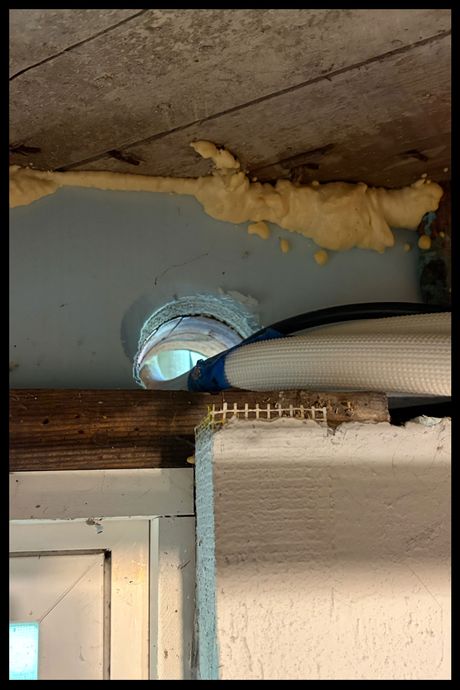
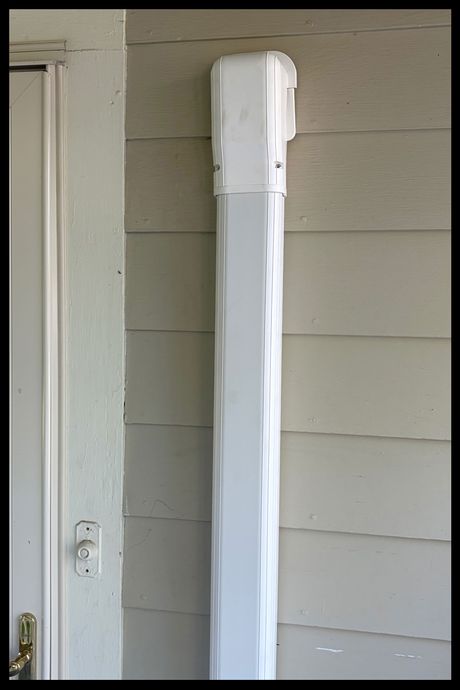
$7,000 all-in for a 28,000-BTU mini-split with two air handlers is cheaper than a comparable setup purchased directly from the installer. (I was recently quoted $8,500 for a less-powerful single-room setup from a different plumber.) But it’s a discount of about 30 percent, not 80 to 90 percent. And even though Della’s warranty covers replacement parts for life, I’ll still have to pay out of pocket for any necessary labor.
So is it actually DIY-friendly?
The plumber I hired to do the work told me that any reasonably experienced handyman with access to a vacuum pump (included in the tool rental kit) should have no problem doing it, so long as it’s a simple setup (i.e., a single-zone setup where the outdoor compressor can be mounted close to where the indoor air handler will be installed). The refrigerant lines are ready to be connected and charged once everything is mounted. (These lines aren’t meant to be cut, but you can buy longer or shorter sets if necessary — note that longer lines may require additional refrigerant, depending on the model.) It’s not as easy as some of the much-more-expensive Mr. Cool DIY mini-split kits that come with precharged lines, but Della’s approach should result in a cleaner installation in many cases.
If I were buying a single-zone setup for a garage or workshop, where I would be less concerned about finish quality and would have clear access to all the necessary systems, I would be more willing to rent the installation kit and give it a go. (Although I’d still want an electrician to handle the wiring, as would my home-insurance provider.) Della provides thorough instructions and videos that walk you through the process and offers responsive phone support if you run into any issues along the way. There are hundreds of glowing user reviews that attest to this.
Who should get a Della?
If you own a home that lacks a centralized heating and cooling system, adding a heat-pump mini-split is one of the best values available in home improvement. This single upgrade improves your home’s comfort, efficiency, and market value (by up to $17,000 according to a 2020 Nature Energy study) all at once. The last part is particularly salient if you’re able to install it yourself. Even if you can’t, hiring someone to do it will still cost less than buying a comparable all-in-one package directly from an installer. And Della’s lifetime warranty on all parts is unmatched by any major HVAC brand, even if you’re responsible for the labor. You may have to shop around for someone who’s willing to do the work, but it’s not difficult if you don’t mind picking up the phone. However, if you prefer to just have things handled, it’s worth buying your equipment directly from a local HVAC installer. It will cost more, and the warranty will be shorter, but if anything goes wrong, there’s only one number to call.
Other air conditioners we like
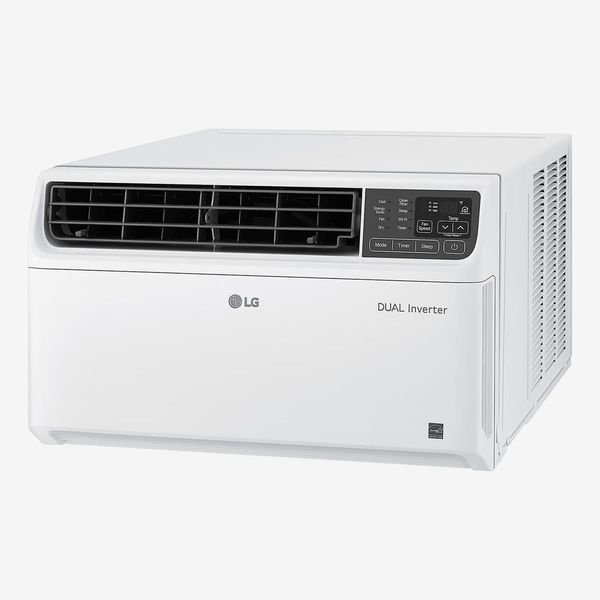
New! You can now save this product for later.
A very efficient, quiet, and reliable AC for window-mounting.
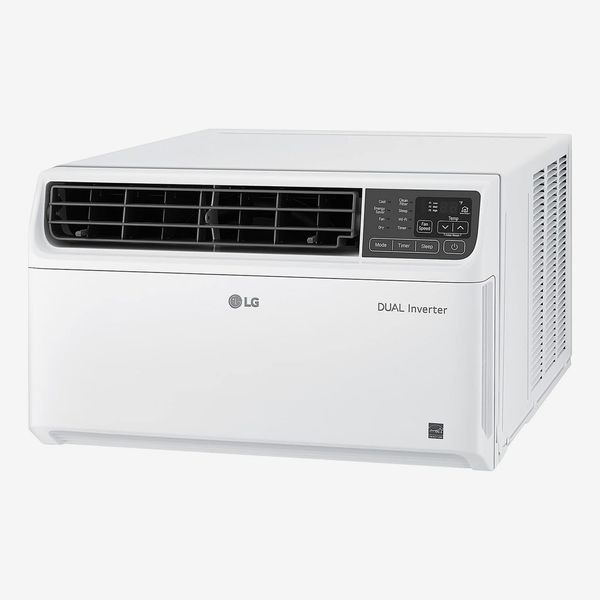
New! You can now save this product for later.
For rooms as large as 1,500 square feet.
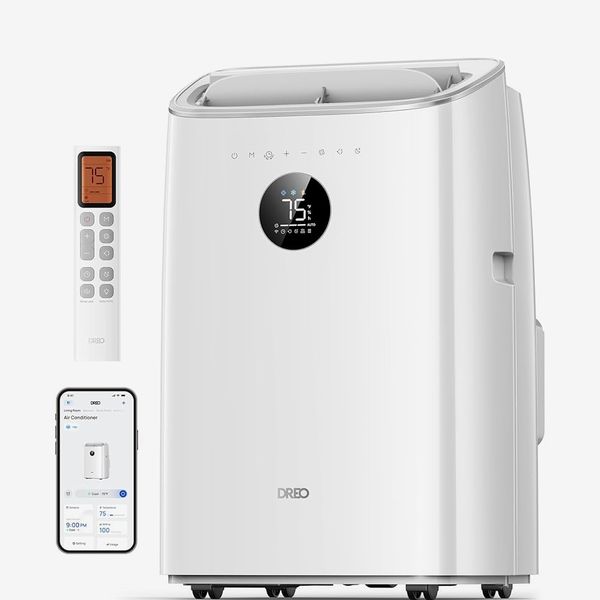
New! You can now save this product for later.
It's much quieter than most portable ACs, but not the most efficient.
More From The Strategist
- Hark, the Advent Calendars Arrived (Very) Early This Year
- The Best Things Strategist Editors Have Bought This Year (So Far)
- 63 Things You Should Never Buy Full Price
- The Strategist Fall 100
The Strategist is designed to surface useful, expert recommendations for things to buy across the vast e-commerce landscape. Every product is independently selected by our team of editors, whom you can read about here. We update links when possible, but note that deals can expire and all prices are subject to change.