What’s the Difference Between Cheap and Expensive Noise-Canceling Headphones?


A good pair of noise-canceling headphones feels sort of like magic. When you put them on, even the most annoying noises — airplane engines, coffee shop chatter, construction workers — seem like distant echoes at worst. But, as I learned after talking with several audio experts, making headphones that sound and feel good while effectively blocking out unwanted sounds is no easy feat. “One of the most difficult things is trying to get great sound quality, noise isolation, and comfort all at the same time,” says Matt Green, head of acoustics at headphone maker Logitech.
But do you need to pay top-dollar to get that kind of performance?
Premium noise-canceling headphones we like
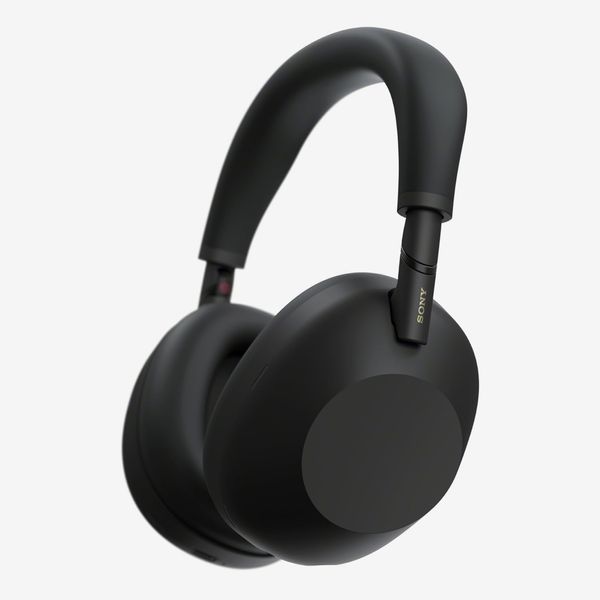
New! You can now save this product for later.
Top-notch sound and all-day comfort.
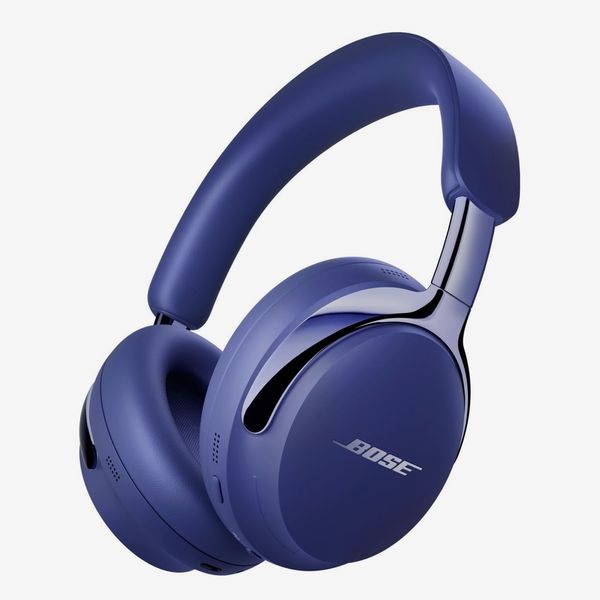
New! You can now save this product for later.
All-day comfort and excellent noise cancellation.
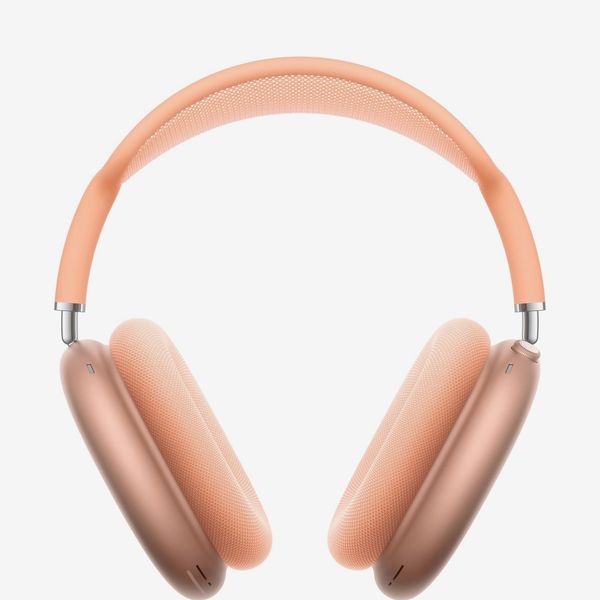
New! You can now save this product for later.
Headphones with a remarkably lifelike transparency mode.
Why blocking out the noise costs money
Headphones have two methods of blocking out the outside world: passive isolation and active noise cancellation (ANC). Isolation depends on the build and fit of the headphones to shut off your ears from external sounds; to work, in-ear headphones need a tight fit in your ear canal, while full-size headphones need to fit securely around your ears.
ANC (the headphones that use this are the ones we call “noise-canceling headphones”) is a form of electronic processing that reduces the level of low, constant sounds such as the hum of traffic on a busy street or the roar of an airplane engine. This works using- a set of on-device microphones that listen to the sounds around you, and software that plays the inverse frequency of those sounds through the headphones to cancel out those sounds and prevent them from reaching your ears. The same microphones and processing techniques are used to enable “transparency” modes (which let you mix in noise-reduced sounds of the outside world along with the music or podcasts or whatever else you’re listening to) and reduce noise on your outgoing calls.
“Active noise cancellation is a very specific science,” says headphone enthusiast site Head-Fi.org co-founder Jude Mansilla. “You can either make a broadband effort to cancel out all noise, or do it in a way that’s more important to the human ear.” The latter results in a better-sounding headphone overall, but also requires careful design and extremely thorough testing.
ANC isn’t able to tackle sudden, loud sounds (what audio experts call “transients”), so a really good headphone depends on both approaches: passive isolation blocks out barking dogs, ANC electronically hides the hum of your air conditioner. According to Green, the challenge lies in creating a headphone with both effective ANC and passive isolation. “That comes only in the best headsets,” he says. Logitech uses both computer modeling and extensive physical testing of prototypes to arrive at their (very effective) noise-canceling headphone designs. That testing likely looks a lot like what Mansilla does when he’s reviewing headphones, using the equipment at HEAD Acoustics in Detroit to simulate the annoying sounds headphones are meant to eliminate, such as the hum of a loud air conditioning system or aircraft cabin noise, and measuring how headphones manage those sounds while they are mounted on a mannequin with lifelike ears mounted with measurement microphones.
Even cheap headphones can sound good
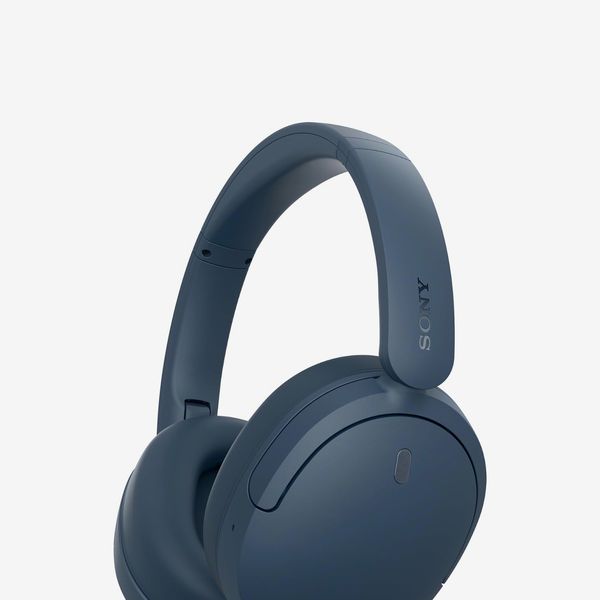
But, as I’ve learned in my years of testing headphones, the best doesn’t always mean the most expensive. Take, for instance, Sony’s affordable WH-CH730N. While they may not have all the bells and whistles —- more advanced ANC, faster processing and support for higher-resolution audio playback, the most well-engineered design — of Sony’s premium WH-1000XM6 (our pick for the best noise-canceling headphones overall), they’re by no means bad headphones. They’re still comfortable to wear, good at blocking out most noises, and offer good enough sound to listen all day without complaints — they just aren’t as good as their high-end siblings.
Shimo Hiroaki, senior product manager for personal entertainment at Sony, says that’s largely in part because “the expertise behind our most premium products also informs the development of models at more affordable price points.” So, some companies introduce the latest features in the fancy models, then use that knowledge to eventually bring the features and designs that most affect the sound quality to budget-friendly models.
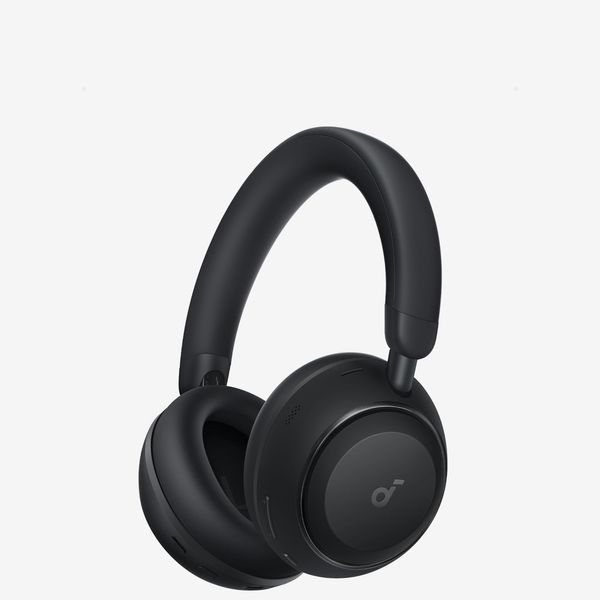
And that kind of design philosophy and progress in noise-cancellation algorithms has spread through the industry. Anker’s Space 2 headphones (which are some $300 less expensive than the Sonys) certainly don’t sound like they’re $300 cheaper.
But you do get more from premium priced headphones, to a point (we’re not getting into audiophile models that can cost several thousand dollars here). Apple’s AirPods Max headphones, for instance, which have very effective noise canceling and also use the external microphones to produce a remarkably lifelike transparency mode. If you were to close your eyes and have someone say your name over your right shoulder, without headphones on, the sound would reach your right ear before it reached your left ear. With the AirPods Max in transparency mode, the company’s spatial audio processing is used to make sure the effect is nearly identical to what you’d hear without headphones and avoiding the uncomfortable feeling of being cut off from the world that you can get from less advanced models. “You won’t necessarily have that level of precision with a cheaper headphone,” Mansilla says, if they have transparency mode at all.
Budget noise-canceling headphones we like
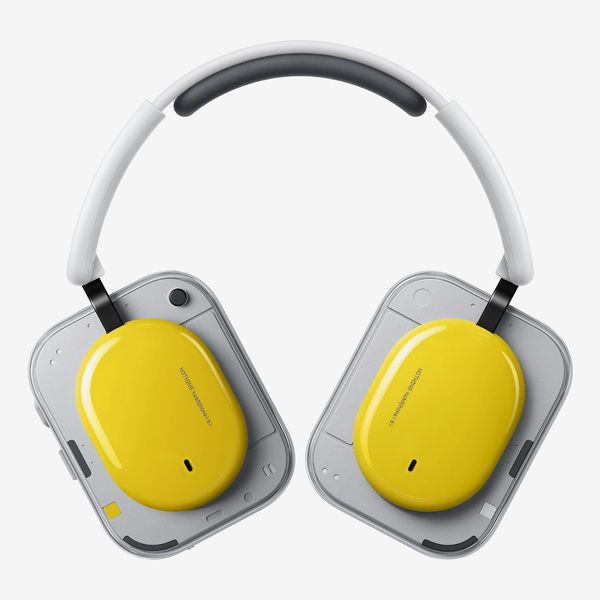

New! You can now save this product for later.
Affordable headphones with a retro-futuristic design.
New! You can now save this product for later.
Comfortable, great-sounding headphones that won't break the bank.
New! You can now save this product for later.
Cheap headphones that punch above their weight.
Comfort makes a big difference — and it’s worth paying for
Advanced performance features don’t matter if you don’t want to wear the headphones in the first place. While there are some high-value models that offer very solid construction (and we’re always on the lookout for them), cheaper headphones tend not to feel as good to wear, according to Delaney Czernikowski, audio expert and technical writer at Audio 46. “You can definitely tell when a headphone is cheaper,” she says. “But if you spend a little more, you get nicer materials that will sit more comfortably on your head.”
So, more premium headphones like the Bose QuietComfort Ultras or the new Nothing Headphone (1) Pro tend to have better foam in the ear cushions and headband, as well as more ergonomic shapes than cheaper options. “When you’re spending upwards of $300 on a pair of headphones, I would hope companies would be more discerning when it comes to those things,” Mansilla says. But for less money, you can still get a pair of headphones that’s comfortable enough to wear all day. In particular, I’ve found Sony’s WH-CH730N, Ankers Space 2, and Nothing’s Headphone (a) to be surprisingly comfortable with impressive sound for the price.
All that said, no matter how much you want to spend, you can get headphones that sound good and block out a sufficient amount of noise. We think it’s worth spending the money if you’re a serious music fan who wears headphones all day, if you travel a ton and find you really need relief from airplane cabin noise, or even if you just work from a noisy office (or at home) with a loud HVAC right above your desk. In that case, you’ll find the splurge worth it. You’ll get a higher-quality listening experience, more advanced features, and a more luxurious feel, but that’s up to you and your wallet, and we’re going to stay on the lookout for headphones that fit anyone’s budget.
More From The Strategist
- Hark, the Advent Calendars Arrived (Very) Early This Year
- The Best Things Strategist Editors Have Bought This Year (So Far)
- 63 Things You Should Never Buy Full Price
- The Strategist Fall 100
The Strategist is designed to surface useful, expert recommendations for things to buy across the vast e-commerce landscape. Every product is independently selected by our team of editors, whom you can read about here. We update links when possible, but note that deals can expire and all prices are subject to change.