The Essentials You Need to Start Playing Dungeons & Dragons

In this article
Dungeons & Dragons has arguably never been more popular. Decades after helping send the nation into a satanic panic in the 1980s, the famous role-playing game (RPG)is now mainstream enough to inspire TV shows like Stranger Things, be the subject of numerous podcasts, and even have its own live-action movie. But it can still be intimidating to get started playing. There are rules, mechanics, and terminology to learn. Sometimes mental math is required. And you have to embrace playing pretend — something many adults haven’t done in a long time.
There’s also the matter of all the stuff. How important are the figurines and game boards, like they had on Stranger Things? Or the elaborate sets and effects on a show like Dimension 20? And what’s the deal with the dice?
To find out what essentials you actually need to get started, I talked to podcasters, players, and game store owners with experience playing D&D and other RPGs. Below you’ll find their recommendations for the basics, as well as a few fun extras, that will help you on your first adventure.
First, get acquainted with how the game works
If you don’t already have a group of friends ready to play, many local game shops will have public games you can join — look for one that’s geared toward beginners. Bars, libraries, and other hobby shops often host public games as well. And before you go, you can prep yourself by consuming D&D media like books, podcasts, or shows.
New! You can now save this product for later.
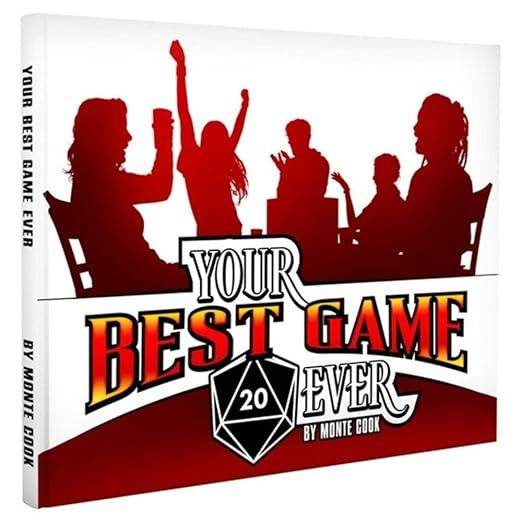
If you’re totally new to RPGs, John Heath-Clark, who runs the role-playing-game department at the New York game café Hex & Co, suggested this guidebook on healthy games for every level of role-player. He especially recommends reading the chapters about being a great player, which “really delve into what the experience is like.”
Actual play shows or podcasts record a real game for an audience — it’s like being a fly on the wall for a live RPG session. “Listening to or watching actual plays is really, really helpful,” says Emma Scaggs, a co-host of the Read, Play, Gamepodcast. “Before you buy all this stuff, it’ll give you a good sense of whether it’s actually something that is interesting to you.” Scaggs added that you shouldn’t compare yourself to what you see in actual plays, as many of the players are professional comedians and improvisers; instead, she suggests using them as inspiration for your own sessions.

Stuff-wise, you really only need a few basics
Very little is actually required to play Dungeons & Dragons. The term theater of the mind came up a lot when I was speaking to players because ultimately the game is all about imagination. D&D has rules, like a traditional board game, but the overall experience is much more similar to the way children play with toys: There might be a physical representation of the game, but ultimately the story exists in the minds of the players, as guided by the Dungeon Master (or DM). This means that you can play the game with next to nothing or with tons of IRL accessories — it depends on your style and approach.
Start with the game manuals
New! You can now save this product for later.
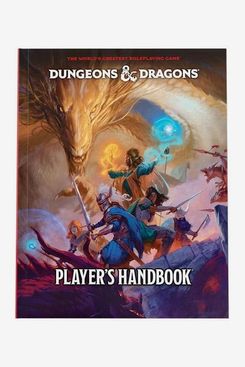
Isaac VanDuyn, founder of the Carcosa Club gaming space in Brooklyn and creator of Outcast Silver Raiders, says you need four books to get started playing D&D: the Player’s Handbook, the Dungeon Master’s Guide, the Monster Manual, and a book about your campaign setting. “The Player’s Handbook is going to include all the rules for portraying a character,” VanDuyn says …
New! You can now save this product for later.
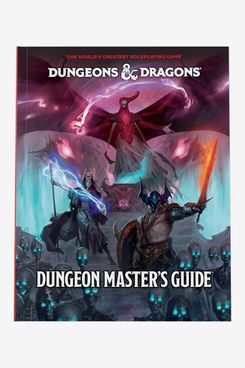
… While the Dungeon Master’s Guide is solely for the Dungeon Master, the person who describes the fantasy world that the players are in and portrays the other characters they meet there — essentially the toolbox of everything you need to run the game for everyone else. And while it’s certainly helpful to have an experienced DM, it’s not necessary. If everyone in your group is a beginner, you just need someone who’s enthusiastic enough to take on the job of learning how to be a DM (more on that below).
New! You can now save this product for later.
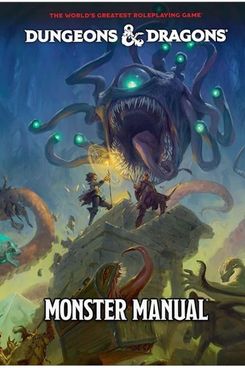
“The Monster Manual is a set of several hundred ready-made monsters with all of their rules,” VanDuyn says. The Dungeon Master can use it to play as monsters that the characters encounter.
New! You can now save this product for later.
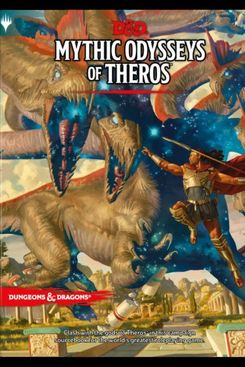
“A campaign setting is a book that describes a fantasy world the Dungeon Master can use to come up with adventures for their players,” VanDuyn explains. The campaign setting is more optional than the three books above — many experienced DMs enjoy creating their own original worlds — but a ready-made one is good for getting started.
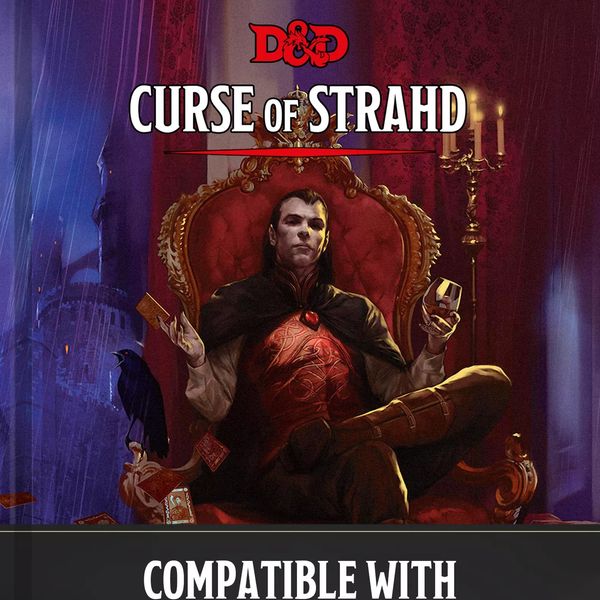
There isn’t a “default” campaign setting, VanDuyn notes, as Wizards of the Coast, the publisher of D&D, puts out a variety of books that can be used to plan a campaign. The 2024 edition of the Dungeon Master’s Guide (the newest version available) includes a campaign setting for the fictional world of Greyhawk, but there are plenty of other campaign settings to use if a different one is more exciting to you.
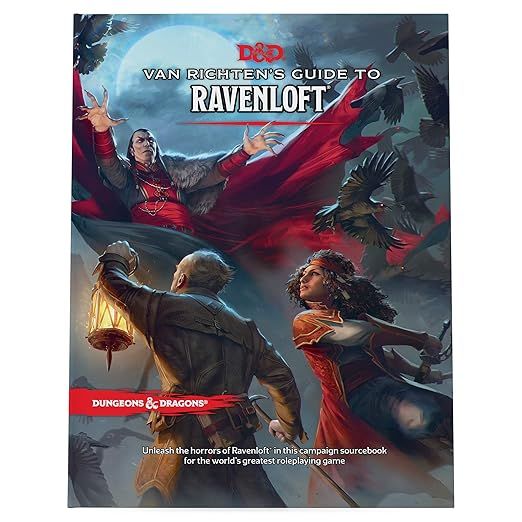
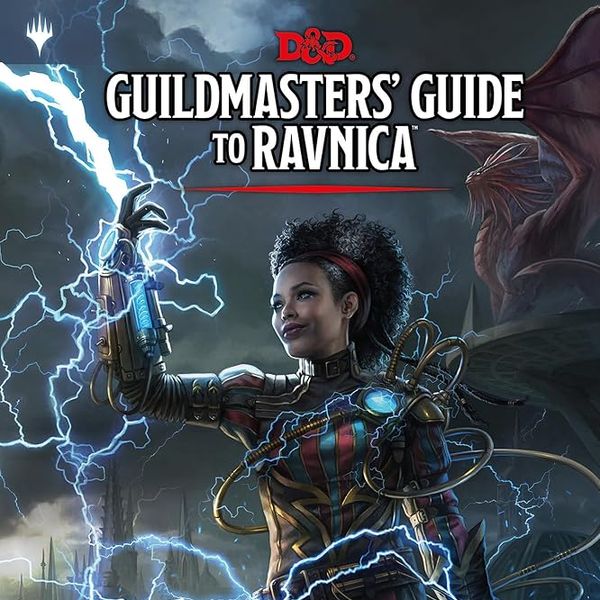
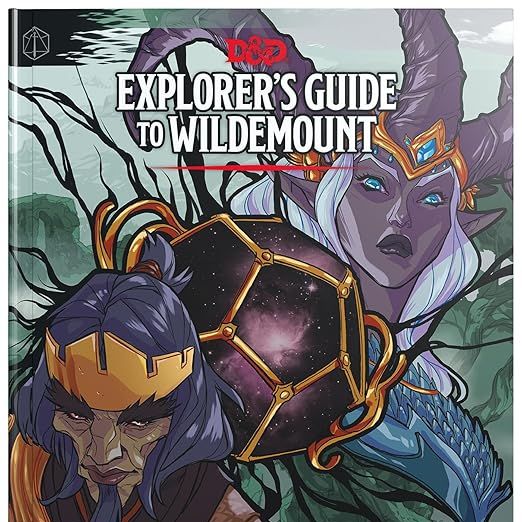
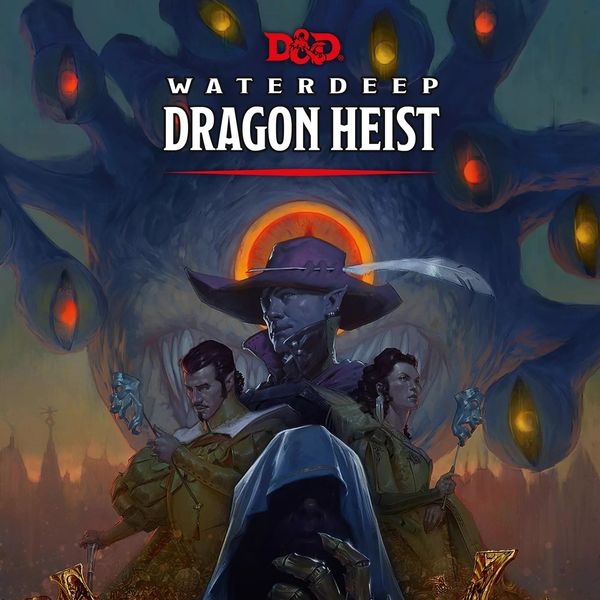
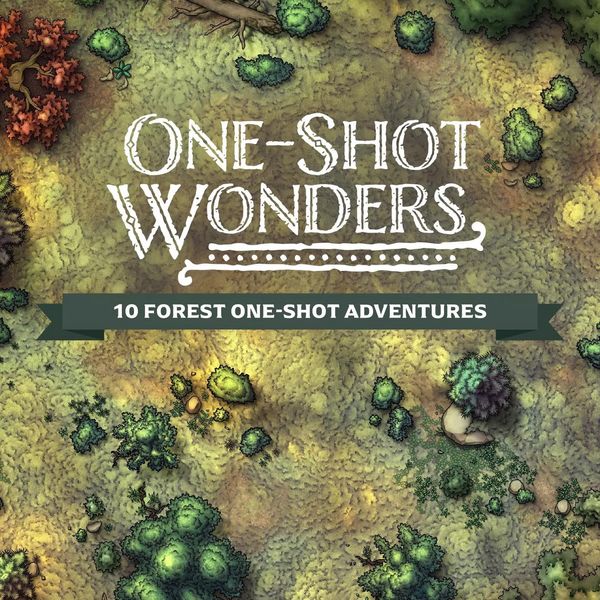
Wizards of the Coast also publishes helpful premade adventures, sometimes called modules. Like campaign-setting books, premade adventure books will be handy for DMs who don’t want to write their own game narratives. Anish Pinnamaraju, a co-host of the Read, Play, Gamepodcast, says the modules have both maps and a narrative story that “ease you into the process and kind of hold your hand as you’re going through it.” Most of these books are meant for longer campaigns that will take a party through multiple levels over several sessions, but there are also one-shots, which are shorter stories meant to be played in a single session.
You’ll also need some dice
New! You can now save this product for later.
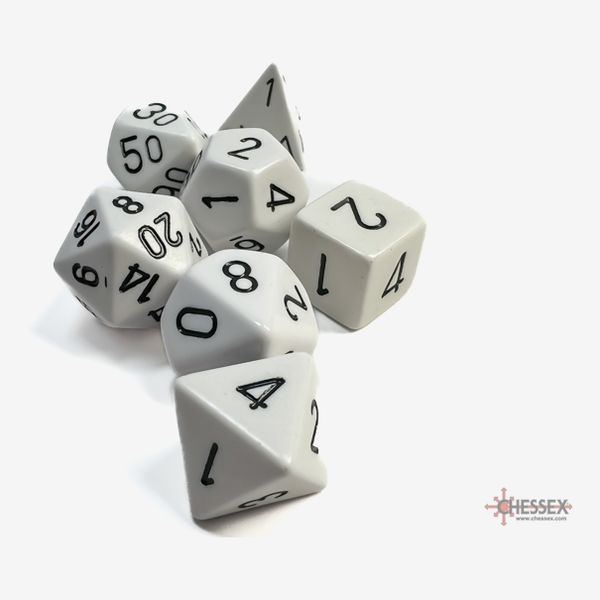
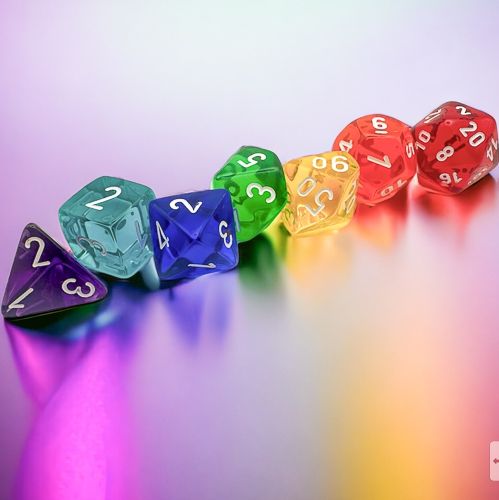
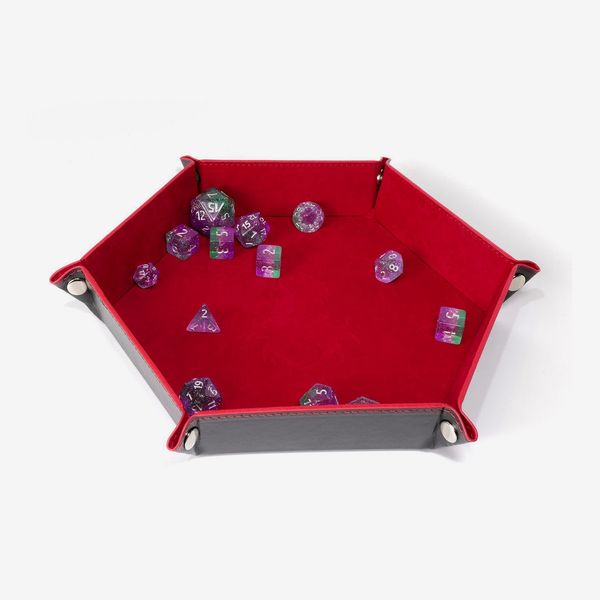
Dice are among the few genuine essentials of playing D&D because the mechanics of the game rely on rolling dice to determine outcomes. You’ll also need multiple types of dice besides the standard six-sided ones used in most board games. Each die gets its name from the number of sides it has; the standard six-sided one is called a D6. A basic beginner dice set, like this one, should include a D20, a D12, two D10s, a D8, a D6, and D4.
According to Jessica Enloe, a co-host of the Read, Play Game podcast, it’s ideal for every player to have their own set of dice, though players can get by with sharing if at least the DM has their own set, since they’ll need to make many more rolls than anyone else.
Nearly every player I spoke to mentioned that buying dice can be somewhat of a compulsion for D&D players because there are hundreds of styles and they can be a form of self- or character-expression, in addition to a functional part of the game. A unique set of dice can also be a great gift to a new player joining a campaign with you, says Cory Mac of the Girls Who Don’t DnDpodcast. But a simple starter pack can easily last a player years. If you’re shopping in-person, your local game store will have plenty of dice; for online shopping, brands like Kraken Dice, Chessex, or Foam Brain Games have many options. Etsy is also a great place to find unique or artisan dice.
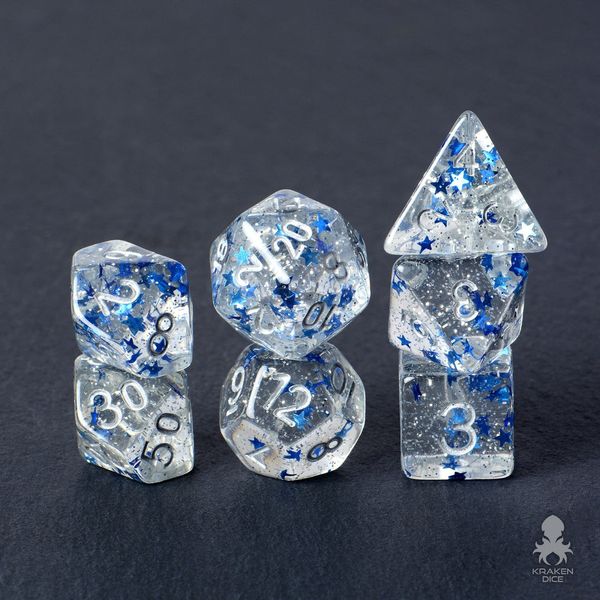
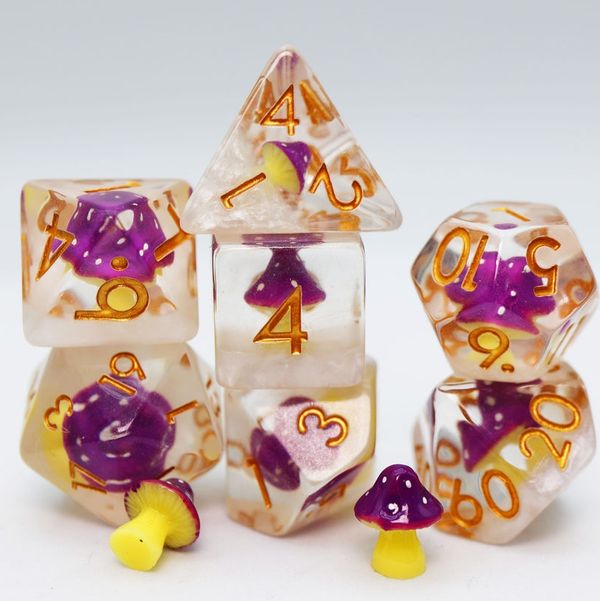
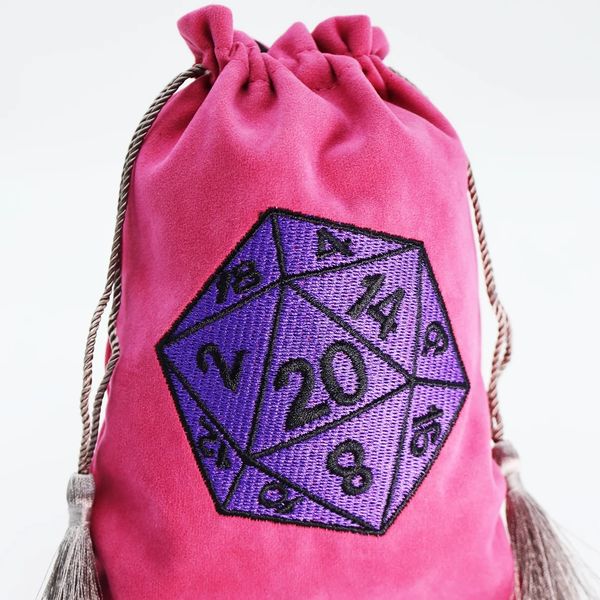
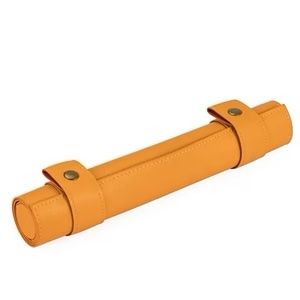
There are also lots of cool dice accessories like rolling trays, mats, and dice bags, which can be handy for storage and preventing dice from rolling off the table.
All players should also have character sheets and a notebook
New! You can now save this product for later.
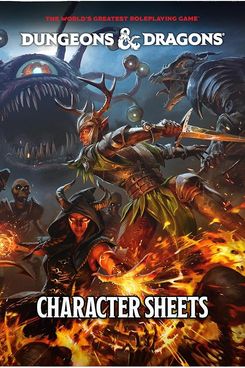
Every player in the game, aside from the DM, will need to create a character. There are many different approaches to character creation in the RPG community, but no matter how you go about it, you’ll want a character sheet to track your character’s stats, traits, and items. You can buy a set of these or print your own for free.
New! You can now save this product for later.
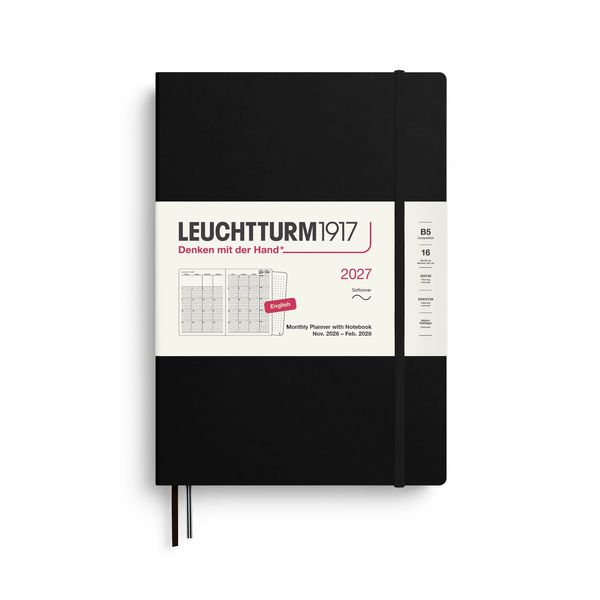
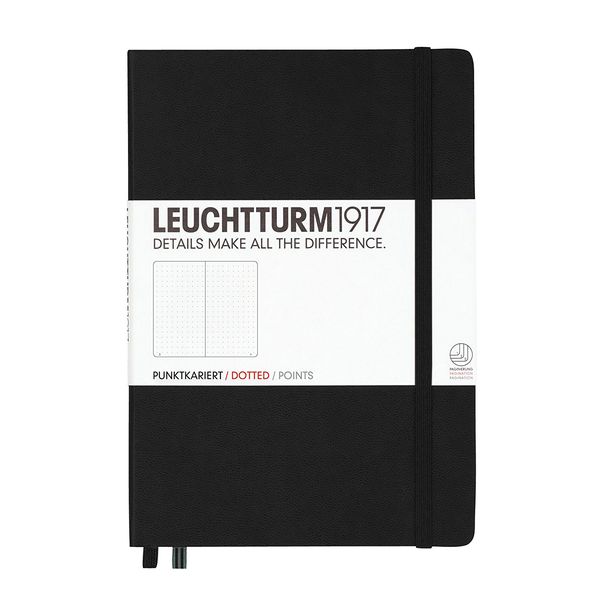
Though your character sheet is handy for keeping track of a lot of things, you’ll likely find yourself wanting to jot down more notes. “You’re going to forget the special magic item someone gave you six months ago,” Mac says. Writing down major events, items collected, or clues to a mystery can help you sustain a game across multiple sessions, and most players I spoke to recommended keeping some type of notebook handy. Several players also mentioned taking notes on a laptop or iPad, but pen and paper is ideal for those who prefer to keep the table device-free.
New! You can now save this product for later.
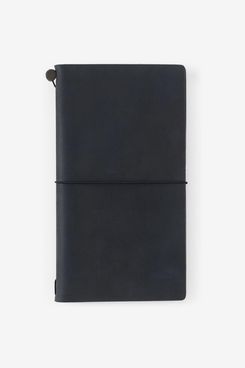
Traveler’s Company Traveler’s Notebook Starter Kit - Regular Size - Black Leather
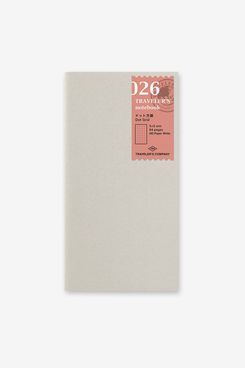
VanDuyn recommends the Traveler’s Notebook, which has a leather cover with an elastic strap that allows you to swap in different page inserts. He likes the small size — it won’t take up too much space on a table and is easy to carry with you — as well as the versatility of different inserts: “If you’re running a long campaign with your friends, you could have that all be one notebook, and then if you start a new one, you take that notebook out and put a fresh one in,” he says.
New! You can now save this product for later.
VanDuyn also notes that gridded inserts can be helpful for designing maps (more on that below).
New! You can now save this product for later.
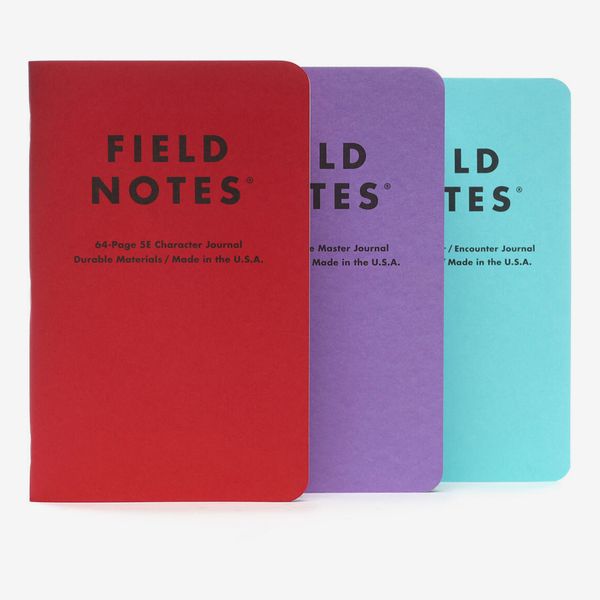
Whitney Wolfe, owner of Last Place on Earth in Brooklyn, uses the gaming journals made by Field Notes, which are geared specifically toward RPG players. There’s a character version, a game master version, and one for tracking monster encounters; Wolfe likes that each version is color-coded and that they come in two-packs, and says the character notebooks can be especially helpful for tracking character level-ups.
Dungeon Masters will likely want some additional supplies
The person running the game — called the Dungeon Master, or DM — has a lot to keep track of to ensure the game runs smoothly. Here are some tools first-time DMs might find useful to stay organized.
New! You can now save this product for later.
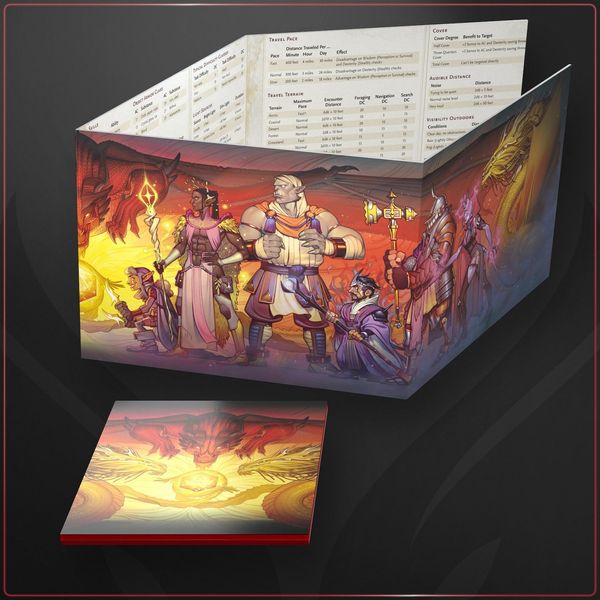
Wolfe highly recommends investing in a DM screen, which is essentially a divider used to block players from seeing the DM’s notes and spoiling the game for themselves. “People peek over all the time. I work with kids and adults and teenagers, and they all do it,” Wolfe says. Wizards of the Coast sells this official D&D-themed DM screen, but there are dozens of options out there. Enloe says the benefit to a game-specific screen is that these styles often have easy reference rules on the inside for the DM, but a simple folder or privacy screen can also do the trick.
New! You can now save this product for later.
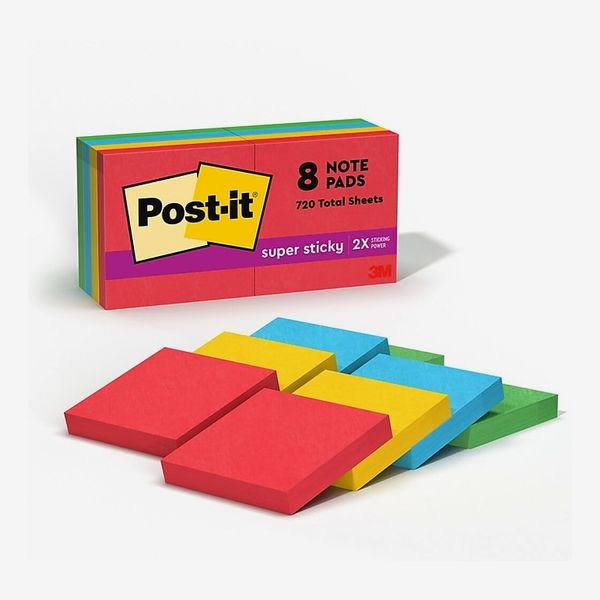
Enloe also recommends keeping sticky notes and tabs handy when running a game. She likes to write new developments in a session on Post-its and stick them inside her DM screen.
New! You can now save this product for later.
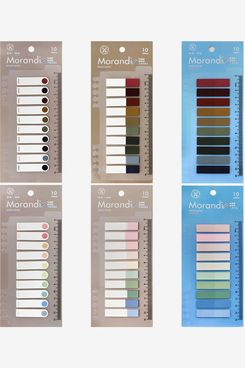
Morandi Sticky Tabs
Sticky tabs are handy for noting reference points in the various manuals. “One of the most frustrating things about running a game is having to flip through the book,” Enloe says, so bookmarking pages that refer to specific monsters or locations saves time during the session.
New! You can now save this product for later.
New! You can now save this product for later.
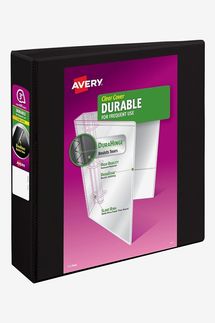
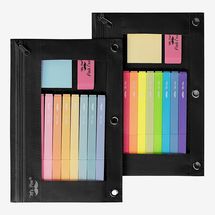
Lauren Bilanko, owner of the Twenty Sided game shop in Brooklyn, likes to keep her notes in a three-ring binder when she runs a game. She recommends using a pencil case with binder holes to store dry- or wet-erase markers, pens and pencils, an extra set of dice, notecards, and any other essentials so that everything is in the binder, ready to grab and go.
New! You can now save this product for later.
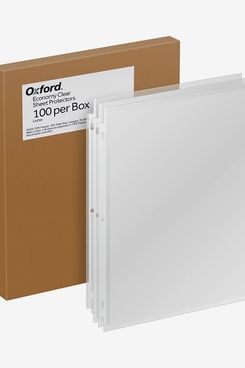
Bilanko also collects her players’ character sheets at the end of each session and keeps them in her binder in clear sheet protectors. That way, players don’t have to worry about keeping track of their character sheets between sessions.
New! You can now save this product for later.
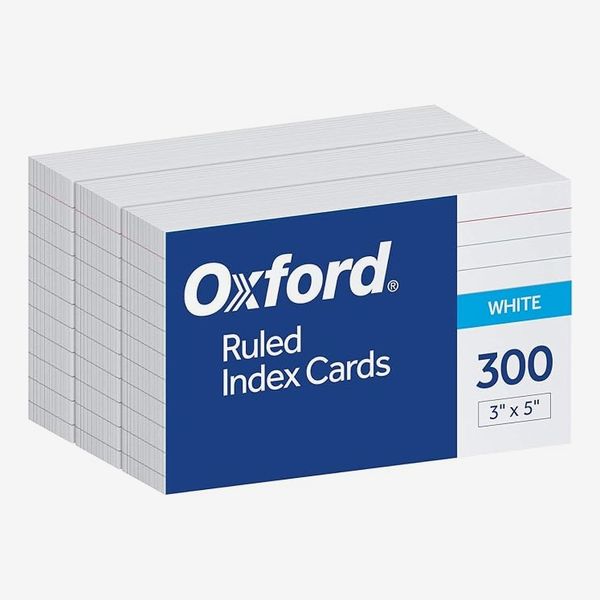
Oxford Ruled Index Cards, 3” x 5”
Bilanko also uses note cards for keeping track of player and character names, since she DMs public games. She’ll write names on one half, fold them, and either hang them over her DM screen or arrange them on the table. “As they’re introducing their characters, I might write details on the inside about their characters, so I can remember that for later,” Bilanko says. Bilanko designed a custom Twenty Sided note card for this exact purpose but says any basic ones will work. Enloe also recommends keeping note cards handy, as they can be used to create custom item cards to give to players.

New! You can now save this product for later.
New! You can now save this product for later.
While some DMs like to stay organized with pen and paper, others rely on digital platforms. Scaggs told me a fellow DM friend of hers uses Notion, while Mac uses Trello to manage sound effects and keep track of story lines. Both platforms have a free version, as well as paid tiers.

New! You can now save this product for later.
Obsidian Portal
Enloe also recommends Obsidian Portal, an RPG-specific platform that lets you easily take notes, create maps, and keep track of your story. There is a free version, as well as a paid version for $5.99 a month.
If you want to run a game online, Pinnamarju recommends using a virtual table top to provide your players with the best experience. He likes Roll20, which has free and paid versions, and Foundry, which requires a one-time $50 fee to use. D&D Beyond also has a virtual table top with a paid subscription option; it comes with reference materials and character creation tools that Enloe says can be helpful to have on hand.



New! You can now save this product for later.
For DMs who want to create their own original worlds, Pinnamaraju recommends using World Anvil to organize information. “It’s a comprehensive website that you can share with your players that is essentially a Wikipedia for the world,” he says. That way, your players can have reference materials for your custom-created world. You can sign up for a free account, and there are multiple paid tiers to access more features.
New! You can now save this product for later.
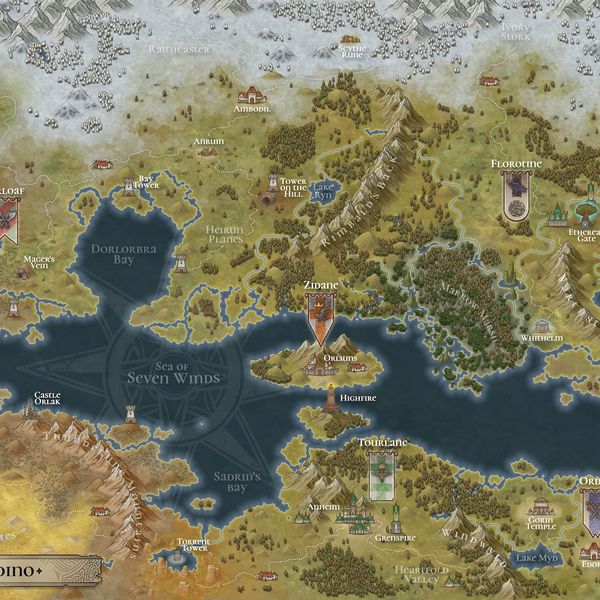
Pinnamaraju also uses Inkarnate, a digital mapmaker, to create customized maps for his games. It has both a free and a paid version, which is $25 a year.

New! You can now save this product for later.
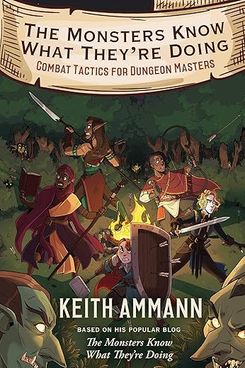
‘The Monsters Know What They’re Doing: Combat Tactics for Dungeon Masters’ by Keith Amman
Mac recommended this book as a great resource for DMs to improve their skills for playing monster characters. “It’s this very good idea that, of course, the things you are fighting against aren’t just standing there waiting for you to punch them. They’ve got a plan as well,” Mac says. “And if you can think like that as a Dungeon Master, you can understand their motivation for why they’re doing what they’re doing.”
New! You can now save this product for later.
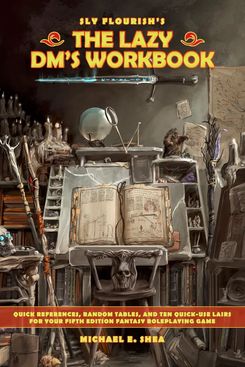
Mac also recommends Sly Flourish’s The Lazy DM’s Workbook to provide ideas and inspiration for beginner DMs.
If you want to go all-in on extras and upgrades, add maps and minis to the table
While not much is required to play D&D, there are a plethora of “extras” you can use to enhance your game. If you’re just starting out, most players I talked to recommend keeping it simple — figure out how to play, and then start adding more stuff if you want. But once you get to that point, a good place to start can be with maps and minis.
New! You can now save this product for later.
New! You can now save this product for later.
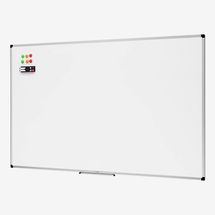
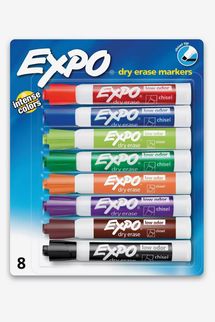
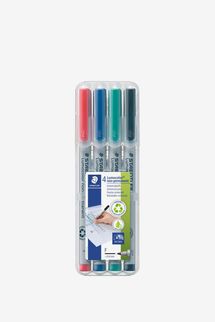
Maps can help players understand where their character is in relation to other characters, enemies, or the broader world. Scaggs says a large dry-erase board is her go-to for drawing maps. As a DM who runs games for friends and at public events, Scaggs also likes using the board to write down important information, such as the initiative order (which is just the order that players take turns in), where everyone can see it. She says it’s also nice to have a big pack of markers in multiple colors, so you can color-code different parts of the map.
New! You can now save this product for later.
New! You can now save this product for later.
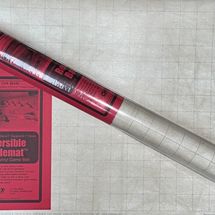
VanDuyn recommends the reversible vinyl mat from Chessex to create maps. One side has a square grid and the other has a hex grid; you can draw on both with wet-erase markers. The hex grid is useful for drawing mapping the world your characters inhabit, while the square side is intended for battles. Depending on your style of play, you can get very detailed with the grids — i.e., each hex represents five miles or each square represents a foot — but many players also use them to just sketch a rough outline. “Let’s say you’re in an old abandoned temple under the earth inside of a dungeon. Your Dungeon Master can just scribble, like, ‘Here’s two circles, these are pillars. Here’s some interlocking rectangles. These are stairs going up to this rectangle, which is the altar,’” VanDuyn says. “Then you put down some representations of the players and their enemies.”
New! You can now save this product for later.
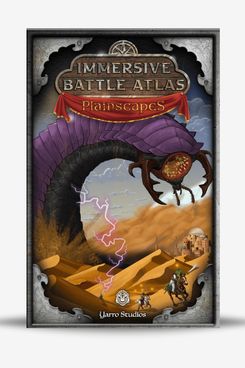
Another option is to purchase artist-designed maps, like this printed book from Yarros Studios. “They often contain fun little details that can generate new actions and experiences in combat,” Heath-Clark says.
Many artists also sell maps online; Pinnamaraju recommends simply searching for your desired “setting” — say, a pirate cave — because you’ll nearly always find an artist who has already created one. Artist-created maps can usually be purchased through the artist’s website or Patreon, though some are free to use.
New! You can now save this product for later.
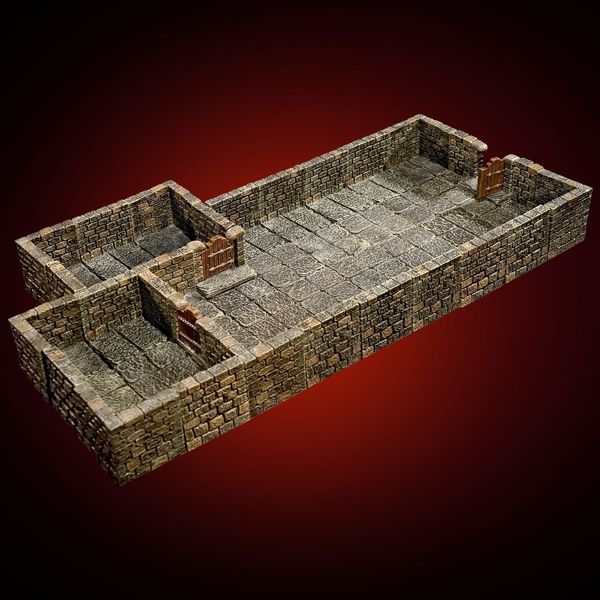
Bilanko likes Dwarven Forge’s dungeon terrain. Instead of using a two-dimensional map, you can connect these pieces to create a three-dimensional space to place minis in (more on those below). She says having the diorama-like space on the table can add to the ambience of a game.
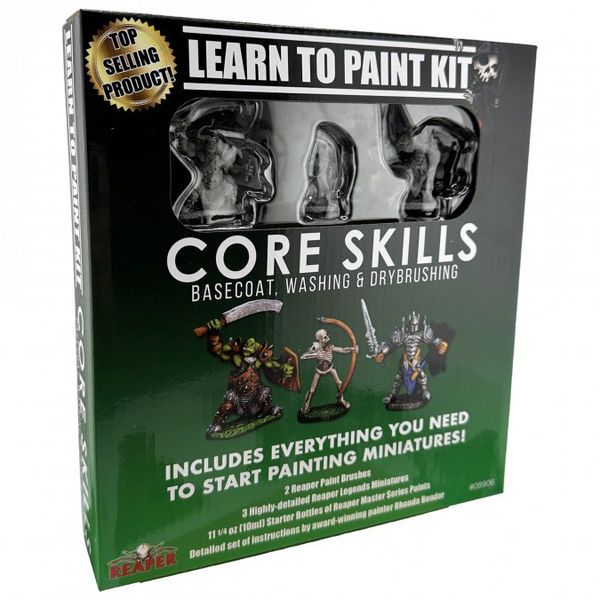
Multiple players I spoke to have used a variety of objects to represent players and enemies on the map, from bottle caps and coins to board-game pieces and LEGO Minifigures. But a popular (and fun) approach is to buy miniature figurines, often just called minis. “Listen, your inner child is brought out when you’re like, Oh my God, I get to play with a toy,” says Wolfe. VanDuyn recommends browsing the massive selection at Reaper Miniatures for your starter minis, though many local game shops will also carry them. You can shop for minis to represent your characters, as well as any monsters you might encounter in the campaign.
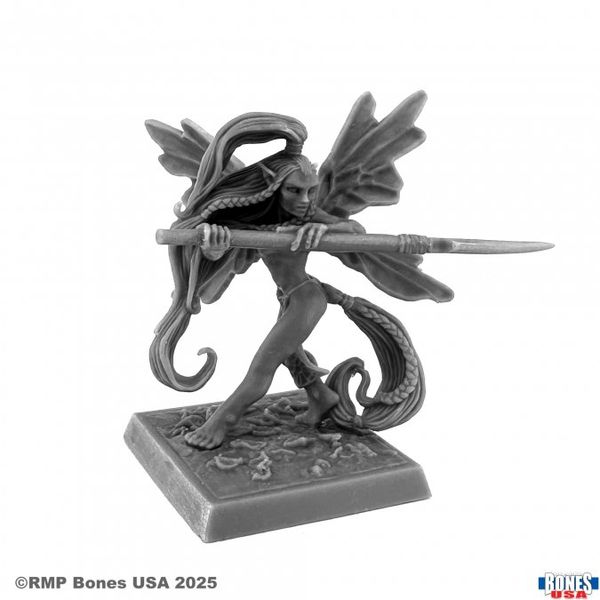
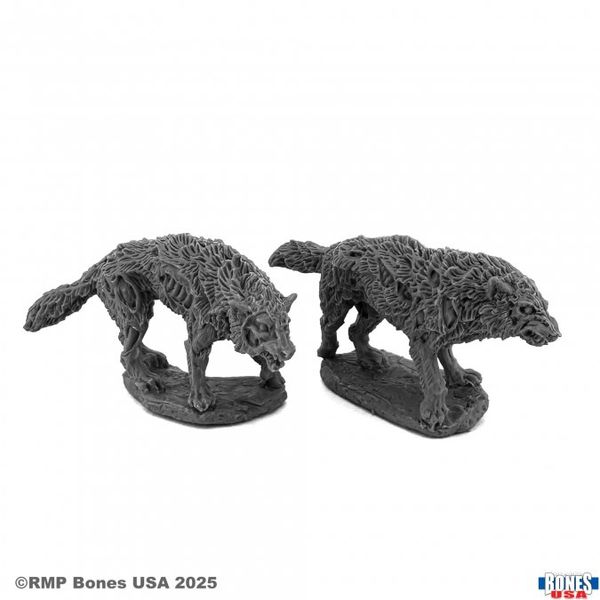
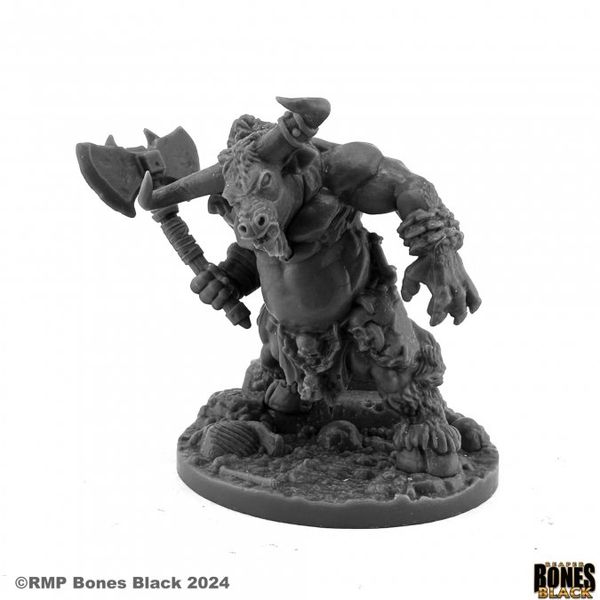
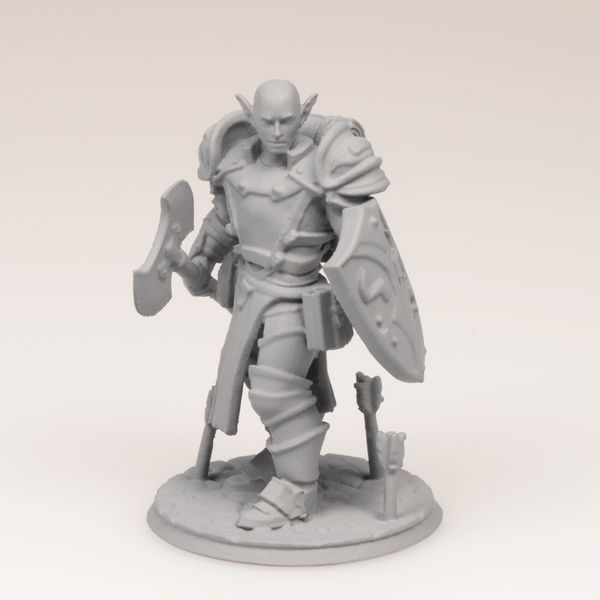
New! You can now save this product for later.
Hero Forge Custom Plastic Miniature
For a customized mini, Wolfe and Enloe both recommend Hero Forge, where you can design your character as a mini and have it 3-D-printed.
New! You can now save this product for later.
Minis can come painted or in a neutral color (usually gray). The gray ones are usually less expensive, but they can be customized with paint if you’re feeling creative. Scaggs, who loves crafting pieces to use in her campaigns, recommends investing in model paints to do this, as they’ll be easier to work with than other types of paint.
If you’ve made it this far, here are a few final things that that are just plain fun to have
Beyond maps and minis, D&D enthusiasts have come up with hundreds of other items to add to their games, including props, costumes, dioramas, and music. If you start getting really into the game, many of the players I talked to recommended shopping at conventions, local game shops, online marketplaces like Etsy, and events like Renaissance festivals to find unique, artisan-made D&D stuff. Meanwhile, if you’re crafty, there’s a whole world of DIY-ing to explore. When it comes to “extras,” the only limit is your imagination, but here are a few things to start with.
New! You can now save this product for later.
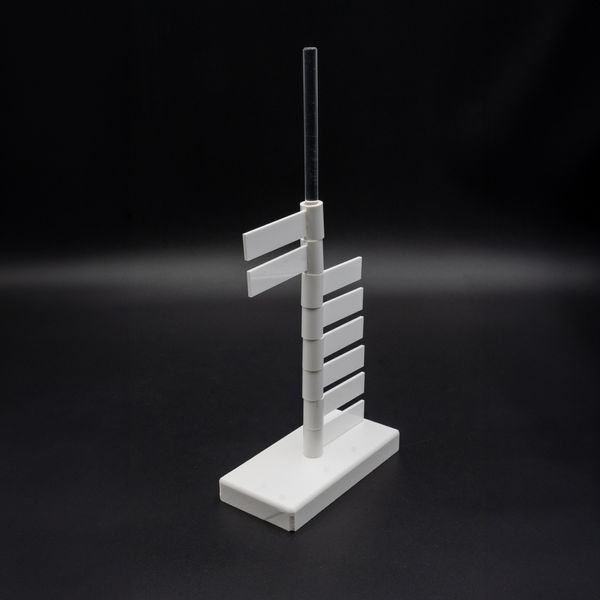
Heath-Clark likes using this initiative tracker at his tables. “It spins delightfully, and is a really great visual reminder of the combat order for everyone at the table,” he says.
New! You can now save this product for later.
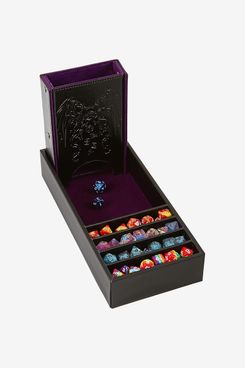
For additional flair when rolling, try a dice tower — you drop the dice into the top and they roll out at the bottom. Wolfe says pulling out a dice tower can be a fun way to get players engaged or to simply make your table look cooler. You can find these at many of the same retailers who sell dice and trays.
New! You can now save this product for later.
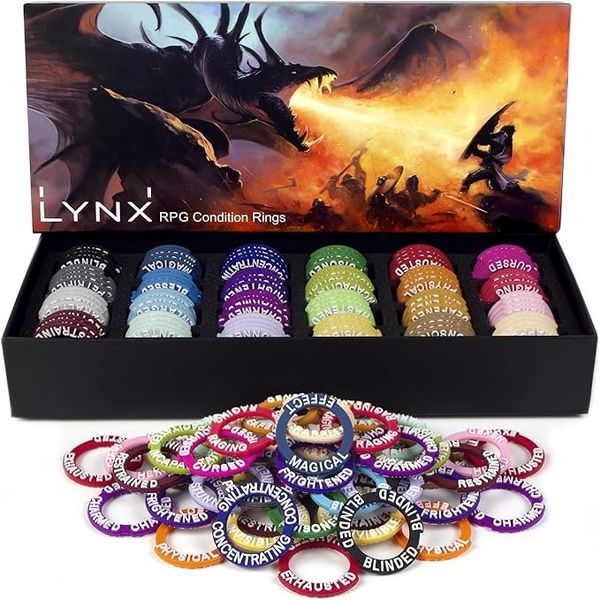
To help players remember when their character has been poisoned, cursed, or is otherwise “modified” in a way that affects what they can do in the game, Wolfe supplies her DMs at Last Place on Earth with these color-coded rings that can be placed onto a player’s mini (or even just in front of them at the table) to mark their condition. “The rings will just help everyone have a clear notion of what’s going on, rather than the DM just being like, ‘Oh no, you can’t do that because you’re poisoned,’” Wolfe says.
New! You can now save this product for later.
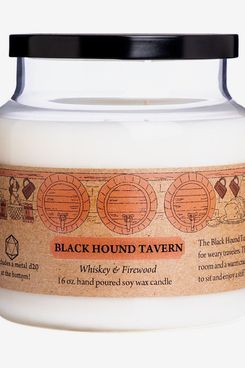
Bilanko likes Cantrip Candles’s scented candles that are designed to “immerse you in a smell environment” while playing. The candles are 100 percent soy wax and come in scents that evoke fantasy settings, such as a forest, a dungeon, or a library. Her favorite is the tavern-scented candle, which she says smells like whiskey and firewood.
New! You can now save this product for later.
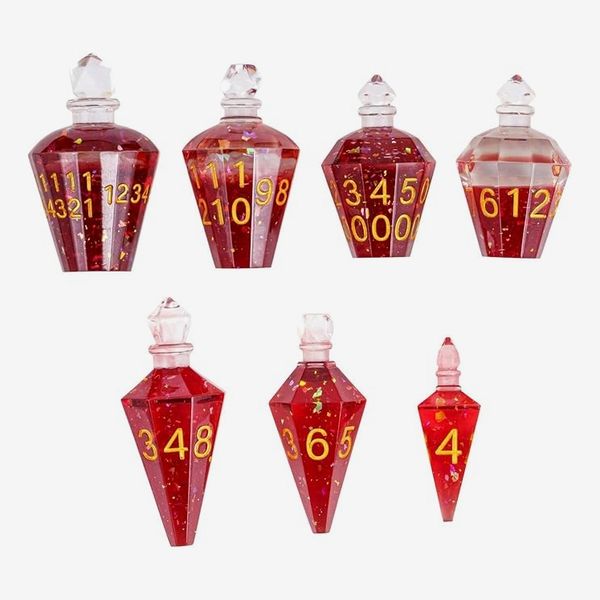
Wolfe also supplies her DMs with healing-potion-shaped dice, which players can roll to determine how much they’ll be healed, as another way to bring the imaginary aspects of D&D into the physical world.
More From The Strategist
- Hark, the Advent Calendars Arrived (Very) Early This Year
- The Best Things Strategist Editors Have Bought This Year (So Far)
- 63 Things You Should Never Buy Full Price
- The Strategist Fall 100
The Strategist is designed to surface useful, expert recommendations for things to buy across the vast e-commerce landscape. Every product is independently selected by our team of editors, whom you can read about here. We update links when possible, but note that deals can expire and all prices are subject to change.