I Designed the Beachwaver
“I’m always thinking about how to make it easier for people to do their hair at home.”
Save this article to read it later.
Find this story in your account’s ‘Saved for Later’ section.
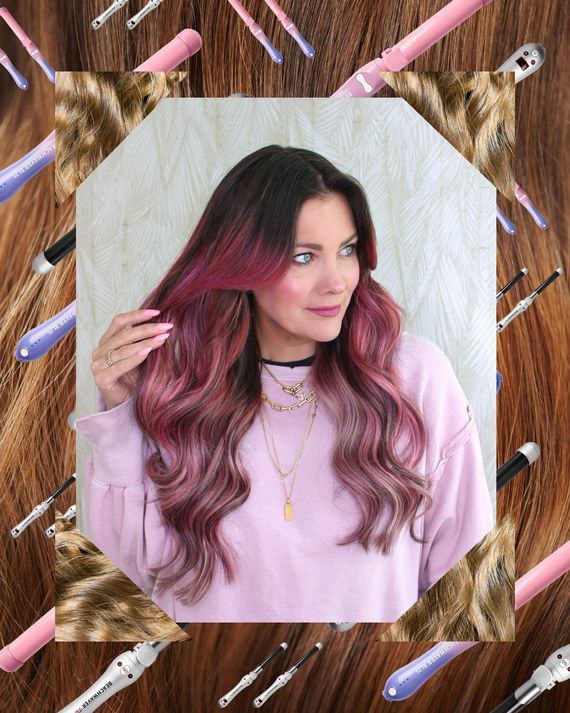
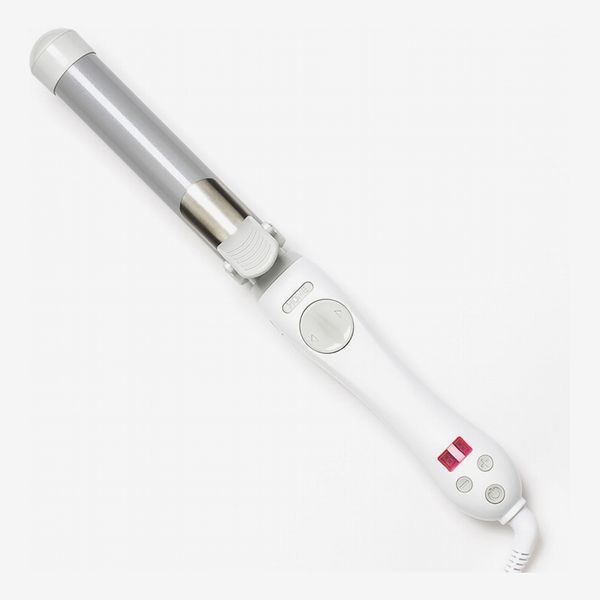
As part of our “I Designed This” series, we spoke with Beachwaver founder and celebrity hairstylist Sarah Potempa about how a complicated styling technique she kept having to explain led to a patented, best-selling curling iron. The idea came to her in 2010, and the brand officially launched in 2012, and has since become a go-to styling tool for both professionals and at-home users.
Potempa walked me through her original hand-sketched design, early prototypes built by engineers she found on Craigslist, the push to manufacture it after a chance meeting with QVC, and how customer feedback shaped each iteration of the Beachwaver.
This conversation has been edited and condensed for length and clarity.
What inspired you to create the Beachwaver?
You might love this: It was the beauty editors. I’d be styling celebrities and doing red-carpet hair, and I was constantly being interviewed about how to get the looks, especially beach waves. I would explain it the same way every time: “Hold the curling iron upside down, wrap the hair backward, and away from your face.” One time in 2010, I was on the phone with an editor, who said, ‘I’m so confused.’ We laughed, but I thought, Oh, my God. It is! It’s a lot easier for me because I’m standing above the person as I’m curling hair.
So I got off the phone, took out a piece of paper, and sketched out this idea that if I were to get the same pattern where that hair wrapped around the rod in a spiral, but you didn’t have to hold it upside down. Then I realized my wrist wouldn’t turn away easily, so I thought, Maybe it has to rotate? I added a little clamp at the bottom that was meant to act like your finger and hold the hair in place for you. I still have the original sketch I created in my apartment. I called it the Beachwaver, and it was almost identical to the original one that launched.
I called my sister, who was a lawyer, and said, “I have an idea for a curling iron. Wouldn’t it be fun if it was a business?” Two weeks later, she quit her job. “I want in,” she said.
What did the first prototype process look like?
We met with a product designer who gave us this amazing ten-page proposal, and quoted us $75,000 to make a prototype. We didn’t have that kind of money, so we asked her if we could take her proposal and try to do it ourselves. She said “yes.” We literally went on Craigslist and found an electrical engineer, a mechanical engineer — we just pieced it all together. We did computer-aided designs, we printed all the parts on a 3-D printer, got the rod from Ace Hardware, added a motor, and soldered everything together. It was so scrappy, but we made two working prototypes for about $5,000. And it actually worked. It curled my hair. That gave us the confidence to keep going.
How did you go from that prototype to actually manufacturing the Beachwaver?
We had no idea what we were doing. I had a meeting with QVC before I had manufactured anything. I was working with Rachel Zoe for an E! segment tied to her launch on QVC and mentioned my idea. It ultimately led to a meeting with the head buyer. I showed my prototype and QVC loved it. Now we had to actually make it.
I started looking at the hair tools I loved and noticed a lot of them were made in Korea. My sister booked a flight and started meeting with different manufacturers. She found a family that had experience making hair tools and they helped us figure everything out, from molds to production and how the whole process works. This was a huge turning point, because it went from just having a prototype that worked to figuring out how to make a product at scale.
How has the design evolved over the years?
The first one we made was the Pro. I made it very high end because I wanted hairdressers to love it. But on QVC, I realized a lot of customers had shorter hair and the barrel was too long. So I created the S series with a shorter barrel and more user-friendly features, like the button that resets the clamp. That made it easier to use. Then we expanded into different barrel sizes based on what people needed.
With the B series, it was about simplifying everything — fewer buttons, even easier to use. Some people want it to be very straightforward. They don’t want to think about it. That’s why that series became our No. 1 selling iron. It’s just easier to understand immediately.
What’s your favorite way to use the Beachwaver?
No one has ever asked me that! I have two. Obviously, I love using it for a classic beachy wave — that vertical curl going away from the face. But I’m also obsessed with using it for a roller set. That actually surprised me. At Fashion Week right after we launched, we used it for Old Hollywood glam, and it saved so much time. You can hold it horizontally, roll it down, clip it, and every curl comes out so consistent. When you brush it out, you get this really beautiful, glamorous wave. That became one of my favorite ways to use it.
So, what’s next for the brand?
We have a new patent on a hair dryer that’s in the works that I’m really excited about. I’m always thinking about how to make it easier for people to do their hair at home.
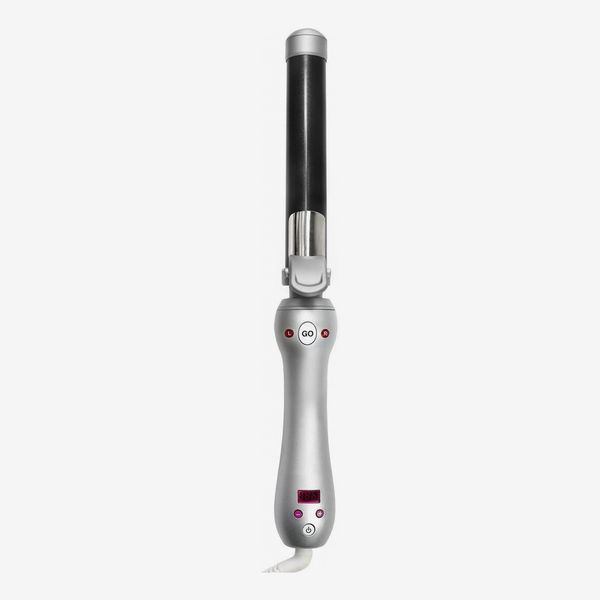
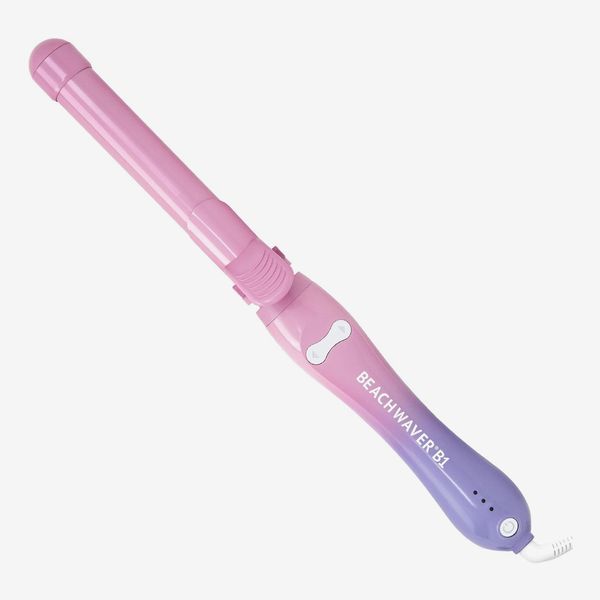
Beachwaver models
More From The Strategist
- Hark, the Advent Calendars Arrived (Very) Early This Year
- The Best Things Strategist Editors Have Bought This Year (So Far)
- 63 Things You Should Never Buy Full Price
- The Strategist Fall 100
The Strategist is designed to surface useful, expert recommendations for things to buy across the vast e-commerce landscape. Every product is independently selected by our team of editors, whom you can read about here. We update links when possible, but note that deals can expire and all prices are subject to change.