Do I Need Hyaluronic Acid in My Nail Polish?

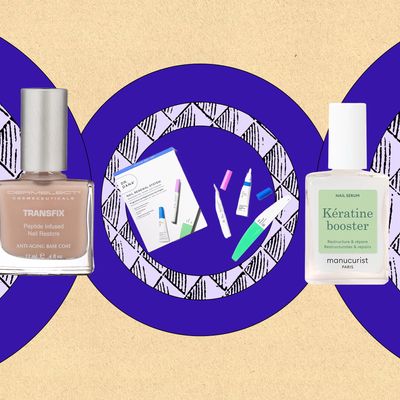
If you read off the list of ingredients from the products currently sitting on my desk — ceramides, alpha-hydroxy acids, hyaluronic acid, and peptides — you’d probably think I’m working on a skin-care story. It’s normal for these tried-and-true skin-care ingredients to show up in skin products — only these are not face creams and serums. They’re nail treatments.
We’ve already seen the skinification of hair and scalp with shampoos, conditioners, masks, scalp scrubs, and serums infused with skin-care ingredients, and it seems the trend has made its way to the nail category. But is skin care for your nails really a thing? Do our nails absorb ingredients? And should you be using these ingredients on your nails? I brought these questions and more to New York–based dermatologist Dr. Dana Stern, who specializes in nail health. According to Dr. Stern, the answer is a bit more nuanced than a simple yes or no.
Yes, some skin-care ingredients can work on nails, according to science
“I’ve been preaching the science of skin care for nails for many years,” says Dr. Stern. “There are some science-backed ingredients that are traditionally thought of as skin-care ingredients that offer benefits for nails, but there are also many touted ingredients that lack real scientific evidence.”
Whether ingredients work on nails has everything to do with nail anatomy. Nails aren’t skin. They’re made up of tightly packed keratinized cells (onychocytes) that form a dense, protective barrier known as the nail plate. That makes absorption inherently different than it is for skin.
That said, it’s not impossible for ingredients to make their way into the nail plate. In general, water-loving or hydrophilic ingredients, like glycolic or other small, water-soluble molecules, are more likely to penetrate the nail than heavier, oil-based ones, which tend to just sit on the surface, says Dr. Stern.
It’s also important to note that some ingredients are designed to bind to the keratin and not penetrate the nail plate. These include proteins such as keratin and soy protein and certain polymers that are used to strengthen and harden the nail.
Which skin-care ingredients should we use on nails?
Dr. Stern says alpha-hydrxoxy acids (AHAs) work well for nails, specifically glycolic acid. “If you were to look at a nail under a microscope, you would see layers of dead nail cells stacked like tiles on a roof,” she says. These cells lift and slough off, creating an uneven nail surface. “This phenomenon is potentially exacerbated by a host of nail cosmetics including polish-remover exposure, prolonged polish wear, nail stickers, gels, acrylics, and dips.” The fix is exfoliation of the nail. “Similar to the skin, exfoliating will remove these layers of dead cells so that the nail can then be effectively treated and hydrated,” she says.
Glycolic acid breaks down the disulfide bonds of nail keratin, which then allows for increased nail hydration. “Glycolic acid is also considered a humectant, which means it helps hold on to moisture,” Dr. Stern says, adding that glycolic peels can be done in the dermatologist office. There are also at-home products with AHAs and glycolic acid in them as well (see below).
For hydration, Dr. Stern says oils rich in phospholipids, such as sunflower oil and Brazil-nut oil, have been shown to increase nail flexibility and combat brittleness and suggests rubbing them on cuticles and nails a few times a week.
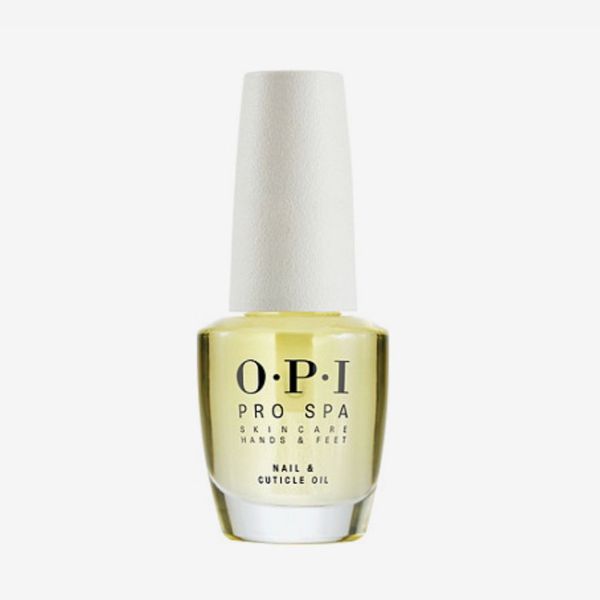
New! You can now save this product for later.
This nail and cuticle oil is made with sunflower-seed, avocado, and grape-seed oils.
So, are all other skin-care nail ingredients just marketing?
Possibly. After reviewing a laundry list of skin-care ingredients showing up in nail products, including probiotics, hyaluronic acid, ceramides, retinol, peptides, and green tea, Dr. Stern says that “there are no studies that show any of these ingredients have topical benefits specifically for nails.” She notes that oral collagen peptides have been shown to improve nail growth and reduce brittleness, but that doesn’t translate to topical application (and also wasn’t a large placebo-controlled study).
That’s not to say the above listed ingredients don’t have any merit. They just haven’t been studied for nails, and their absorption needs to be tested. So, if you’re looking for something that we know works, follow the science.
AHA nail products to try
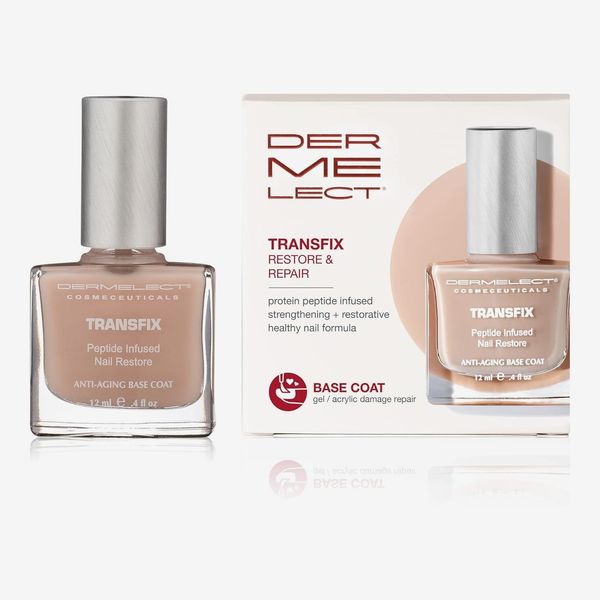
New! You can now save this product for later.
This topical nail treatment contains AHAs to exfoliate, sunflower-seed oil to hydrate, and keratin peptide to bind to the nail and serve as a nail strengthener.
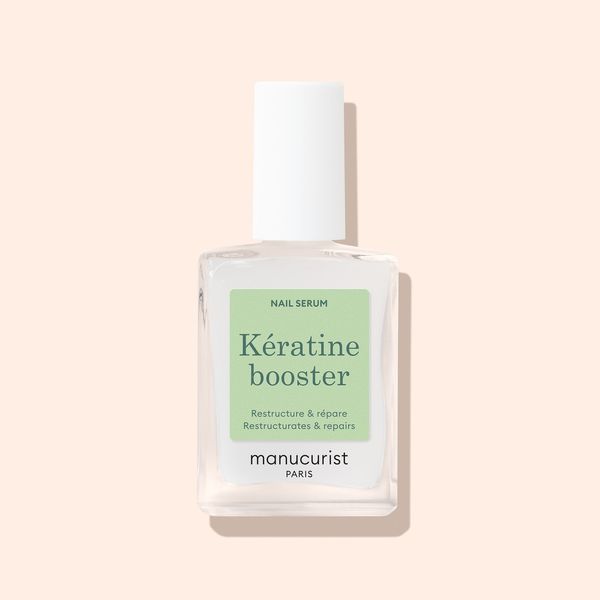
New! You can now save this product for later.
AHAs and a plant-based keratin help create less brittle nails in just two weeks.
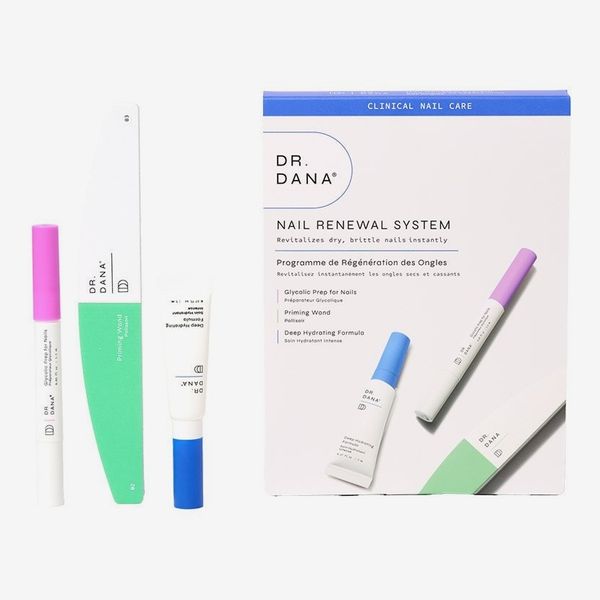
New! You can now save this product for later.
Dr. Stern’s own product line includes a two-step glycolic-acid treatment for nails.
New! You can now save this product for later.
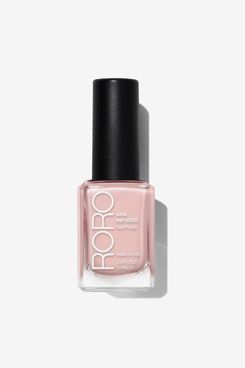
This lacquer line adds AHAs to its nail enamel to encourage cell turnover and better hydration.
More From The Strategist
- Hark, the Advent Calendars Arrived (Very) Early This Year
- The Best Things Strategist Editors Have Bought This Year (So Far)
- 63 Things You Should Never Buy Full Price
- The Strategist Fall 100
The Strategist is designed to surface useful, expert recommendations for things to buy across the vast e-commerce landscape. Every product is independently selected by our team of editors, whom you can read about here. We update links when possible, but note that deals can expire and all prices are subject to change.