What Are You Actually Allergic to in a Perfume? A Dermatologist Explains.


Finding a signature scent — or even just a fragrance you love — usually takes a little trial and error. But if you have a fragrance allergy, the stakes are higher than whether or not you like how a perfume smells. The wrong pick can leave you with an itchy rash or irritated skin, and figuring out exactly what triggered the reaction isn’t always easy. “The challenge is that a perfume may contain dozens, sometimes hundreds, of individual fragrance chemicals, and manufacturers aren’t necessarily required to disclose all of them,” says Sandy Skotnicki, M.D., a Toronto-based dermatologist and author of Beyond the Soap. Adding to the confusion, natural essential oils can trigger allergic reactions just as synthetic ingredients can. So how do you navigate the fragrance counters if you’re prone to reactions? Dr. Skotnicki, who specializes in skin allergies, explains.
How can you tell if you have a fragrance allergy or you’re just sensitive to scent?
Not all reactions are allergic ones. A perfume or a scented lotion can leave your skin itchy, red, or irritated, which could be a sign of a fragrance allergy — or simple irritation. The difference often comes down to how your skin reacts and when symptoms appear. “A true fragrance allergy is a delayed, T-cell-mediated immune reaction,” says Dr. Skotnicki. T cells are a type of immune cell that recognize an allergen and trigger inflammation in the skin. Because this reaction takes time to develop, you might not notice a rash until later that day or even days after exposure. “Once someone becomes sensitized to a particular fragrance chemical, even a small amount can trigger an itchy dermatitis.”
Skin irritation is a bit different. “It doesn’t require an allergy or prior immune sensitization,” she says. In this case, fragrance ingredients, alcohol, and other perfume components can directly irritate the skin, especially if the skin barrier is already compromised. You may experience immediate symptoms, including stinging, burning, and redness. People with eczema, rosacea, or generally sensitive skin may be more prone to this type of reaction, but that doesn’t necessarily mean they have a fragrance allergy.
So how can you find out exactly which ingredient you’re allergic to?
Patch testing is the gold standard for diagnosing allergic-contact dermatitis. “In my contact dermatitis practice, we apply small amounts of standardized allergens to the patient’s back and assess the reactions over several days,” says Dr. Skotnicki. A patch test can help identify specific allergens to avoid, but translating those results into a shopping strategy may still require some detective work.
For years, manufacturers have been allowed to group many individual fragrance ingredients under the terms “fragrance” or “parfum,” making it nearly impossible to tell whether a perfume contains something you’re allergic to. In 2003, the European Union adopted requirements for the individual labeling of 26 recognized fragrance allergens, with the rules taking effect for newly marketed cosmetics in 2005. In 2023, it adopted expanded labeling requirements covering 56 additional allergens, which began applying to newly marketed products in July 2026. Canada has also introduced expanded disclosure requirements for specified fragrance allergens. In the United States, fragrance ingredients can generally still be listed collectively as “fragrance” or “parfum” rather than disclosed individually.
Then how do you shop for perfume if you have a fragrance allergy?
First, know what you’re allergic to. “That sounds obvious, but I see patients who have been told they’re allergic to fragrance without ever having proper patch testing,” says Dr. Skotnicki. “If you have a confirmed allergy to linalool, for example, you need to look for linalool and relevant related substances in products, not simply avoid anything labeled synthetic.”
Also, don’t assume that “natural,” “clean,” or “botanical” means “safe,” she says. Look for brands that provide detailed ingredient information and are willing to answer questions about specific allergens. (By/Rosie Jane, Phlur, and Henry Rose, to name a few, are known to be transparent with fragrance labeling.) “Even with improved labeling regulations, a fragrance ingredient may be present below the disclosure threshold,” she says. “If you have a significant fragrance allergy and the manufacturer can’t confirm whether your allergen is present, I advise avoiding that perfume.”
What about hypoallergenic or allergy-free perfumes?
Fragrances marketed as hypoallergenic or allergy-free may be worth considering, particularly if they’re formulated to exclude recognized fragrance allergens. Hayvn 002 Grace Elevating Perfume, for example, makes fragrances designed to avoid certain potential allergens. “If a company deliberately excludes recognized fragrance allergens, it may reduce the risk of allergic reactions,” says Dr. Skotnicki. “But reducing risk is not the same as eliminating it.” She explains that any fragrance chemical can become an allergen, even if it isn’t currently recognized as a common allergen. The bottom line: Treat “allergy-free” fragrances as a starting point, not a guarantee.
Allergy-free and transparent fragrance brands
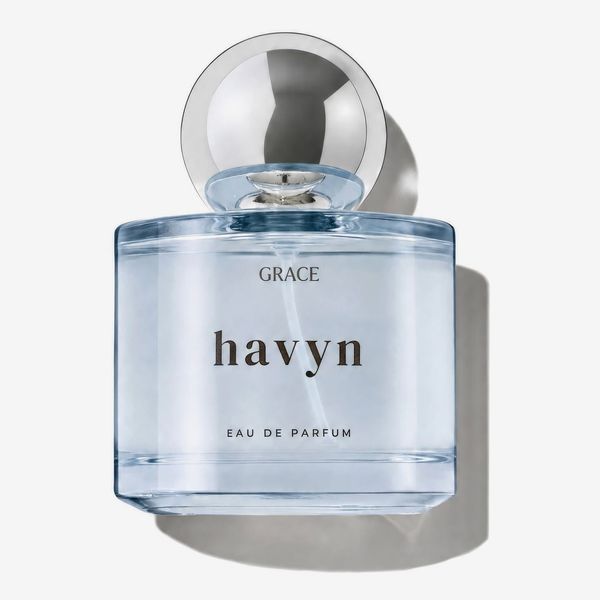
New! You can now save this product for later.
A mix of pear, white lily, and jasmine, this scent is made without 82 E.U. fragrance allergens.
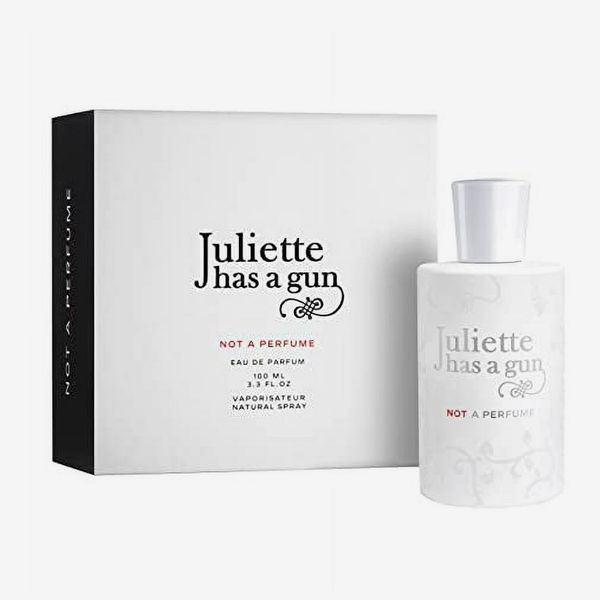
New! You can now save this product for later.
This skinlike scent is made with a single ingredient, Cetalox, and is marketed as allergen-free.
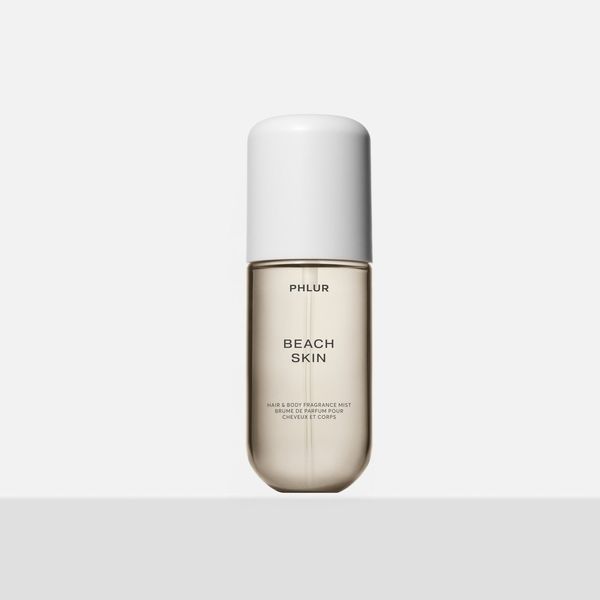
New! You can now save this product for later.
Phlur is committed to radical transparency so you can see if its formulas contain your allergens.
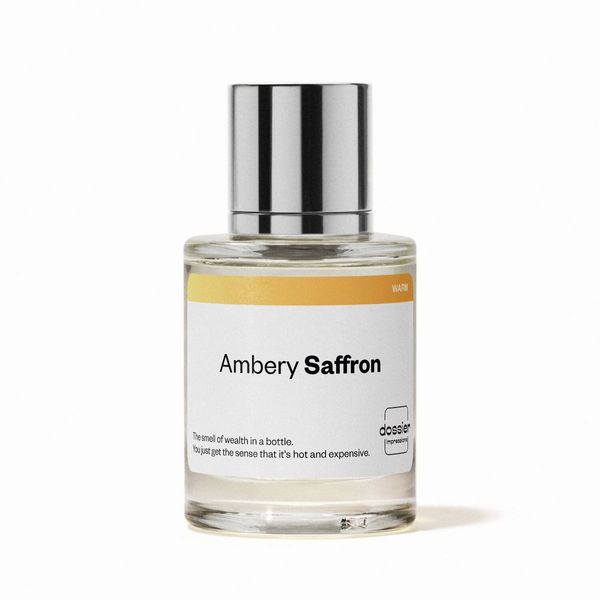
New! You can now save this product for later.
Dossier has a hypoallergenic collection, including its popular amber saffron scent.
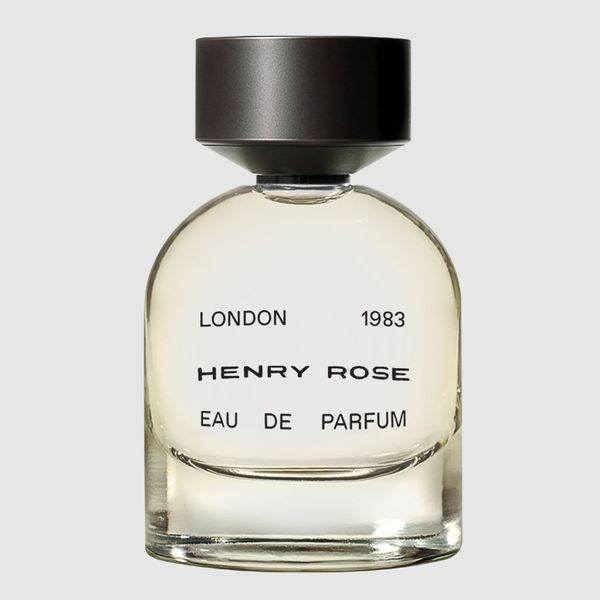
New! You can now save this product for later.
This line backs up its hypoallergenic claims with third-party lab testing and health certifications.
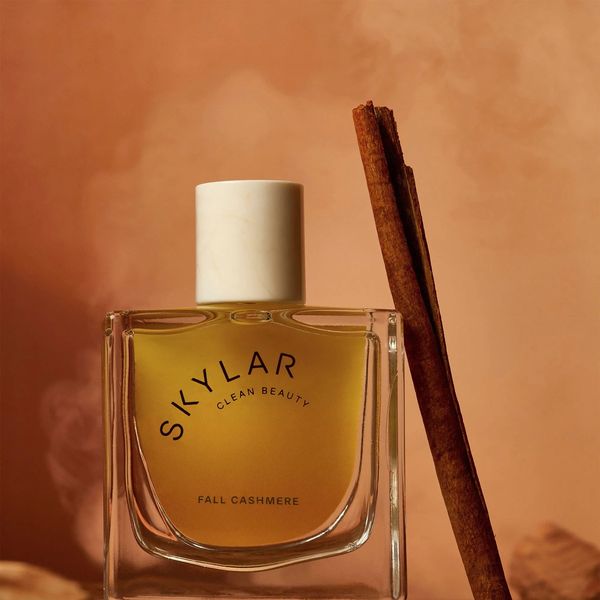
New! You can now save this product for later.
These fragrances are free of 36 known fragrance allergens, artificial dyes, and skin sensitizers.
More allergy-friendly beauty products we’ve written about
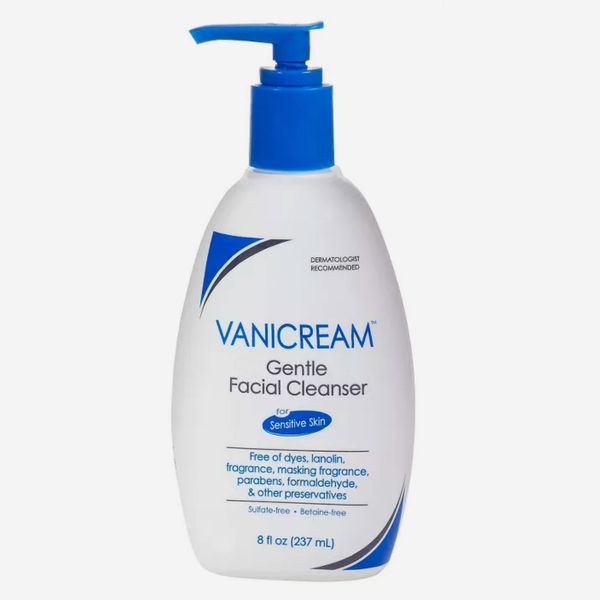
New! You can now save this product for later.
It’s formulated without common irritants and has no fragrance.
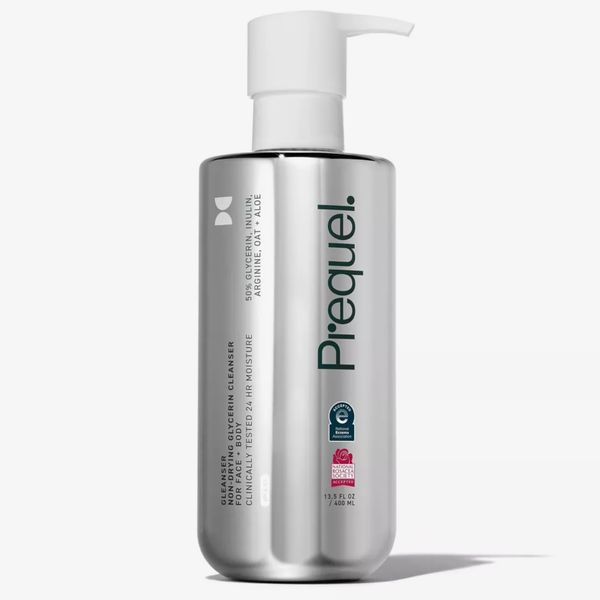
New! You can now save this product for later.
The dermatologst-formulated cleanser is fragrance free and allergy tested.
New! You can now save this product for later.
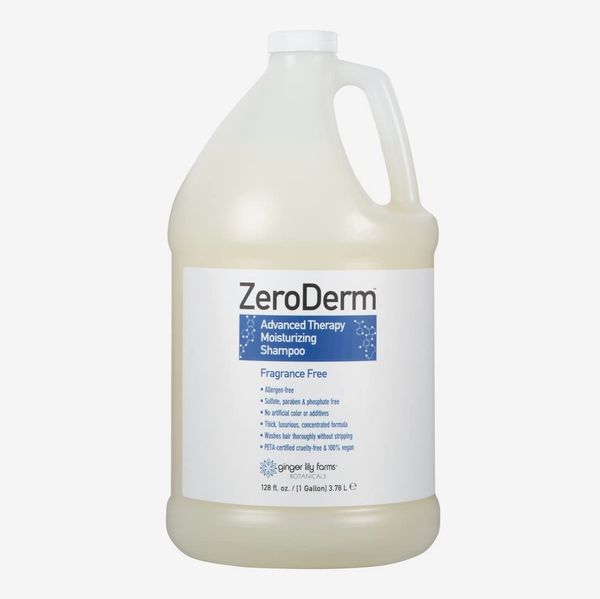
Senior writer Michael Zhao says this fragrance-free shampoo leaves his sensitive scalp itch-free.
More From The Strategist
- Hark, the Advent Calendars Arrived (Very) Early This Year
- The Best Things Strategist Editors Have Bought This Year (So Far)
- 63 Things You Should Never Buy Full Price
- The Strategist Fall 100
The Strategist is designed to surface useful, expert recommendations for things to buy across the vast e-commerce landscape. Every product is independently selected by our team of editors, whom you can read about here. We update links when possible, but note that deals can expire and all prices are subject to change.