Natural Skin-care Ingredients That Actually Work, According to Science


Skin care has never felt more high tech. We have peptides engineered to target specific pathways, sophisticated delivery systems to get ingredients where they need to go, and buzzy biotech ingredients like exosomes and growth factors promising to take skin care into the future. Against all that innovation, botanical ingredients can seem almost primitive — and like a less effective alternative.
I was thinking about this during a recent Tammy Fender facial at the Pridwin Hotel on Shelter Island. Listening to the aesthetician talk about the many benefits of the plant extracts in the products she was massaging into my skin reminded me that botanicals aren’t just a gentle alternative to more potent actives; some have a surprisingly robust body of research behind them.
But “has science behind it” can mean a lot of different things in skin care. An ingredient can have anti-oxidant or anti-inflammatory activity in a laboratory, for example, but that doesn’t mean it will do anything meaningful on your face. “A mechanism in a lab does not translate into visible improvement in someone’s skin,” says dermatologist Dr. Kseniya Kobets, director of cosmetic dermatology at Montefiore Einstein Advanced Care.
There are botanical ingredients that have been studied in humans. The problem is that the evidence is nowhere near as deep, or consistent, as it is for established anti-aging ingredients like retinoids. Some botanicals have promising clinical results; others have one small human study, and many have cell or animal studies, but the ingredient has never been studied on real skin.
So I did a little digging to find the plant-based ingredients with the most compelling evidence for their topical anti-aging benefits. Here are the ones that stood out — and the products you can find them in.
Botanicals worth trying
These are the plant ingredients with the strongest topical human studies.
Soy
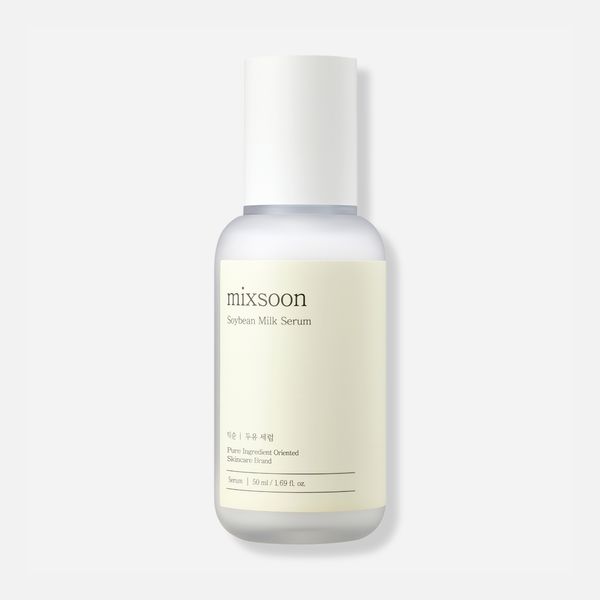
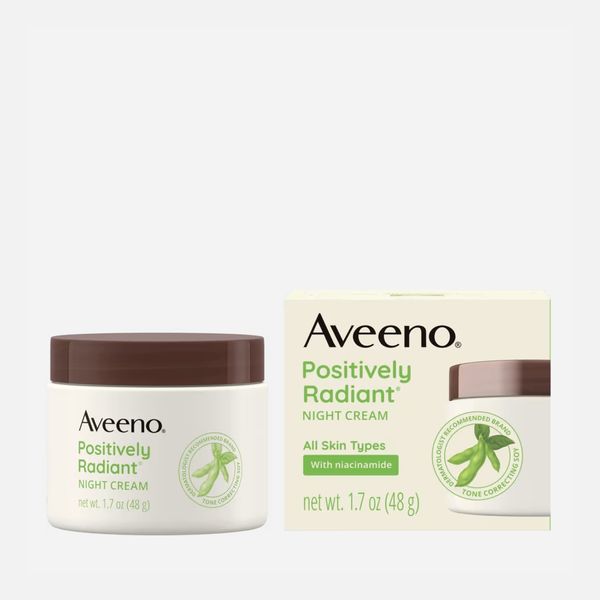
Soy is one of the botanicals with a more convincing clinical track record for topical skin aging. In a 12-week controlled study, 65 women with moderate sun damage on their face used a moisturizer with soy extracts. Compared to the control moisturizer, the soy formula significantly improved fine lines, uneven skin tone, dullness, and texture.
The study was looking at specific compounds that inhibit melanin production, reducing dark spots. So we know soy has more than just an anti-oxidant effect.

New! You can now save this product for later.
New! You can now save this product for later.
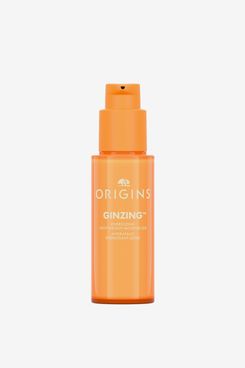
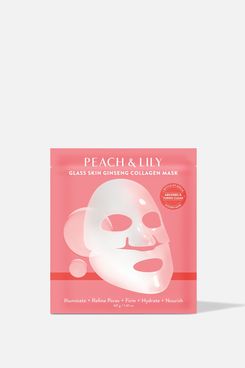
Ginseng
Ginseng is known for its energizing effects and in the skin, it might rev up skin repair. In one randomized, double-blind, placebo-controlled study, 23 women applied a cream with a ginseng extract. After treatment, the women had significant improvements in photodamage, texture, and eye-wrinkle depth. The study is small but important because it was done on real skin and showed measurable results. Additional studies have shown ginseng can also brighten skin tone.
New! You can now save this product for later.
New! You can now save this product for later.
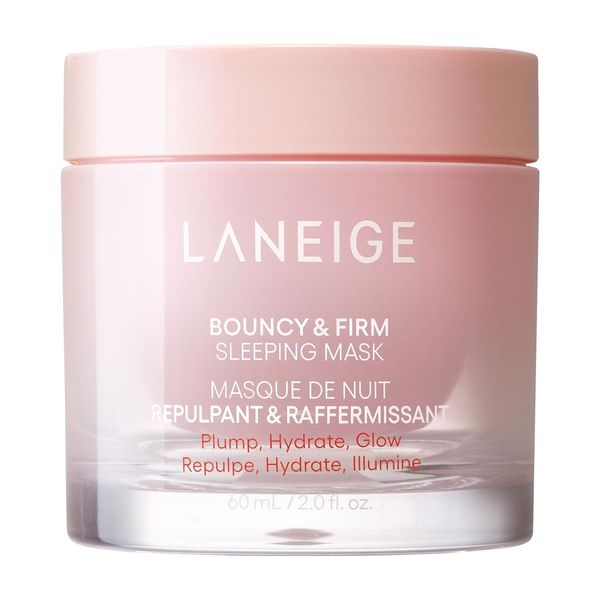
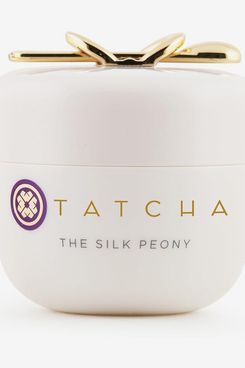
Peony
This is one of the more surprising ingredients on this list, but it has an interesting human study behind it. In an eight-week clinical trial, 20 volunteers used a formulation that contained 0.5 percent paeoniflorin, a compound derived from peony. The study showed statistically significant reduction in facial wrinkles. Researchers also found it has protective effects against UVB rays in lab and animal studies.
A 20-person study is not enough to declare peony the next plant retinol, but the study is notable because it showed measurable changes in wrinkles in human skin.
New! You can now save this product for later.
New! You can now save this product for later.
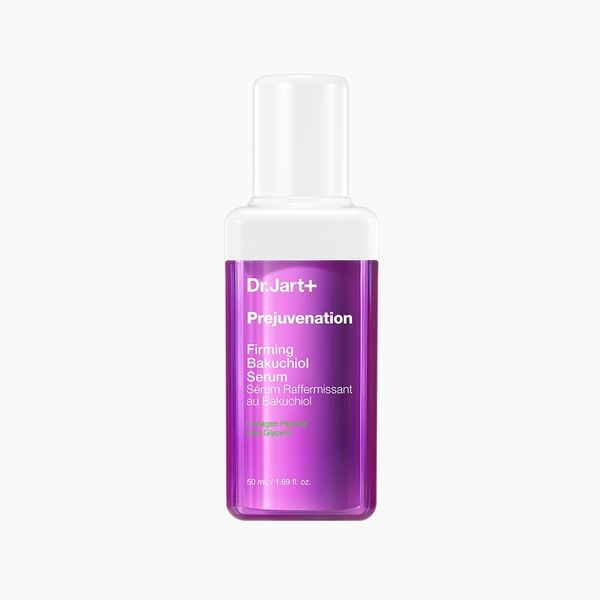
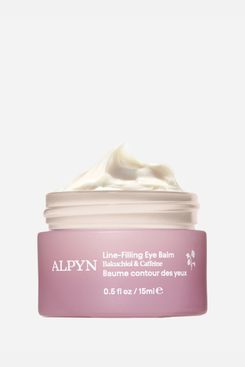
Bakuchiol
This botanical is known as the “natural retinol alternative.” In a 12-week randomized, double-blind study of 44 people, 0.5 percent bakuchiol twice daily was compared to 0.5 percent once daily. Both groups had improvements in wrinkles and hyperpigmentation, but the bakuchiol group didn’t experience the scaling and stinging associated with the retinoid. Bakuchiol is not a retinoid, but it is one of the more interesting plant-derived ingredients for aging skin.
New! You can now save this product for later.
New! You can now save this product for later.
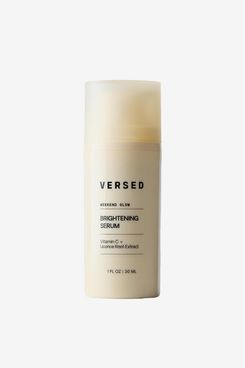
Licorice root
If you scan the ingredients list of a skin-brightener spot product, there’s a good chance it contains licorice. It’s best known for its ability to brighten skin. Compounds in the botanical can help throw a wrench into the pigment-production process, which makes it helpful for hyperpigmentation and conditions like melasma.
In one study of 56 women with melasma, a cream containing licorice had similar results after 60 days to those seen with 2 percent hydroquinone without the risk of side effects.
New! You can now save this product for later.

New! You can now save this product for later.
Very promising but needs more studies
These botanicals have preliminary research behind them — with some important caveats.
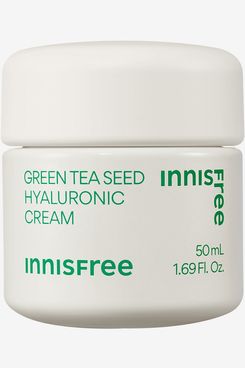
Green tea
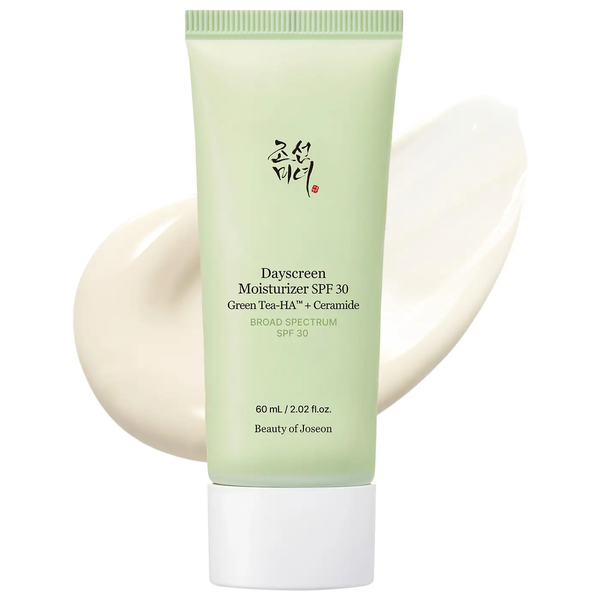
Green tea is a very common plant-based skin-care ingredient. It’s a potent anti-oxidant and has anti-inflammatory properties, but the clinical evidence for skin is mixed. In one study of 40 women, a 10 percent topical green-tea cream along with an oral green-tea supplement found improvement in elastic tissue but no significant improvement in photoaging after eight weeks. A more recent study with 29 women and topical green-tea microparticles showed improvement in skin elasticity, dullness, and wrinkles compared to the placebo after eight weeks. The results are promising but not as strong as more established ingredients.
New! You can now save this product for later.
New! You can now save this product for later.
Frankincense
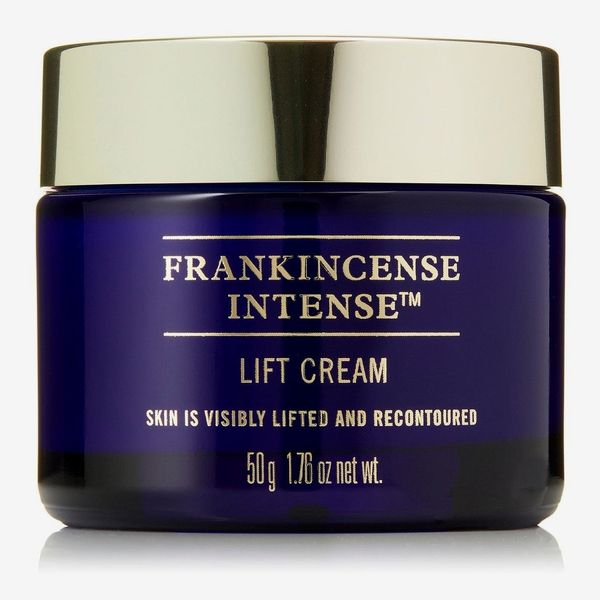
Frankincense has more research behind it than you might expect. In a double-blind, randomized study with 15 women with photoaged skin, a frankincense-infused cream showed significant improvements in roughness, fine lines, and skin elasticity after just 30 days.
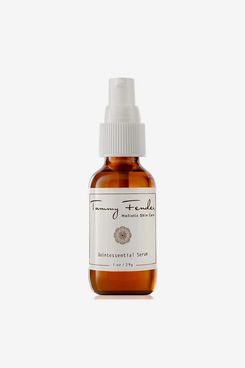
Fender says frankincense is excellent for mature, dry, or stressed skin. “It helps improve tone and elasticity and has anti-oxidant properties, so it’s great against environmental stressors.” And the research does support that.
However, like many other studies done on botanicals, this one is pretty small and was only four weeks long. “Frankincense has some interesting anti-oxidant and anti-inflammatory data, and laboratory and animal studies suggest it may decrease collagen-degrading enzymes,” says Dr. Kobets. But because there isn’t strong human clinical evidence yet, she would consider the anti-aging claims preliminary.
New! You can now save this product for later.
New! You can now save this product for later.
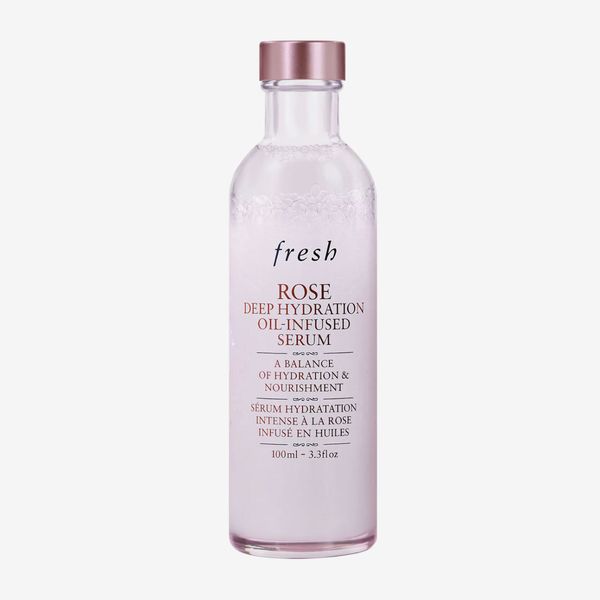
Rose-hip-seed oil
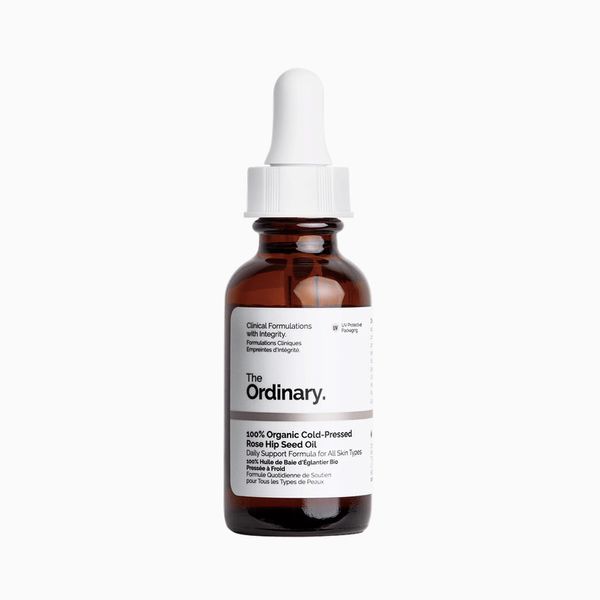
Rose-hip-seed oil is one of Fender’s favorite botanicals for skin. “It’s rich in fatty acids, carotenes, and anti-oxidants, so it’s great for regeneration and repair,” she says. Human studies have shown improvements in wrinkles, hydration, and elasticity, but as you might have guessed, these studies are small and preliminary.
Kobets also considers rose hip one of the more interesting botanicals but says the strongest studies we have was done are with oral rose-hip powder rather than topical rose-hip oil.
New! You can now save this product for later.
New! You can now save this product for later.
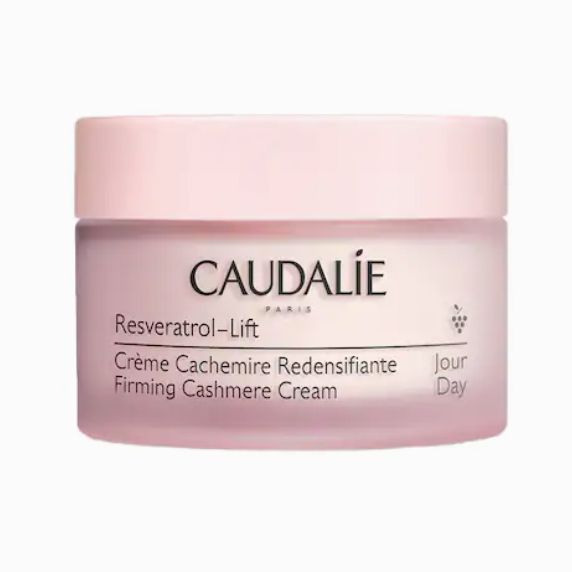
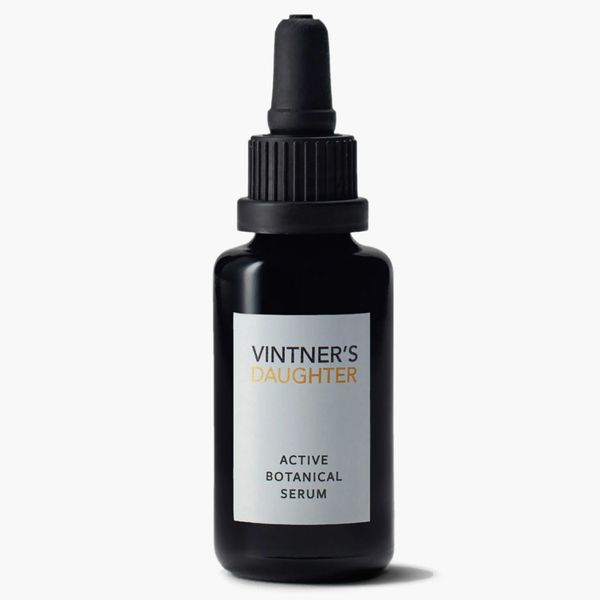
Grapeseed oil
“Grapeseed oil is lightweight, anti-oxidant-rich, and easily absorbed, making it particularly helpful with combination and oily skin,” says Fender. It’s rich in polyphenols, including proanthocyanidins, which have anti-oxidant and anti-inflammatory properties, which may help protect collagen and elastin from UV-related damage.
There is some topical research, including a small 12-week split-face study of a grapeseed-oil gel that showed improvements in pigmentation, redness, sebum production, and pore measurements.
New! You can now save this product for later.
New! You can now save this product for later.
My final thoughts on plant-based ingredients
After researching this story, my takeaway is that skin care doesn’t have to be all or nothing. I use plenty of products with plant-based ingredients (that Tammy Fender Quintessential Serum is one of my favorites when my skin is dry), but I’m also a believer in well-studied ingredients such as retinoids. There’s room for both — at least in my daily routine.
More plant-based products we like
New! You can now save this product for later.
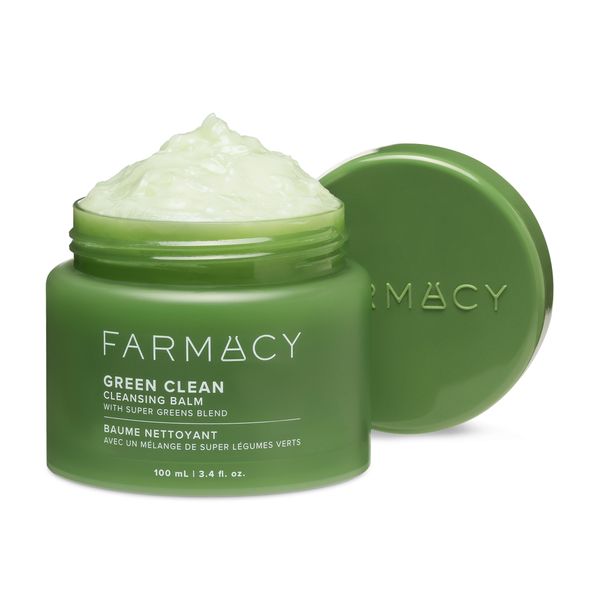
Super-greens, papaya, and sunflower-oil cleanse skin without stripping.
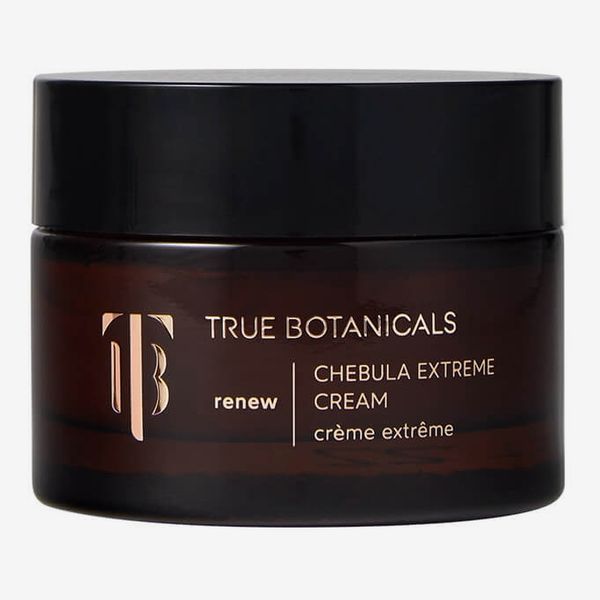
New! You can now save this product for later.
Green tea, rose-hip-seed oil, and chebula fruit deeply hydrate dry skin.
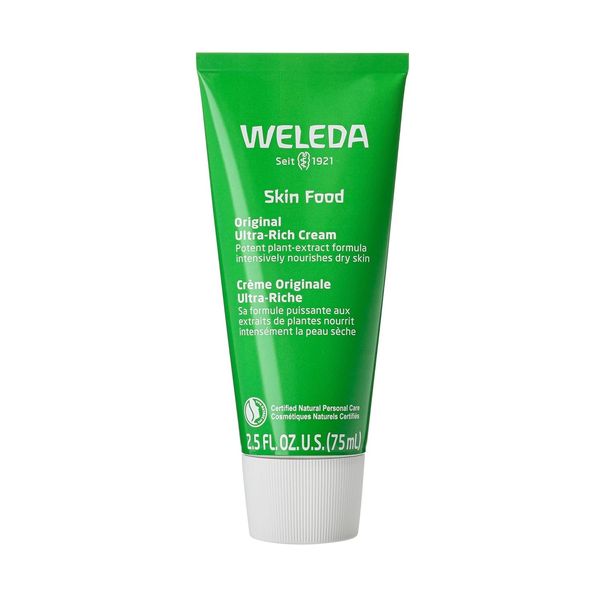

New! You can now save this product for later.
This rich cream is made with many botanicals, including rosemary, chamomile, and sunflower-seed oil.
More From The Strategist
- Hark, the Advent Calendars Arrived (Very) Early This Year
- The Best Things Strategist Editors Have Bought This Year (So Far)
- 63 Things You Should Never Buy Full Price
- The Strategist Fall 100
The Strategist is designed to surface useful, expert recommendations for things to buy across the vast e-commerce landscape. Every product is independently selected by our team of editors, whom you can read about here. We update links when possible, but note that deals can expire and all prices are subject to change.