How Do Skin-Care Ingredients Actually Get Into My Skin?


When we talk about skin-care products, the conversation is almost always about ingredients: vitamin C, peptides, retinol, growth factors, etc. But something just as important is rarely mentioned: the product’s delivery system. Even the most promising ingredient can’t do much if it can’t remain stable in the formula or can’t get into the skin in the first place. That’s where delivery systems come in.
Think of delivery systems as the behind-the-scenes technology that helps an active ingredient stay active and get where it’s supposed to go. Depending on the system, it can protect an ingredient from degradation, control how quickly it’s released, improve its ability to interact with the skin, or help it get past the skin barrier. “There isn’t one best delivery technology,” says cosmetic chemist Julie Pefferman. “There’s a best approach for the problem you’re trying to solve.”
The catch? Delivery systems aren’t always something you’ll see prominently called out on a product label. You may know you’re buying growth factors or a peptide but not necessarily how the ingredient will get into your skin. So we’re breaking down some of the most common and effective delivery systems, explaining what they do, and highlighting products that use them.
Tried-and-true delivery: Proven science that works
Encapsulation
The basic idea: Put an active ingredient inside a protective shield.
Encapsulation is one of the broadest, most established delivery strategies. “You’re basically putting an ingredient into a little protective package,” says Pefferman. This “package” can help shield an ingredient from things that can degrade it, such as oxygen or light, and in some systems can also control how quickly the ingredient is released once applied to the skin.
This can be particularly useful for finicky or irritating actives, such as retinol, vitamin C, and salicylic acid, that you want to shield from light or oxygen or slow their release onto the skin to prevent irritation.
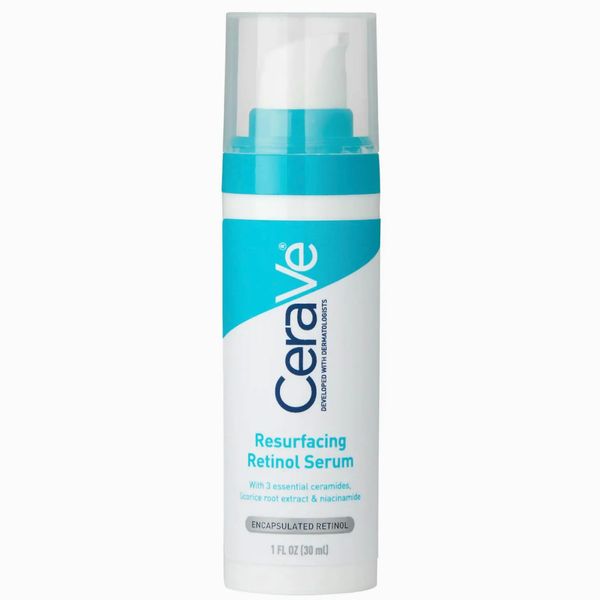
New! You can now save this product for later.
Encapsulated retinol gets deeper into the skin and releases more slowly, while niacinamide, ceramides, and licorice-root extract calm, hydrate, and brighten skin.
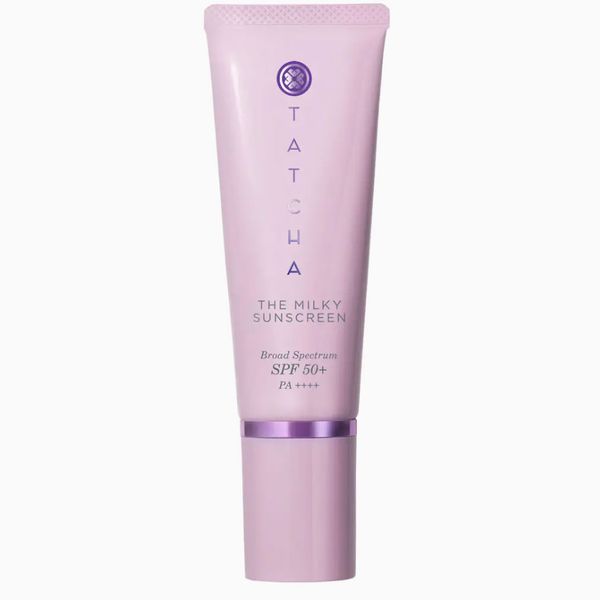
New! You can now save this product for later.
Tatcha’s sunscreen includes a lipid-capsule delivery system that carries calming ectoin and hydrating vitamin E into the skin.
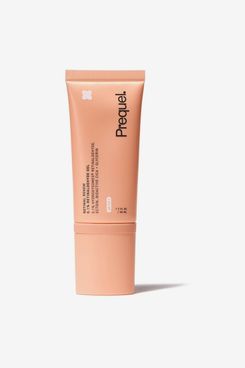
New! You can now save this product for later.
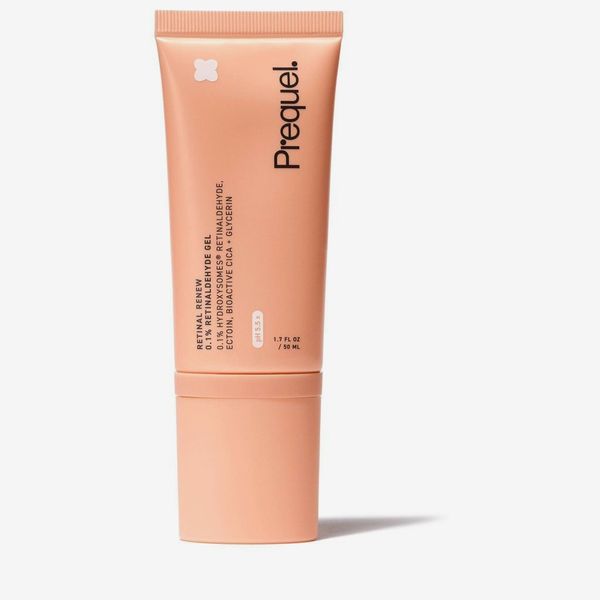
Retinal encapsulated in Hydroxysomes, which are like microscopic sponges made of calcium that transport retinal deeper into the skin, where it can be released slowly to minimize irritation.
Liposomes
The basic idea: Use tiny lipid spheres to act as carriers for an active ingredient.
Liposomes are a type of encapsulation. “They’re like tiny bubbles made from lipids that are found on the skin,” says Horacio Cabrera, vice-president of R&D at DMI Solutions, a provider of beauty and personal-care manufacturing services. Liposomes can surround water- or oil-soluble ingredients. Because skin’s outer layer is also rich in lipids, liposomes play nicely with skin and can help get the ingredient through the barrier instead of just sitting on top.
“Some studies have shown liposomal delivery can improve penetration by two to five times compared with conventional formulations,” says Dr. Sam Ellis, a dermatologist and founder of Prequel.
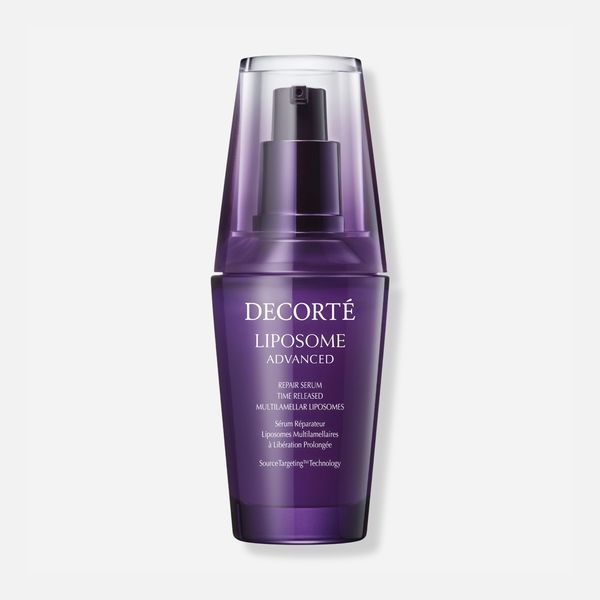
New! You can now save this product for later.
This serum contains 1 trillion bio-liposomes with hyaluronic acid and ceramides immersed.
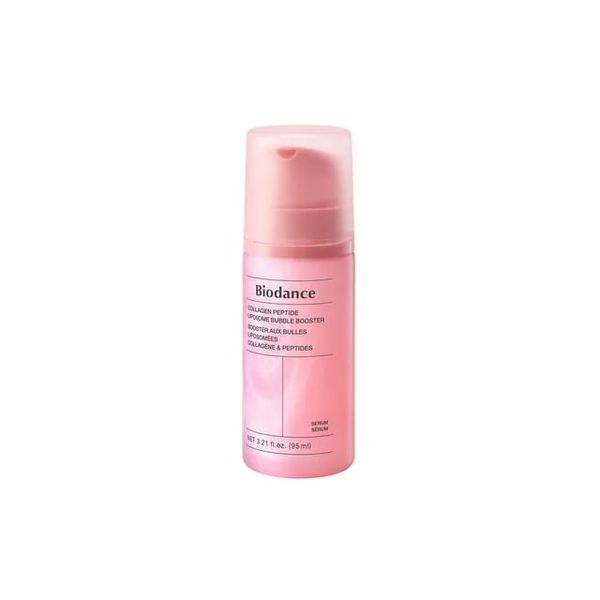
New! You can now save this product for later.
Liposome technology delivers ceramides, collagen, and peptides deeper into the skin.
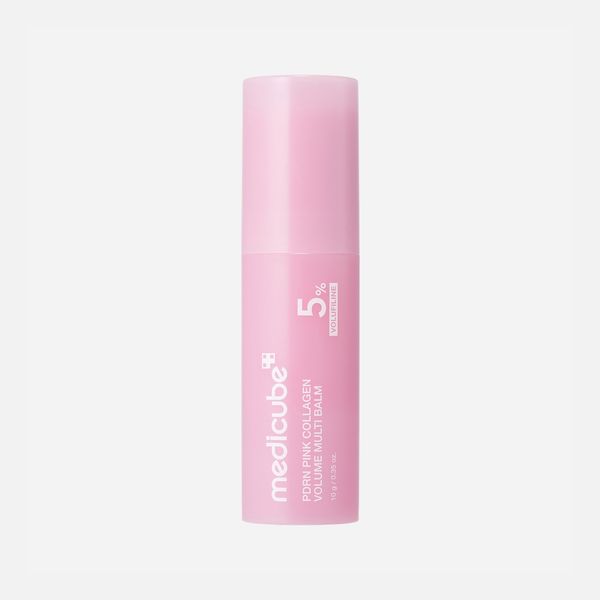
New! You can now save this product for later.
This K-beauty balm encapsulates PDRN and EGF (epidermal growth factor) in liposomes to get them into the skin because they’re typically too large to pass through the skin barrier.
Protective product packaging
The basic idea: Protect the formula and the dose until the moment it’s used.
“Packaging can make or break a product’s efficacy over its shelf life,” says Dr. Ellis. “For oxidation-sensitive ingredients like vitamin C or retinol, repeated exposure to oxygen can degrade the product over time.” An airless pump can reduce exposure to oxygen and contamination, opaque packaging can protect ingredients from sunlight, and dual-chamber packaging can keep actives that don’t play well together separate until they’re applied to skin.
Powder-to-liquid and single-dose fomulas work similarly. Vitamin C in powder form can be activated with liquid and used immediately, sidestepping the risk of the unstable ingredient degrading in the bottle. Similarly, “single-dose packaging protects the formula during storage and ensures the consumer receives the intended dose in a stable and hygienic form,” says Cabrera.
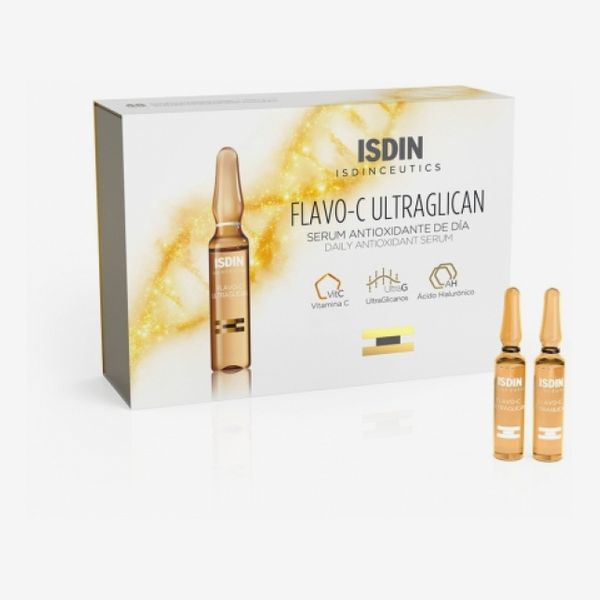
New! You can now save this product for later.
The sealed individual glass vials prevent air and sunlight from breaking down vitamin C before it even gets onto your skin.
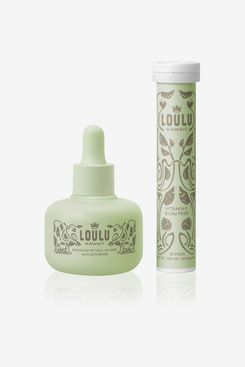
New! You can now save this product for later.
The individual solid vitamin C pods get activated in the palm of your hand with just a few drops of the activator so it’s stable with every application.
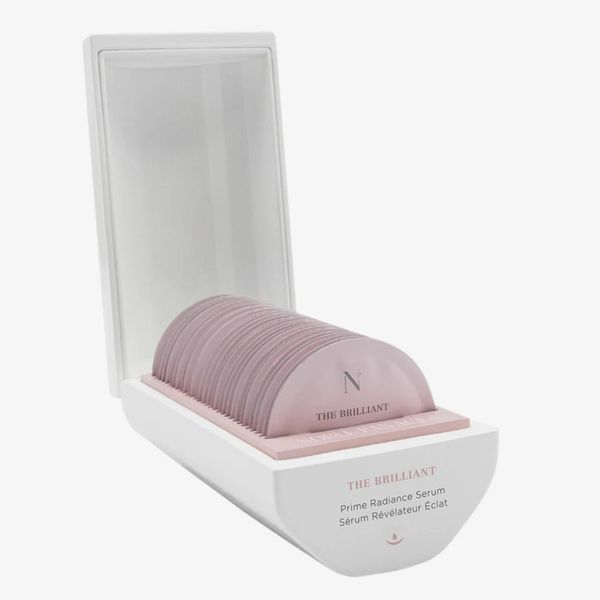
New! You can now save this product for later.
Noble Panacea is known for its single-dose packaging. Each packet contains bakuchiol (a plant-based ingredient that works similarly to retinol), exfoliating glycolic acid, and malachite, a copper-rich mineral.
Promising delivery: Backed by solid science
Microneedle patches
The basic idea: Create microchannels in the skin’s outer barrier so ingredients can get through.
Microneedle patches take a more literal approach to delivery. Instead of trying to coax an ingredient through the skin barrier, tiny dissolving needles create pathways through the outer barrier. “They’re useful for targeted treatment for concerns such as fine lines or hyperpigmentation,” says Dr. Ellis.
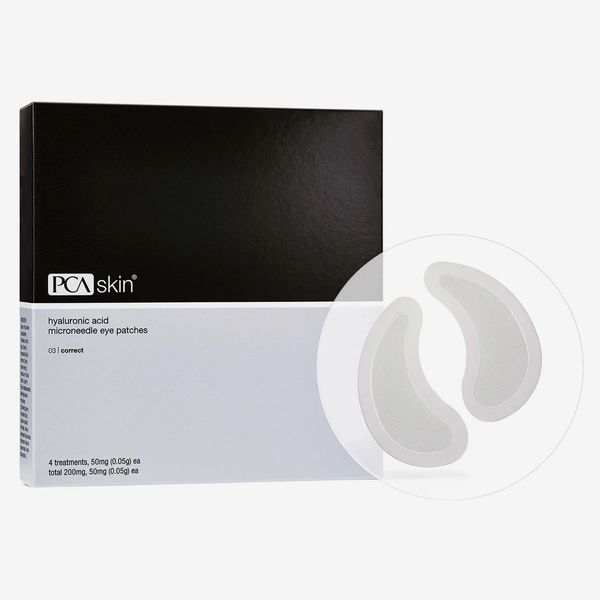
New! You can now save this product for later.
These eye patches contain over 1,200 self-dissolving microneedles infused with hyaluronic acid to create “micropores” that get the ingredient deeper into the skin.
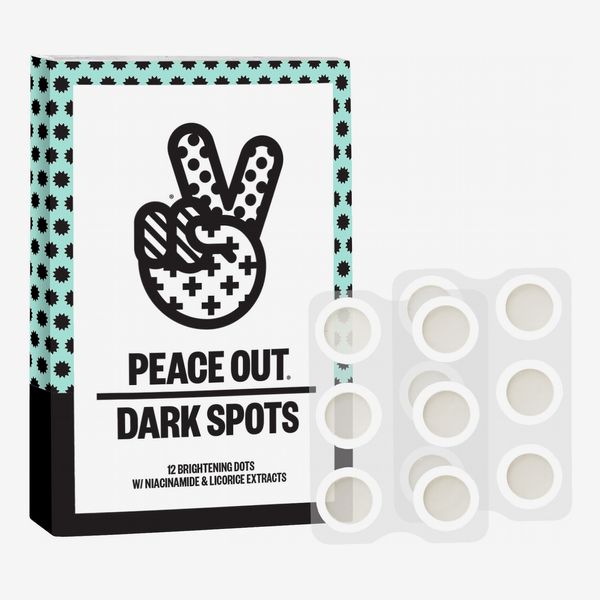
New! You can now save this product for later.
The hylauronic-acid spheres in these dark-spot patches get a slew of brightening ingredients into the skin, including niacinamide, tranexamic acid, ferulic acid, phytic acid, arbutin, and licorice-root extract.
Nanoemulsions
The basic idea: Make extremely small droplets to improve penetration.
Some ingredients don’t dissolve easily into a formula or have trouble getting through skin’s outer barrier because of their size. A nanoemulsion breaks oil into tiny droplets that can keep the ingredients evenly mixed throughout a formula or get them into the skin easier.
Coenzyme Q10 is a good example. Because it’s oil-soluble, it can be difficult to formulate and deliver, so nanoemulsions have been developed to remedy that.
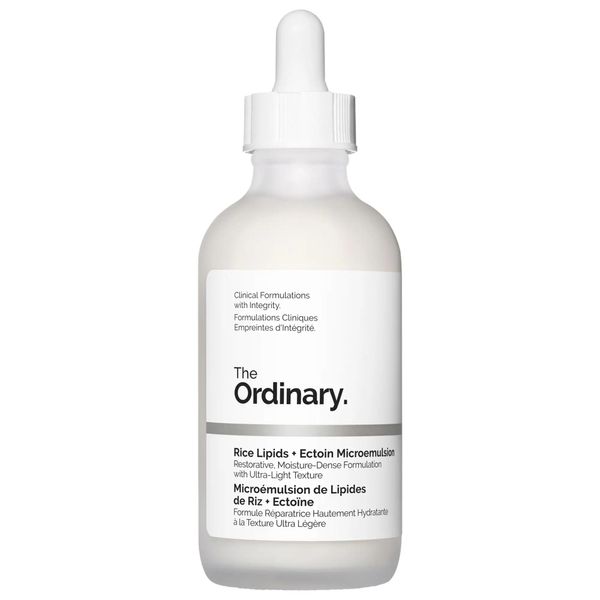
New! You can now save this product for later.
This moisturizer includes microdroplets of rice lipids, ectoin, and amino acids.
What’s next: These delivery systems make sense but need more proof
Exosomes
The basic idea: Tiny packages that send signals to skin cells.
Exosomes are the buzziest (but also the most confusing) example of a delivery system right now. Exosomes are like microscopic packages that carry proteins, lipids, and genetic material that helps cells communicate with one another. In skin care, exosomes are being used as a way to deliver signals to skin cells, telling them to reduce inflammation, repair, produce collagen, etc.
Unlike other delivery systems, exosomes aren’t just carrying an ingredient; they’re designed to carry biological signals. Because they’re the new kids on the delivery-system block, exosomes have been met with skepticism. Pefferman points out that they’re fascinating for regenerative medicine and aesthetics, “but there’s a big leap between saying exosomes have fascinating biological functions and saying, ‘I put some exosomes into this serum; therefore, I’m going to get those biological effects,’” she says. All our experts agree that more studies are needed on exosomes.
New! You can now save this product for later.
Exosomes in this serum deliver proteins, growth factors, peptides, nucleic acids, and anti-inflamamatory lipids into the skin to speed up cell turnover, stimulate collagen, and influence cells to act younger.
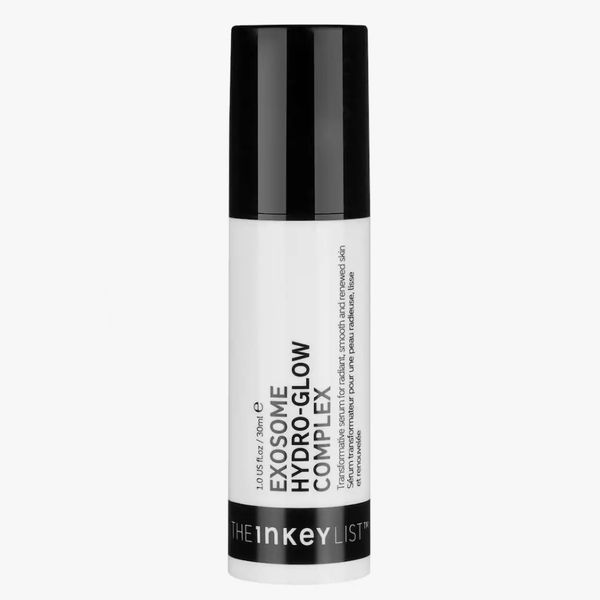
New! You can now save this product for later.
Cica exosomes deliver Q10, hyaluronic acid, tripeptides, ectoin, and more to brighten and hydrate skin.
Spicules
The basic idea: Use microscopic needles dispersed through a product to penetrate the skin barrier.
Spicules are a K-beauty innovation that has gained popularity recently. They are microscopic needlelike structures, often derived from marine sponges, that are dispersed through a topical product. They create a prickling sensation when applied.
Pefferman finds spicules fascinating because they sit somewhere between an ingredient and a delivery system, but she’s skeptical of claims that aren’t backed by data. “Feeling a lot of prickles on skin doesn’t prove your active gets where it needs to go,” she says. In other words, more research is needed to know if spicules really deliver.
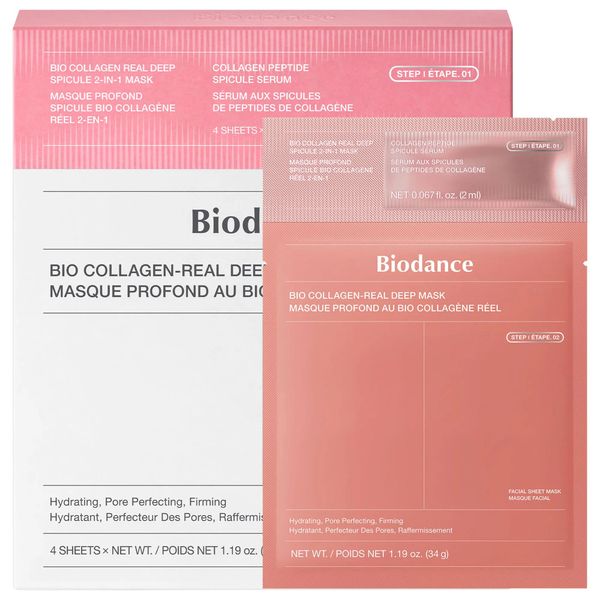
New! You can now save this product for later.
The first step of this two-part mask includes a spicule-infused collagen-peptide serum.
New! You can now save this product for later.
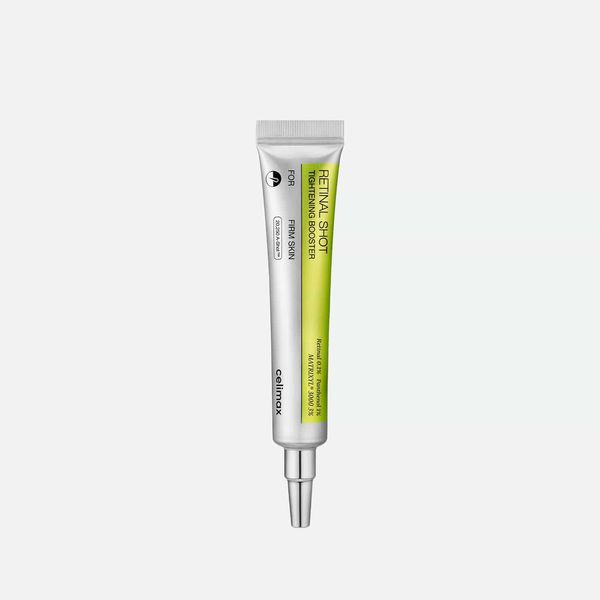
In this retinal treatment, spicules help nano-size retinal get deeper into the skin.
My final thoughts on delivery systems
A fancy delivery system on its own isn’t a reason to buy a product, but when it solves a real formulation problem, it can be the difference between an impressive ingredient on a label and an ingredient that’s actually doing something. I’ve been using the Loulu Hawaiʻi Pod Power Duo because I know vitamin C is terribly unstable and most formulas on the shelves aren’t doing anything for the skin. I now know what I’m getting is active every time. I’m also a fan of encapsulated-retinol products. My skin can be on the sensitive side, and a gradual release of the formula helps with the irritating and drying side effects. As for the newer exosomes and spicules, I’ve tried products with both, but I would like to see more science come out about their effectiveness before I spend a lot of money to incorporate them into my skin-care routine.
My top picks
New! You can now save this product for later.
This gel contains encapsulated retinal that is released slowly into the skin.
New! You can now save this product for later.
Liposomes deliver ceramides, collagen, and peptides into the skin.
New! You can now save this product for later.
Single-dose glass containers block exposure to light and air so vitamin C stays stable.
More From The Strategist
- Hark, the Advent Calendars Arrived (Very) Early This Year
- The Best Things Strategist Editors Have Bought This Year (So Far)
- 63 Things You Should Never Buy Full Price
- The Strategist Fall 100
The Strategist is designed to surface useful, expert recommendations for things to buy across the vast e-commerce landscape. Every product is independently selected by our team of editors, whom you can read about here. We update links when possible, but note that deals can expire and all prices are subject to change.