A Beginner’s Guide to Fountain Pens (According to an Obsessive)
Welcome to Stationery Week on the Strategist, where we’ve been obsessively researching and testing office supplies — everything from pens, pencils, and paper to task chairs. For more, head to our Stationery Week hub.
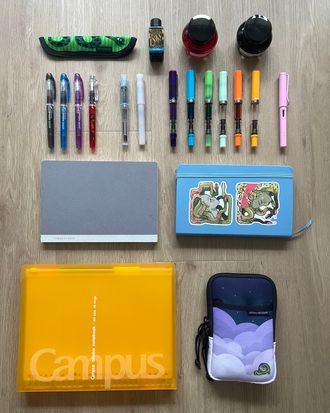
Though I had grown up seeing my dad always using them, my own obsession with fountain pens started a little over three years ago, when I ordered my first pen, a jade-colored TWSBI Eco. It made writing so much more enjoyable, the feedback and friction of the tip against paper made it easier to control and my writing more legible, and I liked finally having a pen that wasn’t as disposable as the ballpoints and Flair felt tips I’d been using. I have since amassed a collection of 21 fountain pens, everything from the inexpensive Platinum Preppy (more on that below) to the high-end Sailor Pro Gear Slim with its 21-karat-gold nib. And now, these are all I write with.
If you’re looking to get your first fountain pen, just choosing your writing instrument can feel daunting — there are so many options. Through trial and error and many hours of research (mostly watching videos from retail specialists like JetPens, Yoseka Stationery, Atlas Stationers, and Fahrney’s Pens as well as stationery YouTube), I’ve learned a lot about which pens are most beginner-friendly and what paper, ink, and other accessories will make the most of these writing tools.
One note: Part of using fountain pens is regular maintenance. They should be cleaned every time you refill them with new ink. You submerge the nib into filtered water in a measuring cup and rinse the feed and the filling mechanism. Then you use a blunt-nose syringe with more water to flush and remove any dried-out ink. It’s important to keep your fountain pens capped when not in use to prevent the nib from drying out. But if it does dry out, you can always use some filtered water to get the ink flowing again.
Pens
When choosing your pen, the first thing to consider is how you want it to handle ink — this is called the filling system. The two most beginner-friendly options are cartridge and piston: Cartridge is the easiest to use and most similar to refillable ballpoints. Just like with those, you refill the ink by replacing the cartridge in the barrel with a new one, and you’re ready to write. The downsides to cartridges are you’re more limited in ink options and pen-makers often have their own proprietary cartridges. The piston type is a mechanical system that has more of a learning curve and requires more maintenance, but it works with any bottled ink, allowing for a much wider range of colors and inks you can use. There are also converters, which take cartridge pens and convert them into piston or other ink-filling types. A converter costs about as much as a cheap cartridge pen (or about $10).
The second thing to consider is nib size. Just as with gel and ballpoint pens, you can choose the fineness of your line. Most fountain pens have a fixed nib, but there are specific brands and pens that have interchangeable ones. If you don’t know what your preference is yet, you can start with a Japanese medium (M) or a European fine (F), which create a line similar to a ballpoint’s. If you like a finer line, akin to that of Sakura Pigma Micron Fineliners, then you should start with a Japanese fine (F) or even smaller.
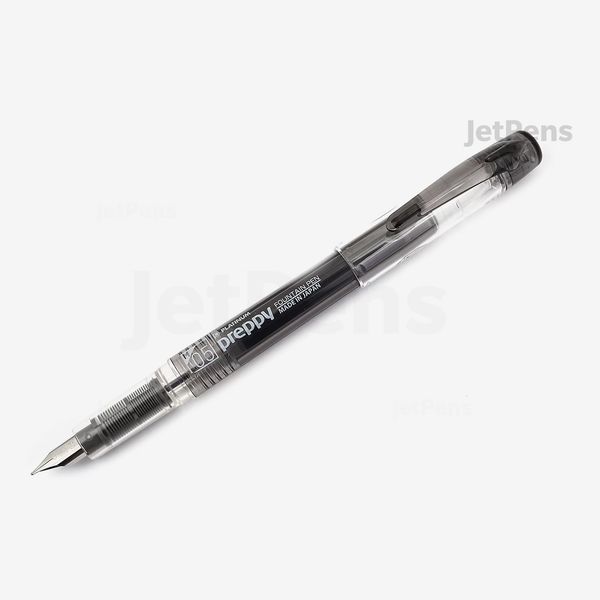
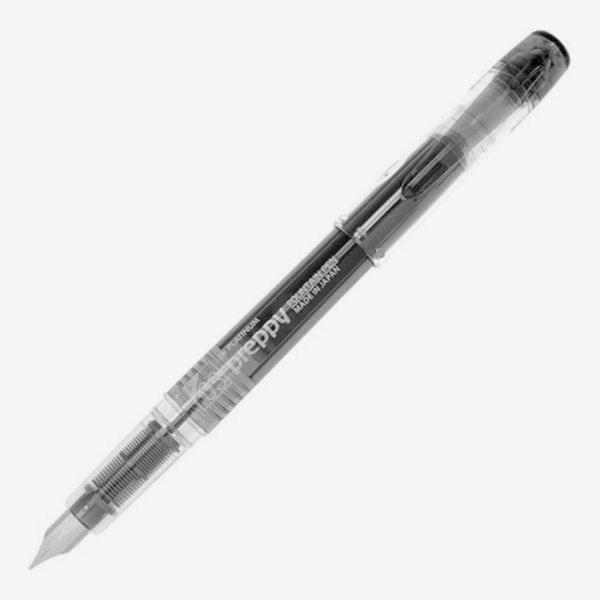
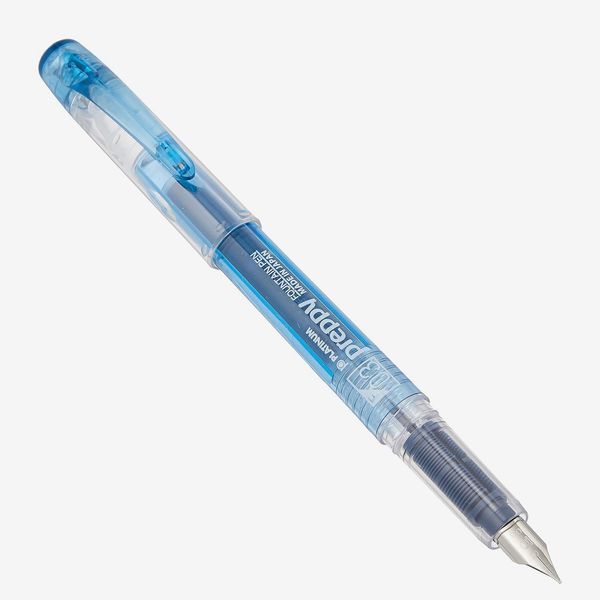
The best beginner fountain pen is the Platinum Preppy. It comes in a selection of nib sizes to get you started and a handful of colors. It is the cheapest Japanese starter pen that takes cartridges (Platinum ones only), but it is also good-enough quality that it should last you for years. There are also converters available for it if you decide you want to try bottled ink.
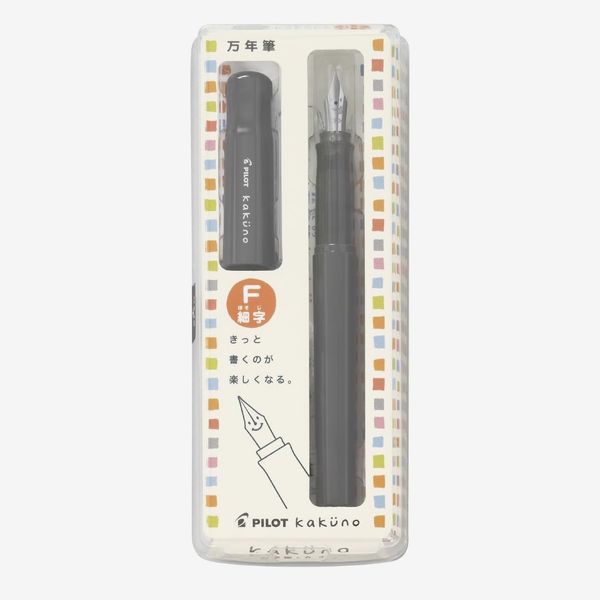
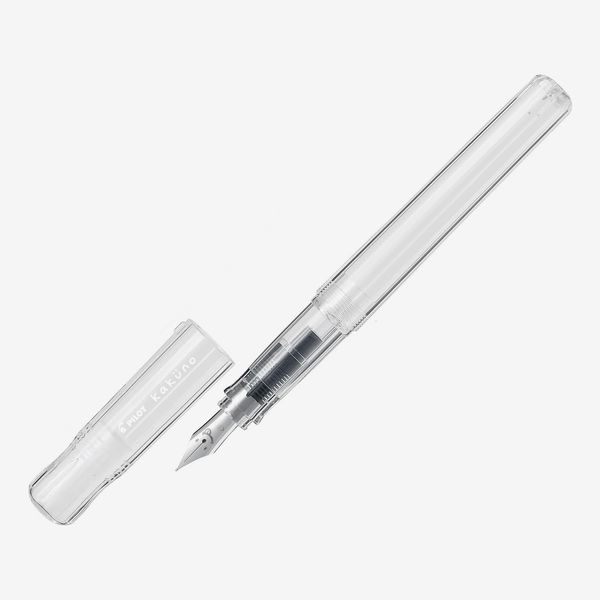
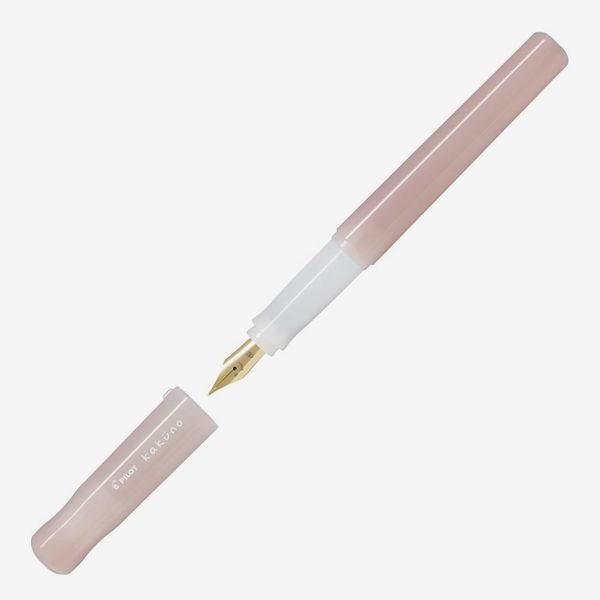
The Pilot Kakuno is another good choice for beginners. It’s a little bit nicer in looks and build and costs just a bit more than the Preppy. Pilot offers a wider variety of colors in cartridge refills than the Preppy does, and you can also get converters for the Kakuno as well.
New! You can now save this product for later.
New! You can now save this product for later.
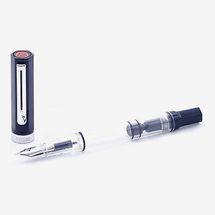
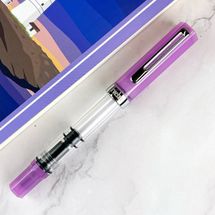
If you’re looking for a wide selection of inks in a beginner pen, I recommend the TWSBI Eco, a piston model, which means it takes bottled ink (not included), as mentioned above. It comes in many body colors as well. If you prefer a broader stroke — as you’d get with Zebra Mildliners — get the TWSBI Eco in broad. Its reservoir of ink has a larger capacity than cartridge-converted pens.
New! You can now save this product for later.
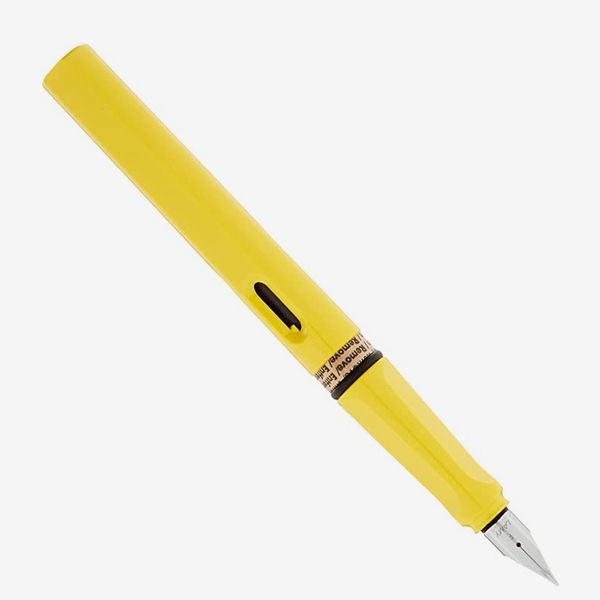
If you want to use any and all widths in between or just explore, get a fountain pen with an interchangeable nib, like the Lamy Safari, and pick up a few nib sizes besides the one it comes with. There are italic nibs (labeled in millimeters) that allow you to do calligraphy in addition to standard sizes like fine (F), medium (M), and broad (B).
Paper
The writing experience comes from a combination of your fountain pen’s nib and the texture of the paper and depends on personal preference, but there are some visual distinctions that can matter as a starting place. Can you tolerate ink bleed-through onto the other side of the page and possibly onto the next? What about seeing the shadow of your writing on the other side (known as ghosting)? Do you like having your pen glide over the page or having a little friction? My preference is light friction with zero or minimal bleed-through and minimal ghosting since it helps me control my handwriting, so these recommendations are mostly geared toward that.
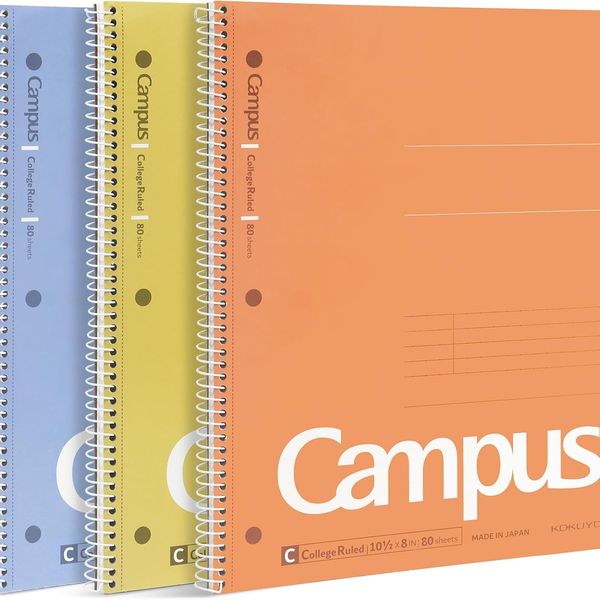
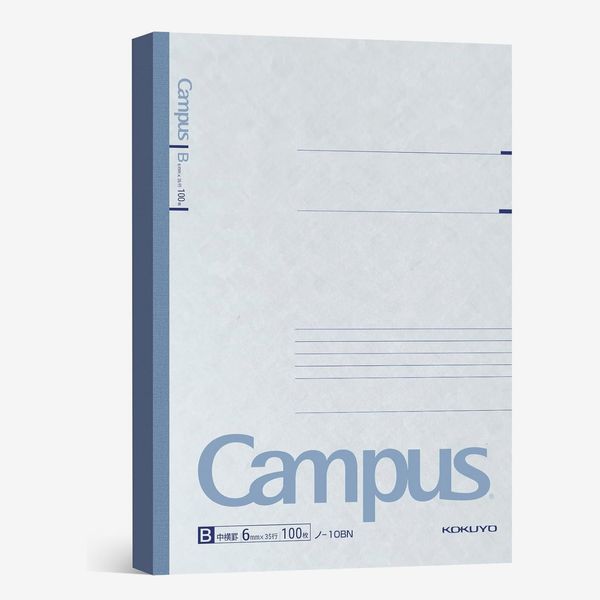
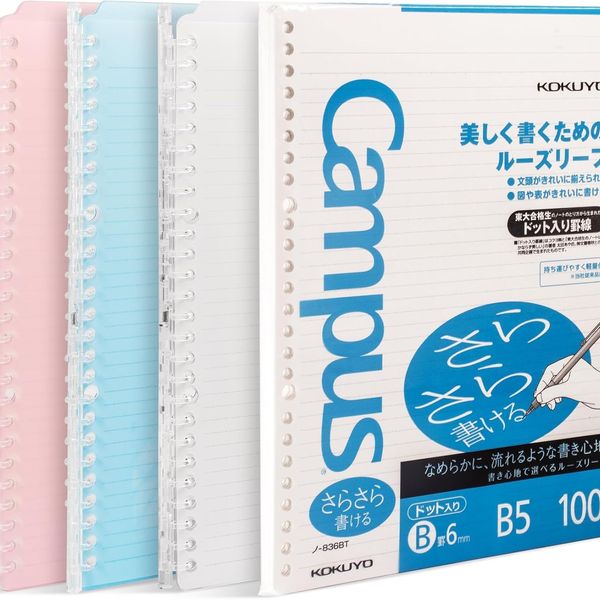
Kokuyo’s Campus notebooks come in a wide range of sizes and have smooth paper that doesn’t allow bleed-through. If you wish you could rearrange the pages in your notebooks, you should check out the brand’s Smartring Binders, a binder-notebook hybrid.
New! You can now save this product for later.
New! You can now save this product for later.
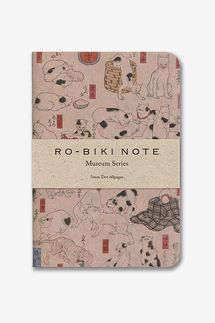
Yamamoto’s notebooks have smooth, glide-y pages with no bleed-through and limited ghosting. The Ro-Biki notebooks come in a wide range of cover designs.
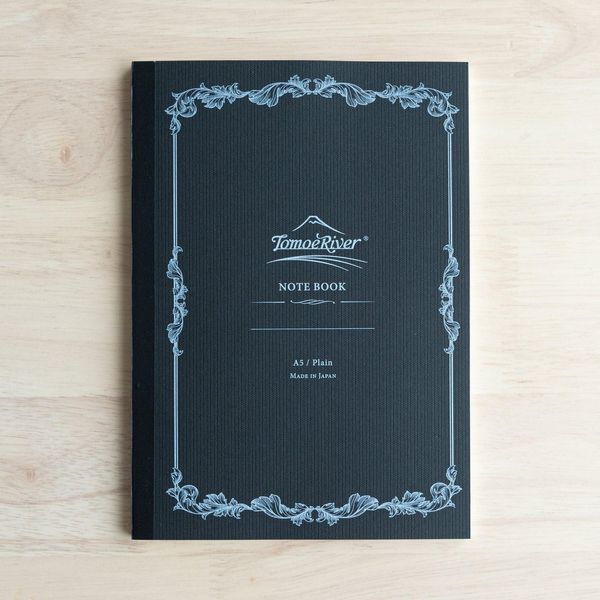
New! You can now save this product for later.
Ultralightweight with minor bleed-through and heavy ghosting.
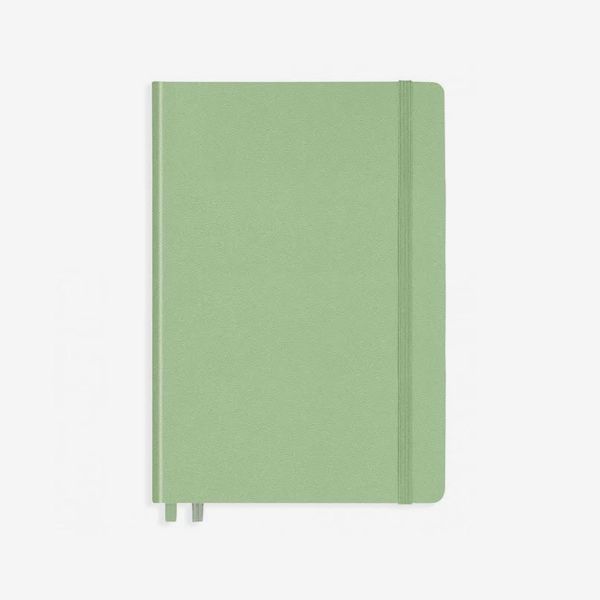
New! You can now save this product for later.
Lightweight with minor bleed-through and medium ghosting.
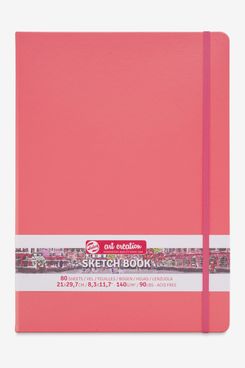
New! You can now save this product for later.
Affordable with slight friction and no bleed-through.
Extras
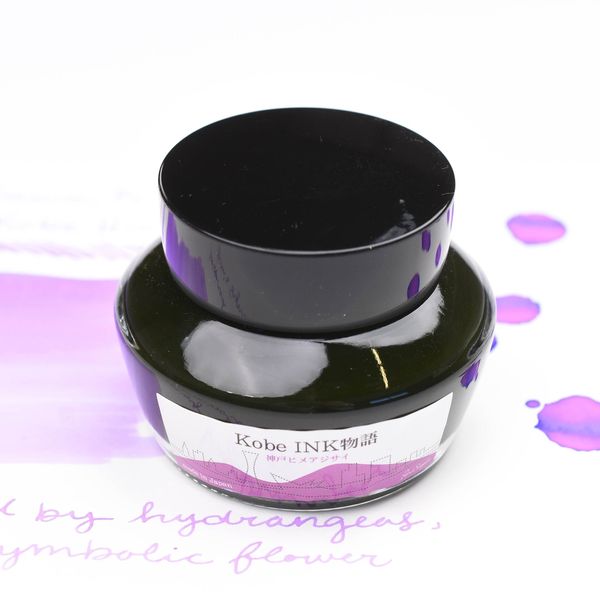
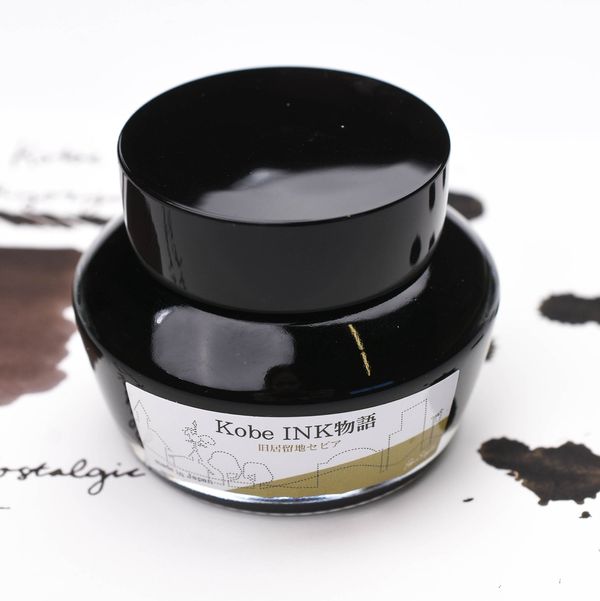
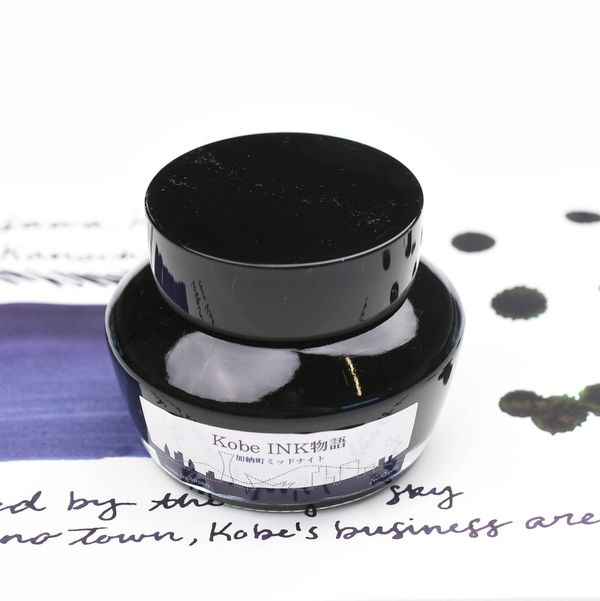
For piston and other filling systems besides cartridge, I like Nagasawa Kobe ink because it has the best array of colors with high vibrancy and readability.
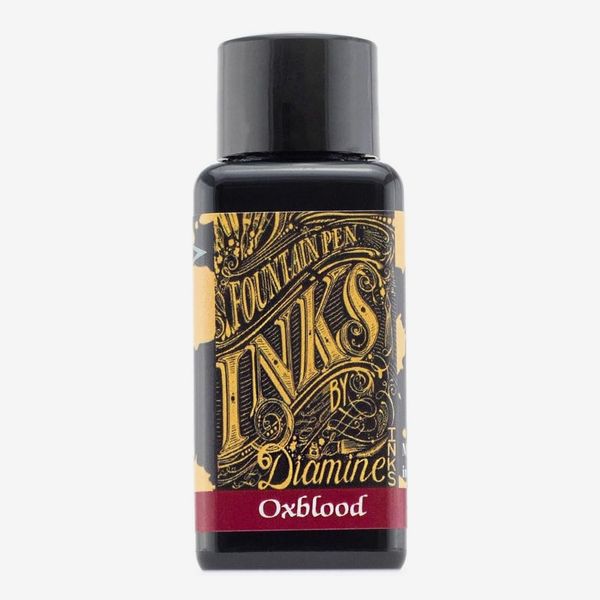
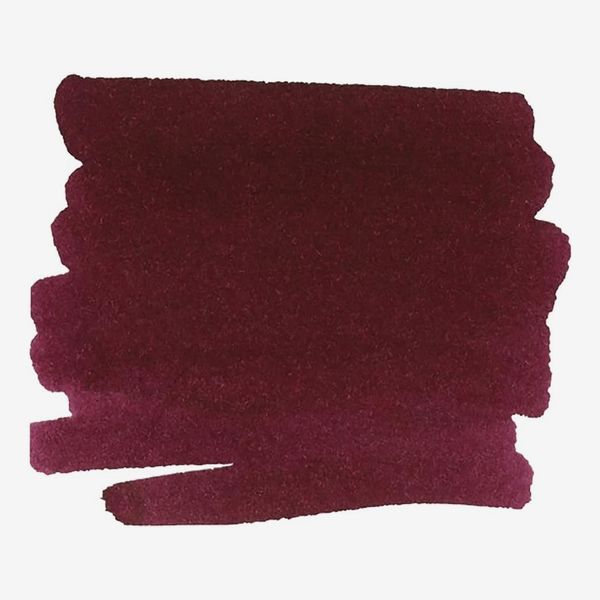
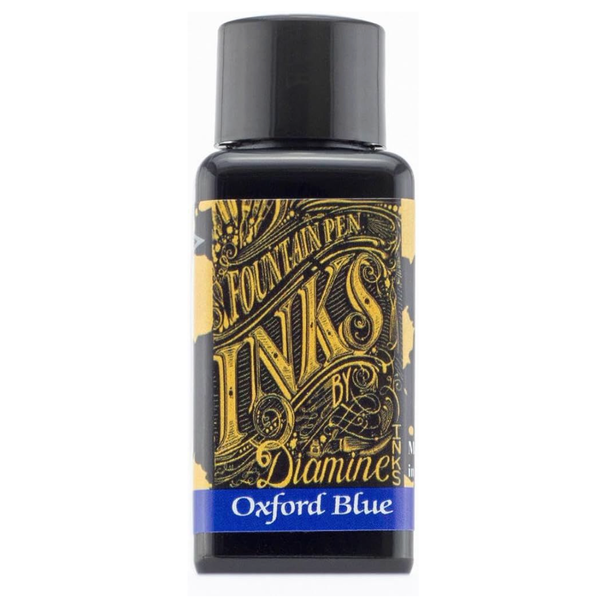
Diamine’s inks are a favorite among fountain-pen obsessives.
New! You can now save this product for later.
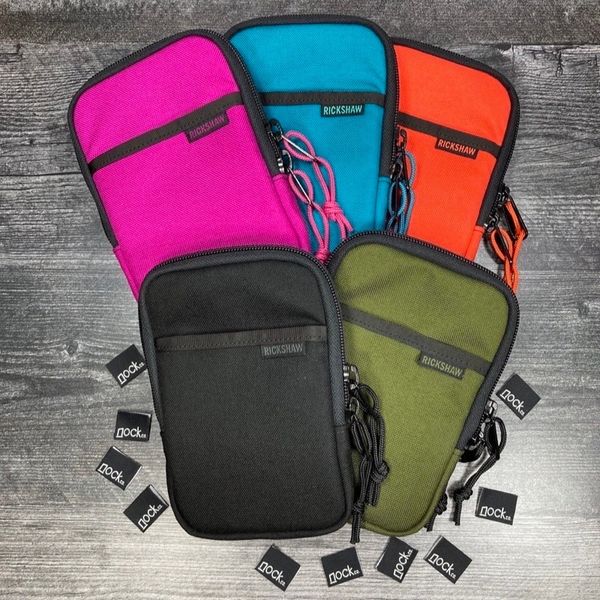
You can throw your pens into any old pencil or pen case, but they will get scratched up (something you may wish to avoid if you want to resell your pen eventually). A purpose-made case like this one from Rickshaw will not only protect your pens, but it also has just enough space for a compact notebook as well.
New! You can now save this product for later.
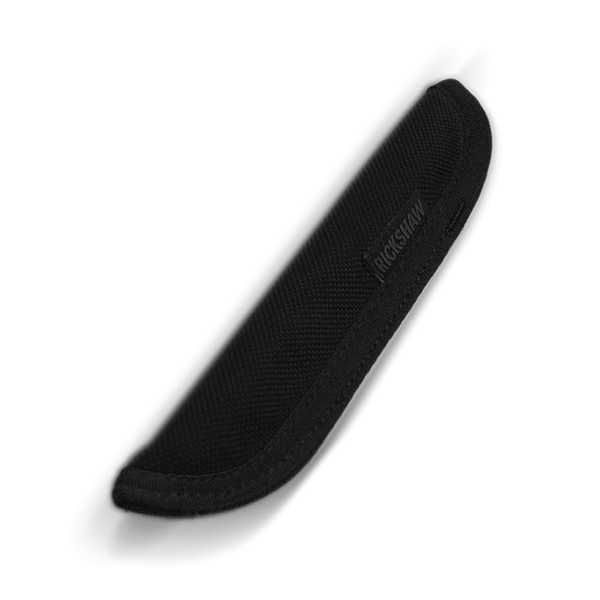
Rickshaw also makes individual sleeves that can protect your pens in other kinds of cases and bags.
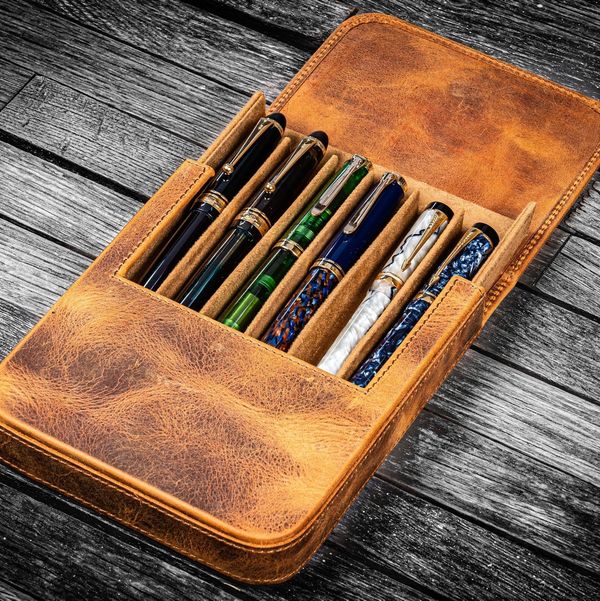
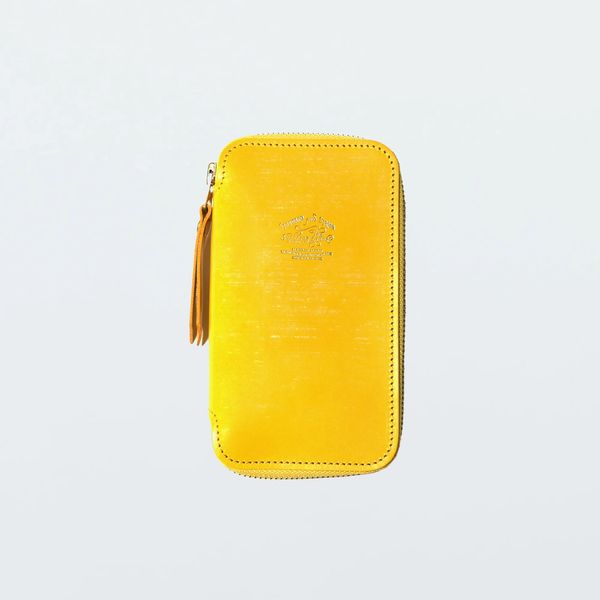
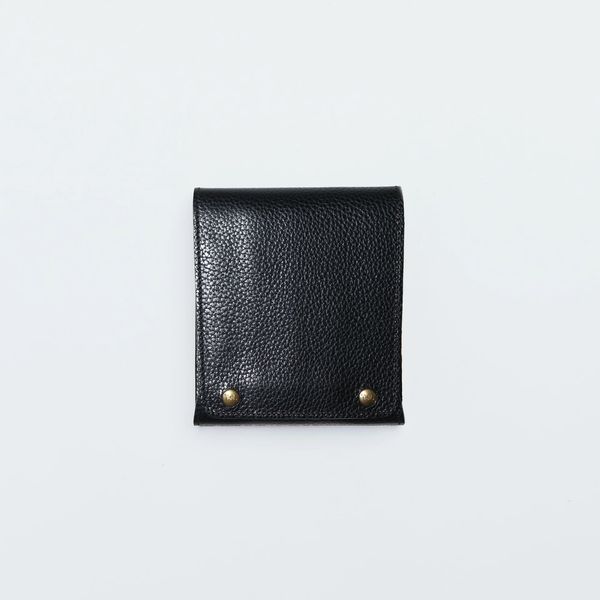
Galen and the Superior Labor are both popular brands for leather cases. (These also make great gifts.)
More From The Strategist
- Hark, the Advent Calendars Arrived (Very) Early This Year
- The Best Things Strategist Editors Have Bought This Year (So Far)
- 63 Things You Should Never Buy Full Price
- The Strategist Fall 100
The Strategist is designed to surface useful, expert recommendations for things to buy across the vast e-commerce landscape. Every product is independently selected by our team of editors, whom you can read about here. We update links when possible, but note that deals can expire and all prices are subject to change.