My earliest memory of bubble tea is trying it for the first time on a family trip to Shanghai; I was 7 or 8, and I was so obsessed with my new discovery that I couldn’t stop prattling on and on, bending my mom’s ear about how the Oriental Pearl Tower resembled the similarly shaped orbs in my drink. During high school in suburban Maryland, my friends and I would take advantage of the open-lunch policy and race to get in line at the Kung Fu Tea a few blocks away, where the lunch-hour rush was so intense that we always risked being late to fifth period (but it was worth it for the adrenaline rush alone).
To this day, I still drink bubble tea the way other people drink coffee or beer — sometimes with a meal, usually on its own. It always sort of hovered on the periphery of my social life, serving as an occasion to catch up with a friend or a treat to myself. Bubble tea was something I took for granted, and I certainly never thought of it as the complex cultural product that it is.
Two things happened simultaneously to change all of that. When the pandemic forced New York and the rest of the country to go into lockdown, many of my favorite bubble-tea shops around the city began to shutter (some of them permanently, others for the monthslong stretch between spring 2020 and the first murmurs of a widely available vaccine). Of course, if the worst thing to happen to me during the pandemic was that I was slightly inconvenienced by my inability to access a drink, I would have been 1) extremely fortunate and 2) probably not still be talking about it right now. But there was also the rampant xenophobia — think back to the beginning of the pandemic and the conversation around wet markets in Wuhan — plus an uptick in hate crimes, and suddenly, the foods I had grown up consuming and the habits I never thought to question took on new meaning.
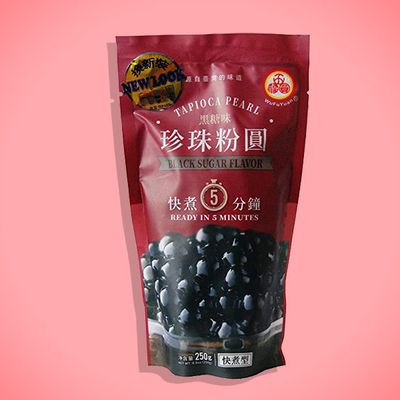
Partly as an act of defiance and partly of necessity, I began frequenting Asian grocery stores around the city to stock up on ingredients I had previously relied on restaurant takeout to experience: things like fresh okra and cellophane noodles and hot-pot mix. On a trip to H Mart in Koreatown, I stumbled across an enticing-looking package that promised ready-to-eat bubbles in five minutes. (For the uninitiated, the “bubbles” in bubble tea are made from a starchy substance called tapioca, which is derived from the roots of the cassava plant. Left to its own devices, tapioca is flavorless and pretty much nutritionless, but it makes for a very satisfying, chewy addition to tea-based drinks.) Intrigued, I threw it into my shopping cart and took it home, and to my pleasant surprise, it did, in fact, live up to its promise.
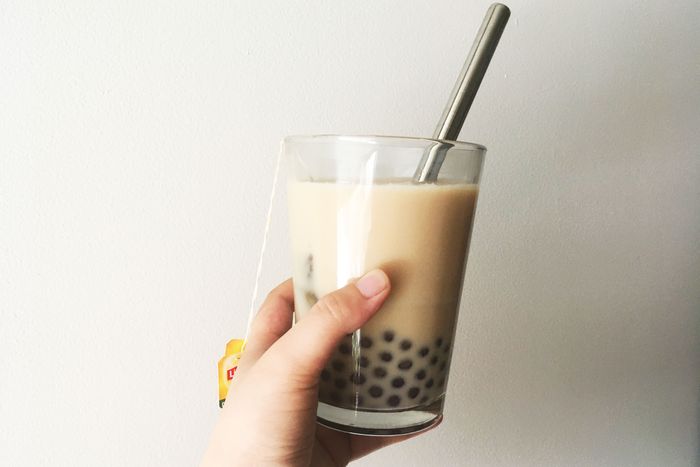
I’ve since gotten the chance to refine my bubble-tea-making process, even as my favorite boba spots have largely reopened (and stayed open). The whole thing is very simple, even for someone like me who’s otherwise pretty culinarily challenged: I put on my electric kettle to boil tea, then I use two bags of (decaf, because I like having the option of drinking it before bed without getting jittery) Lipton black tea, a splash of half-and-half — bubble-tea purists will tell you to use lactose-free milk or milk powder, but I prefer my tea a little more rich — and a teaspoon or two of table sugar. While the kettle is on, I use a small saucepan to bring about two cups of water to a boil, and I throw in the bubbles until they’re translucent. After scooping them out of the saucepan, they’re ready to be added into the milk-tea mixture. You’re free to drink your bubble tea while it’s hot, though I find that it’s much more satisfying to drink cold, so I like to pour it all into a cocktail shaker, add a few ice cubes, and give it a good shake.
I don’t mean to suggest that bubble tea has spurred some sort of cultural reawakening, or even that my identity and sense of self revolve around this one thing — in fact, if I’ve learned anything in the last 12 months, it’s that it’s dangerous to boil an entire population down to a few easily definable traits, and one of the most insidious ways of doing so is by reducing people to the things they consume. Frankly, I look forward to the day when I never have to think critically about what I’m eating and drinking again. I just want to be able to kick back, relax, and enjoy a glass of bubble tea on a hot, sweltering day — and do it in peace.
The pearls I use
New! You can now save this product for later.
These are the tapioca pearls I first came across at H Mart. The “black sugar” flavor is a bit of a misnomer — the pearls by themselves aren’t sweet, but you can soak them in a brown-sugar mixture or simple syrup to get the desired sweetness. Or, if you’re feeling lazy (as I often am), just add sugar to your milk tea and your taste buds will be none the wiser. Each bag of pearls is good for about three to four servings.
New! You can now save this product for later.
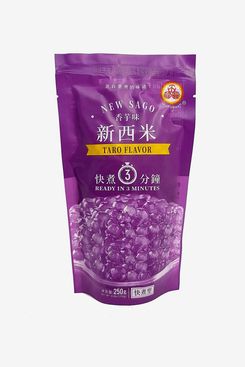
These are lightly sweetened and take just a little less time to cook (three minutes, as opposed to five), but there aren’t any major differences between the two. The taro flavor is extremely subtle and the color isn’t as violently purple as the packaging would lead you to believe.
Other things I use for bubble tea
New! You can now save this product for later.
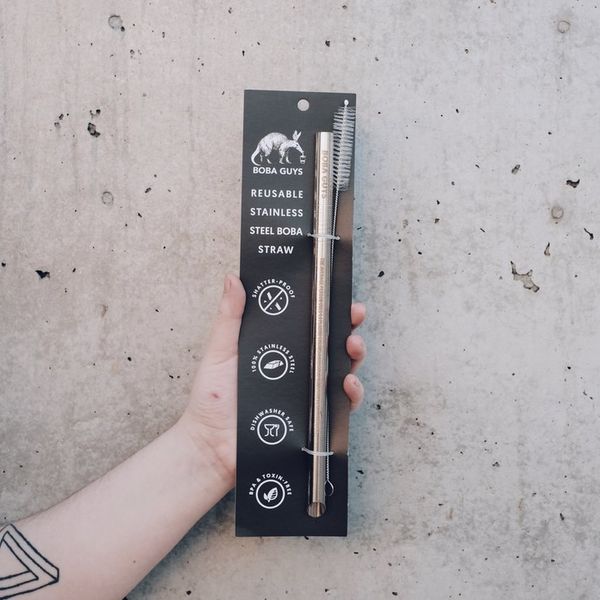
Just like some people carry around metal straws for cold brew, at some point I decided I needed to do the same for bubble tea. A lot of bubble-tea shops carry them in-store, but if you can’t find one IRL, Boba Guys sells one on its website.
New! You can now save this product for later.
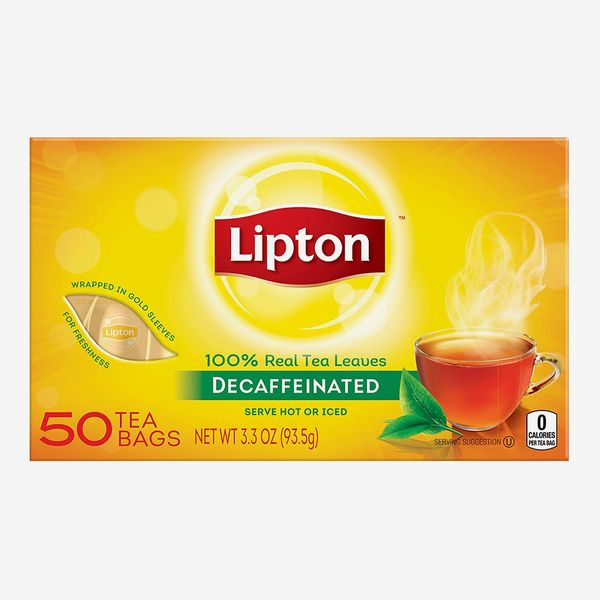
These are the tea bags I use to make bubble tea. I tend to double or even triple up on bags to get a stronger brew, but they’re so cheap and readily available that I don’t feel bad about going through them quickly. Theoretically, you can make bubble tea out of any tea you want — so if you’re looking for something a little fancier, The Qi founder Lisa Li wrote about her favorite teas for the Strategist. Each one has its own fascinating backstory, and I’m dying to try them all.
New! You can now save this product for later.
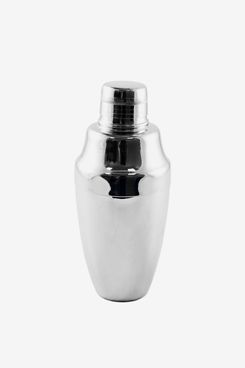
Like I mentioned earlier, a cocktail shaker can be helpful when you want to chill your drink right away without having to stick it in the fridge for hours. There’s also just something very satisfying about the sound of a cocktail shaker, and it makes the whole process of making bubble tea even more enjoyable. Plus, at the end of it, you get to enjoy a sweet treat that won’t give you a hangover.
The Strategist is designed to surface the most useful, expert recommendations for things to buy across the vast e-commerce landscape. Some of our latest conquests include the best acne treatments, rolling luggage, pillows for side sleepers, natural anxiety remedies, and bath towels. We update links when possible, but note that deals can expire and all prices are subject to change.