The Best Recovery Tools for Athletes (and Nonathletes)
In this article
One recurring observation I’ve made while covering health and fitness is that it’s becoming increasingly easier to train like a professional athlete. Of course, not everyone shares the athletic abilities of Frances Tiafoe or Jalen Brunson, but the tools they use to enhance their performance (in addition to their diet and sleep) are becoming more widely available to everyday people. And a big and often overlooked — at least until recently — part of their performance process is recovery.
When we work out, we create microtears in our muscles, and our body repairs them — that’s how we get stronger. And “that’s why recovery is so important. You’re not doing these repairs during the exercise,” says Jaclyn Massi, a doctor of physical therapy at Finish Line in New York City. While we need to recover to get gains in a certain sport or activity, we also need recovery to prevent injuries. “The majority of the injuries that people come to me for are overuse injuries,” says Massi, “which means they are not giving their body that break — that time — to repair.” Ben Rosario, co-founder and CEO of the Marathon Project, explained that most recovery tools, such as massage guns and foam rollers, aim to achieve the same goal: increasing blood flow to the sore area — something the body already does well — and reducing muscle tightness. But what matters most is how you use these tools. “I wish I could say there was one magic bullet,” Rosario says, but “it’s more about consistency in your recovery routine. Just like consistency in your training is important.”
Over the past decade, my colleague Jeremy Rellosa and I have tried tons of recovery products, from cushy shoes designed to support active recovery to a device that gently stimulates the peroneal nerve. We’ve been training for races from 5Ks to marathons and every distance in between, in addition to doing weight training, rock climbing, and road cycling — which means being constantly sore and using some sort of tool, be it a protein powder, back massager, or cold plunge, to rest up and prep for the next activity. Below, we’ve written about the products we’ve found more helpful than others. They also come recommended by experts we’ve spoken to, including registered dietitians, physical therapists, and professional athletes. Since there’s a wide variety of recovery products available, I’ve broken them down into five categories: massage tools, supplements, cold therapy, footwear, and compression.
Updated on September 11, 2025
All these tools are still our favorites, and I’ve updated this list with the latest availability and pricing. I’ve also added new recovery gadgets, including Tailwind Nutrition’s Endurance Fuel and Firefly Recovery’s Starter Pack.
Massage tools
Massage tools help knead sore muscles and work into fascia (the thin layer of tissue that surrounds muscles) to relieve tension and increase blood flow.
New! You can now save this product for later.
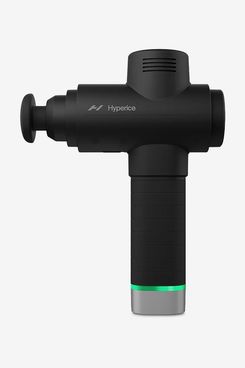
Of all the massage guns we tested, the Hypervolt 2 Pro is the quietest. That means you’ll be able to watch Netflix while massaging your legs after a strenuous workout.
New! You can now save this product for later.
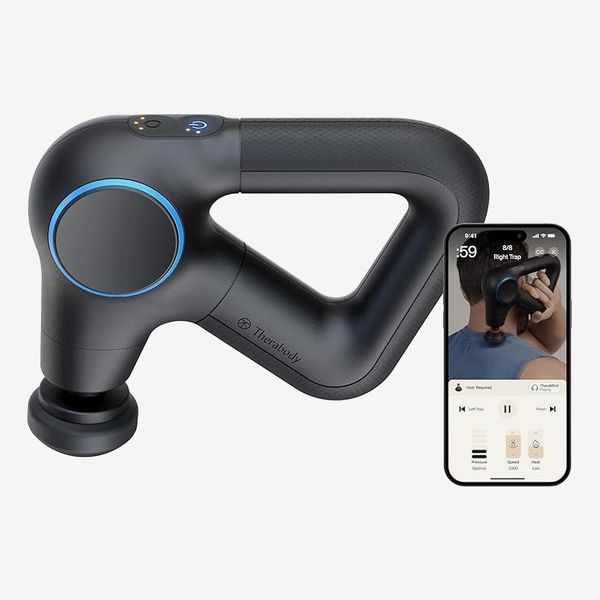
The Theragun’s unique triangular grip lets me hold it close to its head so I can reach behind and massage my back — something that’s a bit harder to do with the typical massage-gun shape. As I mentioned in my review, the brand added the Theragun Prime Plus to its lineup this year; it features a heated percussive attachment and an improved anti-stall motor.
New! You can now save this product for later.
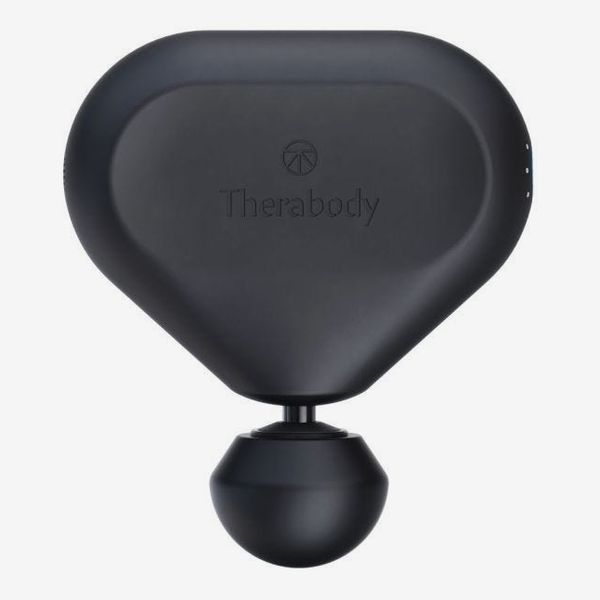
Rellosa brings this small massage tool on most trips because it fits in his carry-on. “It has a powerful motor that is just perfect for releasing tension in my shoulders,” he says.
New! You can now save this product for later.
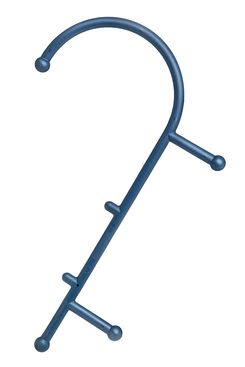
This cane is similar to a massager like the Back Buddy, but it has two handles that allow you to dig into all your back muscles, including traps and lats. “I’ve found its hook to be more effective at targeting knots than any of the massage guns I own,” Rellosa explains.
New! You can now save this product for later.
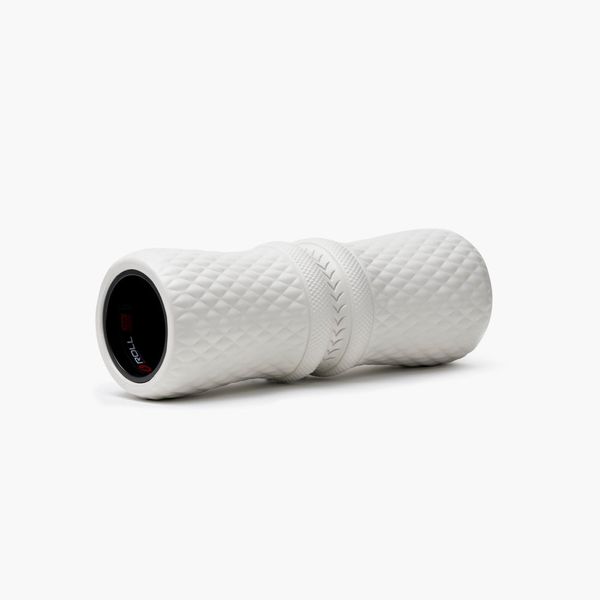
The deep center groove in this foam roller helps you roll out your back without putting pressure on your spine. It’s one of Rellosa’s main training companions.
New! You can now save this product for later.
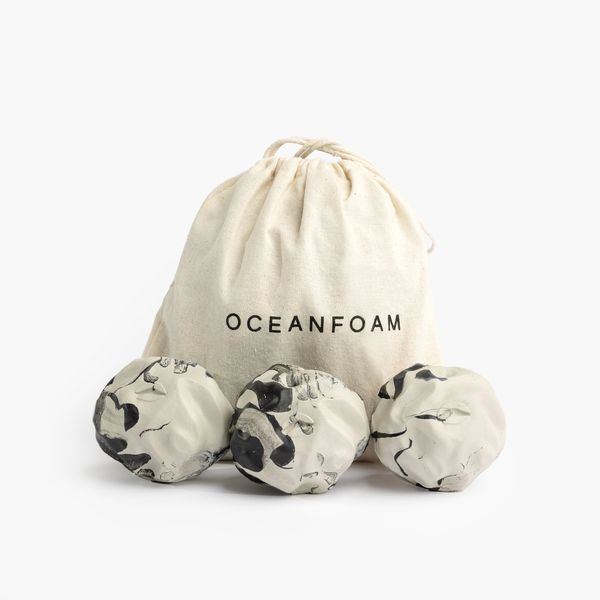
Made with 15 percent Bloom algae pellets and EVA foam, these bumpy roller balls are ideal for loosening up my foot muscles before and after running and biking. They’re more forgiving on my arches than tennis or lacrosse balls, and each one has a slightly different size and shape.
New! You can now save this product for later.
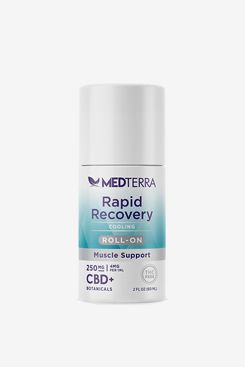
Rellosa uses this roll-on CBD balm before he massages his leg muscles with a massage gun or Thera Cane. He says it has a cooling effect on the skin, which feels calming and relaxing while he kneads his fascia.
Supplements
Maddie Alm, a registered dietitian and professional runner, says it can be helpful to remember the “four R’s” of recovery when it comes to nutrition: replenish (fuel up with carbs), repair (rebuild muscle tissue with protein), reinforce (strengthen the immune system with fruits and veggies), and rehydrate (replace electrolytes lost through sweat). Protein powders are an efficient way to get more protein in your diet because you can get 20 to 30 grams in a scoop or two, as opposed to having to prepare a big meal. And athletes over 40 are going to have higher protein needs, says registered dietitian Kristy Baumann.
New! You can now save this product for later.
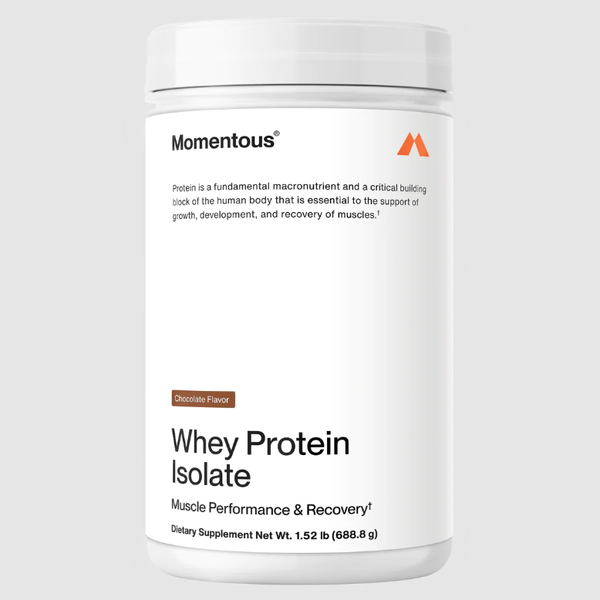
We’ve tasted more than a dozen protein powders, but this one from Momentous is a top pick and the one Rellosa uses most. It has a subtle chocolate taste and mixes well into shakes and other foods.
New! You can now save this product for later.
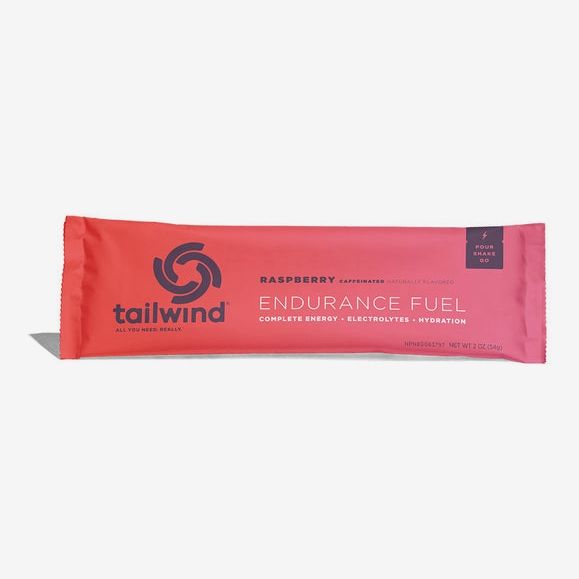
A newer supplement I’ve been testing is Tailwind Nutrition’s Endurance Fuel, which has 70 mg of caffeine — about the same as a small cup of brewed coffee. While it does have a caffeine taste, it’s convenient to use this single packet instead of trying to down my morning coffee plus a water bottle of electrolytes and carbs right before a morning run. That combination of liquids tends to be too much on my stomach (often leading to a bathroom-break pit stop), and Tailwind Nutrition’s flavors are all very light and blend easily into water.
New! You can now save this product for later.
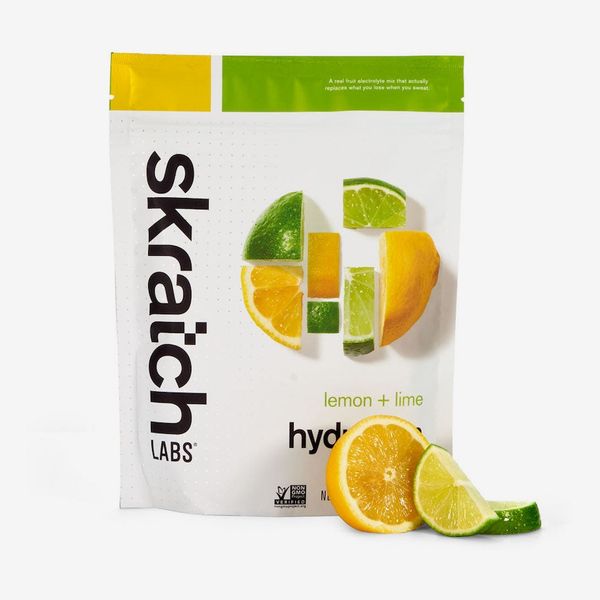
Before heading out for a long bike ride, I add a scoop of this drink mix to my water bottle to replenish carbohydrates and electrolytes, but I also use it on my rest days or when traveling so I can stay hydrated as I sip throughout the day.
Cold therapy
Using ice on your body can help reduce inflammation. If you’ve dealt with injury, you may be familiar with the acronym RICE, which stands for rest, ice, compression, and elevation — a common treatment for sports injuries. Whether you’re injured or not, icing a sore spot can help reduce pain and swelling, though some research suggests ice isn’t as great for muscle recovery as previously thought.
New! You can now save this product for later.
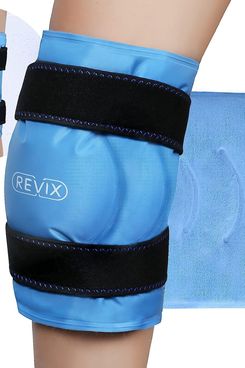
You might have seen athletes like LeBron James icing his knees after a long game. This wrappable ice pack does the same thing but offers more compression than a plastic bag filled with ice cubes because it holds the ice closer to the knee with two Velcro straps.
New! You can now save this product for later.
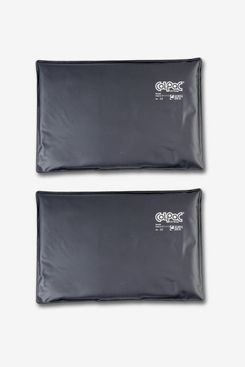
These flexible gel ice packs are great for icing larger muscle groups, like the quads, hamstrings, or lower back.
New! You can now save this product for later.
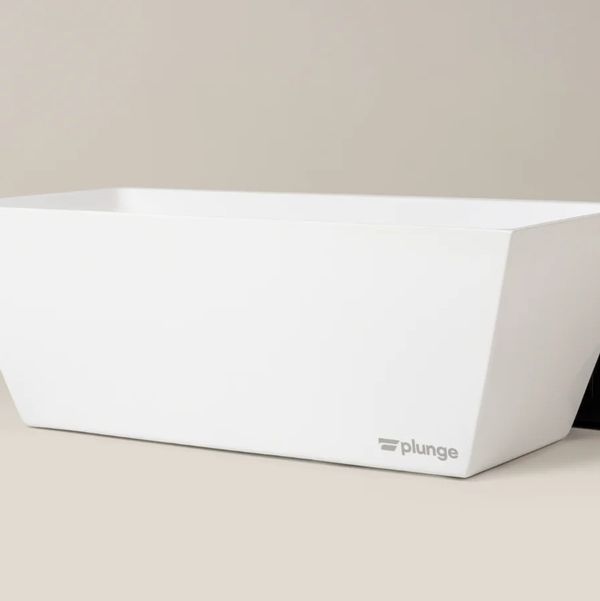
The rationale behind cold plunging is similar to icing except on a bigger scale (the jury’s still out, though, on whether it actually does anything). In the four months Rellosa tested this admittedly pricey tub, he felt less sore after consistent plunging. The tub uses a chiller to keep the water temperature at a constant 39 degrees. “I like how I only have to fill up the tub once as opposed to letting the water stagnate in another tub and then replacing it (and filling it with ice) every session,” he says.
New! You can now save this product for later.
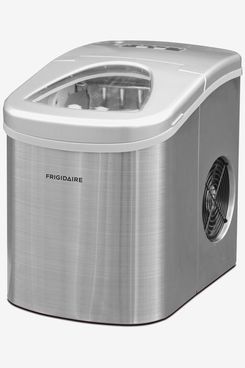
If you need to ice any part of your body and don’t want to get regular bags of ice from the store (or if your fridge doesn’t have an ice machine), consider this budget-friendly countertop ice machine, recommended by Strategist contributor Margaret Eby.
Footwear
In recent years, the category of “recovery footwear” has become more popular, especially among athletes. We’ve found these slippers and shoes just as helpful after a run as they are after a long day of being on our feet.
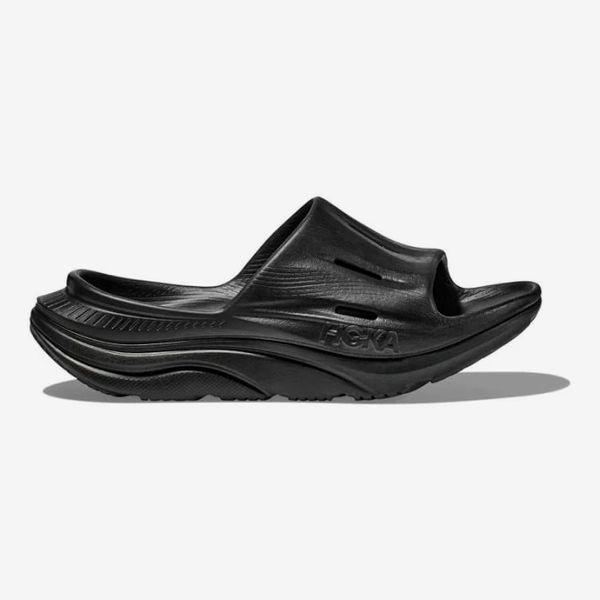
New! You can now save this product for later.
These slippers are perfect for post-workout and when you’re relaxing at home. They have plush EVA foam underneath that cushions the foot and helps relax those small muscles after an intense session.
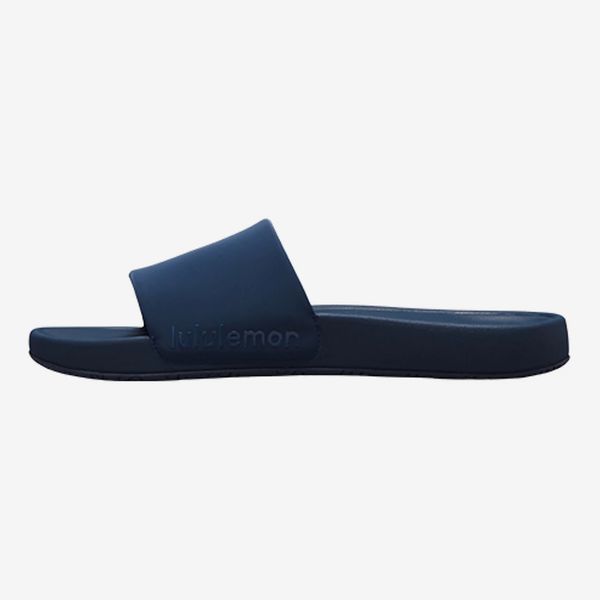
New! You can now save this product for later.
“On the days I don’t want a ton of cushioning under my feet, I opt for these Lululemon slides, which are a bit thinner and less plush than the Hokas,” Rellosa says. They have two layers of foam — one that’s firm and a softer one on top — so they provide support while feeling relatively light and slim.

New! You can now save this product for later.
My preferred recovery footwear is this lightweight, washable, slip-on EVA shoe designed to support active recovery. The brand was founded by former professional lacrosse player John Gagliardi and developed in partnership with Dr. Daniel Geller, a board-certified foot and ankle surgeon.
Compression
Compression products, like massage tools, help with blood and lymph circulation. Our lymphatic networks hold our white blood cells, which help with inflammation. “The lymphatic system works by movement, just like your veins. Those compression boots are helping push it back up through the body, recirculating it — giving it extra force to move it,” Massi says, adding that compression also just feels nice. “It can help dampen the pain receptors or that nervous system response to soreness or pain that we may develop through activity.”
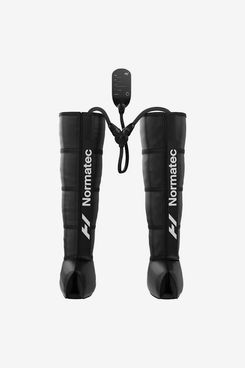
New! You can now save this product for later.
These boots use a machine to inflate different chambers, creating pressure points on various areas of the leg. Since my days as a Division I runner, I’ve used these after long workouts or on nights when my muscles feel tired from the day; they make my legs feel fresher after a session and some rest.
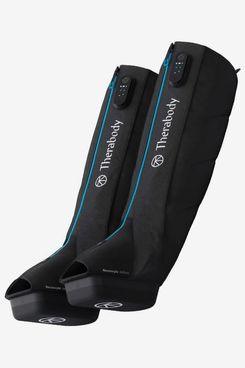
New! You can now save this product for later.
These compression boots aren’t as strong as the Normatecs, but putting these on takes a lot less time. Each sleeve has its own pump in the heel, so there aren’t any connective tubes hooked up to a central device. “I just zip them up and go,” Rellosa says.
New! You can now save this product for later.
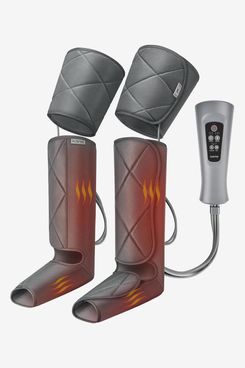
Shelling out upwards of $800 on compression boots may feel steep, especially if you haven’t tried them before and are unsure of their effects. These $100 alternatives won’t squeeze as tightly as the Normatecs or the Therabodys (nor will they inflate sequentially; they just squeeze all at once), but if you want a device that can help relax your legs (while warming them) on a budget, the Renphos will be your best bet.
New! You can now save this product for later.
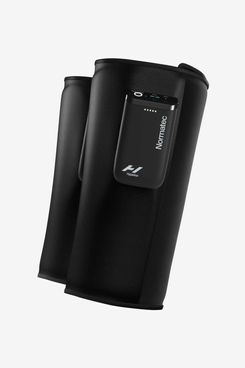
Hyperice Normatec Go
Massi likes these smaller calf sleeves to help boost circulation in her legs. Since they’re portable, she uses them when she’s traveling — especially on flights.
New! You can now save this product for later.
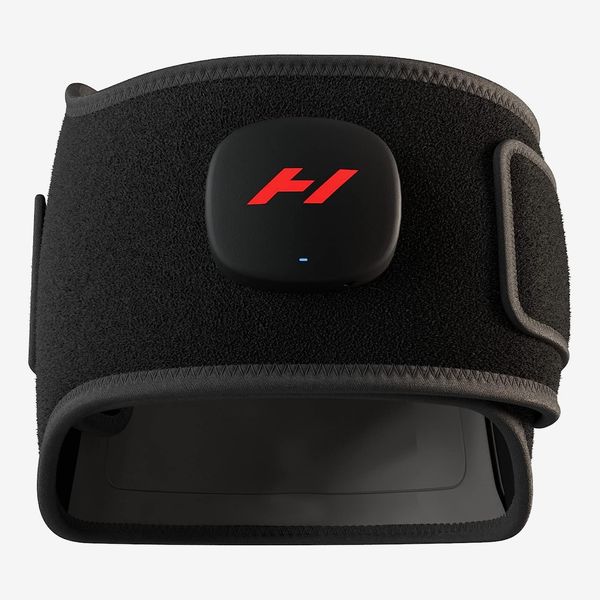
This back brace is a combination of massage and compression. It not only has three different vibration settings — it also heats up (like a seat warmer in a car) and soothes my sore back muscles. Its wide velcro strap is soft enough to use directly on the skin or over clothes, and it’s easy to tighten — I prefer it snug.
More recovery gadgets

New! You can now save this product for later.
My boyfriend, who happens to be a professional athlete, introduced me to Firefly Recovery. This device, which is situated on portable straps with a gel-based backing and considered modified NMES (neuromuscular electrical stimulation), gently targets the peroneal nerve, which causes your lower-leg muscles to contract and blood flow to increase. It’s incredible for waking up my muscles pre-workout and giving my legs a boost after a hard run or cycling session.
Our experts
• Maddie Alm, a registered dietitian and professional runner
• Kristy Baumann, registered dietitian
• Margaret Eby, Strategist contributor
• Jaclyn Massi, a doctor of physical therapy at Finish Line in New York City
• Ben Rosario, coach and executive director of Hoka Northern Arizona Elite
• Jen Trolio, Strategist senior editor
The Strategist is designed to surface the most useful, expert recommendations for things to buy across the vast e-commerce landscape. Some of our latest conquests include the best acne treatments, rolling luggage, pillows for side sleepers, natural anxiety remedies, and bath towels. We update links when possible, but note that deals can expire and all prices are subject to change.