Makeup for People Who Think They’re Bad at Makeup

Some people stick to a basic makeup routine — tinted moisturizer, mascara, a cream blush stick, and lip gloss — because anything more feels complicated or intimidating. If that’s you, you may be surprised to hear that the jump from five-minute makeup to a more pro-looking face is smaller than you think.
According to makeup artists, looking “done” usually has less to do with buying dramatically different makeup and more to do with learning a few professional techniques, including better skin prep, strategic layering, smarter brush choices, and blending more than you think you need to. Even small tweaks can make the makeup you already use look smoother, more natural, and more intentional.
I asked Danessa Myricks, makeup artist and founder of Danessa Myricks Beauty, and Ashlee Glazer, celebrity makeup artist and beauty expert, for some easy ways to get out of your makeup comfort zone and into a more refined version of your everyday routine.
Prepping your skin makes makeup go on more smoothly
Elevated makeup starts before the makeup even touches your face. “Skin prep is the biggest differentiator of whether somebody’s makeup looks good or looks great,” says Myricks. “If you don’t address the physical skin, then the makeup doesn’t matter.”
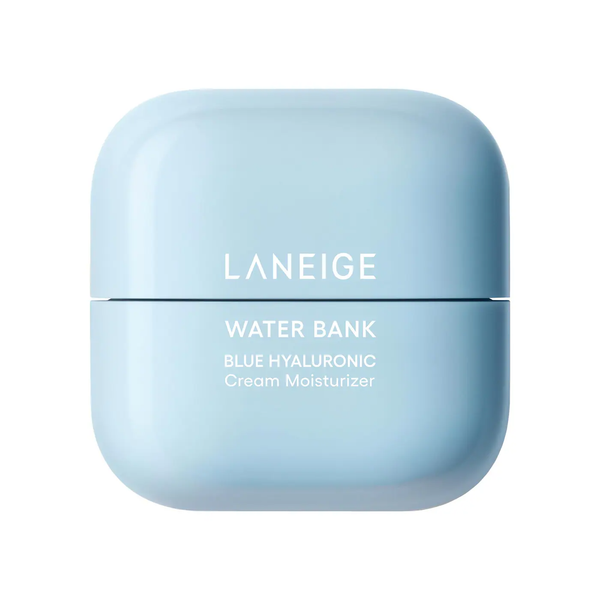
Hydration is nonnegotiable, regardless of skin type or which base you’re using, whether it’s a skin tint or a full-coverage liquid foundation. “Everyone should start with some plumping, hydrating product,” she says. Look for a moisturizer with hyaluronic acid that absorbs quickly and doesn’t leave skin feeling greasy.
New! You can now save this product for later.
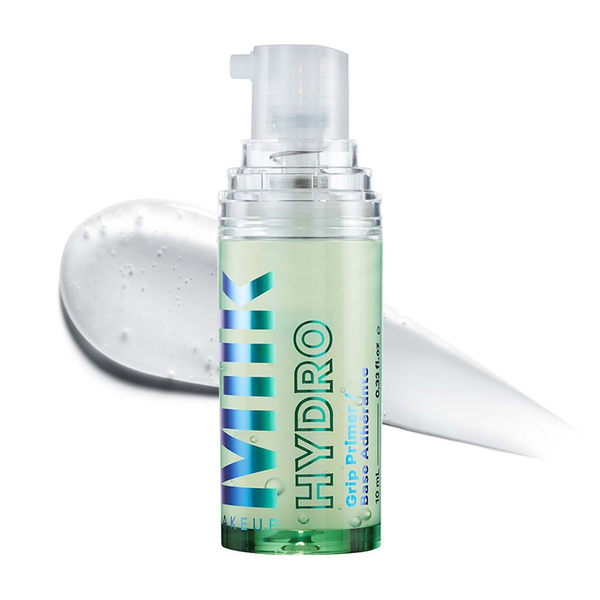
Primers are also an important part of prep. They help address specific skin concerns, such as dryness, oiliness, uneven texture, and enlarged pores. “It’s bringing your skin to baseline before you start painting on it,” says Myricks. You can choose a targeted primer based on your skin’s needs: hydrating, mattifying, blurring, or redness reducing.
New! You can now save this product for later.
A hydrating primer with hyaluronic acid.
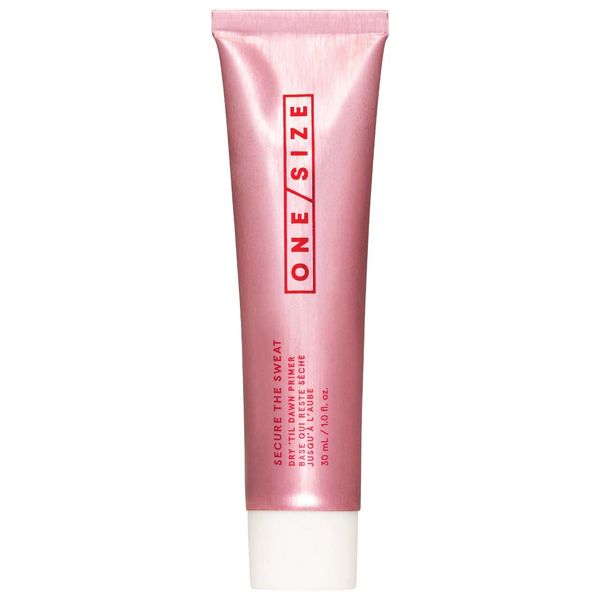
New! You can now save this product for later.
This primer sops up excess oils and sweat.
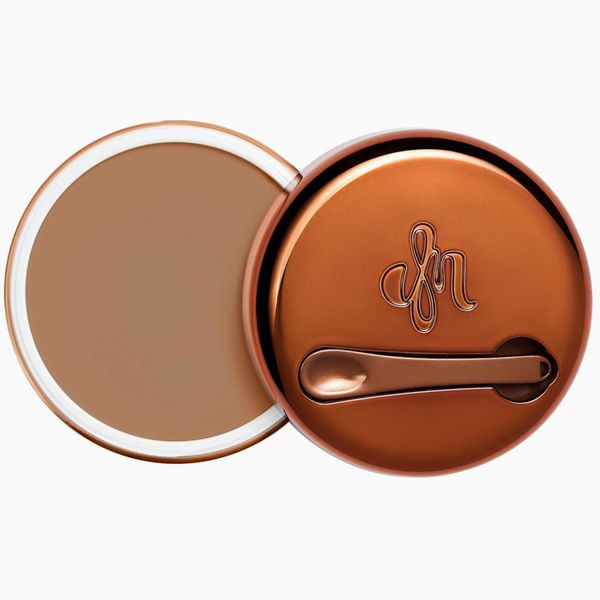
New! You can now save this product for later.
Apply a thin layer of this balm before applying foundation to blur pores and fine lines.
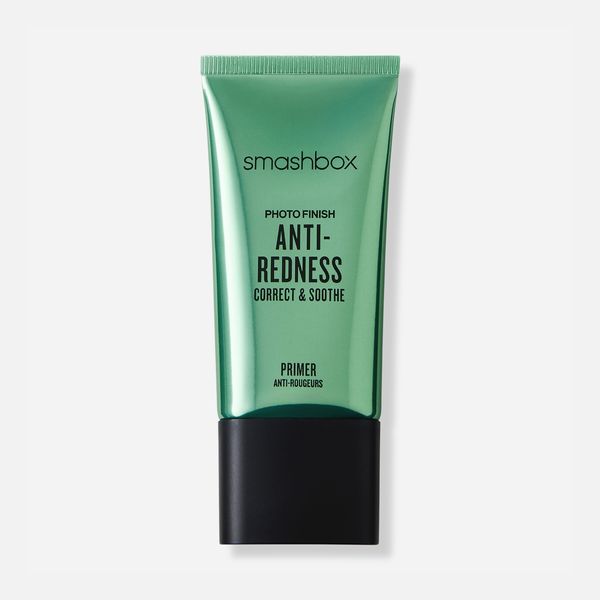
New! You can now save this product for later.
The green tint of this primer neutralizes redness.
Mixing foundation tones make skin look more realistic
If you watch makeup artists work, they’re likely using multiple tones of cream or liquid foundation to shape and brighten the face, not one single shade. “That way, when you take a photo, you look more dimensional than you do when using one foundation,” says Glazer. It sounds complicated, but Glazer has a trick that makes it surprisingly easy: “Think of your face like a Target circle,” she says. “Use a slightly deeper tone around the perimeter of your face, a shade that matches your skin tone in the center, and a lighter shade in the T-zone where the light naturally hits,” she says. Then blend it all together. Glazer says to invest in a palette with multiple foundation tones rather than buying three separate bottles.
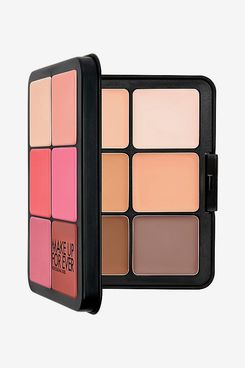
New! You can now save this product for later.
Layering different textures also makes your face look more natural
A lot of us approach makeup textures like we approach jewelry metals: We’re scared to mix. But makeup artists say mixing different textures prevents makeup from looking flat. “Topping a cream blush with a powder blush adds dimension and texture,” says Glazer, who also layers cream or liquid bronzers with powder bronzer. Creams create more of a skinlike finish than simply dusting powder across the face. But when used together, the subtle differences in tone and finish keep makeup from looking one-dimensional.
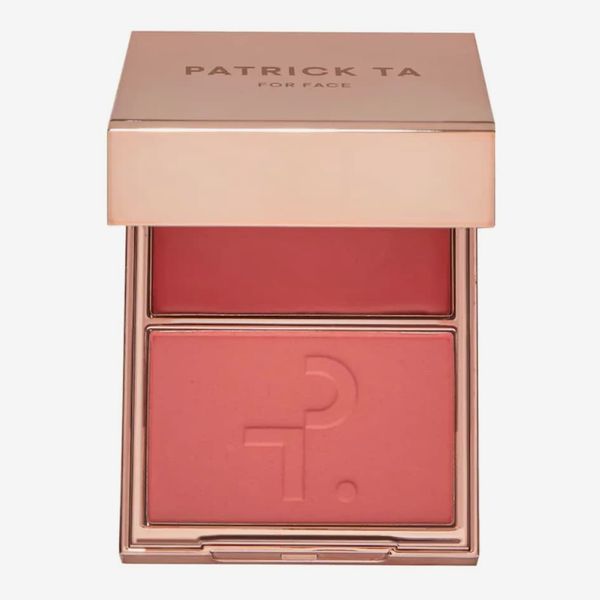
New! You can now save this product for later.
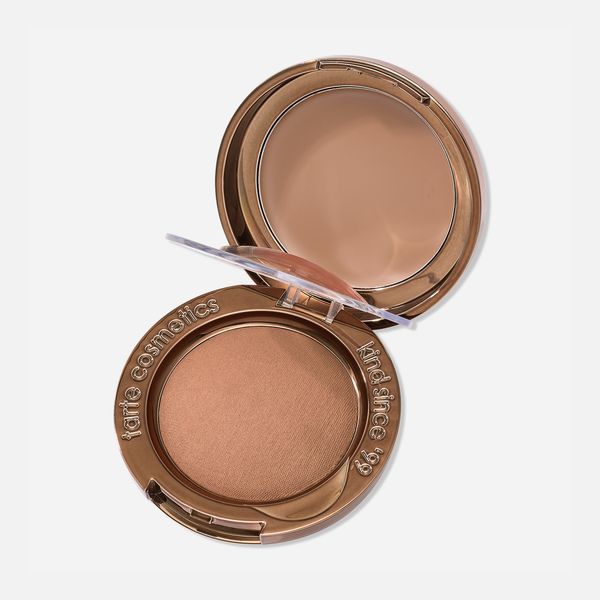
New! You can now save this product for later.
Using the right tools (mostly brushes) quickly improves how makeup looks
“A lot of people don’t realize that you can have all the right products, but if you apply them with the wrong tools, you won’t get the result you want,” says Myricks. As people’s makeup routines become more advanced, they tend to get more intentional about the brushes and tools they use for different effects, artists say. Here are the brushes our experts recommend having in your kit:
A dense complexion brush: Densely packed bristles pick up and deposit more pigment, making these brushes ideal for foundation, cream products, and areas where you want more coverage and precision.
A fluffy blending brush: Fluffier brushes soften edges and diffuse product for a more airbrushed look, says Myricks.
A dense shadow brush: Having a firm eyeshadow brush that feels almost like your index finger lets you press and place product into your lids, getting more color payoff, says Glazer.
A blending eye shadow brush: Both artists suggest a soft brush to blend shadow and eliminate harsh lines.
A fine detail brush: Smaller brushes are key for precision work like eyeliner, brows, or lips. Myricks likes an angled brush, while Glazer prefers a square flat brush for precise liner along the lash line.
A makeup sponge: Glazer says everyone should have one. “I love a Beautyblender,” she says. “It should be used damp, not dry — everything just melts into the skin.”
Your fingers: “Makeup artists, we use our hands,” says Glazer. “Don’t be afraid to get in there and connect with your face.”
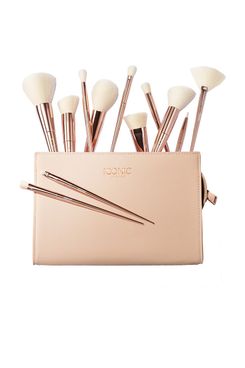
New! You can now save this product for later.
This kit has every type of brush mentioned above.
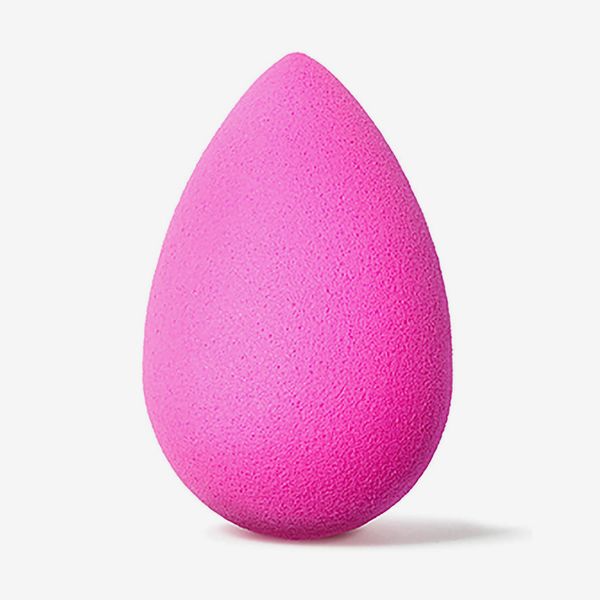
New! You can now save this product for later.
Blending does the heavy lifting in makeup
Myricks says blending is often what separates a super-basic routine from a more finished makeup look. “If you think you’ve blended enough, blend a little bit more,” she says. This is where you use that fluffy brush to create an airbrushed, seamless look.
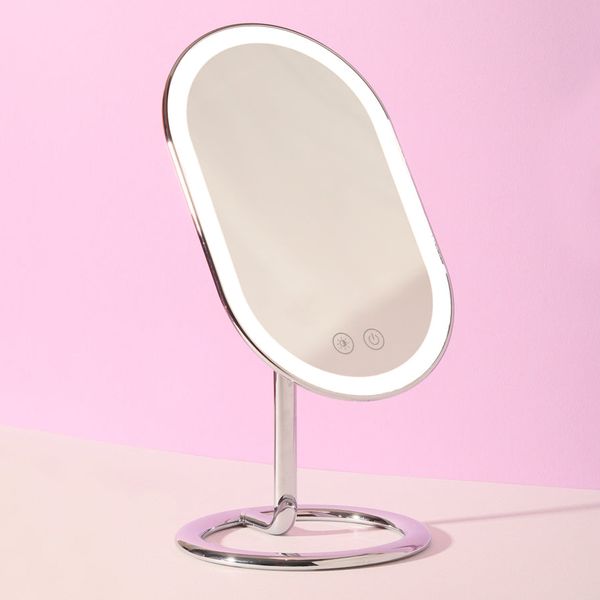
Check your blending in different lighting too. “What looks good in the bathroom can look different in natural lighting,” says Myricks. “It’s worth getting a nice beauty light or creating a beauty station where there’s balanced lighting so you can see what you’re doing.”
New! You can now save this product for later.
Targeted setting powder keeps makeup in place without looking chalky
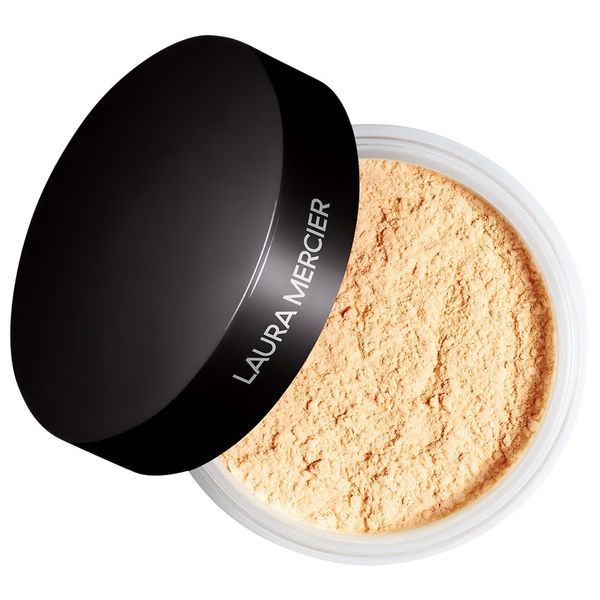
Setting is one of those steps a lot of people skip, but it really does lock your makeup in place and keep unwanted shine away. But you don’t need to do it all over the face. “Most people overpowder,” says Glazer. She suggests using it more strategically in smaller areas where makeup tends to break down, like around the nose and between the brows, and let the rest of your skin glow.
New! You can now save this product for later.
More From The Strategist
- Hark, the Advent Calendars Arrived (Very) Early This Year
- The Best Things Strategist Editors Have Bought This Year (So Far)
- 63 Things You Should Never Buy Full Price
- The Strategist Fall 100
The Strategist is designed to surface useful, expert recommendations for things to buy across the vast e-commerce landscape. Every product is independently selected by our team of editors, whom you can read about here. We update links when possible, but note that deals can expire and all prices are subject to change.