Should You Buy a Sundays Sofa?

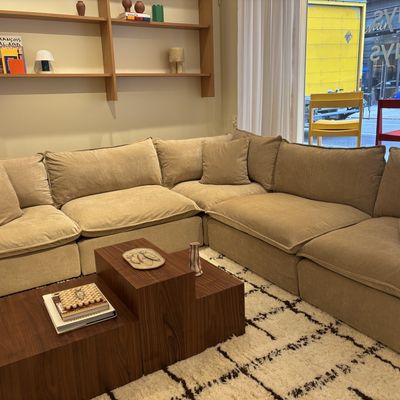
It took three trips to the Sundays showroom in Manhattan to make up my mind about the brand. The Canadian DTC furniture company makes a line of minimalist but unfussy sofas upholstered in performance fabrics — the best-known is the “Movie Night,” a pillowy modular sofa marketed to families — plus a small collection of tables, chairs, and beds with the soft-edged, vaguely Scandinavian aesthetic that has wooed upwardly mobile millennials. The prices are medium-high, the branding is cool but approachable, the showroom is tastefully decorated with Zeitgeisty lamps and artfully framed prints.
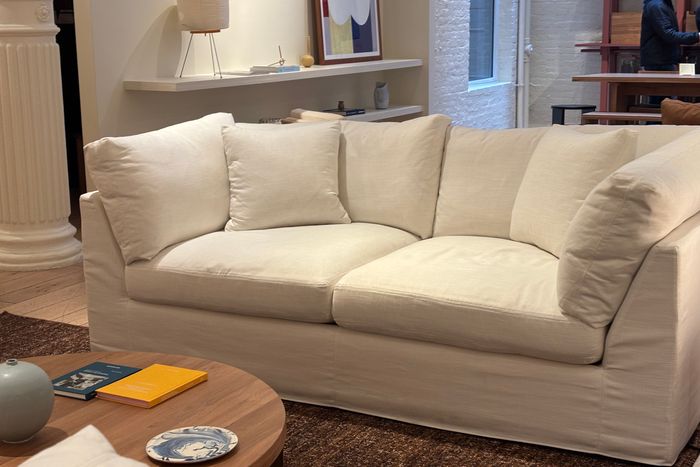
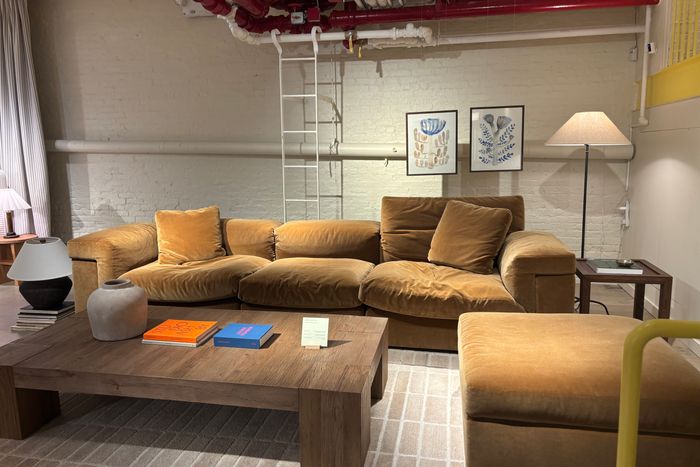
Still, I always leave Sundays scratching my head. It happened the first time I tested out the Movie Night sofa — it looked so appealing in photos online, like a pile of pillows. But in person, it was oddly large, like a normal sofa scaled up 1.5 times, and surprisingly firm once you nestled into its thick cushions. The brand’s Get Together Sofa has comfier seats, but it doesn’t stand up to sofas from more established brands like Crate & Barrel or Room & Board with similar specs that cost less and look better up close.(Sundays does offer free white-glove delivery, which is a good perk.)

New! You can now save this product for later.
Sundays Get Together Sofa
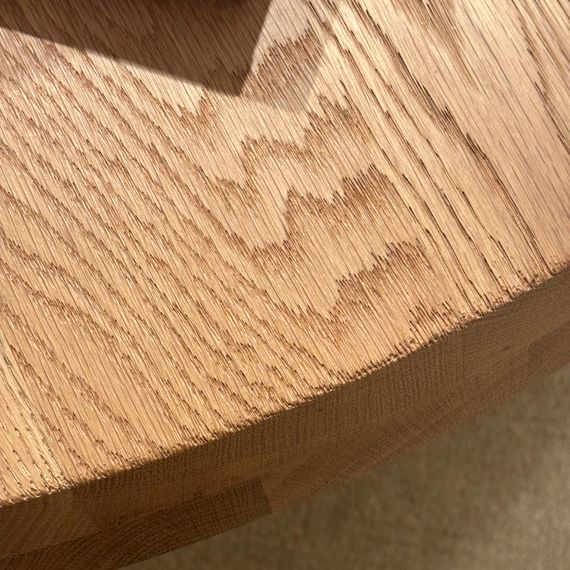
The basement houses a “pop-up” from Hetta, Sundays’ sister brand, which is subtly quirkier. (Per the brand, Hetta’s pieces are “grounded in tradition” and “defined by their craftsmanship, high-quality materials, and sense of warmth.”) It’s similarly full of intriguing ideas that almost work but need more time to cook. A sofa with a fold-up/fold-down back is a clever way to sidestep the debate between high-backed versus low-backed sofas. But the understuffed velvet cushions look rumpled, even in the showroom, and the seats are so deep that anyone under five-foot-five would struggle to get up. A dining chair on casters seems like a brilliant idea until you sit down and the chair kicks backward. A substantial coffee table made of oak boards has been wire-brushed (a faux-distressed finish sometimes used to give floors a rustic patina), leaving the grain open and the edges chipping. Another oak-veneer coffee table’s surface is craggy to the touch, not ideal for a tabletop that may, at some point in its life, encounter crumbs.
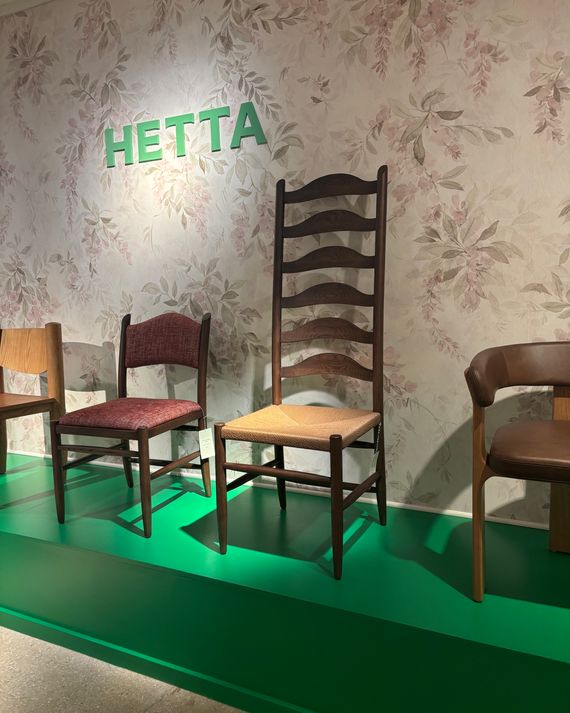
Or the Hillside, a spindle-legged dining chair with a tall back of Dr. Seuss proportions. There is a concept here — it’s a fusion of two famous chairs, a Shaker ladderback and a Mackintosh, a looming, austere style created in 1897 and revived in the 1980s. (In Blade Runner, Rachael smokes a cigarette while sitting in a Mackintosh chair.) Combining the two does not make much intuitive sense, which isn’t a necessarily problem — part of a designer’s remit is to find resonance in unexpected places, to make aesthetic connections most people don’t see. But this chair does not make that connection. It looks like the product of an online “What would our baby look like?” generator for chairs.
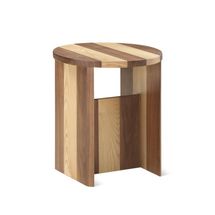
Like other home-goods companies that grew up online during the COVID-19 pandemic, Sundays and Hetta make products that look good in photos but need to be checked out IRL before buying. I liked some of the brand’s wooden furniture, like the Field stool and the Scandi-inspired Tuck In chair. The branding is great, but although the furniture isn’t bad, it’s not good enough to buy sight unseen.
New! You can now save this product for later.
Sundays Field Stool
More From The Strategist
- The Best Things Strategist Editors Have Bought This Year (So Far)
- Hark, the Advent Calendars Arrived (Very) Early This Year
- 63 Things You Should Never Buy Full Price
- The Strategist Fall 100
The Strategist is designed to surface useful, expert recommendations for things to buy across the vast e-commerce landscape. Every product is independently selected by our team of editors, whom you can read about here. We update links when possible, but note that deals can expire and all prices are subject to change.