Why Is Your Dandruff Always Lurking?

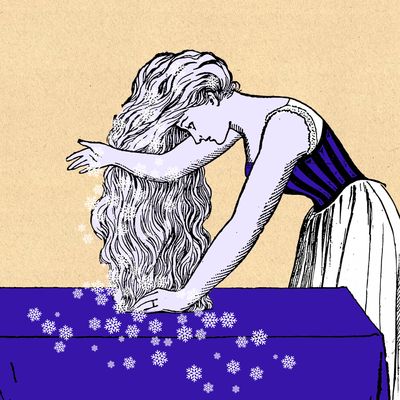
I experienced my initial bout of dandruff at 18 years old, mid-fall during my first semester at college. I was a little homesick, overwhelmed by the workload, and not eating properly, causing me to lose the freshman 15 and then some. Suddenly, my scalp was itchy and flaky, and my hair was shedding more than usual.
During a visit home, my dermatologist prescribed a prescription-strength anti-fungal shampoo and told me to alternate it with a Neutrogena tar-based shampoo to slow the rapid skin-cell turnover that leads to flaking. The excess shedding may have been related to the scalp inflammation, but I later learned that nutrient deficiencies such as zinc, vitamin B, and healthy fats can also contribute to dandruff — and hair loss. It all felt interconnected.
I stuck to the plan, my scalp calmed down, and I resumed my usual hair-care routine. But ever since that first bout, the dandruff always comes back. When I spot flakes or feel the itch, I switch my routine to include an over-the-counter dandruff shampoo until it clears.
Now, in my mid-40s, likely in perimenopause, my scalp feels itchier than ever and my usual shampoos aren’t cutting it. I turned to dermatologist Dr. Kavita Mariwalla and trichologist Shab Caspara to understand why dandruff never fully goes away — and why some people are more prone to it.
What causes dandruff in the first place?
To understand why dandruff keeps coming back, you have to start with what it actually is. “People just think of it as a flaky scalp,” says Mariwalla. “But it’s actually an overgrowth of malassezia, a yeast that naturally lives on the scalp.” That yeast feeds on sebum (oil), and when the scalp environment becomes unbalanced from excess oil, product buildup, stress, diet, or even change of seasons, it can multiply.
Dandruff exists on a spectrum of the same condition, known medically as seborrheic dermatitis. The milder form shows up as flakes, while more severe cases can include redness, irritation, greasy scales, and can extend beyond the scalp such as eyebrows, sides of nose, ears, and chest.
When malassezia overgrows, it speeds up cell turnover. So, instead of shedding skin cells every 28 days, the scalp starts shedding every 7 to 14, and those cells clump together, creating visible flakes, Everyone has malassezia, but why one person gets dandruff and another doesn’t depends on your scalp environment and whether that yeast will grow out of control.
Why does it keep coming back again … and again?
The reason malassezia doesn’t go away is because it lives on your scalp naturally and plays a role in the scalp’s microbiome (a collection of organisms, bacteria, and fungi that protect skin from germs). “The goal isn’t to eliminate it, it’s to keep it in check,” says Mariwalla. “It’s like the kid on the playground who you always have to remind to behave.”
“Dandruff comes and goes because its underlying triggers, like oil production, hormones, and even diet, don’t remain constant,” says Caspara. “Shifts that start as early as your teens can keep the scalp in a cycle of imbalance, making you more prone to recurring flakes.” People with oily scalps or heightened sensitivity to malassezia are especially prone, she adds, and lifestyle factors like stress and hair-washing habits can increase susceptibility.
How do I keep dandruff in check?
When you’re dealing with an itchy, flaky scalp, it’s important to take a two-pronged approach: Target the yeast itself and calm the inflammation it causes, says Mariwalla. Anti-fungal ingredients such as ketoconazole and zinc pyrithione reduce malassezia, while others like coal tar help slow down the rapid skin-cell turnover that leads to flaking. Salicylic acid and sulfur help loosen and remove buildup, and many of the same ingredients — salicylic acid, zinc, sulfur, and coal tar — help calm the inflammation behind the itch.
How you use those treatments matters, too. When dandruff is active, Mariwalla recommends washing more frequently than usual, even daily, for a short period, to get the overgrowth under control. Once the scalp calms down, you can return to your regular routine.
Maintenance is key. “Using a dandruff shampoo about once a week is usually enough,” says Caspara. If you wash less often, using one two times a month can help. “Think of it as preventative scalp maintenance rather than a onetime fix.”
It’s also important to maintain a balanced scalp environment. “Wash frequently enough to prevent buildup, manage stress, and be mindful of inflammatory triggers like high-sugar intake or alcohol, which can disrupt the scalp and increase oil production,” says Caspara.
When should I consult a doctor?
If flakes persist or worsen, a professional can rule out other conditions such as scalp psoriasis or more seborrheic dermatitis. The latter may require a prescription-strength anti-fungal shampoo and even a mild steroid solution.
Anti-Dandruff Treatments to Try
New! You can now save this product for later.
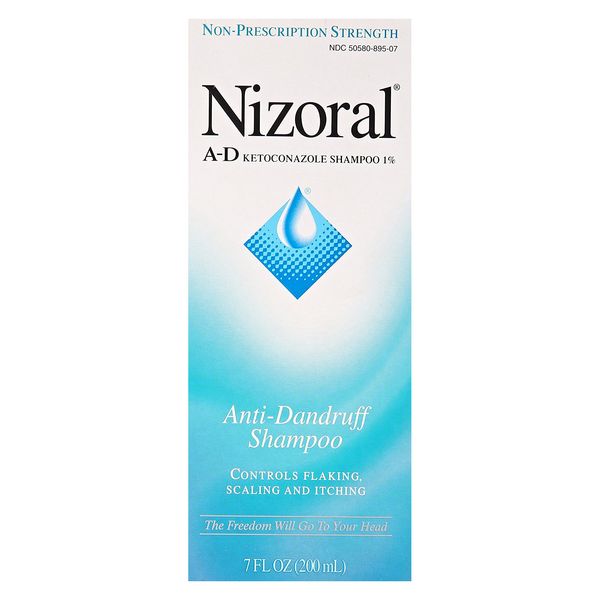
The active ingredient in this formula is one percent ketoconazole, an anti-fungal that works on the malassezia. While this one is sold at drugstores, there’s a prescription-strength version available through physicians.
New! You can now save this product for later.
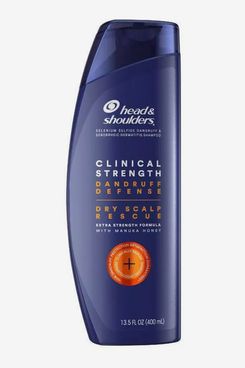
The classic dandruff brand has a clinical-strength formula with one percent selenium sulfide, which works faster, even on stubborn dandruff.
New! You can now save this product for later.
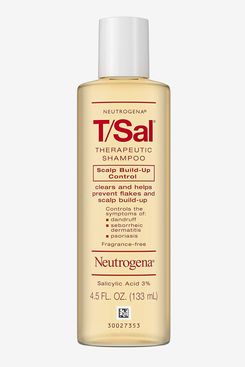
T-Gel, the Neutrogena tar-based shampoo I once used, has been discontinued. T/Sal contains 3 percent salicylic acid to clear dead-skin buildup, thereby reducing flakes.
New! You can now save this product for later.
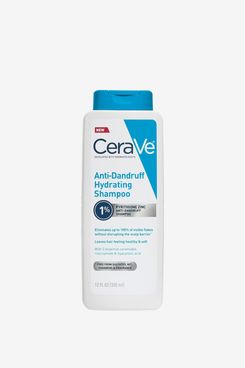
A big drawback of most dandruff shampoos is that they can be drying. CeraVe help that by pairing zinc pyrithione with ceramides, niacinamide, and hyaluronic acid to hydrate hair and the scalp.
More From The Strategist
- Hark, the Advent Calendars Arrived (Very) Early This Year
- The Best Things Strategist Editors Have Bought This Year (So Far)
- 63 Things You Should Never Buy Full Price
- The Strategist Fall 100
The Strategist is designed to surface useful, expert recommendations for things to buy across the vast e-commerce landscape. Every product is independently selected by our team of editors, whom you can read about here. We update links when possible, but note that deals can expire and all prices are subject to change.